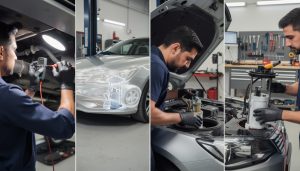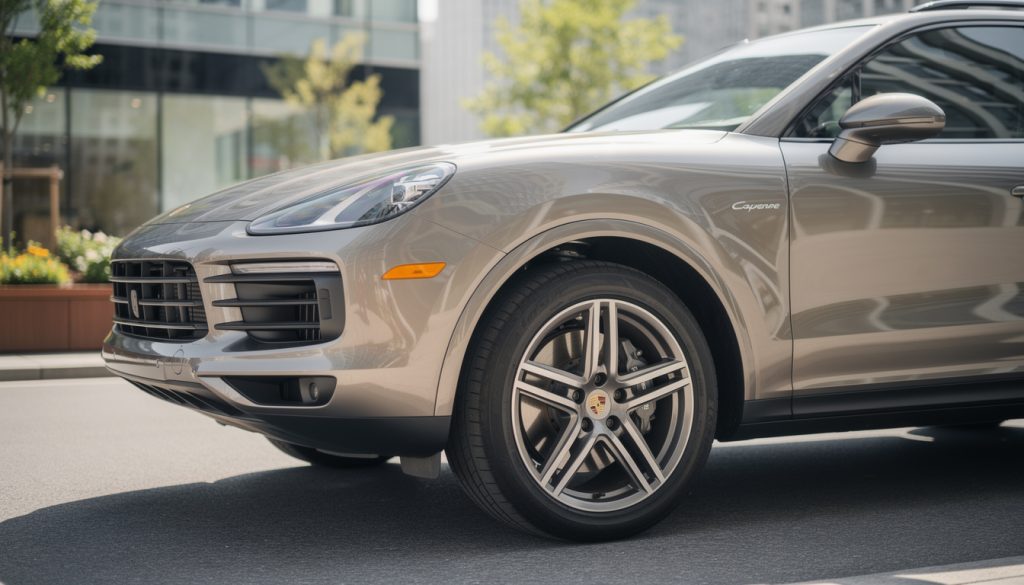
Thinking about purchasing a used Porsche Cayenne? This luxury SUV offers an impressive blend of performance and prestige that has captured the hearts of driving enthusiasts worldwide. However, like any high-performance vehicle, it carries its share of common concerns and maintenance requirements that could impact your ownership experience. In 2026, the Porsche Cayenne remains a competitive choice against rivals such as the Range Rover, particularly due to its sporty edge and strong resale value. Before you commit, it is critical to understand its reliability, potential engine issues, and the true ownership costs that come with it.
Many buyers are drawn to the Cayenne for its sporty dynamics and solid build quality, but experience shows that awareness of its most common faults—ranging from gearbox quirks to cooling system vulnerabilities—is essential to avoid costly surprises. Balancing the SUV’s engaging driving experience with realistic expectations about maintenance can make a substantial difference in long-term satisfaction. Below, I outline key insights that will inform your decision, supporting you through the process of selecting a dependable, thoroughly evaluated used Porsche Cayenne.
Key Takeaways :
- Engine and transmission faults are the primary concerns in used Porsche Cayennes, especially with water pumps, fuel pumps, and gearboxes.
- Suspension and braking components often require attention due to the SUV’s weight and sporty performance demands.
- Recent model years (2011–2014 and post-2015) demonstrate improved reliability with fewer electronic and cooling system issues.
- Maintenance costs are higher than average but reasonable compared to comparable luxury SUVs.
- Properly maintained Cayennes offer strong depreciation resistance and can reach over 200,000 miles when cared for diligently.
Recognizing Common Reliability Issues in the Porsche Cayenne
The Porsche Cayenne, while lauded for its performance and luxurious feel, is not exempt from ageing and mileage-related issues. The key to a successful purchase lies in understanding these recurring problems and what they imply for your budget and peace of mind.
Engine and Gearbox Troubles: What to Expect
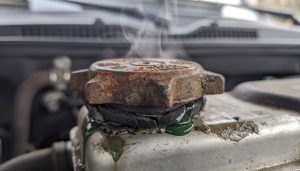
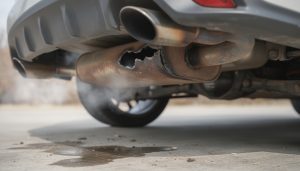
Owners often report failures in the water pump, which is crucial for engine cooling. Signs include coolant loss, dashboard overheating warnings, and eventual engine overheating if untreated. Replacing the water pump typically costs between £400 and £800 including labor. For those mechanically inclined, this may be a manageable task without professional help, but caution is advised due to the cooling system’s complexity.
Similarly, fuel pump failures manifest as poor starting behavior, engine stalling, and check engine warning lights. This issue is prevalent in petrol Cayennes, especially on earlier generations. Replacing the fuel pump ranges from £700 to £1,200 and demands a certain level of mechanical skill or professional intervention.
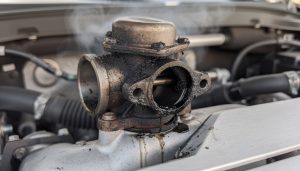
Oil leaks and engine misfires are also frequent concerns. Valve cover gaskets and camshaft adjusters may develop leaks, often accompanied by rough running or unusual engine smells. Depending on the fault, repair costs vary broadly—for example, gasket replacements can extend from £500 to £1,500. It’s worth noting that petrol engines tend to be more robust in these areas compared to diesel variants.
The transmission system should not be overlooked. Both Tiptronic and PDK gearboxes have documented issues, including delayed shifts, clunking noises, and vibrations that become more apparent past 70,000 miles. Transfer case and AWD components may also fail, leading to drivability troubles. Fluid and filter changes are an essential preventive step costing around £300, while major gearbox repairs can exceed £2,000.
Suspension and Ride Quality Challenges
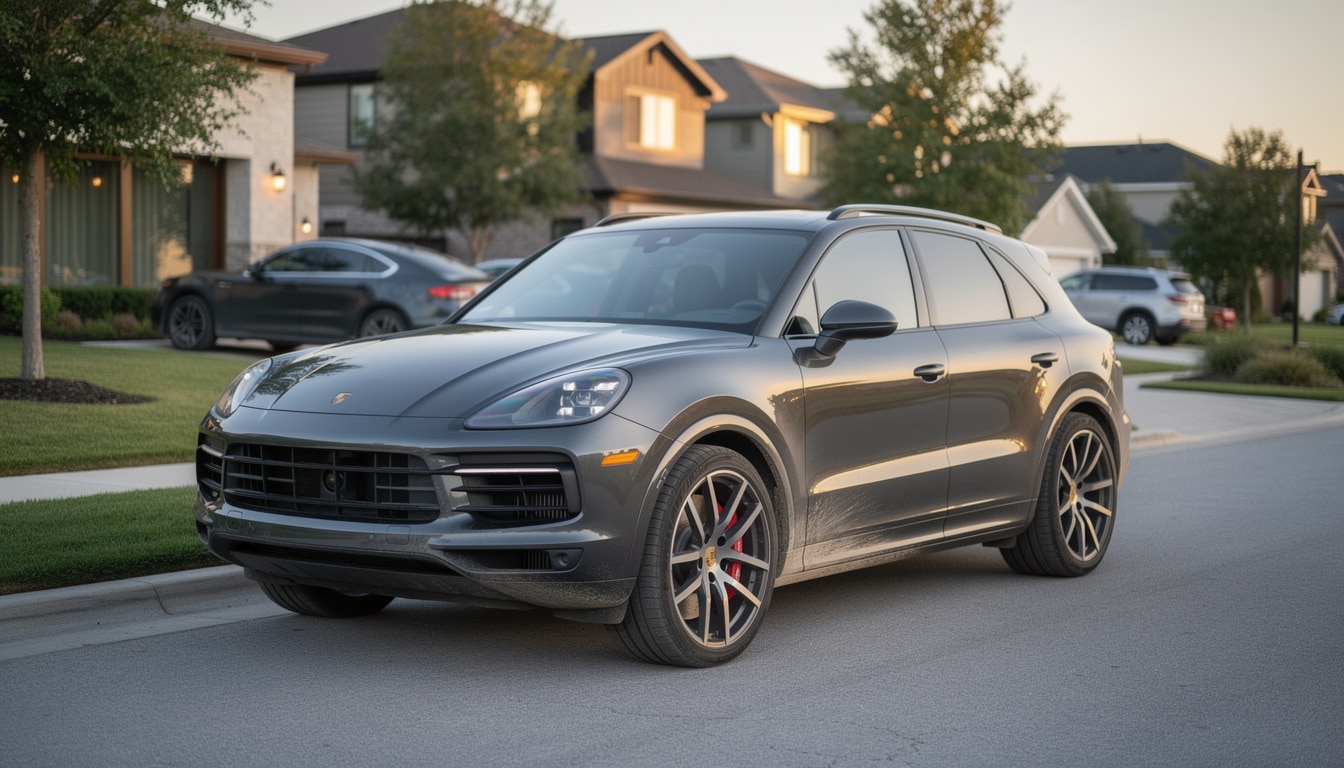
Given the Porsche Cayenne’s performance SUV nature, its suspension system endures significant stress. Air suspension components, prevalent in many models, can lose efficiency over time due to compressor or strut failures. Symptoms include sagging ride height, a bouncy feel, or suspension warning lights on the dashboard. Parts replacements, such as air struts, often range from £500 to over £1,000 per unit.
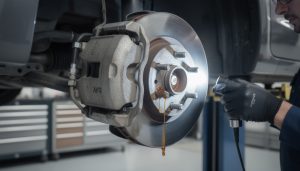
Traditional suspension elements such as springs and dampers also wear down but are generally less costly to repair or replace. Moreover, brake wear is notable given the Cayenne’s weight and power. Drivers who push the performance limits will need to budget for regular brake pad and disc replacement, often above £300 per axle. Tyre wear, particularly uneven outer-edge wear, is common without frequent alignment and rotation—costing approximately £150 to £300 annually for quality tyres.
Key Considerations Before Buying a Used Porsche Cayenne
Choosing the right used Porsche Cayenne demands more than just checking mileage and aesthetics. You need to evaluate whether the vehicle has been properly maintained, and if it aligns with your expectations for long-term durability and cost.
Assessing Porsche Cayenne’s Reliability and Value Proposition
The Cayenne stands out for retaining its value significantly better than many luxury SUVs like the Range Rover. Buyers looking for a used car with both driving thrill and reasonable ownership costs often find the Cayenne appealing. Proper upkeep often enables these vehicles to surpass 200,000 miles, a considerable benchmark for longevity.
Fuel economy is understandably compromised for performance, averaging between 18 and 25 miles per gallon depending on engine choice and driving style. Insurance and service costs are also on the higher side, reflecting the sophisticated engineering and premium parts involved.

Understanding Running and Maintenance Costs
Regular service and maintenance are crucial to preserving the Cayenne’s performance and reliability. Owners can expect to budget between £800 and £1,500 annually for upkeep, including oil changes, brake servicing, and replacement of wearable parts. While genuine Porsche parts tend to incur a premium, aftermarkets options are often available and can ease the financial burden.
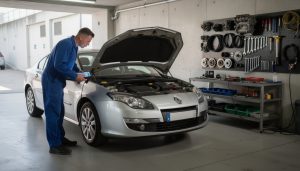
Certain faults, such as transmission issues or suspension repairs, should be anticipated, and buyers ought to factor these probable expenses into their overall budget. I always recommend obtaining a full service history to confirm routine maintenance has been upheld, especially concerning the cooling system and gearbox servicing.
Best and Worst Years for Porsche Cayenne Reliability
Not all Porsche Cayenne model years deliver equivalent reliability. Understanding which years offer the best dependability and which to avoid helps prevent costly ownership surprises.
| Model Year Range | Reliability Highlights | Known Issues |
|---|---|---|
| 2011–2014 (958 generation) | Fewer electronics; durable suspension; improved engine internals | Minor electronic glitches; manageable maintenance costs |
| Post-2015 | Upgraded cooling lines; stronger engine components; fewer major faults | Some early 2017 facelift models show ticking engines, electrical bugs |
| 2003–2006 (955 generation) | Early models with strong performance appeal | Leaky coolant pipes; air suspension defects; transfer case failures |
Before settling on a used Porsche Cayenne, I suggest a comprehensive inspection emphasizing water pump, transmission smoothness, suspension integrity, and evidence of electrical stability. Combining these checks with a thorough test drive will expose potential future costs and help you identify a well-maintained example worth investing in.

Practical Tips for Managing Porsche Cayenne Ownership Costs
Successfully owning a used Porsche Cayenne hinges on proactive maintenance and realistic budgeting. Below is a concise list of practical advice to maximize your ownership experience:
- Request complete service records focusing on critical repairs such as cooling system and gearbox.
- Prioritize test drives to identify shifting delays or unusual suspension noises early.
- Budget for maintenance: Expect to set aside £1,000+ annually for repairs and wear-and-tear.
- Consider trusted specialists for Porsche servicing to ensure quality upkeep and authentic parts.
- Use quality fuel and tires to maintain engine health and driving dynamics.
Is a used Porsche Cayenne a reliable daily driver?
With proper maintenance and careful selection of model year, a used Porsche Cayenne can be a very reliable daily driver, offering good longevity and solid performance.
What are the most common mechanical problems in a used Porsche Cayenne?
Key mechanical problems include water pump failures, fuel pump issues, oil leaks, and gearbox concerns, along with suspension component wear.
How expensive is it to maintain a Porsche Cayenne compared to other luxury SUVs?
Maintenance costs are higher than average SUVs but generally lower than some rivals like Range Rover, with typical annual costs around £800–£1,500.
Which Porsche Cayenne model years should I avoid?
Avoid early 2003–2006 models due to coolant pipe leaks and transfer case problems, and approach some early 2017 facelifts cautiously because of ticking engine reports.
Can DIY maintenance help reduce ownership costs of a Porsche Cayenne?
DIY is feasible for some maintenance tasks like fluid changes and minor repairs but complex components like air suspension and transmission repairs are best handled by professionals.