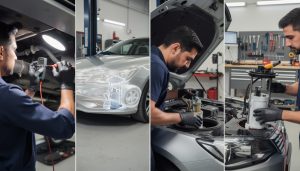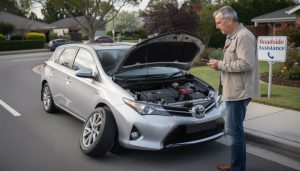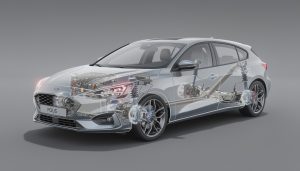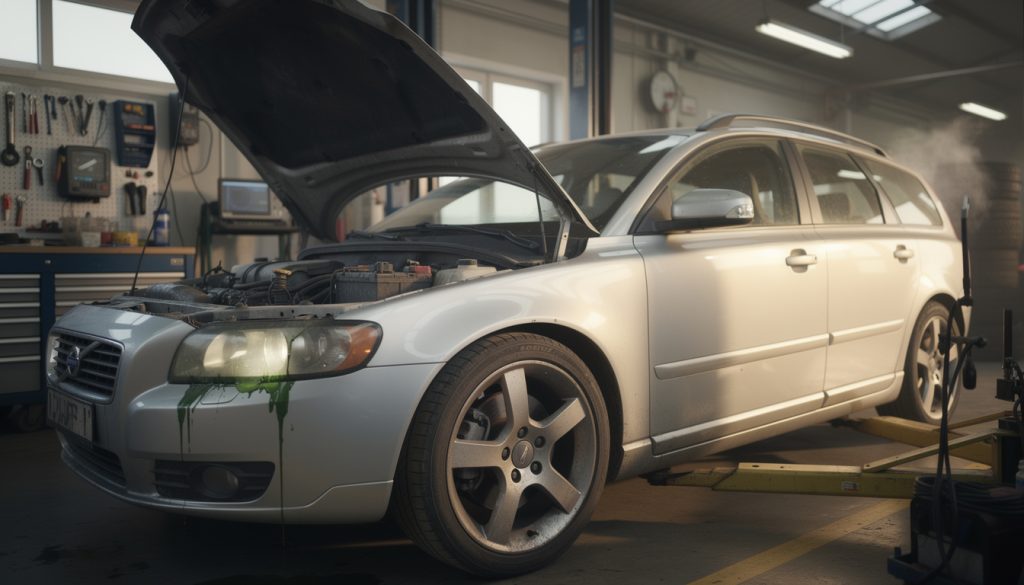
Exploring the history and reputation of the Volvo V50 sheds light on why this compact luxury estate car continues to attract enthusiasts and second-hand buyers alike. Produced from 2004 to 2012 as a successor to the Volvo V40, the V50 combines a sporty design with Volvo’s unmatched commitment to safety. Sharing its platform with the second-generation Ford Focus, this model aimed to offer drivers a more dynamic driving experience without compromising the quality and comfort expected from the Swedish marque. However, owning a Volvo V50 means understanding the common problems that may arise, especially as the vehicle ages in 2026. Staying informed about frequent issues such as engine troubles, suspension wear, and electrical faults helps owners maintain their cars properly and avoid costly repairs.
In this article, I will guide you through the most recurrent issues that owners encounter with the Volvo V50. We will dive deeply into specific mechanical and electrical faults, explore practical maintenance tips, and provide insights for potential buyers to make an informed decision. The goal is to offer a comprehensive, reassuring resource that positions you to keep your V50 running efficiently for years to come.
Key Takeaways:
- The Volvo V50 is praised for its safety and comfort but comes with typical wear and tear issues related to suspension, engine, and electrical systems.
- Common mechanical troubles include timing belt wear, turbocharger failures, and transmission issues that affect drivability.
- Routine maintenance and timely part replacements significantly reduce the risk of major repairs.
- Older Volvo V50 models may suffer from air conditioning condenser leaks and sensor failures impacting performance.
- Choosing the right model year and engine variant—such as the D4 diesel for balance or T5 petrol for power—will align better with individual usage needs.
Understanding the Most Frequent Suspension and Steering Problems in the Volvo V50
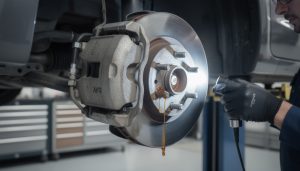
The driving experience of any car heavily depends on the quality of its suspension and steering components, and the Volvo V50 is no exception. One of the most frequently reported issues regards suspension wear, especially in the lower control arms and drop links. These components play a fundamental role in vehicle stability and comfort, absorbing road irregularities and ensuring precise handling.
Over the years, the rubber bushings in the control arms and ball joints tend to degrade. This deterioration manifests as knocking noises when driving over uneven surfaces or bumps. For anyone who owns or is considering buying a V50, recognizing these symptoms early on is critical to preventing further damage to tires or the steering rack. Ignoring these signs can severely impact safety and increase repair costs downstream.
Steering problems also frequently emerge on Volvo V50s. Oil leaks, worn power steering pumps, or issues within the steering rack can cause stiffness or a high-pitched noise during turns. In low-speed maneuvers, an inconsistent steering feel might be noticed, which can worry drivers. These symptoms should never be overlooked because they can affect control and increase accident risk.
For practical advice, it is essential to visually inspect suspension parts regularly and listen for unusual noises, especially in used vehicles with high mileage. When replacing worn components, using OEM (Original Equipment Manufacturer) parts ensures lasting quality and compatibility.
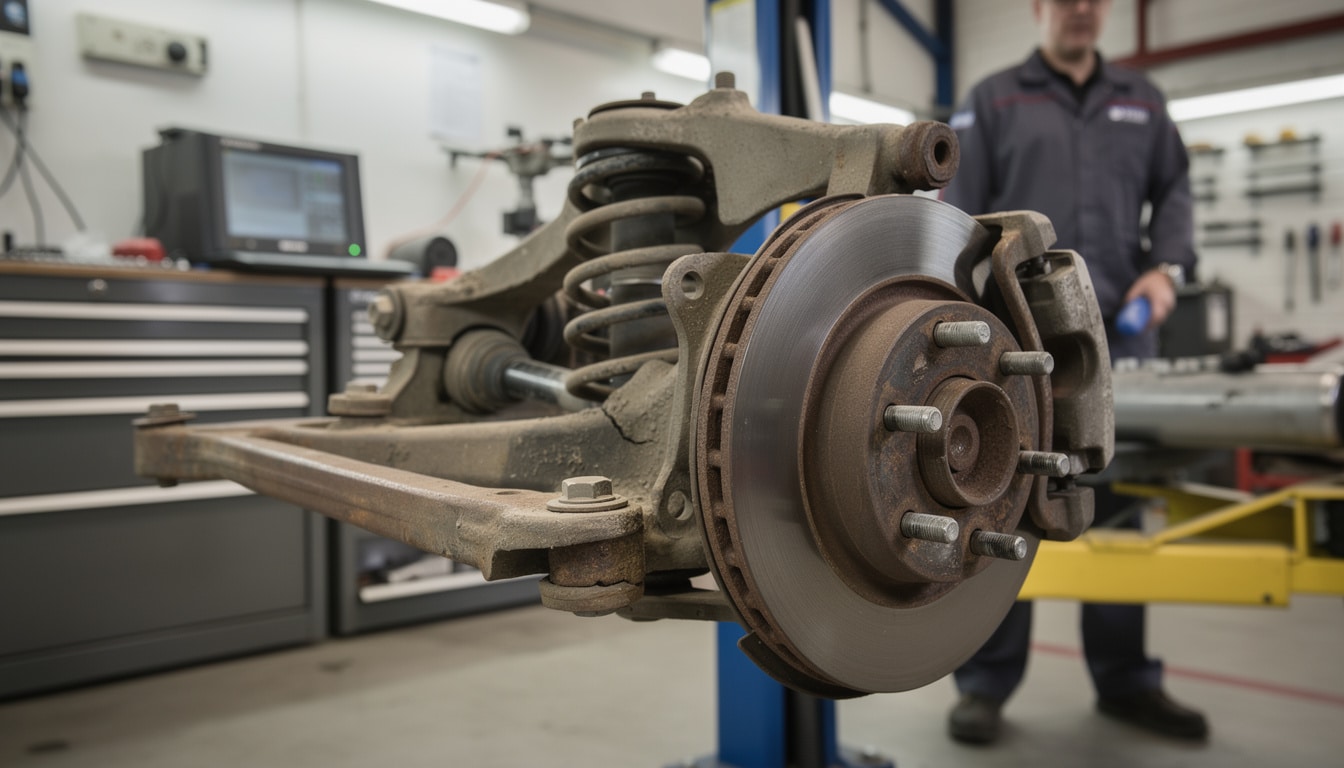
💡 Expert Tip: If you detect any clunking noises under your V50 while driving slowly over bumps, schedule a suspension check immediately. Early replacement of bushings and drop links can save you hundreds on wheel alignment and tire wear issues.
Engine Troubles and Drivetrain Care: What Volvo V50 Owners Must Know
Moving beyond the chassis, the Volvo V50’s engine and drivetrain present their own set of typical challenges that owners should be well aware of. One of the most critical components is the timing belt and tensioners. Situated inside the engine, they ensure synchronization between the camshaft and crankshaft, a key factor in proper engine operation.
Failure to replace the timing belt at recommended intervals can lead to belt wear or breakage—a catastrophic event that might cause severe engine damage, including bent valves and costly repairs reaching several thousands of dollars. Generally, the advice is to replace the timing belt every 60,000 to 100,000 miles depending on model year and driving conditions.
For diesel-powered V50s, Diesel Particulate Filter (DPF) issues are among the most reported. Short trips around town or congestion often prevent the DPF from reaching regeneration temperature, causing filter clogging. This presents as a loss of power, higher fuel consumption, or warning lights on the dashboard. Regular motorway drives or professional cleaning can mitigate this problem, but ignoring it might necessitate an expensive DPF replacement.
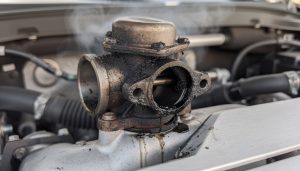
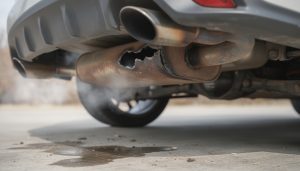
Another engine-related concern lies with the turbocharger on turbocharged petrol or diesel variants. Reports include white smoke emissions, loss of boost pressure, and strange noises during acceleration due to oil leaks or bearing wear. Maintaining oil quality and change frequency according to Volvo’s specs is crucial to turbocharger longevity and overall engine health.
The V50 is also prone to excessive oil consumption and leaks as it ages. Typical trouble spots include valve cover gaskets and oil pan seals. Not only do these leaks reduce engine oil levels, but they may also lead to internal wear or engine damage without timely intervention.
| Common Engine & Drivetrain Issues | Signs to Watch For | Recommended Action |
|---|---|---|
| Timing Belt Wear/Failure | Unusual ticking sounds, loss of power, engine hesitation | Replace per manufacturer’s mileage schedule |
| DPF Clogging | Reduced power, warning lights, poor fuel efficiency | Regular motorway drives or professional DPF cleaning |
| Turbocharger Problems | White smoke, loss of boost, engine noise | Maintain oil changes and inspect turbo regularly |
| Oil Leaks & Consumption | Oil spots under car, low engine oil level | Inspect and replace faulty gaskets or seals promptly |
Common Electrical Faults and Sensor Failures Affecting Volvo V50 Performance
Electrical faults rank among the primary concerns for many Volvo V50 owners. These can range from minor annoyances such as flickering lights to more hazardous problems like sensor failures disrupting engine management.
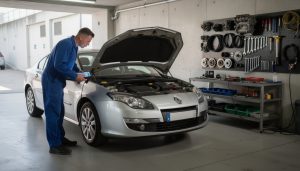
The V50 is often plagued by issues with sensors including the oxygen sensor, mass airflow sensor, and sometimes electrical control modules. Faulty sensors may cause the engine to run rough, fail emissions tests, or trigger the check engine light. Early diagnosis through diagnostic equipment is essential to prevent fuel inefficiency or further engine troubles.
Additionally, problems with wiring harnesses due to age-related wear and corrosion have been reported. These can cause intermittent faults in the dashboard display, faulty warnings, or failure of critical systems such as ABS brakes or airbags. In 2026, used Volvo V50s older than a decade often require careful electrical inspection as part of their maintenance routine.
Another noteworthy electrical issue involves the air conditioning condenser. With time, corrosion or physical damage leads to leaks, which degrade AC performance drastically. The symptom is generally warmer air or loss of climate control functionality. Replacing or repairing condensers is labor-intensive but necessary to maintain passenger comfort, especially during summer.

💡 Expert Tip: Always scan your Volvo V50’s ECU for error codes when a warning light appears. Many sensor issues can be fixed before escalating to costly repairs by acting early.
Transmission Issues and Their Impact on Volvo V50 Driving Experience
The drivetrain’s performance often defines a car’s reliability and driving pleasure. In the case of the Volvo V50, owners frequently report transmission issues that can complicate daily usage. Symptoms such as rough shifting, delayed gear engagement, or unusual noises during gear changes are red flags.
Automatic transmission models may slip or hesitate while accelerating, a phenomenon traceable to low transmission fluid levels or worn internal parts like clutch packs or solenoids. Manual gearbox versions, on the other hand, can present grinding noises or difficulties in engaging gears, typically caused by clutch wear or linkage problems.
Timely transmission fluid servicing, including fluid and filter replacement, helps avoid many of these issues. When you’re buying a used Volvo V50, pay close attention to gear shift quality during the test drive as it can reveal potential costly repairs ahead.
Furthermore, transmission problems can affect fuel efficiency and engine performance. Addressing them early not only improves drivability but also extends the life of the entire drivetrain system.

Practical Advice and Considerations When Choosing a Volvo V50 Model in 2026
For those in the market to buy a Volvo V50 as a reliable second-hand car in 2026, understanding the differences between model years and trims is critical. While the V50 enjoys a fair reputation overall, certain variants and years are better suited for particular usage.
The diesel-powered D4 in SE trim strikes a well-rounded balance with good power, fuel economy, and a host of desirable interior features, making it an excellent daily driver. Buyers who require more towing capacity might prefer the D5 model, known for its superior torque output but somewhat higher fuel consumption.
Those favoring petrol engines should look for the 2.0-litre versions, which typically offer a compromise between performance and running costs. Meanwhile, the lively T5 petrol variant delivers the highest horsepower and acceleration among V50s, though it demands more fuel and generally incurs higher maintenance expenses.
When purchasing, it is important to:
- Verify service history: Ensure regular maintenance has been completed, particularly timing belt and oil changes.
- Inspect suspension and steering components: Look for early signs of wear or noise.
- Test drive thoroughly: Pay attention to transmission smoothness and engine response.
- Check for electrical warning lights and climate control function: These often hint at hidden issues.
- Consider availability of spares: Fortunately, Volvo parts remain widely available, making repairs easier than with many competitors.
In 2026, the Volvo V50 still represents a compelling choice for buyers wanting a safe, comfortable compact estate, provided these common problems and maintenance necessities are well understood and managed.
Are Volvo V50 timing belts difficult to replace?
Replacing the timing belt in a Volvo V50 requires skill and proper tools but is a standard procedure when performed by a qualified mechanic. It is crucial to follow the recommended service intervals to avoid engine damage.
How can I tell if my Volvo V50 has a clogged Diesel Particulate Filter?
Signs of a clogged DPF include reduced power, higher fuel consumption, and warning lights on the dashboard. Regular long drives at higher speeds help prevent clogging. Professional cleaning is advised if problems persist.
What causes steering stiffness in the Volvo V50?
Steering stiffness may result from low power steering fluid, worn steering racks, or failing pumps. Identifying and fixing such issues early ensures safe handling and avoids further damage.
Are there common electrical sensors to watch in the Volvo V50?
Yes, sensors like the oxygen sensor and mass airflow sensor commonly fail and should be checked when performance drops or warning lights appear. Timely replacement maintains engine efficiency.
Is the Volvo V50 a reliable used car in 2026?
While older and requiring attentive maintenance, the Volvo V50 remains reliable if properly cared for. It combines comfort, safety, and reasonable running costs, making it a solid choice among luxury compact estates.