The Suzuki Vitara has firmly established itself as a reliable and practical SUV choice since its inception in 1988. Thanks to its durable Suzuki components, solid on-road handling, and appealing features, it remains a favorite among used car buyers in 2026. However, like all vehicles, it has its share of recurring issues that prospective buyers and current owners should be aware of. Understanding these common faults not only helps in making informed decisions but also ensures the longevity and safety of the vehicle.
Key Takeaways :
- The diesel particulate filter (DPF) is prone to clogging if oil changes are neglected.
- Brake callipers can seize after long periods of disuse, affecting stopping distances.
- The drive belt tension adjuster pulley recalls highlight potential spring failures.
- Coolant leaks may signal a cracked cylinder head, impacting engine performance.
- Suspension wear is common on models used for towing; thorough bounce tests are essential.
Common Suzuki Vitara Diesel Particulate Filter Issues and Their Impact
Among the frequent issues highlighted on the breakerlink blog, the diesel particulate filter (DPF) in Suzuki Vitara models stands out due to its vulnerability. DPFs are critical for limiting harmful particulate emissions, but their effectiveness hinges on regular maintenance, especially timely oil changes with quality fluids. Neglecting this routine can lead to a clogged DPF filled with soot and other residues, which compromises engine efficiency and triggers excessive exhaust smoke.
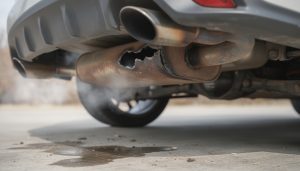
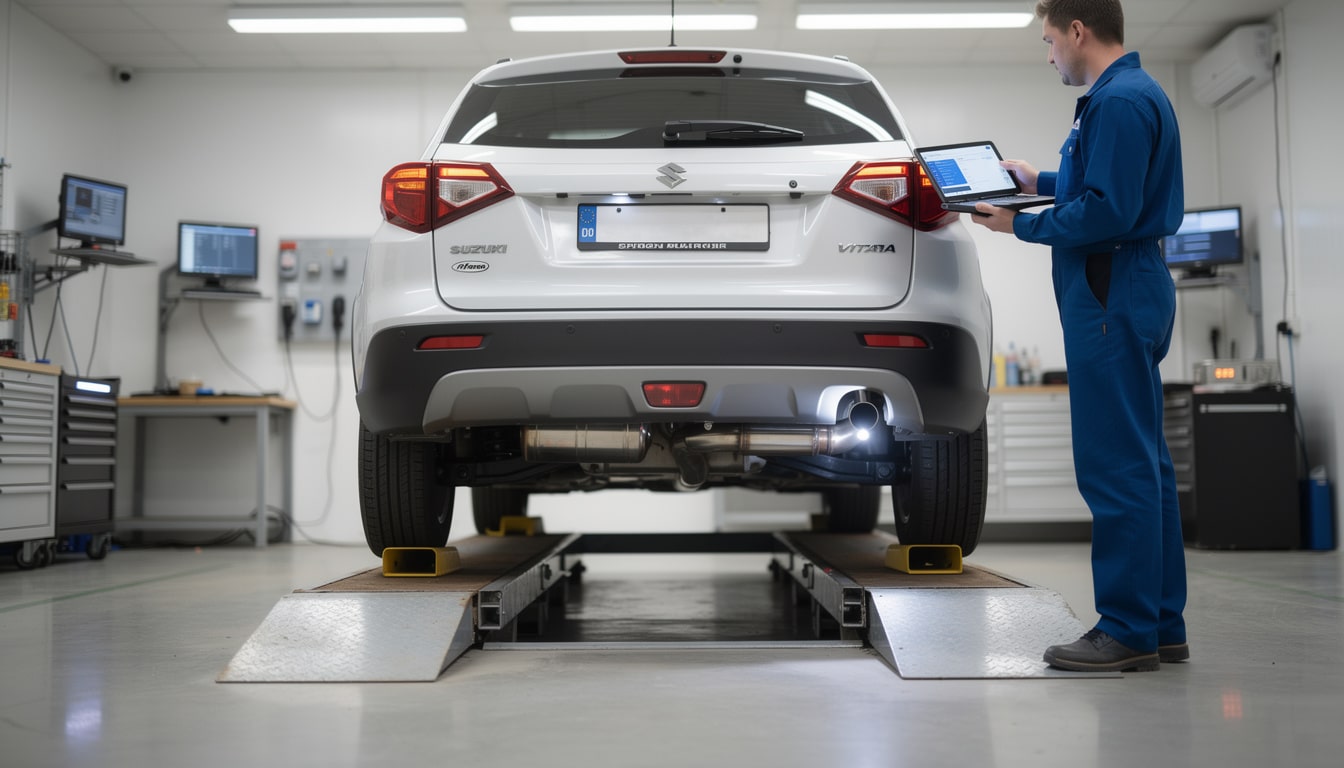
Dirty smoke visible at the exhaust after idling usually indicates a clogged DPF. When testing a used Vitara, observing the exhaust during and after a test drive is crucial. Excessive smoke not only compromises emissions but also signals the need for either an expensive DPF regeneration or full replacement, which can cost upwards of $1,000 depending on labor and parts. In addition to emissions issues, a failing DPF will often cause the vehicle to lose power and experience reduced fuel efficiency, which are clear symptoms a mechanic can diagnose easily.
Regular maintenance is the best defense. Vitara owners must adhere to the manufacturer’s oil change intervals and use oil that meets Suzuki’s specifications. Some owners may also consider occasional long drives at higher speeds to facilitate passive regeneration of the DPF, helping to burn off accumulated soot.
- Watch out for noticeable exhaust smoke after idling.
- Ensure oil changes align with Suzuki guidelines.
- Request service history to confirm proper vehicle maintenance.
- Consider professional DPF cleaning if clogging is suspected.
💡 Expert Tip: If you notice white or black smoke during an idle test, take the vehicle to a specialized mechanic immediately—delays can lead to costly damage beyond just the DPF.
Brake Calliper Seizing: A Hidden Danger in Unused Vitaras
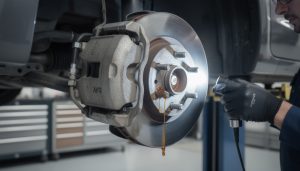
One less obvious, but fairly common issue in Suzuki Vitara vehicles, particularly those stored or left unused for long periods, is brake calliper seizing. Brake callipers are responsible for applying pressure on the discs, slowing down or stopping the vehicle. Over time, especially without regular use, these components can corrode or stiffen, hindering proper movement and jeopardizing road safety.
During vehicle inspections, I always recommend testing brakes over multiple speed ranges. If the car shows delayed stopping response or uneven braking pressure, seized callipers might be the cause. This degradation doesn’t just impact braking performance; it also accelerates wear on the pads and discs, potentially leading to uneven tire wear or more serious brake system failures.
Addressing this issue early saves money and prevents accidents. Brake callipers can often be cleaned, lubricated, or rebuilt to restore proper function without immediate replacement. However, in more severe cases, full replacement of the callipers might be necessary, with typical parts and labor costs averaging between $300 to $600 per axle. Always review the vehicle’s usage history, focusing on periods of inactivity, as this can inform the likelihood of brake-related issues.
- Test braking performance across a range of speeds.
- Inspect brake components visually for rust or stiffness.
- Ask previous owners about vehicle storage and activity.
- Schedule professional brake servicing if delays or noises occur while braking.
Recall Alert: Drive Belt Tension Adjuster Pulley and Its Consequences
The Suzuki Vitara was subject to a significant safety recall related to the drive belt tension adjuster pulley. This recall, which affected many models especially around 2011, addressed failures caused by a faulty internal spring within the pulley. A weakened spring compromises belt tension, risking slippage or complete belt loss, which can cause the engine to overheat or accessories like the alternator and power steering to fail suddenly.
If the recall was missed, owners might notice warning lights on the dashboard indicating issues with the engine or drive system. Even if told by sellers that these warnings are innocuous, it’s critical to take them seriously as unresolved pulley tensioner problems can lead to engine damage or roadside breakdowns. Repairing or replacing the tensioner system typically costs around $200 to $400, depending on model year and mechanic fees.
Ensuring recall histories are checked is a vital step when shopping for a used Vitara. If you spot a persistent warning light, it’s better to have a detailed diagnostic done sooner rather than later.
| Component | Common Issue | Symptoms | Typical Repair Cost |
|---|---|---|---|
| Diesel Particulate Filter (DPF) | Clogging from dirty oil or soot buildup | Excessive exhaust smoke, power loss | $1,000+ |
| Brake Callipers | Seizing from disuse or corrosion | Poor braking response, uneven wear | $300-$600 per axle |
| Drive Belt Tension Adjuster Pulley | Spring failure causing belt slack | Dashboard warning lights, engine noise | $200-$400 |
| Cylinder Head | Cracking due to coolant leaks | Oil patches beneath car, overheating | $1,200+ |
| Suspension (Towing Use) | Excessive wear leading to poor handling | Bouncy ride, poor road stability | $400-$1,000 |
Signs of Engine Coolant Leaks and Cylinder Head Damage
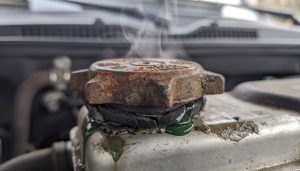
Leaks of oil and coolant under your Suzuki Vitara are red flags that should never be ignored. A cracked cylinder head is one of the gravest issues that can arise and often follows poor maintenance or overheating due to coolant system failures. When experienced, this fault can manifest through symptoms such as reduced engine performance, visible smoke from the exhaust, and overheating.
Checking beneath the chassis after parking is an effective first step. Look for untimely oil or coolant pooling, which suggests compromised seals or cracks. Ignoring these signs means risking total engine failure, which leads to very expensive repairs — often exceeding $1,200 for the cylinder head work alone. Regular coolant level checks and timely replacement of hoses and thermostats in the cooling system can prevent this problem. Recognizing early signs can save hundreds, even thousands, on future repairs.
💡 Expert Tip: Cooling system pressure tests during routine servicing detect minor leaks before they escalate into costly cylinder head damage.
Suspension Wear and Off-Road Damage: What to Check Before Buying
Many Suzuki Vitara owners appreciate its capability as an off-road SUV. However, this can lead to accelerated wear on critical systems such as suspension and bodywork. If you suspect the vehicle has been regularly used for towing or challenging terrain, inspecting suspension health is essential. A simple bounce test—firmly pushing the bonnet and watching the number of rebounds until stability—is a quick method; more than two bounces indicate worn dampers or springs.
Off-road use also increases the risk of damage to wheel arches, sills, and underbody components. Physical inspections should include:
- Checking for dents, cracks, or rust on wheel arches and sills.
- Looking underneath for frame damage or corrosion.
- Confirming no uneven tire wear which can also suggest suspension issues.
These damages might not immediately impair the vehicle but could significantly reduce its long-term value. Negotiating price reductions or reconsidering a purchase is wise if notable wear is detected. Especially for those prioritizing durability and less maintenance, keeping clear of heavily off-roaded Vitaras can be a sound strategy.

Understanding these frequent issues equips you, as a driver or buyer, with critical knowledge to manage or avoid costly car problems. Routine vehicle maintenance and careful inspection, along with utilizing breakerlink blog insights, ensure your Suzuki Vitara experience remains positive and trouble-free.

What are the symptoms of a clogged DPF in a Suzuki Vitara?
Excessive exhaust smoke, noticeable reduction in power, and decreased fuel economy are common indicators of a clogged diesel particulate filter.
How can I check if the brake callipers are seizing?
Test the stopping distance and responsiveness during a drive. Uneven braking, longer stopping distances, or a pulling sensation can suggest seized callipers.
Is the 2011 recall on the drive belt tension pulley applicable to all Suzuki Vitara models?
The recall primarily affected models around 2011, but it’s essential to check your vehicle’s history to confirm coverage and repairs done.
What basic checks can prevent cylinder head damage?
Regularly inspecting coolant levels and performing pressure tests can identify leaks early, preventing overheating and potential cylinder head cracks.
How can I evaluate suspension health if the car was used for towing?
Conduct a bounce test by pressing down on the car body; excessive bouncing indicates worn suspension components needing replacement.