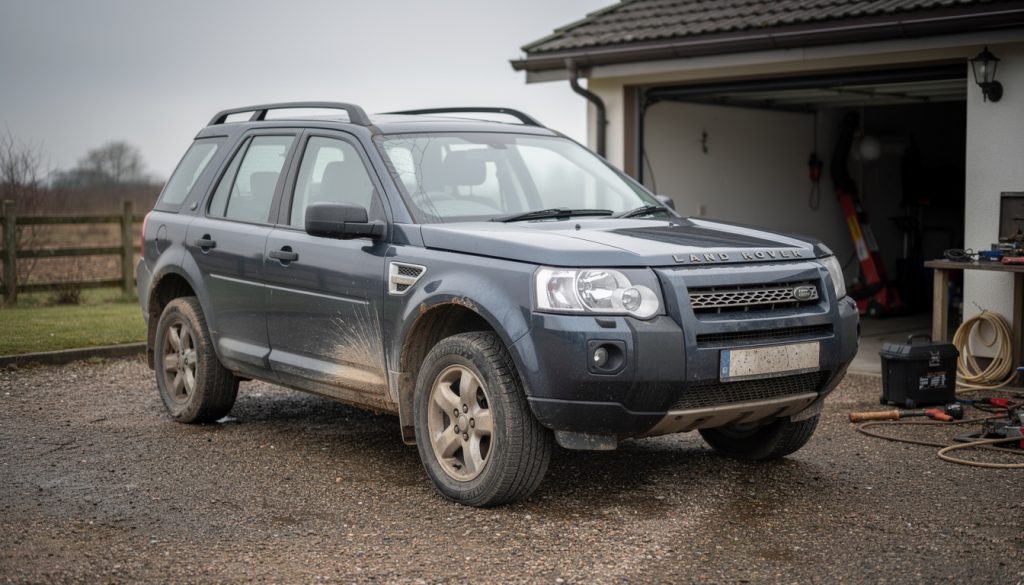
The Land Rover Freelander has long been a symbol of rugged style and off-road capability, turning heads with its iconic silhouette. Yet, beneath the surface of this attractive compact SUV lies a maze of common mechanical pitfalls that many prospective buyers of second-hand models might overlook. As someone who’s spent years diagnosing and repairing vehicles like the Freelander, I can tell you that understanding these issues upfront is essential before investing your hard-earned money. Buyers often wonder if a used Freelander will deliver reliable performance or become a constant source of repair headaches.
Delving into the specifics of known problems, from power steering warning signs to suspension wear and engine quirks, I’ll paint a clear picture of what to expect. You’ll also find actionable advice on what to check during a pre-purchase inspection to avoid costly surprises. This detailed breakdown is crafted to help you think twice before spending and to arm you with essential insights into second-hand Land Rover Freelander issues that matter most in 2026.
Key Takeaways :
- Common Freelander issues include power steering pump wear, sunroof leaks, suspension noises, and transmission troubles.
- Checking for uneven tire wear can signal suspension or alignment problems often overlooked.
- Engine concerns vary by model, with TD4 engines generally strong but K Series engines prone to costly head gasket failures.
- Electronic systems, especially electric windows and handbrakes, are frequent weak points in later models.
- Thorough pre-purchase inspection, service history review, and test drives on multiple terrains slash risks of future breakdowns.
Identifying Common Mechanical Issues in Second-Hand Land Rover Freelander Models
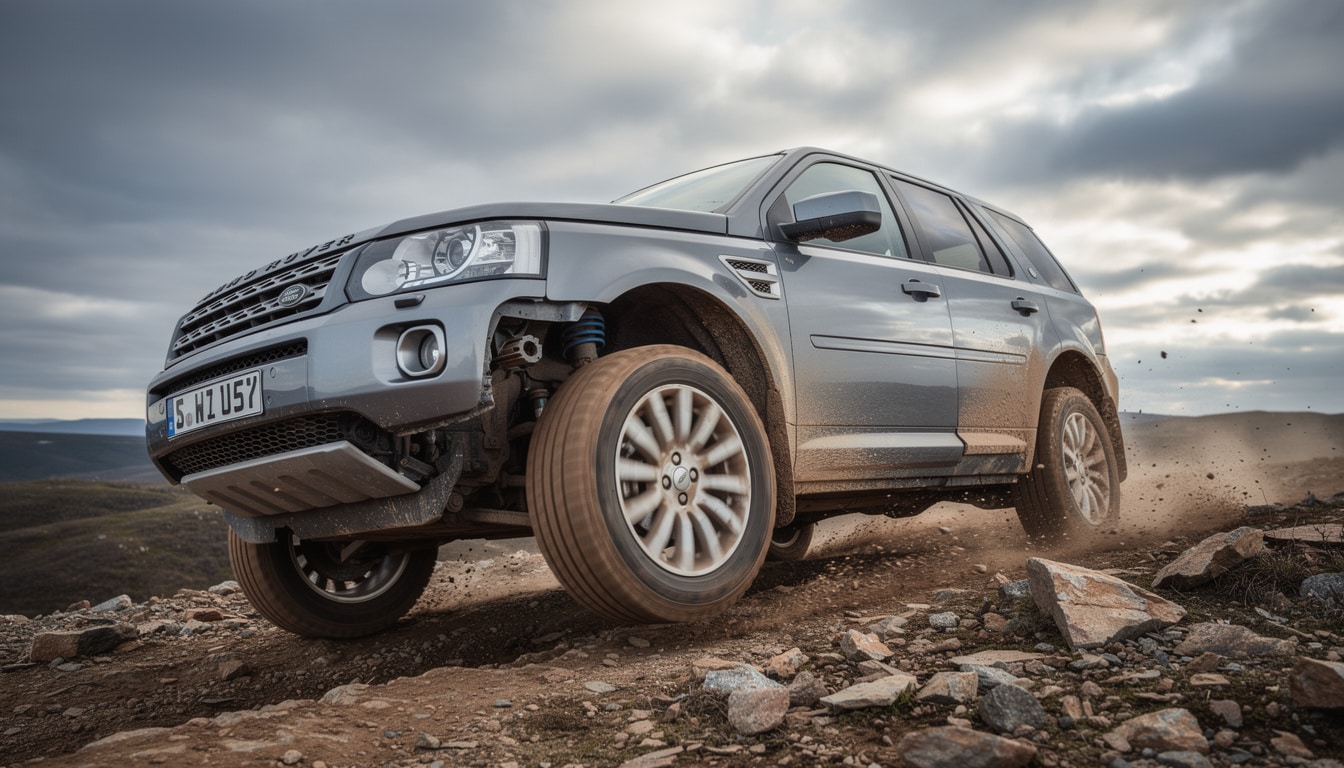
When considering a used Land Rover Freelander, it’s critical to be vigilant about the array of common mechanical problems these vehicles tend to experience. The Freelander is not a city-only vehicle—it’s built for rugged conditions, but this also means wear and tear can be more aggressive, especially on the suspension and steering components.
One of the most frequently reported problems is suspension and wheel alignment faults. Early signs you’ll notice are uneven or premature tyre wear, which points to tracking issues. These faults often originate from wear in the track rod ends or lower swivel bearings, shifting the wheel alignment out of spec. Ignoring this can lead to accelerated tyre replacement costs and imprecise vehicle handling, which impacts safety.
During your test drive, listen carefully for clonking noises from the rear suspension. These sounds often signify worn rear differential bushes or fatigue in critical components like top strut mounts. Particularly in 2026, many Freelander owners complain about mass damper wear on TD4 diesel models—giving rise to metallic rattles on uneven surfaces. Identifying these sounds can help you estimate upcoming repairs and prepare your budget accordingly.
Power steering is another major concern. If you hear a persistent whining when maneuvering at low speeds, the power steering pump may be losing pressure. This is an early alert that replacement could be necessary soon. Test the steering wheel’s full range of motion to detect any stiffness, which could indicate a failing steering rack—an expensive fix that can run upwards of $1200 depending on labor.
Sunroof issues also plague many Freelander models, especially those produced between 1997 and 2005. Early models often experience jamming problems, while later versions have leaking seals that allow water to seep into the interior. Make sure to manually operate the sunroof multiple times during inspection and check surrounding trim for signs of water stains or mold.
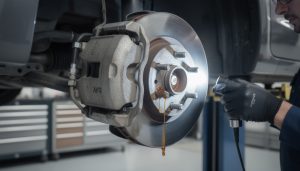
Don’t overlook handbrake performance. Older Freelanders sometimes feature loose ratchets that compromise the brake’s effectiveness. On slopes, the vehicle should remain securely parked without drifting. Electronic handbrake systems introduced in newer models also require careful functional testing, paying close attention to brake pad wear and electronic actuation.
Engine and Transmission: What Second-Hand Freelander Buyers Must Know
Engine and transmission issues are at the heart of many used car headaches, and the Freelander is no exception. The vehicle’s reliability largely depends on which engine variant it sports, alongside how previous owners maintained it.
The TD4 diesel engine is generally regarded as a robust powertrain option, sourced from BMW technology. However, buyers need to watch for symptoms such as rough idle, difficulty starting, or warning lights related to fuel pressure sensors. Faulty injectors and turbocharger pressure inconsistencies occasionally manifest, especially after extended mileage above 150,000 miles.
For petrol Freelander models equipped with the K Series engine, be alert to some costly-to-fix issues. One telltale sign of impending head gasket failure is the presence of oily residue in the coolant reservoir or a milky film under the oil filler cap. These symptoms point to coolant mixing with oil—a serious fault that, if left unattended, can cause engine overheating and catastrophic damage requiring engine replacement or rebuild, potentially exceeding $4000 in repairs.
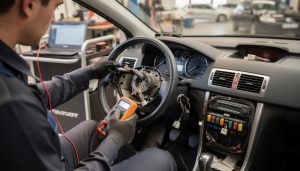
Early Freelander versions sometimes suffer from faulty wiring harnesses. This can cause intermittent electrical faults affecting the ignition, ABS, and other essential systems. A thorough electronic test using diagnostic tools is a must before committing to purchase.
Transmission failures are common and expensive. Groaning or creaking noises when pushing the vehicle at highway speeds often indicate gearbox wear. Given the cost and complexity of replacing or rebuilding a Freelander transmission, this is a red flag that should never be ignored. I advise you insist on a high-speed test drive in a safe area while carefully listening for these sounds.
Useful Checks for Engine and Transmission Health:
- Inspect oil and coolant levels for contamination or discoloration.
- Conduct a cold start to listen for rough idling and delayed ignition response.
- Test-shift through all gears on various road surfaces, noting any slipping or harsh engagement.
- Review the vehicle’s service history for regular oil changes and previous transmission work.
Electrical and Bodywork Reliability Challenges in Second-Hand Freelanders
Besides drivetrain troubles, electrical and bodywork issues are significant concerns for anyone looking at a used Freelander. Both have direct consequences on the vehicle’s usability and resale value.
Windows are a frequent source of trouble. The electric window regulators in many Freelander models wear down over time, leading to rear windows dropping below the seal line and exposing the interior to weather damage and road noise. This fault develops gradually but can escalate to complete window failure if left unaddressed.
Another frequent complaint is with the sunroof seal, which is critical to prevent leakages that cause mold or interior rust spots. Look carefully for water stains on the headliner and smells of dampness upon entry.
The vehicle’s body can reveal a history of rough use. The Freelander, built as a soft-roader rather than a hardcore off-roader, has limited ground clearance. Underbody damage is often hidden but can severely affect longevity, especially with rust formation. Models originating from coastal regions require special scrutiny for salt corrosion under the chassis.
Checking for intact rock plates and side panels is equally important. Missing or damaged plates can mean the vehicle has been heavily used off-road or neglected in maintenance.
When performing your inspection, pay attention to the condition of bumpers and visible scratches, as these impact both safety and future resale value.
Key Body and Electrical Checks
- Operate each window to identify slow or incomplete motion.
- Open and close sunroof repeatedly to detect jamming or seal flaws.
- Inspect underbody and wheel arches for rust and damage.
- Assess bumpers and rock plates for solid attachment and damage.
- Run a diagnostic scan to identify electrical faults.
Essential Pre-Purchase Tips for Second-Hand Land Rover Freelander Buyers
No amount of style or off-road reputation can replace due diligence when investing in a used Land Rover Freelander. Taking control of the buying process allows you to avoid frequent pitfalls and costly repairs.
Start by reviewing the vehicle’s full service history. Genuine Land Rover servicing and documented repairs significantly reduce surprises down the road. Always verify mileage against service stamps and use history checks to confirm the car’s background.
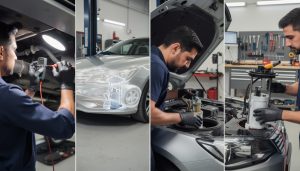
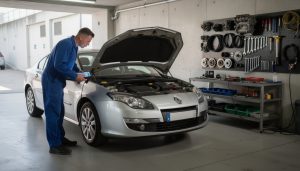
A comprehensive mechanical inspection by a specialist experienced with Land Rovers is invaluable. They will uncover hidden issues like suspension wear, engine codes, or transmission health that might not be obvious on a casual test drive.
Lastly, consider the resale market value relative to repair costs. While repairs can range from a few hundred dollars for seals and bushings to several thousand for major engine or gearbox components, a well-maintained Freelander can still be a rewarding SUV if bought with care.
Checklist Before Sealing the Deal
- Confirm the absence of warning lights after the engine warm-up.
- Test drive on varied terrain – urban, highway, and some rougher surfaces.
- Physically inspect undercarriage and body for corrosion and damage.
- Ensure all electronics, especially windows and handbrakes, function properly.
- Verify all keys, manuals, and service records are present.
Understanding Why Land Rover Discontinued the Freelander and Its Impact on Reliability
Land Rover stopped producing the Freelander in 2014, replacing it with the Discovery Sport. Though praised for solid off-road capabilities and style, the Freelander’s reputation for inconsistent reliability played a major role in its phase-out. Word-of-mouth and reviews highlighted recurring mechanical niggles that discouraged many buyers.
The Freelander was the first Land Rover available in front-wheel-drive, which was a double-edged sword. While it broadened appeal, it didn’t address some of the fundamental mechanical weaknesses that persist in second-hand versions today.
However, reliability varies widely between individual vehicles. Some Freelander owners report trouble-free ownership spanning years, while others encounter immediate problems post-purchase. This split highlights the primary factor in used Land Rover ownership: knowledge and caution at purchase.
Due to good availability of Land Rover parts in 2026 and a strong aftermarket support community, keeping a Freelander running well is entirely feasible for those willing to invest time and money into regular vehicle maintenance.
| Freelander Model Aspect | Common Issues | Potential Repair Cost | Risk Level |
|---|---|---|---|
| Power Steering | Whining noise, limited wheel turn | $700 – $1500 | Medium |
| Engine (TD4) | Fuel injectors, turbo pressure problems | $500 – $1000 | Medium |
| Engine (K Series) | Head gasket failure signs | $2000 – $4000 | High |
| Transmission | Groaning, gear slipping | $1500 – $3000+ | High |
| Suspension | Worn bushes, clunks | $400 – $1200 | Medium |
What signs indicate power steering failure on a Freelander?
A whining noise during steering and difficulty turning the wheel fully are clear indicators of power steering pump or rack problems.
How can I identify a failing head gasket in a used Freelander?
Check for oily residue in the coolant reservoir and a whitish, milky film under the oil filler cap; these symptoms often indicate head gasket failure.
Are transmission repairs common in second-hand Freelander vehicles?
Yes, groaning or slipping during gear changes are warning signs of potential transmission failure, which are expensive to repair or replace.
What electrical components commonly fail in used Freelander models?
Electric window regulators and handbrake systems are among the frequent electrical failures that owners encounter.
Is the Land Rover Freelander a reliable second-hand SUV?
Reliability varies. Many owners enjoy years of trouble-free driving, but common issues require thorough pre-purchase inspection to avoid costly repairs.