The Skoda Fabia has earned a reputation as a nimble and economical city car, combining practicality with affordability since its debut in 1999. As an evolution of the Skoda Felicia, it offers excellent fuel efficiency and reliable daily performance, making it a popular choice among drivers looking for a budget-friendly supermini. However, no vehicle is without its quirks, and owning or buying a second-hand Fabia means being aware of some typical issues that tend to surface over time. Understanding these common faults not only saves you from unexpected expenses but also ensures your Fabia remains a dependable companion on the road.
Key Takeaways:
- The Skoda Fabia strikes a fine balance between fuel economy and urban agility.
- Common issues include water leaks, dashboard electrical glitches, and suspension wear.
- Some Fabias encountered problems with the 7-speed DSG gearbox, mostly addressed by recalls.
- Regular oil checks are crucial due to the engine’s known oil consumption tendencies.
- Stability control system functionality is key for safety, especially in challenging weather.
Identifying Water Leaks and Their Impact on Skoda Fabia Reliability
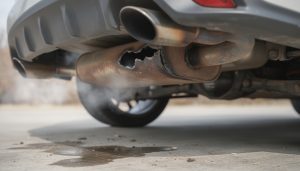
One recurring problem that I’ve come across with the Skoda Fabia involves water leaks, specifically around the passenger side front wheel area. When inspecting any used Fabia before purchase, spotting water puddles or dampness beneath the vehicle can be a telling sign. Usually, these leaks stem from a faulty windscreen washer pump, an often overlooked but necessary component.
While a malfunctioning washer pump doesn’t immediately impair the engine or driving dynamics, it can quickly become a nuisance, requiring frequent manual refills of washer fluid and compromising visibility during adverse weather. Replacing this pump is generally straightforward and affordable, but ignoring it risks impaired safety and added inconvenience.
Beyond just the washer pump, water ingress can sometimes creep into the cabin if seals around doors or windows have aged or been damaged. This can cause interior rust, electrical shorts, and mildew, which degrade vehicle health and comfort. Therefore, I always recommend performing a thorough water ingress test before buying a Fabia, using water sprays or driving through puddles at low speed to observe any leaks.
Steps to detect and mitigate water leaks:
- Inspect puddles or damp spots underneath the car after rain or washing.
- Check the operation and noise of the windscreen washer pump when activated.
- Examine door and window seals closely for cracks or wear.
- Ask the current owner for maintenance history related to sealing repairs.
- Replace faulty pumps or worn seals promptly to avoid extended damage.
Overall, water leaks remain a minor but frustrating issue that can influence Skoda Fabia reliability if left unattended.

Decoding Dashboard Electrical Glitches and Warning Lights
The dashboard in any modern car acts as an early warning system, alerting drivers to problems before they worsen. With the Skoda Fabia, some owners have reported persistent dashboard issues, particularly with the engine management light and steering warning light illuminating unnecessarily. These symptoms often arise from faulty sensors that misreport data to the vehicle’s ECU.
This situation can be troublesome because once a warning light is constantly lit, it diminishes your ability to spot genuine emergencies. For a buyer, a Fabia with these warning lights active should raise red flags since sensor malfunctions might hide underlying engine or steering faults.
Common reasons behind dashboard electrical issues:
- Degraded sensor connections or wiring harness problems.
- Software glitches in the onboard diagnostic system.
- Corroded or damaged sensor components needing replacement.
- Intermittent faults caused by vibrations or moisture ingress.
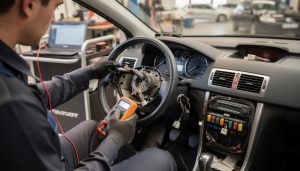
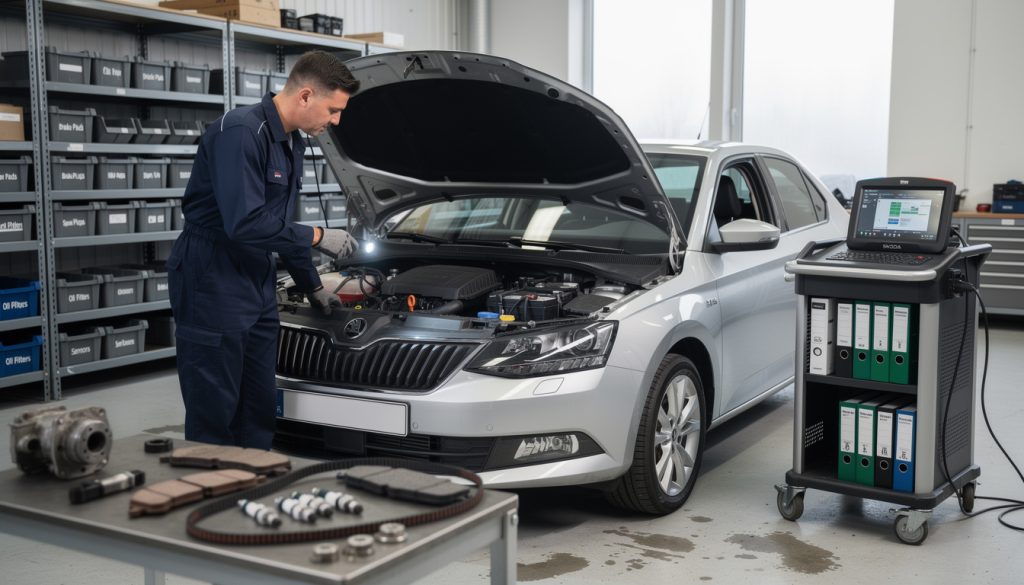
Rather than ignoring these illuminated icons as mere nuisances, it’s essential to use an OBD-II scanner to diagnose the exact fault codes. In my experience, most sensor-related issues are cost-effective to repair, and resetting warning lights without addressing the root cause only delays necessary maintenance.
Confirming that all dashboard indicators function correctly before buying guarantees the Skoda Fabia you’re considering is being maintained properly. Always demand that any warning lights be fixed prior to purchase, or factor in repair costs to your budget. Repairing sensor faults often involves replacing components priced between $50 to $150, with labor costs varying by workshop.

Suspension Dynamics: What to Expect and How to Check Fabia’s Ride Quality
The Skoda Fabia’s suspension is known to offer a somewhat firm ride, a trade-off for sharp handling and stability in urban environments. However, owners sometimes report excess bouncing or harshness caused by wear or failure of suspension components, which can compromise comfort and safety.
Testing suspension health is simple but critical. I usually recommend the “bounce test”: press down on the front hood with significant force and observe how quickly the car settles back. If the Fabia bounces more than two or three times, it’s a sign worn shock absorbers or springs need replacement.
Faulty suspension causes several symptoms:
- Reduced vehicle stability over bumps and corners.
- Uncomfortable vibrations and harsh ride quality.
- Increased tire wear due to poor wheel alignment.
- Potential increased braking distances from unstable chassis.
Models suffering from suspension wear typically require component replacements including shock absorbers, coil springs, and linkages. Fortunately, genuine Skoda parts are widely available and relatively affordable compared to premium models, usually ranging from $100 to $300 per component depending on specification and installation method.
Maintaining optimal suspension condition not only preserves driving pleasure but more importantly enhances your vehicle’s safety on unpredictable roads.
💡 Expert Tip: Perform the bounce test regularly and incorporate a suspension check during each service. Addressing worn shocks early avoids additional damage to other chassis components and provides smoother handling.

Assessing the Stability Control System for Enhanced Driver Safety
The dynamic stability and traction control system (ESC/ASR) plays a vital role in maintaining vehicle control, especially on slippery roads common during winter or rainy seasons. The Fabia is equipped with this technology, but its proper functioning is not guaranteed on older or neglected vehicles.
Checking stability control involves ensuring warning lights on the dashboard extinguish shortly after starting the engine. The system should engage without triggering persistent error indicators. A functional ESC system stabilizes the car when oversteering or understeering occurs, preventing loss of control.
If the system is faulty, drivers may notice handling difficulties especially on uneven or icy surfaces, a dangerous compromise for everyday driving. Possible reasons for system malfunction include sensor damage, wiring problems, or faults within the ABS control module.
Repairs can range from simple sensor replacements costing about $100 to more complex electronic module repairs, potentially pushing costs to $600 or more. Given the safety implications, I always prioritize a working stability control system during inspections.
Checklist for verifying stability control readiness:
- Start the vehicle and observe the dashboard—warning lights should turn off after a few seconds.
- Ask the seller to demonstrate activation and deactivation of the system.
- Test drive on different road conditions to sense any loss of control or warning signals.
- If system faults are suspected, schedule a diagnostic scan immediately.
Maintaining this system’s integrity is crucial to enjoying the Fabia’s reputed Skoda reliability and peace of mind on challenging routes.
Understanding Common Engine Issues: Oil Consumption and Gearbox Concerns
The Skoda Fabia’s engine has gained some notoriety for elevated oil consumption. This trait means the engine regularly requires monitored oil top-ups to prevent rapid wear and overheating. If a previous owner neglected oil maintenance, signs such as smoke from the exhaust or noisier operation could indicate underlying damage.
Consistently low oil levels accelerate engine wear, damaging critical components such as piston rings, cylinders, and turbochargers. For prospective buyers or current owners, routine oil checks every 1,000 miles are essential, particularly on older Fabias.
Another crucial factor to consider is the 7-speed DSG gearbox fitted on some Fabias. Earlier production models occasionally experienced chemical changes in the gearbox oil, causing sudden system failures on the road. VW and Skoda addressed this through recalls, so verifying recall history is mandatory when purchasing models equipped with this gearbox.
Failing gearboxes commonly present with symptoms such as:
- Jerky or delayed gear changes, especially shifting between 1st and 2nd gears.
- Warning lights related to transmission abnormalities.
- Unexpected loss of power or inability to engage certain gears.
Repair or replacement of the DSG gearbox can be costly, with average prices ranging from $2,000 to $3,500, depending on labor and availability of used or remanufactured units.
| Problem | Symptoms | Cause | Remedy | Estimated Cost |
|---|---|---|---|---|
| Oil Consumption | Frequent oil top-ups, exhaust smoke | Poor maintenance, worn piston rings | Regular oil checks, engine overhaul if severe | $100 (routine) to $2,500 (engine rebuild) |
| DSG Gearbox Failure | Jerky shifts, warning lights | Chemical oil degradation | Recall check, gearbox service or replacement | $2,000 to $3,500 |
Being proactive with maintenance and recalls will keep your Fabia’s engine issues manageable and the ride enjoyable.
💡 Expert Tip: Regular oil analysis and timely gearbox fluid changes can extend your Skoda Fabia’s engine and transmission lifespan significantly.
Whether you’re upgrading your ride or troubleshooting your current Fabia, keeping an eye on these known problem areas along with routine maintenance ensures the vehicle’s durability and your driving satisfaction. For affordable replacement parts like engines, gearboxes, or suspension components, resources such as the BreakerLink parts directory offer reliable options that fit your budget.

What are common signs of water leaks in a Skoda Fabia?
Look for puddles of fluid near the passenger side front wheel, damp carpets inside the car, or malfunctioning windscreen washer pump symptoms like weak spray or no spray at all.
How can I tell if the Fabia’s suspension needs repairs?
Perform a bounce test on the bonnet; if the car keeps bouncing more than twice, the shock absorbers or springs likely need replacement. Also, note any excessive vibration or harshness on uneven roads.
Is it safe to buy a Fabia with dashboard warning lights on?
Persistent warning lights usually indicate sensor faults or underlying issues. It’s best to diagnose and have these faults repaired before purchasing to avoid hidden problems.
What should I check about the Fabia’s DSG gearbox before buying?
Confirm if the vehicle was part of the 7-speed DSG recall and check for symptoms like jerky shifts or transmission warning lights. A diagnostic scan can uncover transmission faults.
How often should oil levels be checked on the Skoda Fabia?
Given the Fabia’s tendency for oil consumption, check oil levels every 1,000 miles and top up as needed to prevent engine damage.