Visibility on the road remains paramount for driver safety, and it’s crucial to keep your windscreen spotless at all times. Windscreen washers, often overlooked, play a vital role in maintaining this clear view by spraying a potent mix of water and detergent to remove dirt and grime. Mastering the art of perfectly adjusted windscreen washers goes beyond just spraying fluid—it ensures the jet hits the right spot for optimal cleaning. In this article, I’ll walk you through actionable techniques, common issues, and precise adjustments to keep your car maintenance routine sharp and your windshield clear.
Key Takeaways :
- Proper nozzle alignment guarantees efficient windshield cleaning and optimal visibility.
- Checking spray patterns is the first step to diagnosing washer performance issues.
- Regular cleaning of nozzles prevents blockages and spray misdirection.
- Simple adjustments with a pin or needle can restore washer jet precision quickly.
- Persistent problems may require professional inspection to avoid damage.
The Critical Role of Windscreen Washers in Car Maintenance and Safety
It’s easy to underestimate how critical windscreen washers are until you find yourself driving through muddy or dusty conditions, or worse, face sudden environmental debris like bird droppings or splashes from a puddle. When your visibility is compromised, the washers become an immediate safety tool, restoring your clear view with a spray of fluid. This system combines water and a cleaning detergent specially formulated for removing stubborn grime without damaging the glass or vehicle paint.
The washers work by spraying a focused jet of fluid through nozzles positioned near the windshield. Most modern cars feature front washers above the bonnet close to the windscreen, in positions carefully chosen to optimize spray coverage. Some vehicles also include rear washers for the back window. The synergy between washers and wipers maximizes cleaning efficiency by loosening and removing dirt effectively. Without precise alignment, however, these systems lose their impact, leaving spots missed or wasting fluid.
Good car maintenance isn’t just about engine and brake care; it also involves ensuring that auxiliary safety systems like windscreen washers function flawlessly. In 2026, this remains a core task within routine servicing, especially as visibility demands increase with the wider use of advanced driver-assistance systems (ADAS), which rely heavily on sensor and camera clarity. Poor washer adjustment could inadvertently affect such systems, highlighting why mastering nozzle alignment is more important than ever.
Common issues such as clogging from dirt buildup or nozzle misalignment are simple faults that cause a disproportionate drop in performance. Understanding these causes helps drivers react promptly before safety risks escalate.
Diagnosing Windscreen Washer Problems: Spotting Symptoms and Solving Root Causes
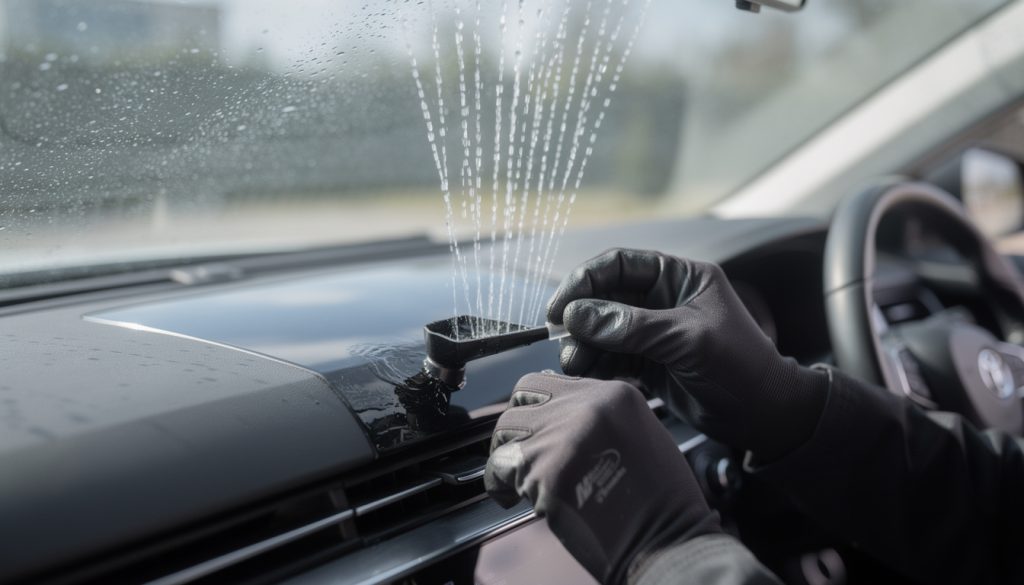
Identifying a problem with your windscreen washers starts with observing the spray pattern during use. An ideal spray covers the windshield adequately with a fine, mist-like jet that disperses evenly. Symptoms of issues include:
- Spray hitting areas off the windscreen, such as the bonnet or beyond the glass.
- Weak or inconsistent spray flow, suggesting nozzle blockage or pump issues.
- Complete absence of fluid or delayed spraying despite washer activation.
- Spray sprays in multiple directions or dispersed erratically.
Often, the root cause boils down to clogged or misaligned nozzles caused by dirt ingress or vehicle vibrations shifting the nozzle position over time. Windscreen washer fluid quality also affects performance; thick or contaminated fluid can obstruct the jets. Ensuring the reservoir is filled with a recommended washer fluid helps maintain optimal flow.
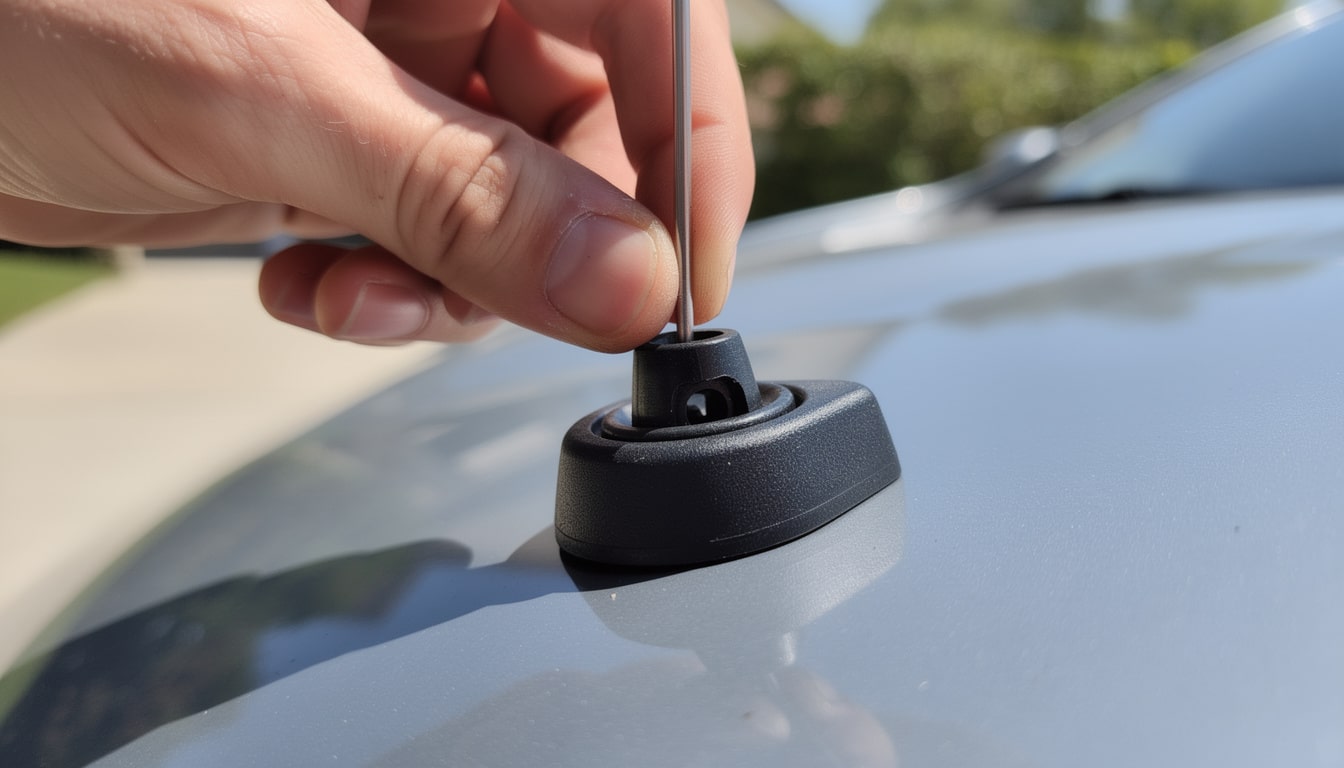
Preventative maintenance is simple but essential. Regular inspection and cleaning of the nozzles prevent blockages. Using a needle or pin to clear the nozzle opening gently removes hardened dirt or dried detergent. This step requires care to avoid damage; excessive force can distort the plastic nozzle and degrade the spray pattern permanently.
Occasionally, malfunctioning washer pumps or degraded tubing connections result in inadequate pressure, reducing the output jet strength. In such cases, adjusting nozzles alone won’t suffice, and a mechanical inspection is warranted to replace failing components.
💡 Expert Tip: When cleaning nozzles, avoid sharp or metal objects that can enlarge the hole; use a fine sewing needle or safety pin for gentle, precise cleaning.

Step-by-Step Process for Precision Windscreen Washer Adjustment
Once you identify an irregular spray pattern, corrective adjustment is straightforward with just a few simple steps. I’ll guide you through the process that anyone with minimal mechanical knowledge can handle in under 10 minutes.
Step 1: Evaluate Your Spray Pattern
Begin by parking your car in a safe location. Activate the windscreen washers and observe the fluid jet. If possible, have someone assist by triggering the washers while you watch. Notice where the spray lands—too high indicates the nozzle aims above the windshield, and too low means it sprays onto the bonnet. Sideways misalignment will leave fluid hitting the edges or completely missing the glass.
Step 2: Locate the Washer Nozzles
On most vehicles, nozzles rest near or on top of the bonnet, close to the base of the windscreen. Others might hide under the bonnet edge, so consult your vehicle manual to find the exact position. Clear visibility and access make the adjustment easier.
Step 3: Clean and Adjust Nozzles
Make sure the washer system is off and the wiper blades are in their rest position. Using a thin needle or safety pin, insert gently into the nozzle hole to clear any blockage, moving in a circular motion if necessary. Then, carefully push the pin against the jet opening to alter the nozzle’s angle. Aim the nozzle to direct the spray towards the center portion of the windscreen for maximum coverage.
Adjust all nozzles individually if multiple jets are present. Be cautious not to apply excessive pressure that could damage the nozzle’s plastic components. Remember external factors like wind speed can influence spray trajectory, so make small incremental changes and test repeatedly for best results.
Step 4: Validate Your Adjustment
Reactivate the washers to confirm the new spray angle covers the windshield effectively. Minor refinements may be necessary until you achieve full, precise coverage. Consistency here ensures reliability in all weather conditions, an important aspect for safe driving.
Commonly, this small adjustment procedure eliminates the need for costly repairs while significantly enhancing your windshield cleaning system. It’s a quick win for any driver prioritizing road safety.

Understanding Repair Costs and When Professional Help is Needed
While nozzle cleaning and alignment are DIY-friendly, some windscreen washer issues require professional intervention. This includes pump motor failures, electrical faults in the washer system, or damaged reservoir components.
Typical costs for windscreen washer repairs in 2026 range from:
| Repair Type | Estimated Cost (USD) | Severity |
|---|---|---|
| Nozzle Cleaning & Adjustment | $0 – $20 (DIY) | Low |
| Washer Pump Replacement | $80 – $150 | Medium |
| Reservoir Repair/Replacement | $100 – $180 | Medium |
| Electrical Component Repair | $120 – $250 | High |
Adopting regular inspection routines can avoid much of this cost by preventing nozzle blockages and alignment drift. If you notice persistent poor spraying despite adjustments, consulting a mechanic ensures safety and avoids further damage.
💡 Expert Tip: In colder climates, use washer fluid with antifreeze properties to prevent nozzle freeze-ups, which can cause blockages and pump strain.
Essential Checks and Tips for Long-Term Windscreen Washer Performance
Maintaining perfectly adjusted windscreen washers requires ongoing attention along with smart habits that extend system longevity.
- Regularly inspect nozzle spray patterns to catch issues before they escalate.
- Keep the washer fluid reservoir topped up with quality fluid designed for your climate and vehicle specs.
- Clean nozzles periodically, especially after long trips or exposure to dusty conditions.
- Avoid mixing homemade solutions in the tank, which can clog or degrade nozzle performance.
- Check hoses and connections for leaks or damage during routine car maintenance.
Another useful approach is to run your washers regularly under normal driving conditions, even when the windshield looks clear. This prevents stagnation and helps maintain fluid flow. These simple steps bring precision back to your windscreen washer system, ensuring clear visibility whenever you need it.
Mastering the art of perfectly adjusted windscreen washers is an often-overlooked but crucial piece of car maintenance that directly impacts your safety. A clear windshield combined with efficient washer jets creates a safe driving environment no matter the conditions.
Why is my windscreen washer fluid not spraying?
This often results from clogged nozzles, an empty fluid reservoir, or a malfunctioning washer pump. Cleaning the nozzles or refilling the reservoir usually resolves common issues.
How do I properly adjust my windscreen washer nozzles?
Use a thin needle or pin to gently unblock and aim the nozzles. Adjust the angle so the spray hits the windshield center for optimal coverage.
Can I use tap water in my washer fluid?
It’s best to avoid tap water due to mineral deposits that cause blockages. Use recommended washer fluid for better performance and protection.
How often should I clean the washer nozzles?
Inspect and clean the nozzles every 3-6 months or sooner if you notice spray issues, especially after driving in dusty or muddy conditions.
Is it expensive to repair windscreen washer issues?
Minor adjustments are cheap or free if done yourself. Pump or electrical repairs may cost between $80 and $250 depending on the fault.