The Citroën C4 stands out in the compact car segment with its unique design, flexibility across body styles, and variety of engines including petrol, diesel, and electric. Yet, many owners have reported several recurring issues, ranging from engine troubles to interior quality concerns. Understanding these common problems can help current and prospective owners troubleshoot efficiently, avoid costly repairs, and maintain peak vehicle performance.
Key Takeaways :
- Frequent gearbox issues: Automatic models often suffer from jerky shifts and potential failures.
- Electrical faults: Central locking, dashboard warning lights, and climate control are common problem areas.
- Brake wear: Front brake pads wear out quickly, typically under 20,000 miles, requiring timely replacement.
- Suspension noises: Creaks and knocking over bumps often point to worn components needing service.
- Interior trim durability: Premature wear and rattling plastic parts affect cabin comfort and value.
Common Mechanical Problems in the Citroën C4: Identifying Engine and Transmission Issues
When it comes to mechanical reliability, the Citroën C4 is known for some specific challenges, particularly with its gearbox and engine components. From the outset, automatic gearbox failures have been a persistent complaint. Owners frequently report jerky or hesitant gear shifts, especially in versions equipped with the 1.6 petrol automatic transmission. This not only affects driving comfort but may also mask deeper transmission faults that can lead to costly repairs or even the need for a full gearbox replacement, which can easily exceed £1,500 in parts and labor.
The manual gearboxes aren’t free from issues either. Several drivers note stiff or abrupt gear changes, which are often linked to wear or maladjustment of the clutch or gear linkage components. Moreover, problems with the steering rack have been observed, causing a vague steering feel and excessive play. This demands immediate attention, as a faulty steering rack impacts vehicle control and safety.
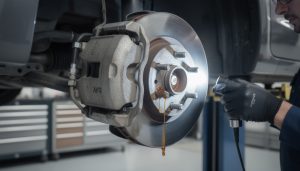
Another mechanical weak spot lies in the braking system. The front brake pads on the Citroën C4 usually require replacement at around 18,600 miles, a shorter lifespan than average for compact cars. Skipping this maintenance can lead to worn brake discs, which begin to vibrate and squeal, jeopardizing braking efficiency. The rear brake components last longer, frequently up to 50,000 miles, but it’s best to time rear replacements appropriately to maintain balanced braking.
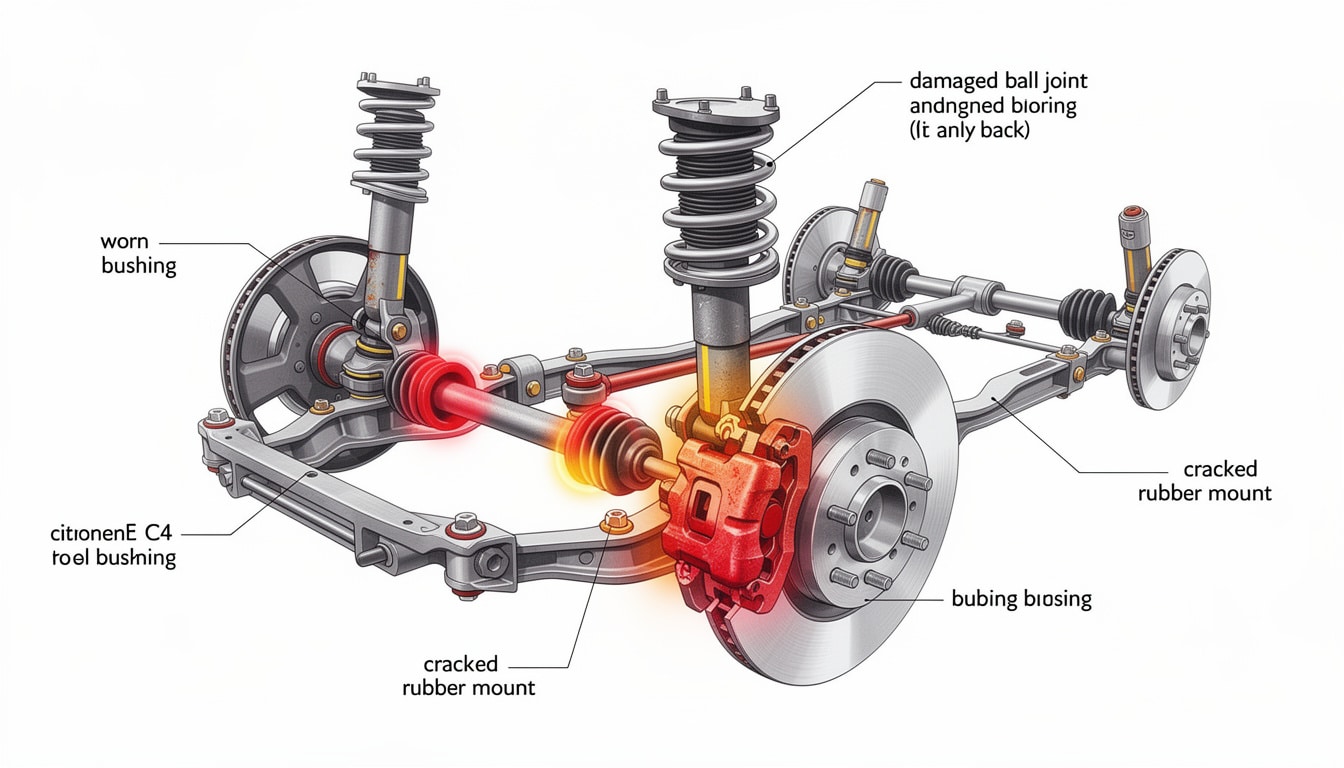
Suspension troubles further complicate matters. Reports of creaking or knocking sounds over uneven surfaces are prevalent among C4 owners. These sounds are often attributed to deteriorated shock absorbers, worn bushings, or failing struts. Uneven tire wear frequently accompanies these symptoms, signaling misaligned suspension geometry or damaged parts. Ignoring such symptoms increases wear on tires and may impair vehicle handling.
💡 Expert Tip: Regular suspension inspections every 15,000 miles can prevent costly replacements and improve driving comfort significantly.
Electrical Faults and Dashboard Warning Lights: Diagnosing Troubles in the Citroën C4
Electrical issues in the Citroën C4 range from minor inconveniences to significant faults affecting drivability. Central locking failures are one of the most reported complaints. They often leave doors unable to lock or unlock remotely, forcing manual operation. This can be due to failing door actuators or wiring faults – components not overly expensive to replace but frustrating in daily usage.
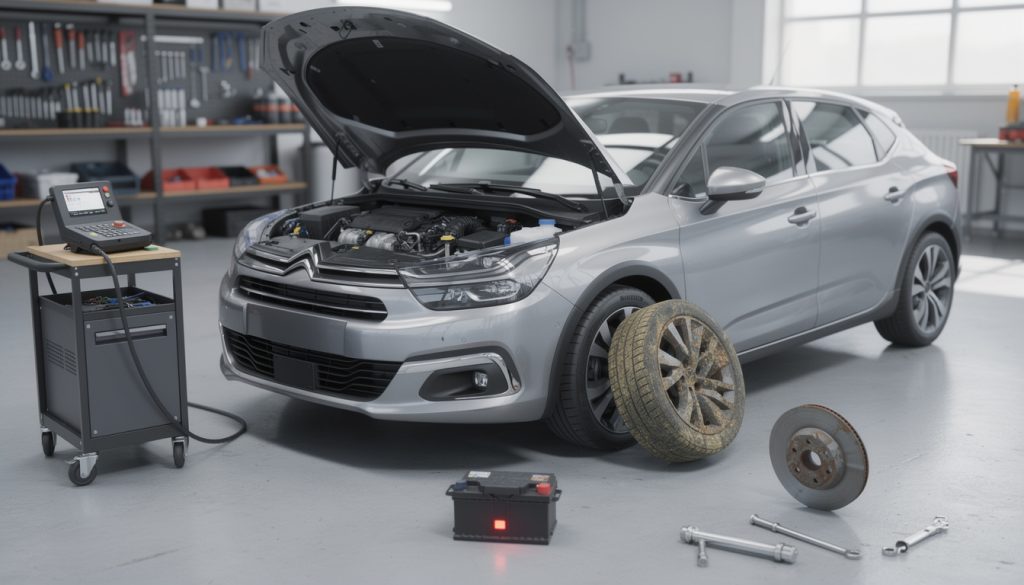
Dashboard warning lights frequently pop up without an immediately obvious cause. These random alerts sometimes involve the engine management system, ABS, or airbags. Many of these issues stem from faulty sensors or loose electrical connections. A professional diagnostic scan using the car’s OBD-II port helps pinpoint specific error codes, eliminating guesswork in repair efforts.
Climate control systems on the C4 also exhibit a variety of malfunctions. Owners often find their air conditioning unable to maintain a consistent temperature, sometimes due to insufficient refrigerant or a failing compressor. Rattling noises from the A/C compressor signal imminent failure and should prompt timely replacement. Damage to the condenser, often from road debris, also lowers cooling efficiency.
Throttle valves and expansion valves within the system can become clogged or damaged, freezing airflow and causing inconsistent interior temperatures. The heat exchanger and thermostat further contribute to climate control performance and require inspection if symptoms persist.
💡 Expert Tip: When a dashboard warning light appears, note the exact color and symbol, then perform a diagnostic scan to save time and repair costs by targeting the root cause immediately.
Interior and Exterior Concerns: Quality and Durability Challenges
Owners have expressed concerns about the Citroën C4’s interior quality, especially regarding the longevity of plastic trims and fittings. Scratches, rattles, and premature wear affect the cabin’s aesthetic and can detract from the driving experience. These issues often stem from material choice and assembly tolerances that fall short of competitor standards.
Exterior-wise, rust and corrosion remain common problems, particularly in climates with heavy road salt usage or coastal environments. Wheel arches, door sills, and areas around windshield and rear windows are particularly vulnerable. Early rust detection and timely rust-proofing treatments can save thousands in bodywork repairs, which for severe corrosion can reach upwards of £1,000 to repair specific sections.
Another notable exterior issue includes loose door trims and rattling panels that not only affect aesthetics but can also lead to water ingress and accelerate corrosion if untreated. Regular cleaning and checks during winter seasons help maintain both appearance and structural integrity.
What You Need to Know Before Buying a Citroën C4: Reliability and Maintenance Costs
Considering a Citroën C4? Its reliability gets an average to below-average score in large surveys, notably trailing behind several rivals in the compact class segment. In WhatCar?’s recent study, Citroën ranked 28th out of 32 brands, highlighting consistency issues mainly related to electrical and suspension faults.
Reliability varies widely depending on the production year, engine variant, and previous owner care. Buyers are advised to check service histories, verify repairs of known faults, and perform a thorough vehicle diagnostic check before committing.
Maintenance costs for the C4 tend to be moderate, though they can escalate with suspension recoveries and electrical fixes. Brake components and routine servicing keep expenses predictable, but the potential for expensive automatic gearbox repairs should be factored in when budgeting for upkeep.
Proper, regular maintenance is crucial to keep the C4 running smoothly. Replacing parts like timing belts timely and sourcing good-quality replacement parts, either new or certified used, helps control costs. Opting for independent mechanics rather than dealer services can also reduce expenses without compromising quality.
| Component | Typical Lifespan | Average Repair/Replacement Cost | Severity |
|---|---|---|---|
| Automatic Gearbox | 70,000-100,000 miles | £1,200 – £1,800 | High |
| Front Brake Pads | 18,000 – 20,000 miles | £80 – £120 | Medium |
| Suspension Parts (Shock Absorbers) | 40,000 – 60,000 miles | £300 – £600 | Medium |
| AC Compressor | 60,000 – 80,000 miles | £400 – £700 | Medium |
| Steering Rack | 60,000 – 100,000 miles | £500 – £900 | High |
Suspension Troubleshooting and Brake Issues: Practical Checks and Solutions for Citroën C4 Owners
If your Citroën C4 displays unusual noises while driving over bumps or uneven terrain, the suspension system is likely the culprit. Regular inspections should include checks for leaking shock absorbers, cracked suspension bushings, or damaged struts. Uneven tire wear patterns offer clues about misalignment or worn components. In many instances, a full suspension overhaul restores original ride quality and handling.
Brake system faults manifest not only through rapid pad wear but also through symptoms like vibration or noise under braking. Common causes include warped brake discs or degraded brake fluid. Flushing brake fluid every two years and timely pad replacement mitigate these issues well.
Some troubleshooting steps every owner can perform include:
- Visual inspection for worn suspension parts or leaks
- Testing brake pedal firmness and checking for unusual sounds
- Confirming even tread wear on tires
- Scanning for error codes related to ABS or braking system
Addressing these problems early enhances safety, prevents more expensive repairs, and maintains the driving experience you expect from your Citroën C4.
Why does my Citroën C4’s automatic gearbox jerk during shifts?
Jerky shifts are often caused by worn transmission components or software calibration issues in the automatic gearbox. A diagnostic check and fluid change often reveal the cause.
What are the signs of electrical problems in a Citroën C4?
Common signs include dashboard warning lights, malfunctioning windows or central locking, and erratic climate control behavior. Regular diagnostic scans help pinpoint faults.
How often should I replace brake pads on a Citroën C4?
Front brake pads typically need replacement around every 18,000 to 20,000 miles. Rear pads last longer but should be checked regularly for wear.
Is rust a common issue on the Citroën C4?
Rust can affect C4 models, especially in areas prone to road salt and moisture exposure, such as wheel arches and door sills. Preventive treatments are recommended.
How costly is a suspension repair on a Citroën C4?
Suspension repairs vary between £300 to £600 depending on parts replaced. Worn shock absorbers and bushings are the most frequent culprits.