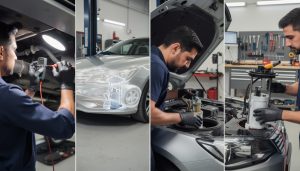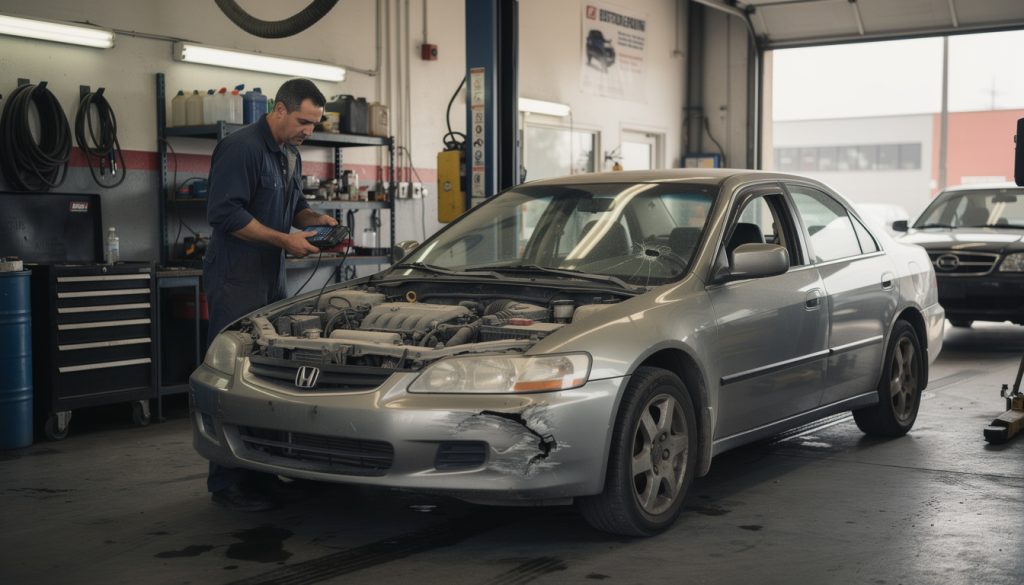
The Honda Accord remains a top choice among midsize sedans for 2026, praised for its reliability and comfort. However, even durable models have their quirks and common mechanical challenges that prospective buyers and current owners should be aware of. Particularly when buying secondhand, understanding the most frequent problems reported by Accord owners will save you from unexpected repair costs and headaches. This overview sweeps across critical systems like transmission, brakes, engine components, and electrical issues to guide you through what to expect and how to handle these common faults.
Key Takeaways :
- Transmission failures often occur after 70,000 miles, leading to costly repairs or replacements.
- Brake issues such as warped rotors surface usually post 98,000 miles, impacting safety and ride quality.
- Electrical problems including power door locks and battery drain are frequently reported, requiring module or actuator replacements.
- Cam belt deterioration can cause engine damage if ignored, making regular checks essential.
- Suspension wear leads to handling problems and noise, mostly due to cracked bushings.
Transmission Failure: Symptoms, Causes, and Costs
If you notice your Honda Accord’s gears slipping, skipping, or difficulty shifting smoothly, you’re likely facing a transmission problem. Owner complaints highlight this as one of the most notorious issues, especially with models surpassing 70,000 miles. The problem frequently manifests as delays in gear engagement, erratic shifting patterns, or complete failure to enter gear.
Transmission failure is particularly significant because it dramatically affects vehicle drivability and safety. The automatic transmission’s internal components, such as clutches and solenoids, can wear out or malfunction over time, especially if transmission fluid maintenance hasn’t been consistent. Ignored signs of trouble can culminate in a full gearbox replacement, which often costs several thousand dollars.
Fortunately, newer Accords on warranty still benefit from repairs covered by Honda. For out-of-warranty vehicles, the choice between rebuilding the transmission or replacing it entirely depends on the severity of damage and mechanic’s diagnosis. Regular transmission fluid changes every 30,000 to 60,000 miles can help delay this wear.
💡 Expert Tip: If you experience slight hesitation during gear changes, check your transmission fluid's condition before symptoms worsen. Early intervention can save hundreds on repair bills.
Besides costs, transmission failure poses risks such as sudden loss of power and dangerous situations in traffic. Therefore, understanding and diagnosing transmission symptoms early should be a priority for every Accord owner.
Brake Issues: Detecting Warped Rotors and Their Impacts on Safety
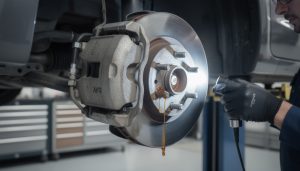
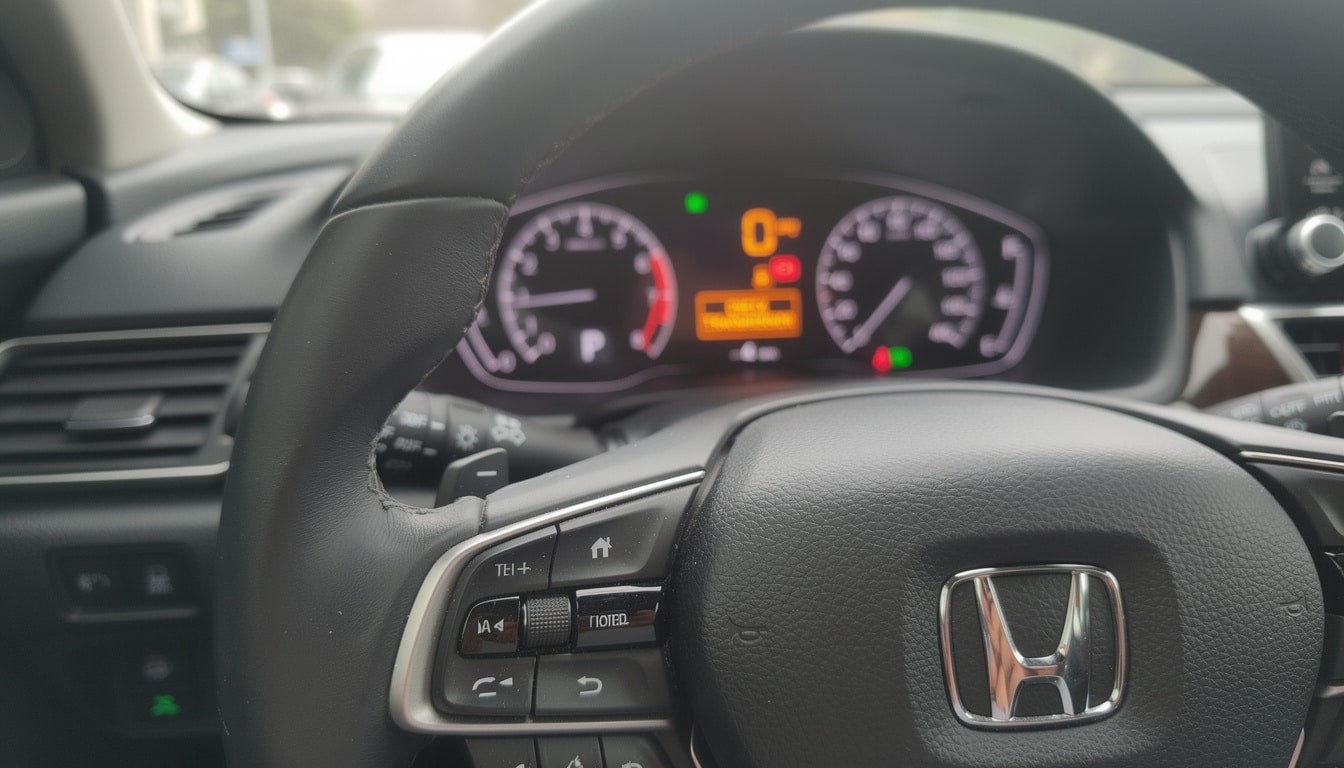
Brakes are a critical safety component, and issues here should not be overlooked in any vehicle, including the Honda Accord. A common complaint I’ve observed among Accords with over 98,000 miles is warped front brake rotors causing rattling, shaking, or rubbing sensations during braking.
Warped rotors occur when excessive heat causes uneven surface wear or warping, leading to vibrations felt through the steering wheel or brake pedal. Although replacing brake pads is relatively inexpensive, rotor replacement is more involved and costly due to labor and parts.
In some cases, rotors can be resurfaced if warping is minor, but replacement remains the standard fix to restore brake smoothness and safety. Persisting brake vibrations compromise vehicle stability and can increase stopping distances, representing a direct hazard.
Additional brake-related complaints include premature wear on pads and squealing noises, often stemming from aggressive driving or worn components. It’s prudent to check the brake system on any used Accord thoroughly before purchase, with emphasis on rotor condition.
- Check for pulsations during braking at various speeds.
- Listen for unusual sounds like grinding or squealing.
- Inspect brake fluid levels and condition.
- Verify the wear thickness on brake pads during routine maintenance.
💡 Expert Tip: If you detect shaking during braking, ask your mechanic specifically about rotor thickness and warping. Avoid cheaper aftermarket rotors; authentic Honda parts ensure reliability and longevity.
Electrical Problems: Power Locks, Battery Drain, and More
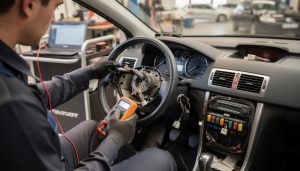
Electrical gremlins are another frequently reported issue on Honda Accords, affecting multiple subsystems including power door locks and battery performance. Owners have experienced door locks engaging randomly without remote input due to faults within the locking system or control module.
This malfunction not only inconveniences owners but can also drain the vehicle battery prematurely if the alarm triggers at random intervals. Diagnostics often reveal failing actuator units inside each door, requiring individual replacements that can add up in cost.
Battery drain itself, sometimes linked to these or other electrical inconsistencies, may leave owners stranded if not detected beforehand. Regular checks of battery health and ensuring no parasitic drains from modules are important preventive measures.
Another electrical weak point is the air conditioning system, prone to failure or inconsistent cooling due to compressor or relay issues. While less frequent than transmission or brake problems, electrical faults can diminish overall user comfort and convenience.
- Monitor for erratic behavior in power locks and alarm systems.
- Test battery voltage and charging system regularly.
- Perform routine inspections on the air conditioning system to preempt failures.
- Replace faulty actuators or control modules promptly to avoid bigger problems.
Cam Belt and Suspension: Maintenance Essentials to Avoid Major Repairs
The cam belt (or timing belt) is a critical engine component that coordinates the engine’s valves and pistons. In Honda Accords, neglected cam belt wear can lead to rattling noises between 2000 and 3000 RPM, which should raise immediate concern.
If left unattended, a failed cam belt can cause catastrophic engine damage, requiring costly overhauls or full replacements. Repairing the tensioner mechanism can sometimes solve early symptoms, but once degradation becomes severe, engine rebuilds become unavoidable.
Always insist on genuine Honda timing belts and tensioners during replacements to prevent premature failure and repeat repairs.
Suspension wear also represents a common source of discomfort and handling issues. Worn compliance bushings can produce squealing sounds and a shuddering feeling during turns, compromising driving stability. Replacement of these bushings is essential to restore original ride quality.
| Component | Common Symptoms | Typical Repair | Estimated Cost |
|---|---|---|---|
| Cam Belt / Timing Belt | Rattling noise at 2000-3000 RPM, engine misfires | Replace belt and tensioner with OEM parts | $500 – $900 |
| Suspension Bushings | Squealing sounds, shuddering in corners | Replace compliance bushings | $300 – $600 |
💡 Expert Tip: Schedule cam belt inspections every 60,000 miles. Suspension noises after long use are rarely harmless; a mechanic’s evaluation will save you money and enhance safety.
Interior Wear and Recalls: What Owners Should Watch For
The interior quality of Honda Accords tends to degrade with age, particularly on higher mileage vehicles. Common complaints include stiffened and uncomfortable seats, loose carpets where the floor detaches slightly, and malfunctioning CD players throwing error messages more regularly.
While these issues are mostly irritants rather than safety hazards, they can significantly affect driving comfort and resale value. When considering a used Accord, a thorough interior inspection is warranted to identify such wear early.
Honda has addressed some electrical and mechanical problems through recalls, especially on models from the early 2000s. Recalls typically cover transmission issues, airbag deployment faults, and power lock malfunctions, among others. Verifying the recall status via the VIN before purchase helps avoid hidden dangers and costly fixes.
- Inspect for loose or warped carpeting and attempt seat adjustments to check comfort.
- Test all electrical features including stereo, air conditioning, and power locks.
- Check Honda’s official recall database to ensure all applicable fixes have been performed.
- Look for signs of water damage inside, which can worsen electrical problems.

What are the signs of transmission trouble in an Accord?
Slipping gears, delayed shift engagement, and erratic or jerky shifting are typical signs indicating transmission problems.
How often should the cam belt be replaced?
Honda recommends inspecting or replacing the timing belt every 60,000 to 100,000 miles, depending on the model and year.
Can warped brake rotors be repaired or do they need replacement?
Minor warping can sometimes be corrected by resurfacing, but most cases require rotor replacement for proper brake performance.
What causes random door lock activation in Honda Accords?
Faulty door lock actuators or control modules often cause uncontrolled locking and alarm issues.
Are electrical issues common in newer Accord models?
While somewhat less frequent, newer models still report problems such as battery drain and intermittent air conditioning failure.