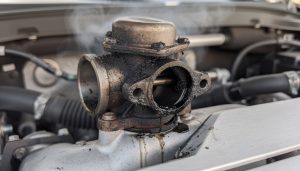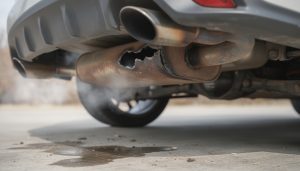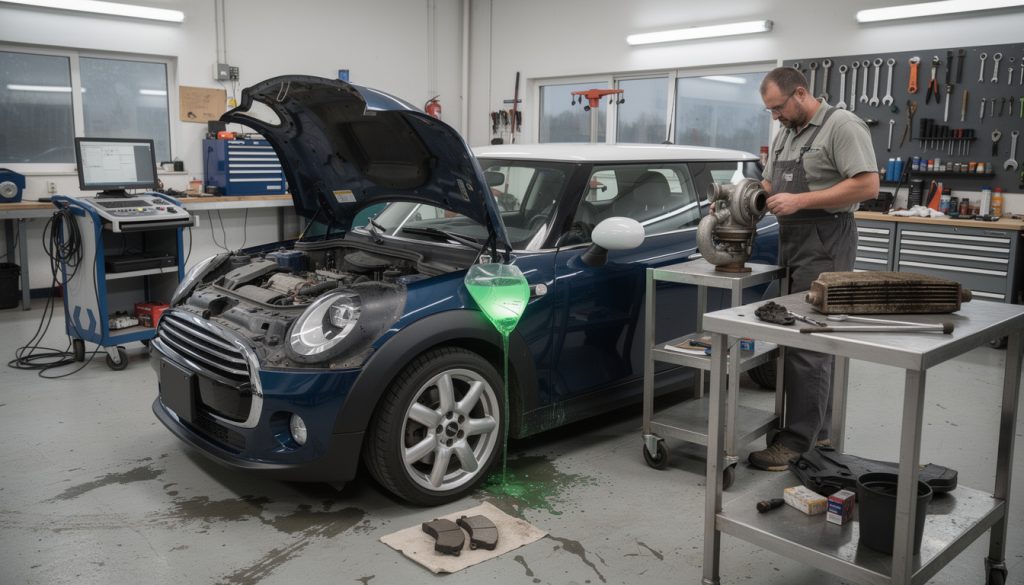
The second-generation Mini Cooper, spanning from 2006 to 2013, holds a special place among compact cars due to its iconic design and spirited driving experience. However, beneath its charismatic exterior lies a set of mechanical and electrical vulnerabilities that any potential owner or current driver should be aware of. This generation introduced turbocharged engines and improved styling, but also brought persistent issues such as timing chain problems, transmission faults, and coolant leaks. In this overview, I’ll break down the key faults, making it easier for you to spot early warning signs and avoid costly repairs.
Key Takeaways :
- Loose timing chain rattle is a prevalent fault caused mainly by neglected oil changes.
- Transmission fluid requires regular changes every 30,000-40,000 miles to prevent damage, especially in CVT models pre-2008.
- Water pump and thermostat housing leaks are common and often require replacement early in vehicles with over 50,000 miles.
- Clutch failure signs include burning smells and sticky engagement, mostly in urban-driven Minis.
- Electric power steering pumps were subject to recalls, watch for stiffness or delayed response when steering.
Understanding Engine Problems in the 2nd Generation Mini Cooper
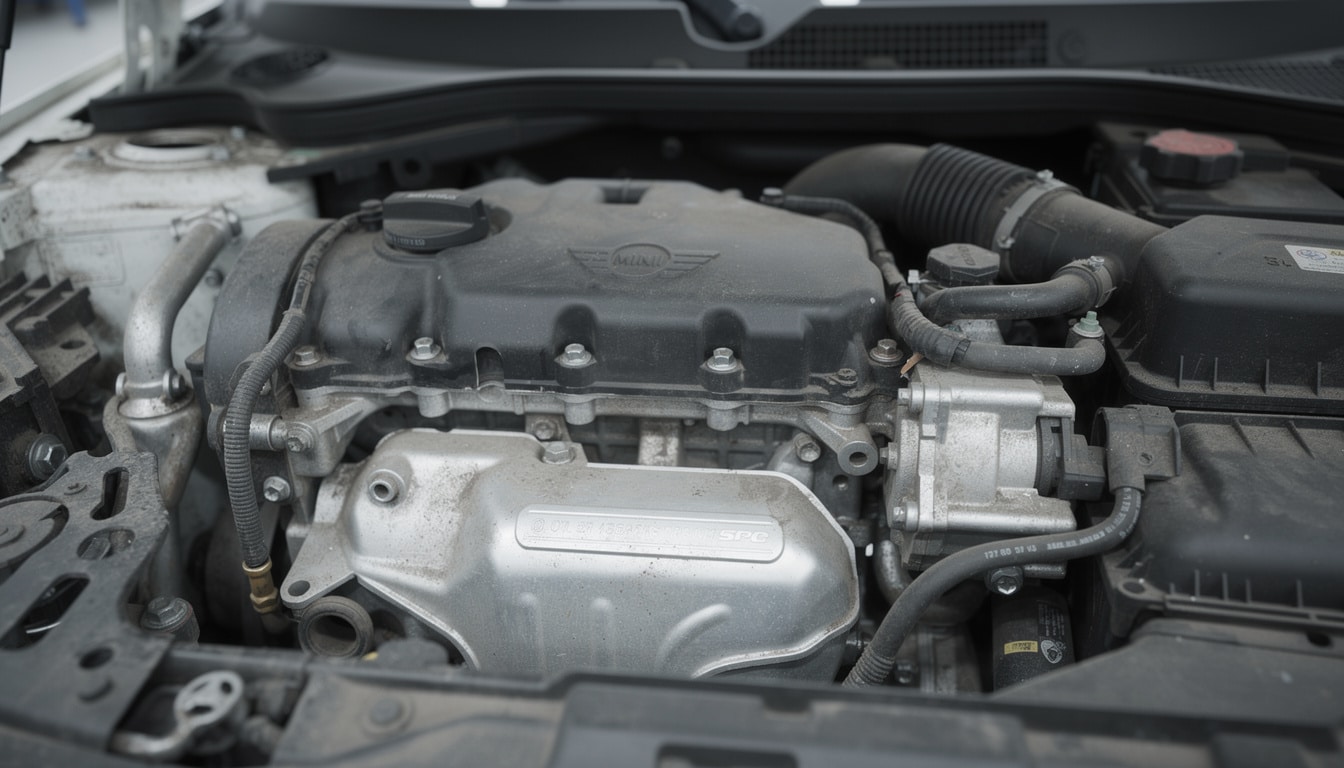
The hallmark engine problem in the 2006-2013 Mini Cooper is the loose timing chain, often referred to as the “death rattle.” This issue manifests as a rattling noise during cold starts and stems primarily from inadequate oil change intervals. The timing chain tensioner, responsible for keeping proper chain slack, can fail when oil quality or quantity diminishes, allowing chain slack to increase and cause a loud rattle.
Ignoring this symptom can escalate the problem to catastrophic engine failure, requiring a costly engine rebuild or replacement. Many owners overlook the importance of regular oil maintenance, which allows sludge buildup and wear on the timing system components.
Another engine-related problem common in this generation is related to the variable valve timing system. This system relies heavily on clean oil flowing through small passages to modulate valve timing correctly. Failure to maintain oil quality leads to clogged passages, causing rough idling, poor acceleration, or stalling symptoms.
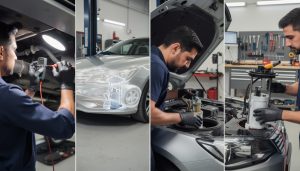
When assessing a used Mini Cooper, pay attention to the engine’s startup sound and acceleration smoothness. Significant irregularities could hint at timing chain wear or variable valve timing issues. An experienced mechanic can inspect these components by listening for abnormal noises or through diagnostic scans.
💡 Expert Tip: Always check for a complete oil service record when buying a second-hand Mini Cooper. A well-maintained oil schedule is your best defense against timing chain and valve timing failures.
Transmission Issues Specific to 2nd Generation Mini Cooper Models
Transmission reliability in the second-generation Mini Cooper varies depending on the type and year of manufacture. While five-speed manual models are typically robust, CVT transmissions in pre-2008 Minis require particularly careful inspection. A frequent oversight among Mini owners and buyers is neglecting transmission fluid changes.
Contrary to some misconceptions, transmission fluid must be replaced every 30,000 to 40,000 miles to avoid premature wear and costly damage. Letting the fluid degrade leads to slipping, erratic shifts, or even full transmission failure. The cost of repairing or rebuilding a Mini’s transmission can easily reach several thousand dollars, making preventative maintenance crucial.
Potential symptoms to watch for include delayed gear engagement, unusual whining noises when shifting, or the transmission slipping under load. Also, an inspection for any fluid leaks beneath the vehicle is wise. A flush and refill of the transmission fluid is relatively inexpensive compared to the repair cost associated with neglect.
- Transmission fluid change recommended every 30,000-40,000 miles.
- CVT transmissions in early second-gen Minis need thorough evaluation.
- Symptoms such as slipping or whining noises warrant immediate transmission servicing.
- Manual five-speed gearboxes generally show fewer issues but still demand routine checks.
Far from just a mechanical issue, poor communication from manufacturers and incomplete service documentation have contributed to transmission problems. Buyers should explicitly verify maintenance records or have a trusted professional evaluate the Mini before purchase.

Common Coolant Leaks and Their Consequences on 2nd Gen Minis
Another frequent issue affecting these Minis is coolant leaks, primarily originating from the water pump and thermostat housing. These components endure constant heat and stress, leading to cracks and seal degradation over time. In my experience, leaks commonly appear after 40,000-50,000 miles and if original parts remain un-replaced, it’s a strong indicator of potential trouble.
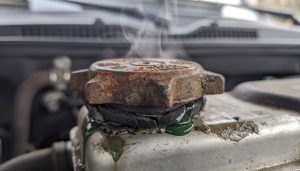
A leaking water pump or thermostat housing not only leads to coolant loss but risks engine overheating, which can cause severe damage such as head gasket failure or warped heads. Regular inspection of coolant levels and visual checks for dampness or crusty residue near the engine bay should be a priority.
During a test drive or physical inspection, signs like persistent coolant smell, low coolant reservoir levels, or unexplained overheating events are critical red flags. Replacements for these parts run around $300 to $600, depending on labor costs and location, and should be factored into ownership costs for an aging Mini.
Regular maintenance schedules rarely emphasize water pump and thermostat servicing until leaks have developed. Checking service histories for any prior replacements is a practical approach when evaluating price or negotiating on a used Mini.
- Water pump and thermostat commonly leak after 50,000 miles.
- Leaks may cause overheating if untreated, risking costly engine repairs.
- Visual inspections should focus on wetness or coolant residue around engine parts.
- Replacement costs vary but generally fall between $300-$600 installed.
Clutch and Electrical Faults in Urban-Driven 2nd Generation Minis
Urban driving with frequent stop-and-go traffic puts significant stress on the clutch components of the Mini Cooper. The inevitable consequence in heavily city-driven vehicles is clutch failure. Early signs include a burning paper smell and a sticky clutch pedal that resists smooth engagement.
This kind of wear reduces clutch lifespan considerably, leading to replacement costs typically ranging from $800 to $1,200. For second-hand buyers, identifying a worn clutch before purchase is crucial, as replacement is one of the more expensive maintenance tasks.
Electric power steering faults also plague some second-generation Minis. A known recall addressed the pump failures responsible for stiff or sluggish steering. A Mini that exhibits harder steering or delayed response could be suffering from unresolved electrical pump issues or software glitches affecting the assist system.
Testing the steering feel during the test drive is a simple yet effective way to identify this problem. If stiffness appears suddenly or there is a warning light on the dash related to power steering, the repair or part replacement could cost between $500 and $1,000.
💡 Expert Tip: Test the clutch feel and steering response thoroughly during any prospective Mini Cooper test drive to avoid unforeseen repairs.
Suspension Wear, Brake Noise, and Battery Drain: Subtle but Costly Issues
Beyond the headline faults, the 2nd generation Mini Cooper experiences lesser-known but impactful issues such as suspension wear, brake noise, and battery drain. The suspension components endure stress from the Mini’s sporty handling demands and urban pothole impacts, causing premature wear of bushings and shock absorbers.
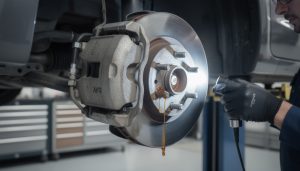
Worn suspension parts manifest as poor handling stability, uneven tire wear, or excessive noise over bumps. Brake noise — mainly squealing or grinding during stops — signals worn pads or rotors that demand prompt replacement to avoid damage to the braking system.
Battery drain problems, frequently linked to aging electrical components or software glitches, cause intermittent starting problems. An aging battery or malfunctioning alternator can exacerbate these issues, with replacement costs varying widely depending on component quality and labor rates.
| Issue | Symptoms | Repair Cost (Approx.) | Severity |
|---|---|---|---|
| Suspension wear | Noise over bumps, poor stability, uneven tires | $300 – $800 | Medium |
| Brake noise | Squealing, grinding | $150 – $400 | Low to Medium |
| Battery drain | Difficulty starting, electrical glitches | $100 – $300 | Low |
Addressing these issues early can save you from more expensive repairs down the line while maintaining a comfortable and safe driving experience.

What causes the timing chain rattle in 2nd gen Mini Coopers?
The timing chain rattle typically results from stretched or loose chains due to infrequent oil changes and failing tensioners, causing a noticeable noise at cold startups.
How often should I change the transmission fluid on a 2nd generation Mini?
Transmission fluid should be changed every 30,000 to 40,000 miles to prevent premature wear, especially in CVT models before 2008.
Are water pump leaks serious in the Mini Cooper?
Yes, water pump leaks can lead to coolant loss and engine overheating, which can cause significant engine damage if not addressed promptly.
What are signs of clutch failure in these Minis?
Burning smell, sticky or slipping clutch pedal, and difficulty shifting gears are clear indicators the clutch is failing and needs attention.
Can electrical faults affect power steering in the 2nd generation Mini?
Yes, electrical faults, including power steering pump issues and software glitches, can cause stiff or delayed steering response, often addressed by recalls or component replacement.