The Subaru Impreza, a model with a prestigious heritage dating back to 1992, remains a trusted choice among drivers worldwide in 2026. Known for its rally roots and blend of practicality and performance, it attracts a diverse range of owners. However, like all vehicles, it has its share of known mechanical vulnerabilities, especially in used models. Understanding these common issues will help you make an informed purchase decision and ensure your Impreza stays reliable on the road.
Key Takeaways :
- Suspension wear often results from underpowered brakes causing driver to overwork the system.
- Transmission synchromesh failures between 2nd and 3rd gear are a serious fault to watch out for.
- Brake system limitations lead to longer stopping distances, requiring possible component upgrades.
- Steering rack bush wear on early 2000s models causes sloppy handling around corners.
- Timing belt maintenance is critical, with replacements recommended at 125,000 miles to avoid engine damage.
Common Suspension Problems Affecting Subaru Impreza’s Handling and Comfort
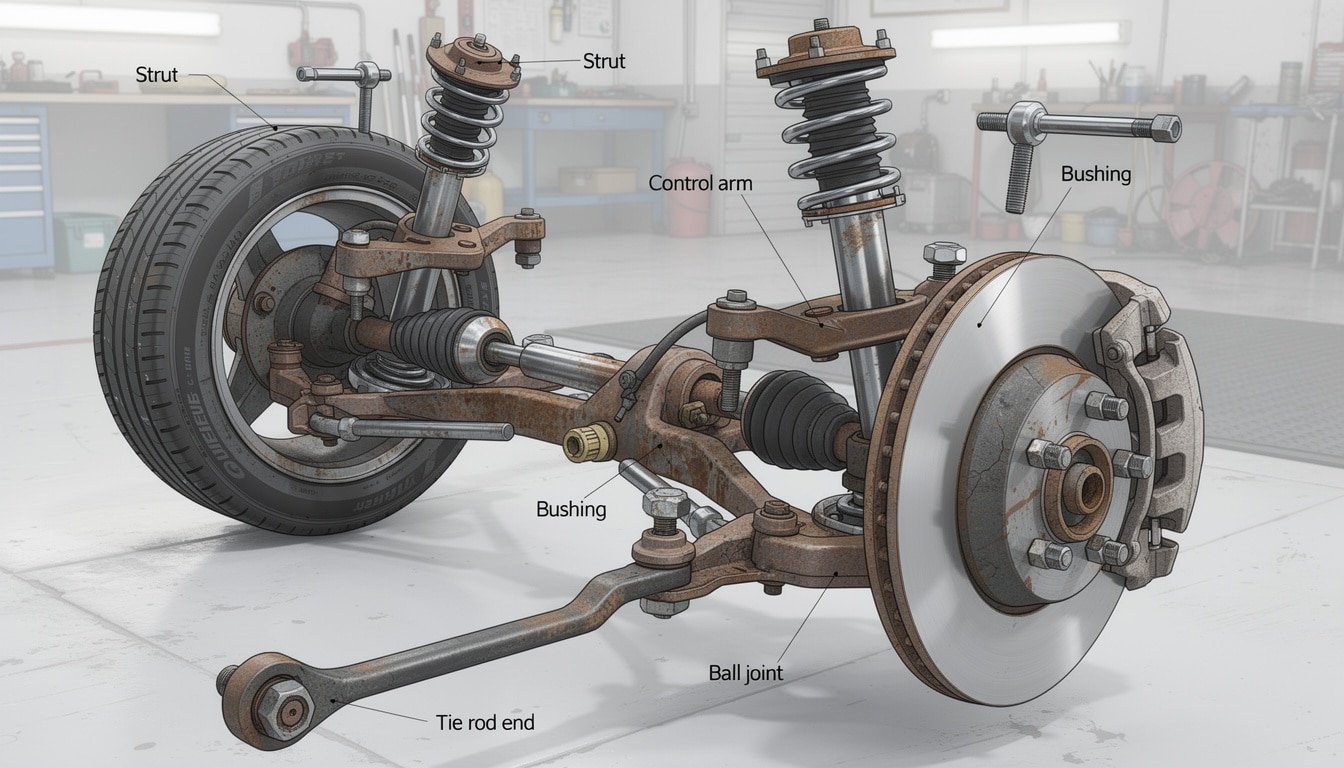
The suspension system on many Subaru Impreza models, especially older or heavily used ones, shows signs of wear caused by other component stresses. A typical cause of this deterioration is the vehicle’s underpowered brake system, which often forces drivers to rely heavily on suspension to manage road irregularities and braking forces, particularly on rough terrain.
When I’m evaluating a second-hand Impreza, I immediately assess the suspension by driving over uneven roads and watching for excessive bounce or unusual noises. A clearly audible clicking noise from the front usually indicates worn velocity joints, critical parts that ensure smooth wheel rotation and steering control. Ignoring this symptom means risking further damage and costly repairs.
Suspension failure in this context often manifests as a jumpy or unstable ride. This reduces drivetrain and tire contact, affecting grip and safety. Typical front suspension replacements can cost several hundred dollars, but the exact price depends on whether it’s shock absorbers, struts, or control arms needing replacement. Opting for genuine Subaru parts during repairs will give a considerable boost to longevity and performance.
What complicates suspension issues further in the Impreza lineup is that models equipped with performance features, like the WRX trims, generally have stiffer setups but also face more wear due to aggressive driving styles favored by owners.
Here’s what to check before buying:
- Listen for clicking or clunking sounds when hitting bumps.
- Feel for excessive bouncing during slow maneuvers or at steady speeds.
- Inspect visible suspension components for leaks, rust, or damage.
Addressing suspension problems promptly maintains driving comfort, handling precision, and safety in daily use as well as spirited driving.
Transmission Troubles: Identifying and Avoiding Synchromesh Failures
One of the most worrying issues facing Subaru Impreza owners involves the gearbox’s synchromesh system, particularly when shifting between second and third gear. Symptoms include a noticeable crunching or knocking noise during gear changes, signifying worn or failing synchros. This failure not only hampers smooth shifting but can escalate to more serious transmission damage if neglected.
When owners report this problem, what often emerges is a transmission needing a costly rebuild or replacement, sometimes exceeding $1500 depending on labor and specific gearbox configurations (whether manual or automatic). Many Subaru enthusiasts regard this fault as a deal-breaker for used car purchases.
My recommendation for prospective buyers is to test the gearbox aggressively to confirm or rule out these symptoms. Stick shifts should slide smoothly through all gears without resistance or noise. If you’re unsure, a mechanic’s diagnostic check can pinpoint issues before they become expensive.
Key points about transmission issues in the Impreza include:
- Synchromesh wear mainly affects manual transmission models.
- Early warning signs are rough shifting and unusual sounds during gear changes.
- Ignoring symptoms could lead to total gearbox failure requiring full replacement.
Maintaining proper transmission fluid levels and timely servicing can prolong gearbox life. This is vital if you aim to keep your Impreza running smoothly beyond 100,000 miles.
💡 Expert Tip: Always request evidence of regular transmission maintenance and fluid changes when inspecting a used Impreza to avoid unforeseen gearbox costs.

Brake Performance Limitations and Their Impact on Vehicle Safety
The under-specification of the Subaru Impreza’s braking system is a recurring problem, especially noticeable in early generation models. Drivers often observe longer braking distances compared to competitors, paired with a soft or unresponsive brake pedal feel, which compromises safety.
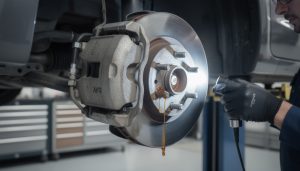
This underperformance is primarily due to smaller brake rotors and calipers that struggle to dissipate heat efficiently during repeated stops. Over time, worn brake pads and faded brake fluid exacerbate the issue, requiring a full brake system overhaul to restore confidence behind the wheel.
When faced with these symptoms on a used Impreza, it’s a good idea to budget for a brake upgrade. Replacement parts for the front brakes, including discs, pads, and potentially calipers, can cost around $400 to $700 depending on quality and brand. Some drivers opt for aftermarket performance brake kits to enhance stopping power, particularly those who use the car for spirited or track driving.
Signs you should inspect or upgrade the brakes include:
- Increased stopping distances compared to standard expectations.
- Soft pedal feel or deep pedal travel when braking.
- Squealing or grinding noises during braking.
Maintaining solid brake performance on the Impreza is non-negotiable, given its inherent sporty character that often encourages spirited driving. Neglect can also accelerate wear on suspension components due to the increased braking strain mentioned earlier.
Steering Rack Bush Deterioration and Effects on Handling Control
A particularly significant issue for Subaru Impreza models manufactured around 2004 involves their steering rack bushes. The rubber components tend to wear out, turning soft or cracked, which results in sloppy steering response and reduced road feedback. This wear impacts essential handling qualities, especially noticeable when negotiating low-speed corners where precision is crucial.
During test drives, I often advise checking for:
- Excessive play in the steering wheel when turning slightly.
- Delayed response or vague feeling through the steering column.
- Uneven tire wear on the front wheels due to compromised alignment.
Replacing worn steering rack bushes is a relatively straightforward repair that costs between $200 and $400. It significantly improves driving confidence and control, reducing the risk of dangerous oversteer or understeer situations, especially on challenging roads.
Ignoring this problem leads not only to driver discomfort but also increases the risk of premature suspension and tire degradation due to misalignment caused by loose steering components.

Essential Engine and Timing Belt Maintenance for Long-Term Reliability
The timing belt on the Subaru Impreza is one of the most critical maintenance items to check before purchase. Subaru mechanics recommend replacing the belt and associated parts like the water pump and tensioner after roughly 125,000 miles. Failure to do this can cause catastrophic engine failure, as the belt’s role in synchronizing the camshaft and crankshaft is vital for preventing internal collisions.
When I inspect a potential purchase, I carefully review the service history for documented timing belt changes. If absent or incomplete, I recommend avoiding the purchase or budgeting immediately for a timing belt replacement, which can range from $600 to $900 depending on parts and labor.
Another engine-related concern arises with turbocharged Impreza models, which are prone to oil sludge buildup if oil change intervals aren’t strictly followed. Dirty oil accelerates wear on moving parts, increasing the risk of engine troubles, including reduced turbo efficiency and premature bearing failure.
Check oil condition by pulling the dipstick:
- Dark, gritty oil indicates sludge and poor maintenance.
- Clean, amber oil suggests proper upkeep.
Timely engine maintenance not only preserves performance but can also prevent expensive repairs and downtime.
| Issue | Symptoms | Costs (Estimated) | Severity |
|---|---|---|---|
| Suspension Wear | Bumpy ride, clicking noise | $300 – $700 | Moderate |
| Transmission Synchromesh Failure | Crunching between 2nd and 3rd gear | $1,500+ | High |
| Brake Underperformance | Longer stopping distance, soft pedal | $400 – $700 | High |
| Steering Rack Bush Wear | Sloppy steering, play in wheel | $200 – $400 | Moderate |
| Timing Belt Neglect | Noisy engine, potential failure | $600 – $900 | Severe |
| Oil Sludge Build-Up (Turbo Models) | Dirty oil, performance loss | Varies | High |
With a robust selection of parts widely available on the breakerlink market, maintenance and repair of Subaru Impreza components are accessible. It remains a quality vehicle choice for those mindful of regular upkeep and potential issues.
What are the early signs of suspension failure in a Subaru Impreza?
Look for excessive bouncing, clicking noises from the front wheels, and a generally unstable ride, particularly over rough roads. These signs usually indicate worn velocity joints or shock absorbers.
How critical is the timing belt replacement on an Impreza?
Replacing the timing belt at around 125,000 miles is crucial. Failure to replace it can cause internal engine damage, leading to very costly repairs or total engine failure.
Can I upgrade the braking system on an older Subaru Impreza?
Yes, aftermarket brake kits are available and commonly installed to improve braking performance, especially if the original system shows signs of underperformance or wear.
How do transmission synchromesh issues manifest?
Typically, rough or noisy gear changes occur between second and third gear, often accompanied by a crunching or knocking sound indicative of worn synchromesh components.
What maintenance helps prevent oil sludge buildup in turbocharged Imprezas?
Strictly following regular oil change intervals with high-quality synthetic oil greatly reduces the risk of sludge. Neglecting this can severely impact engine reliability and turbocharger lifespan.