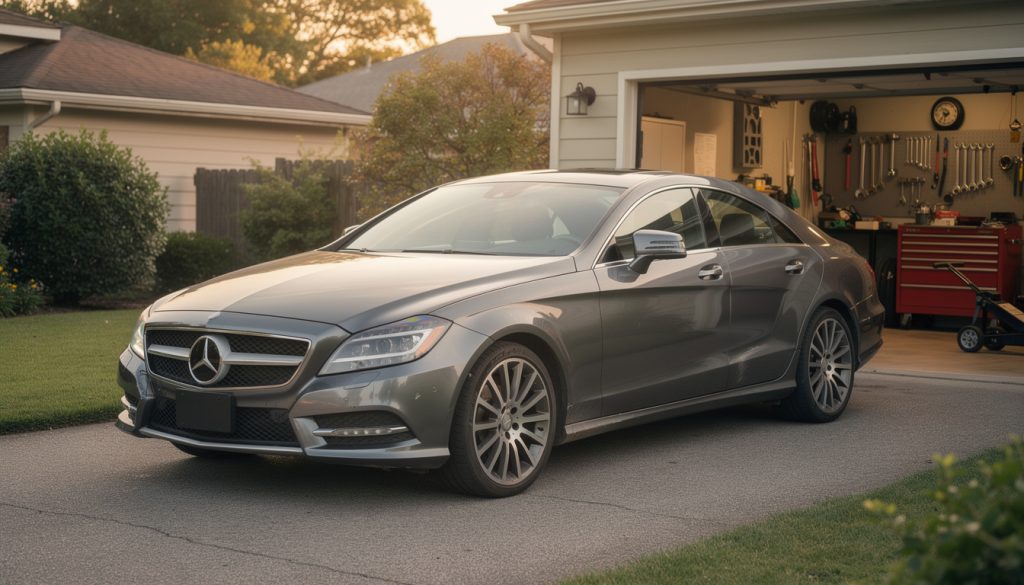
The Mercedes-Benz CLS stands as a bold statement in the realm of used luxury cars, combining sporty elegance with practical four-door design. Since its debut in the mid-2000s, this model has attracted enthusiasts craving performance alongside style. Yet, as with any high-end machine, especially those that are pre-owned, understanding the key issues, reliability insights, and buying tips is crucial before investing your hard-earned money.
This detailed analysis dives deeply into what makes the Mercedes-Benz CLS both compelling and complex. From gearbox struggles to engine quirks, and from maintenance cost considerations to the best years to snag a dependable ride, this guide equips you with the clarity you need. The CLS, with its blend of precision German engineering and luxurious features, remains a coveted vehicle—but it demands respect and knowledge from any prospective buyer.
Key Takeaways :
- The Mercedes-Benz CLS innovated the four-door coupe segment but can show typical luxury car issues in used models.
- Gearbox and engine problems, especially in earlier models, call for detailed vehicle inspection before purchase.
- Maintenance and repair costs for the CLS can be high, particularly for air suspension and transmission system faults.
- Reliability ratings improve noticeably in models from 2015 onward, making these years safer bets.
- A comprehensive service history and thorough checks of electrical systems and suspension are essential for a confident purchase.
Common Problems in Used Mercedes-Benz CLS: What Every Buyer Should Know
When considering a used Mercedes-Benz CLS, understanding the frequent mechanical and technical issues is paramount. These premium vehicles come equipped with advanced technology and refined engineering, yet their complexity can give rise to several notable problem areas, particularly as mileage climbs. Addressing these common problems during vehicle inspection can save disappointments and costly repairs later on.
Transmission issues are among the most reported concerns. The CLS typically features the 7G-Tronic automatic transmission, celebrated for its smooth shifting but known to develop faults with prolonged use. Owners often experience delayed gear engagement, rough shifts, and in some cases, failure of the valve body or sensors related to speed detection. These symptoms tend to worsen in higher-mileage cars and can sometimes precipitate the need for expensive repairs, including valve body replacements or even a full gearbox overhaul.
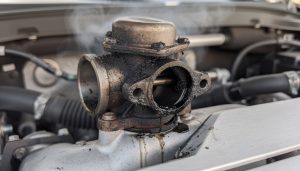
Moving to engine reliability, the CLS engine lineup ranges from efficient V6s to potent V8 AMGs, each presenting its own set of vulnerabilities. Misfires caused by worn ignition coils or faulty spark plugs are a relatively common issue, as are oil leaks originating from the rocker cover gasket or balancer shaft seals. Particularly in older CLS 350 and CLS 500 models, tensioning chain and balancer shaft faults have led to some severe engine damage, emphasizing the necessity of verifying the engine’s service state before purchase.
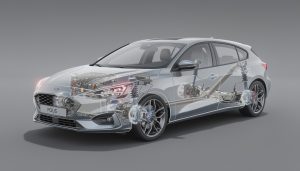
Suspension problems often arise due to the complex air suspension system Mercedes employs in the CLS to provide that signature smooth ride. While comfortable, the air springs and compressors are prone to leaks, corrosion, and eventual failure. Uneven ride height or unusual hissing sounds while parked should raise red flags. Additionally, traditional suspension components such as springs and shock absorbers can degrade, particularly on models with considerable mileage.
Given its luxurious technology suite, electrical malfunctions also merit close attention. Common woes include infotainment system glitches such as Bluetooth connectivity problems with newer phones, unresponsive touch controls, and rear light wiring issues, especially where cables pass through tight boot spaces. Detecting such flaws early helps avoid expensive dealership visits and ensures full functionality of this high-tech vehicle.
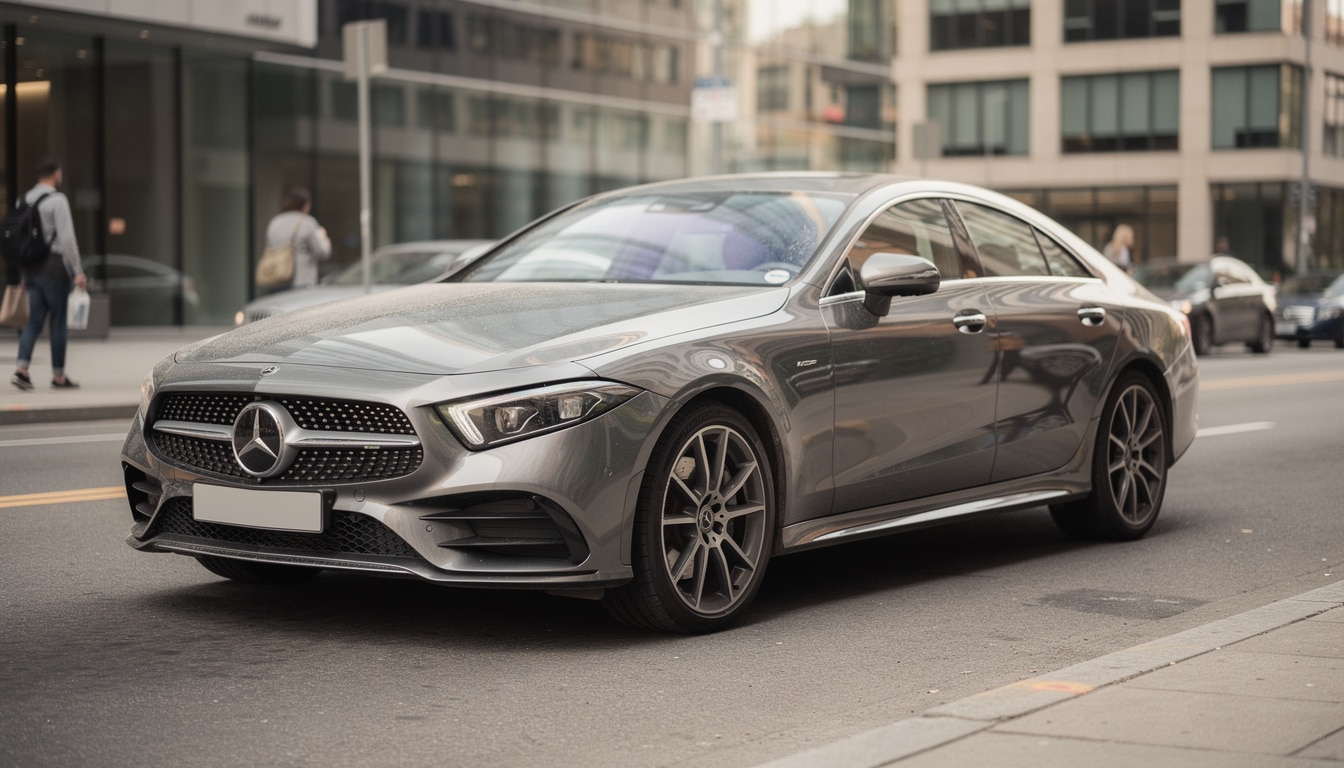
Understanding Mercedes-Benz CLS Reliability: The Facts Behind the Prestige
Reliability is a multifaceted concept for a vehicle like the Mercedes-Benz CLS, blending build quality, maintenance history, and engineering complexity. While it generally holds up well among luxury cars, the CLS does show variance across generations and engine options. According to multiple automotive reports, diesel variants between 2012 and 2014 hold particular appeal for buyers seeking dependable used cars in this class.
Mercedes-Benz as a brand faces mixed reliability ratings, with this ranking affecting first-time luxury vehicle buyers’ confidence. The CLS benefits from shared components with the E-Class, which can ease parts accessibility and potentially reduce repair expenses. However, the advanced technology and sporty suspension systems contribute to maintenance demands that can surpass those of standard sedans.
Despite these challenges, the CLS retains strong residual values due to its distinctive styling and driving performance. It’s crucial to match the purchase decision with realistic expectations regarding upkeep, emphasizing preventive maintenance. A car with regular servicing by qualified technicians typically performs better and avoids major surprises down the road.
Maintenance Cost Insights for Mercedes-Benz CLS Owners
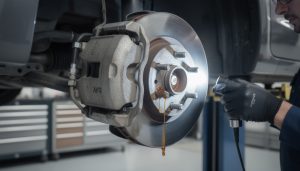
Owning a Mercedes-Benz CLS, especially as a used vehicle, frequently involves weighing the excitement of driving a high-performance luxury sedan against maintenance costs. Routine care is naturally more expensive compared to average vehicles, notably for oil changes, brake service, and tire replacements when using premium parts.
Major repairs like air suspension rebuilds or gearbox replacements can swiftly escalate into the thousands of dollars, potentially deterring budget-conscious buyers. One typical service expense could be replacing air suspension struts, which may cost more than £1,000, while transmission repairs could easily double or triple that figure depending on severity. Opting for models with documented maintenance histories or considering extended warranties can mitigate these financial risks.
In comparison, fuel-efficient diesel models or the widely available CLS350 petrol variants may offer a more balanced cost of ownership, combining availability of parts with sensible performance. This pragmatic approach ensures the luxury experience remains enjoyable without being financially overwhelming.
What to Look for When Buying a Used Mercedes-Benz CLS: Essential Vehicle Inspection Guidelines
Purchasing a used Mercedes-Benz CLS can be rewarding, but it mandates a comprehensive vehicle inspection process tailored to this model’s particularities. To safeguard your investment, certain crucial areas require focused scrutiny.
- Ensure a full service history is available, verifying the vehicle’s maintenance record and previous repairs, which correlate strongly with future reliability.
- Test the gearbox operation carefully for smooth and responsive gear changes. Avoid models exhibiting jerky shifts or dashboard warning lights.
- Start the engine and listen for unusual noises such as rattling or clanking, which could signal ignition or internal engine wear problems.
- Operate the air suspension system, observing the car’s response when raising or lowering. Uneven height or abnormal sounds may indicate costly repairs ahead.
- Check the functionality of infotainment, window, and seat controls to detect any electronic or wiring failings.
- Examine bodywork condition closely, focusing on scrapes, kerbed wheels, and potential water ingress near sunroofs to prevent hidden damage.
- Confirm all relevant manufacturer recalls related to fuel leaks or emissions have been addressed thoroughly.
Applying these steps significantly improves the odds of a successful purchase, turning the owner’s experience into one marked by pleasure and pride in driving a genuine Mercedes-Benz CLS.

Best Mercedes-Benz CLS Model Years to Consider and Common Buying Pitfalls
The model year choice weighs heavily when deciding on a used Mercedes-Benz CLS. Early generations, particularly those produced between 2004 and 2011, presented teething troubles such as SBC pump failures, problematic air suspensions, and timing chain concerns which often necessitated expensive repairs.
Models from 2015 to 2018 stand out as more reliable, benefiting from corrections to early design flaws and improved component quality. Those wanting cutting-edge technology, sleeker styling, and enhanced performance often lean towards the third-generation CLS launched in 2018. For performance enthusiasts, the AMG versions deliver formidable power but increase maintenance cost considerations.
Avoid rushing into deals on early models without thorough vetting. The following table summarizes recommended years and associated concerns:
| Model Year Range | Reliability Rating | Common Issues | Recommended for | Notes |
|---|---|---|---|---|
| 2004–2011 | 2.5/5 | SBC pump failure, Timing chain problems, Air suspension leaks | Experienced buyers prepared for repairs | High maintenance risk |
| 2012–2014 | 3.8/5 | Minor gearbox and electrical issues | Buyers seeking value and balance | Diesel models particularly reliable |
| 2015–2018 | 4.5/5 | Improved suspension, fewer engine issues | General buyers prioritizing reliability | Recommended choice |
| 2019–2023 | 4.7/5 | Advanced technology, reduced common faults | Tech-savvy and style-conscious buyers | Expensive but highly refined |

What is the most common mechanical issue in a used Mercedes-Benz CLS?
Transmission problems related to the 7G-Tronic automatic gearbox, especially rough or delayed shifting, are the most frequent mechanical issues reported by owners.
Are maintenance costs for the CLS really high compared to other luxury cars?
Yes, due to advanced systems like air suspension and the premium nature of parts, maintaining a CLS can be more expensive than typical luxury sedans.
Which Mercedes-Benz CLS model years are best for reliability?
Models from 2015 to 2018 offer the best balance of tech improvements and fewer common problems, making them top picks for used buyers.
How important is a full service history for buying a used CLS?
Extremely important, as it demonstrates consistent maintenance which directly impacts long-term reliability and lowers the risk of unexpected repairs.
Why was the Mercedes-Benz CLS discontinued?
The CLS was discontinued in 2023 as Mercedes streamlined production to focus on newer models like the AMG GT 4-Door Coupe and EQE Saloon, which offer updated luxury coupe alternatives.