In the world of performance cars, the turbocharger plays a vital role in delivering that surge of power we all crave. It’s the secret boost under the hood that transforms your car’s engine performance, giving you quick acceleration and the ability to overtake safely on highways. However, like any mechanical component, a turbocharger can wear down and fail. Recognizing the warning signs early is crucial to avoid expensive repairs and ensure your vehicle remains reliable. From unusual noises to visible smoke, these symptoms should never be ignored if you want to keep your car in top shape.
Key Takeaways :
- Loss of power and sluggish acceleration often indicate turbocharger problems.
- Blue or grey smoke from the exhaust can signal oil leaks within the turbo.
- A sudden increase in engine noise, especially whining, is a classic warning sign.
- Check engine light may illuminate due to turbo-related issues.
- Boost pressure drops or becomes inactive, noticeable on boost gauges.
- Oil leaks around the turbo show lubrication problems and potential breakdown.
How a Turbocharger Enhances Your Car’s Engine Performance
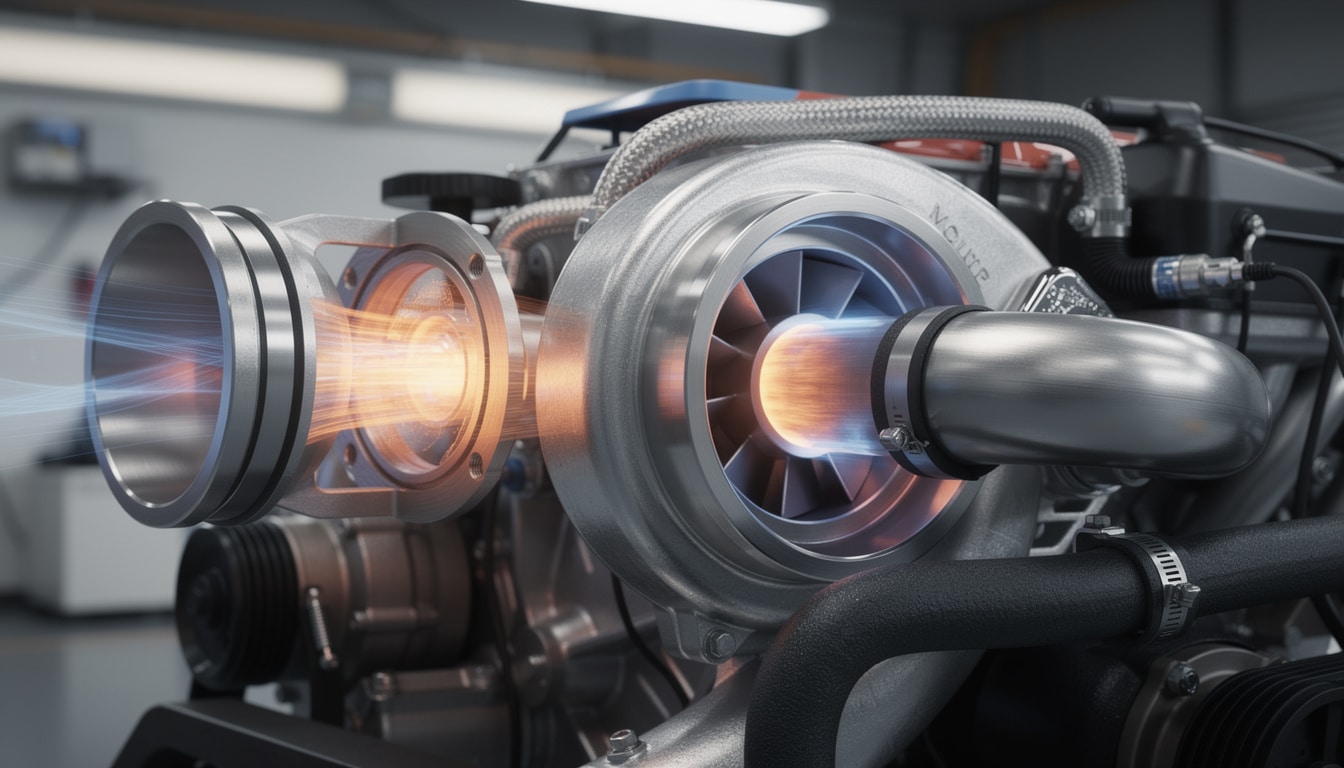
The turbocharger is a fascinating piece of engineering that dramatically alters the power delivery of your car. Essentially, it recycles what would otherwise be wasted exhaust gases to generate additional power. Here’s how it works: the turbo harnesses the energy from your engine’s exhaust fumes to spin a turbine connected to a compressor wheel. This compressor forces extra air into the engine’s combustion chamber, allowing more fuel to be burned more efficiently. The result? A significant increase in horsepower and torque without upping engine size.
This process is highly beneficial for vehicles because it allows smaller engines to perform like larger ones, improving fuel efficiency and reducing emissions when driven sensibly. The “turbo rush,” that distinctive sound you might hear when accelerating hard, is the turbo spooling up and adding pressure, often called boost pressure, to the intake air. This extra pressure is what gives the engine a noticeable jolt in power output.
💡 Expert Tip: Maintaining clean, quality oil and regularly replacing oil filters is essential. The turbo relies heavily on engine oil for lubrication and cooling, so neglecting oil changes can drastically shorten your turbo’s lifespan.
Unfortunately, turbochargers operate under intense stress, with components spinning at tens of thousands of revolutions per minute and exposed to high temperatures. This makes them susceptible to several failure causes we’ll explore next.
Common Causes Behind Turbocharger Failure You Need to Know
Recognizing what typically causes turbo failure helps prevent costly breakdowns and enhances your ability to spot problems early on. One of the most frequent culprits is insufficient oil supply. Since the turbocharger’s shaft and bearings spin at extremely high speeds, lubrication is critical. A lack of oil, or oil contaminated with carbon deposits and dirt, can cause rapid wear and eventual turbo failure.
Another common issue is debris entering the turbo. This typically happens when the air filter is clogged or damaged, allowing foreign objects like dust, small stones, or fragments from damaged car parts to reach the turbo blades. Even microscopic particles can cause imbalance or blade damage, leading to inefficient performance or catastrophic damage.
Over-speeding the turbo by consistently pushing the engine to its limits can also accelerate wear. This overload pressures the seals and pipes beyond their design, potentially causing cracks, leaks, and boosting fatigue on the turbo’s internal components.
Mechanical wear from age is inevitable too. A well-maintained turbo might last anywhere between 100,000 to 150,000 miles, depending on driving style and maintenance routines. After this, consumable parts degrade, and replacement becomes necessary. Other factors like excessive exhaust gas temperature (EGT) and moisture ingress can add to deterioration, leading to rust or actuator malfunction. Problems with the wastegate, fuel management, or exhaust system integrity can also precipitate premature turbo failure.
Understanding these causes is particularly important for owners of models known for turbocharger issues, like some BMWs. For example, many BMW X1 owners have reported turbo-related failures tied to oil supply and boost leaks, underscoring the importance of regular maintenance.
💡 Expert Tip: If your vehicle has a turbo wastegate actuator that's sticking, it’s better to address it promptly. A faulty wastegate can cause overboost and damage critical engine components.
6 Warning Signs Your Turbocharger Might Be Failing
Identifying turbo failure early requires attentive observation of your car’s behavior and performance. Here are six critical warning signs that your turbo might be on the brink of failure, each signaling different underlying issues:
- Loss of power and sluggish acceleration: If your car no longer reaches top speeds quickly or struggles when overtaking, this decrease in engine output can be a hallmark of turbo failure. The turbo’s role is to boost engine power by forcing more air in; a failing turbo means the engine gets less air and underperforms.
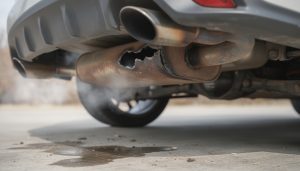
- Excessive smoke from the exhaust: When seals within the turbo wear out, oil can leak into the exhaust system and burn, producing blue or grey smoke. This smoke often becomes most apparent during heavy acceleration or when the turbo is spooling.
- Illuminated check engine light: Multiple faults can trigger the engine warning light, but if accompanied by other symptoms, this should prompt a professional diagnosis. Turbo-related sensor failures, boost leaks, or fuel delivery problems can all cause this warning.
- Inactivity or drop in boost pressure: Cars with boost gauges will reveal a decrease or total lack of boost when the turbo is failing. Even without a boost gauge, feeling less engine responsiveness and reduced throttle response can hint at this problem.
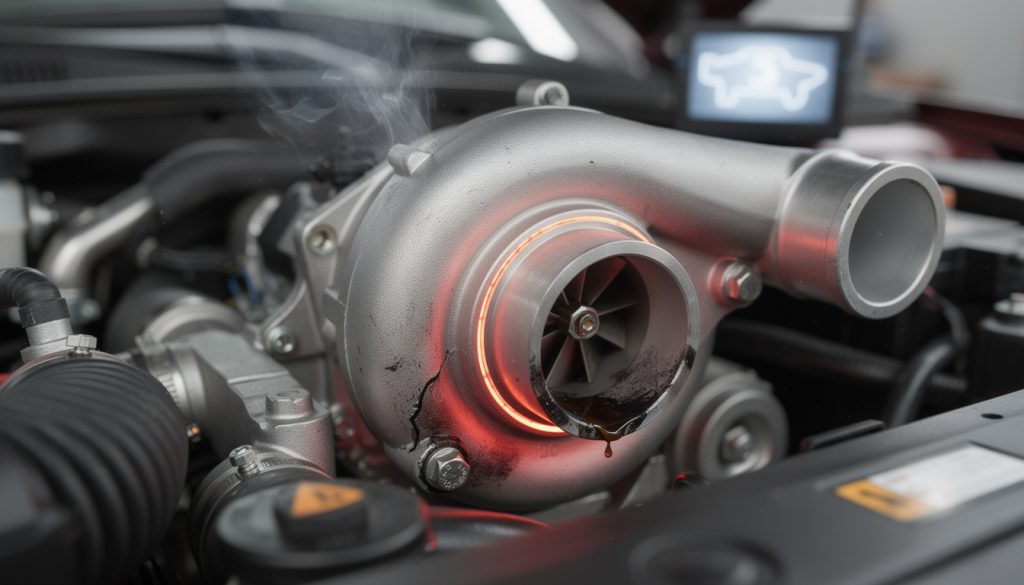
- Oil leaks near the turbocharger: Visible oil seeping around the turbo housing or inside intake and exhaust piping is a sign that internal seals or bearings are failing. Examining the downpipe area can help confirm oil deposits, indicating an urgent need for repair.
- Loud whining or siren-like noises: Turbochargers sometimes emit a unique high-pitched sound when failing, especially noticeable on acceleration. This whining noise grows louder as the problem worsens and usually coincides with power loss and smoke.
Owners of performance models should stay particularly alert. For instance, the BMW X5 frequently encounters turbo-related troubles with these exact symptoms.
Is It Safe to Drive When Your Turbocharger Has Blown?
Discovering that your turbocharger has blown can be daunting. The good news is that the engine can technically still run without a functioning turbo, but this is generally not advisable for several reasons. First, a blown turbo often means oil leaks that can damage related engine parts and cause further complications.
If you find your turbo has failed, it’s safest to stop driving immediately and contact roadside assistance. However, if the breakdown occurs unexpectedly and you must drive a short distance, there are precautions:
- Disconnect the linkage from the wastegate actuator to avoid additional pressure damage.
- Use a wire or similar tool to hold the wastegate open, preventing the buildup of boost pressure that can exacerbate engine strain.
- Drive gently, avoiding high RPMs and heavy throttle to minimize stress on the failing system.
- Regularly monitor oil levels, as turbo failure is often accompanied by oil consumption or leaks.
Remember, pushing beyond approximately 100 miles in this condition increases the risk of severe engine damage, including engine seizure caused by oil starvation.
Understanding the Consequences of Turbo Failure to Protect Your Engine
A failed turbocharger doesn’t just leave you without extra power; its consequences can extend far beyond. When the turbo disintegrates, metal shards and debris can enter the intercooler and oil seals may fail, causing oil to flood into the engine combustion chambers. This oil acts mistakenly as fuel and can cause your engine to “run away” at maximum RPM, leading to catastrophic engine seizure if not dealt with swiftly.
To avoid this disastrous scenario, technicians advise removing components like the intercooler, air intake box, and associated pipes as soon as turbo failure is suspected. This prevents spreading contaminants and further damage. For hands-on owners, replacing the turbocharger yourself can be a cost-effective option, though it requires mechanical proficiency and appropriate tools.
Familiarizing yourself with the signs and maintenance needs of your turbo will empower you to keep your car running smoothly. For detailed reliability and maintenance tips, particularly if you own a luxury or performance vehicle, resources like Audi A8 reliability tips offer practical guidance tailored to common turbocharger issues and beyond.
| Warning Sign | Cause | Recommended Action |
|---|---|---|
| Power loss | Worn turbo blades or boost leaks | Inspect turbo and boost hoses, service or replace |
| Blue/grey smoke | Oil leaking into exhaust | Check seals, perform turbo oil leak repair |
| Whining noise | Damaged bearings or shaft imbalance | Immediate turbo replacement recommended |
| Check engine light | Sensor faults or boost pressure issues | Scan diagnostic codes, verify components |
| Inactive boost gauge | Turbo not generating proper boost | Professional inspection needed |
| Oil leaks near turbo | Seal failure or bearing wear | Immediate servicing required |
What causes a turbocharger to fail?
Turbo failure is often caused by poor lubrication, foreign debris damage, over-speeding, age-related wear, or issues with related systems like the fuel intake or wastegate.
Can I drive my car with a failed turbo?
While technically possible, driving with a failed turbo is not safe. It risks severe engine damage, and driving should be limited to short distances with precautions or avoided altogether.
How can I detect if my turbo is failing?
Look for symptoms such as loss of power, excessive smoke, whining noises, check engine light, inactive boost gauge, and oil leaks near the turbocharger.
How long does a turbocharger typically last?
A turbocharger generally lasts between 100,000 to 150,000 miles, depending on driving habits and maintenance quality.
Is turbocharger repair expensive?
Repair or replacement of turbo components can be costly, especially if failure leads to engine damage. Early diagnosis and maintenance help minimize expenses.