Understanding the signs of a faulty clutch slave cylinder is essential for anyone who drives a manual transmission vehicle. This small yet vital component plays a crucial role in the vehicle’s clutch system functionality, directly affecting how smoothly you can shift gears. When the clutch slave cylinder starts to malfunction, it can cause a range of clutch problems that may compromise your driving experience and safety. Recognizing the warning signs early not only helps you prevent more extensive—and costly—repairs but also ensures continued confidence behind the wheel. From changes in clutch pedal softness to unexpected noises and leaks, many symptoms point directly to trouble with this critical hydraulic component. Acquiring a detailed understanding of these indicators can empower you to make well-informed decisions regarding maintenance, repair, and replacement.
Key Takeaways:
- Clutch slave cylinder failure causes soft, spongy, or unresponsive clutch pedals.
- Fluid leaks near the clutch system often point to worn seals or cracks in the slave cylinder.
- Difficulty shifting gears and unusual noises can be symptoms of hydraulic clutch issues.
- The clutch slave cylinder works closely with the clutch master cylinder, and problems in either can cause brake fluid contamination or related failures.
- Timely diagnosis and repair help avoid costly repairs and ensure your vehicle maintains proper clutch engagement, preventing slipping gears and safety risks.
What is a clutch slave cylinder and why its performance is critical for your vehicle?
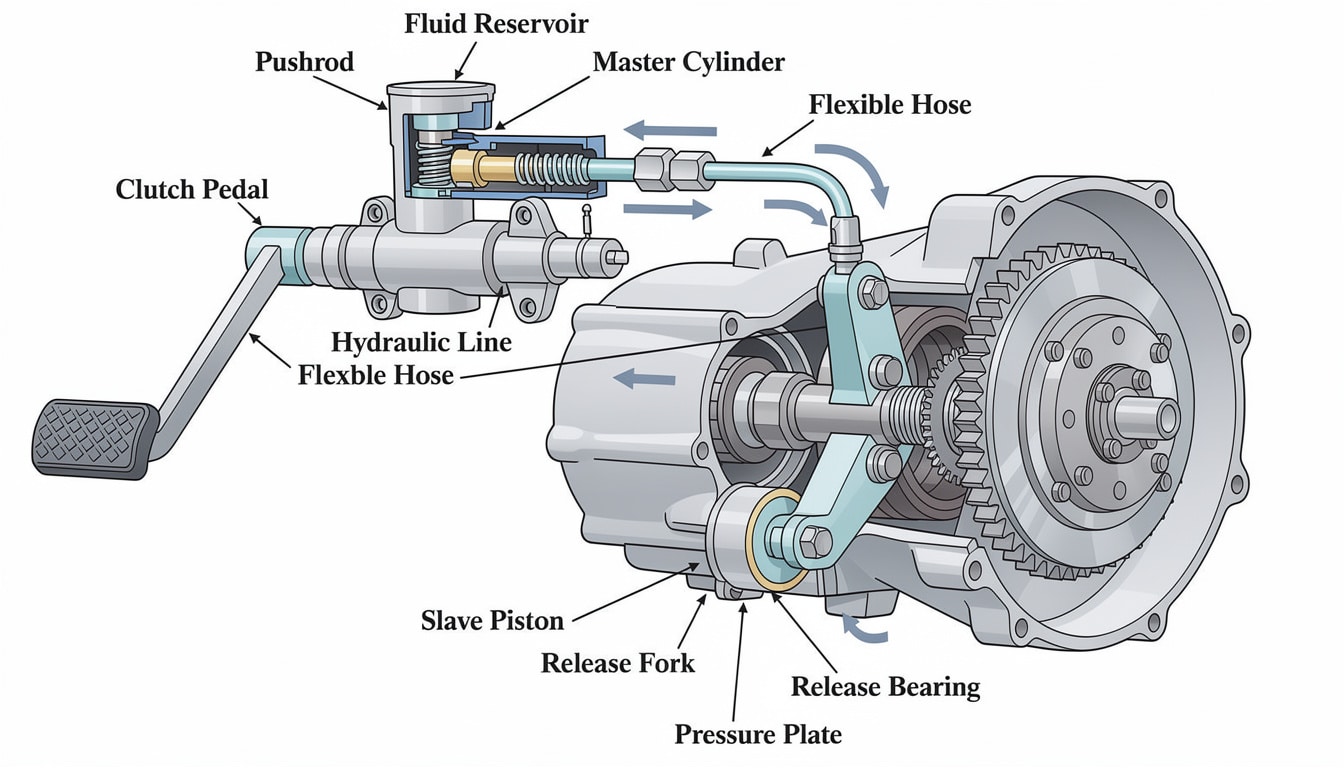
The clutch slave cylinder is a compact but pivotal part of your vehicle’s hydraulic clutch system. Its main role is to transmit the force generated by the clutch master cylinder to the clutch release mechanism, facilitating smooth gear shifts. When you press the clutch pedal, the master cylinder converts mechanical pressure into hydraulic pressure, which then pushes the slave cylinder to release the clutch plate.
Without the slave cylinder functioning correctly, the clutch may not disengage fully, causing difficult gear changes, premature wear of the transmission components, or outright failure to shift. A healthy clutch slave cylinder guarantees responsive pedal feel and precise clutch engagement, while a faulty one seriously compromises drivability. This component’s failure often manifests in problems such as a soft clutch pedal, clutch engagement delay, or even total clutch failure.
For example, a driver in London noticed growing difficulty when selecting gears, paired with a pedal that felt unusually light and required more effort than usual to reengage the clutch. Upon inspection, the culprit was a leaking clutch slave cylinder damaging the hydraulic system’s pressure integrity. This highlights the importance of regular checks and understanding the function of this crucial yet often overlooked part of the clutch system.
💡 Expert Tip: Routinely inspect your clutch fluid level and pedal feel every 6 months to detect early signs of a hydraulic clutch issue before it affects your driving performance.
Common causes leading to a faulty clutch slave cylinder and their impact
A variety of factors can cause a clutch slave cylinder to fail, each undermining the component’s efficiency and lifespan. Among the most frequent causes, contaminated fluid is paramount. Tiny dirt particles or moisture in the clutch fluid accelerate wear by damaging the cylinder’s internal sealing surfaces, leading to leaks or reduced hydraulic pressure.
Wear and tear is inevitable. Continuous clutch usage naturally wears down seals and internal components within the slave cylinder—especially in urban environments where frequent gear shifts contribute to faster deterioration. Furthermore, improper bleeding of the clutch hydraulic system can trap air bubbles, reducing fluid effectiveness, compromising system pressure, and causing erratic clutch pedal behavior.
Driver habits also have a say in component longevity. Excessive clutch riding, partial clutch release, or slipping the clutch can overheat and degrade the slave cylinder prematurely. In some cases, a manufacturing defect may cause early failure — often linked to substandard materials or poor quality control during assembly.
Understanding these causes is vital in preventing sudden clutch malfunctions. Timely replacements of contaminated fluid, proper training on clutch use, and using quality replacement parts are essential strategies to extend the life of your clutch slave cylinder.
For instance, a taxi driver in Manchester replaced the slave cylinder and fluid, but improper bleeding during reinstallation caused persistent pedal softness. This case demonstrates how critical certain maintenance steps are to clutch system health.
Symptoms to watch for in contaminated clutch fluid:
- Cloudy or discolored fluid in the reservoir
- Frequent need to top up the fluid
- Spongy or inconsistent pedal feel
- Reduced hydraulic pressure affecting clutch disengagement
How clutch fluid contamination affects system components:
| Component | Impact of Contaminated Fluid | Resulting Issues |
|---|---|---|
| Slave cylinder seals | Accelerated wear | Leaks and pressure loss leading to clutch failure |
| Master cylinder | Corrosion and reduced sealing | Brake fluid contamination and inconsistent pedal response |
| Hydraulic lines | Clogging and blockages | Reduced fluid flow and clutch engagement delay |
Recognizing telltale signs of a faulty clutch slave cylinder to prevent breakdowns
The symptoms of a failing clutch slave cylinder often develop progressively but sometimes appear suddenly, making early diagnosis challenging but crucial. The most commonly reported sign is a soft clutch pedal that either sinks too easily underfoot or lacks the normal resistance.
This softness results from the slave cylinder failing to maintain enough hydraulic pressure for proper clutch release and engagement. Drivers will notice a pedal that feels spongy or unresponsive. Over time, this can escalate, making it harder to operate the clutch smoothly and possibly contributing to a clutch engagement delay or ineffective gear shifts.
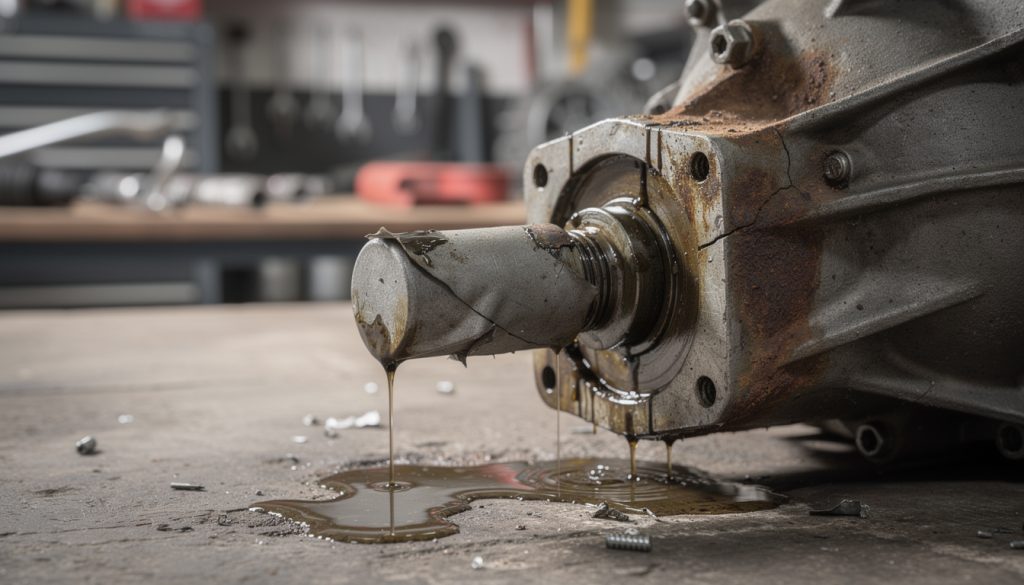
Another prominent symptom is visible or detectable clutch fluid leaks underneath the vehicle near the transmission area. These leaks indicate worn seals or cracks in the slave cylinder housing, signaling an urgent need for service. Fluid loss not only affects clutch operation but may also lower brake fluid levels since these systems share the same reservoir, leading to brake fluid contamination concerns.
Difficult gear changes or vehicle slipping gears are also red flags linked to insufficient hydraulic pressure caused by slave cylinder failure. You might also hear unusual noises, such as squeaks or grinding, when pressing the clutch pedal, which suggests the clutch may not be fully disengaging due to a hydraulic fault.
Combining these signs typically confirms slave cylinder problems, but a professional mechanic’s diagnosis is essential to distinguish between slave cylinder and clutch master cylinder issues, which present similarly but require different interventions.
💡 Expert Tip: If your clutch pedal feels soft and you notice clutch fluid leaking, do not delay repairs—it could prevent dangerous brake fluid contamination affecting your stopping power.

Steps to repair or replace a faulty clutch slave cylinder safely and effectively
Repairing a faulty clutch slave cylinder generally requires mechanical proficiency and the right tools. If you have experience with vehicle hydraulics and clutch systems, you might tackle the task yourself; otherwise, consulting a trusted mechanic is the safest bet.
The process involves several steps and varies by vehicle make and model, but generally includes:
- Locating the slave cylinder, which may be inside or outside the transmission housing.
- Removing transmission components if necessary to access the slave cylinder.
- Draining the hydraulic fluid from the clutch system.
- Detaching the faulty slave cylinder and replacing it with a new or good-quality used part.
- Bleeding the hydraulic system thoroughly to eliminate air bubbles and restore pressure.
- Refilling with appropriate clutch fluid and testing the clutch pedal for correct operation.
Professional repair shops typically charge between £100 and £200 for this service, including parts and labor, though prices can vary based on vehicle complexity and parts availability.
For example, a Volkswagen Golf owner recently had a clutch slave cylinder replaced at a reputable garage. The repair addressed a persistent clutch pedal softness and eliminated gear shifting difficulties. The technician emphasized the importance of the bleeding process to avoid premature failure after installation.
How to differentiate between a slave cylinder and master cylinder issues
While the clutch slave cylinder and clutch master cylinder work hand-in-hand within the hydraulic clutch system, they serve distinct functions and produce symptoms that can be subtle yet telling.
The master cylinder is responsible for generating the hydraulic pressure when you press the clutch pedal, converting the mechanical input into fluid movement. The slave cylinder then receives this pressure and physically disengages the clutch.
Failure in the master cylinder typically leads to a clutch pedal that sinks completely to the floor with almost no resistance and often a complete inability to disengage the clutch. You might also notice brake fluid contamination because the systems often share fluid reservoirs.
Conversely, a failing slave cylinder often causes partial or delayed clutch disengagement, resulting in heavier pedal effort at times, fluid leaks near the transmission, and intermittent clutch performance issues.
Diagnosis can sometimes be perplexing without proper tools or experience. Therefore, if you suspect your vehicle has hydraulic clutch issues, seek professional evaluation to ensure precise identification and repair.
Can I drive safely with a faulty clutch slave cylinder?
Driving with a faulty clutch slave cylinder isn’t recommended. It may cause unpredictable clutch engagement, difficulty shifting, and potential brake fluid loss, all affecting safety. Address repairs promptly.
How often should I check my clutch fluid?
Checking clutch fluid every 6 months or during routine vehicle maintenance helps catch contamination or leaks early, preventing severe clutch system problems.
What happens if I ignore a clutch fluid leak?
Ignoring a clutch fluid leak can lead to complete clutch failure, unsafe gear shifts, and in some cases, brake failure due to shared fluid contamination.
Is replacing a clutch slave cylinder complicated?
Replacing a clutch slave cylinder can be complex depending on your car’s design; it may require transmission removal and careful bleeding of the hydraulic system, making professional help advisable for most drivers.
Can a used clutch slave cylinder be reliable?
A used clutch slave cylinder might be cost-effective but always ensure it’s in good condition without leaks or worn seals; otherwise, new parts guarantee better longevity and safety.