The Used Land Rover Discovery Sport has carved a niche in the luxury SUV segment by blending a strong off-road heritage with practical family-friendly features. This vehicle’s appeal is undeniable, boasting a sophisticated design, versatile interior space, and capable performance on diverse terrains. However, beyond its sporty charm and rugged aesthetics lies a spectrum of key issues that buyers must navigate carefully. Particularly with models from earlier production years, there have been reports of reliability concerns ranging from engine quirks to electrical glitches. For anyone contemplating purchasing a pre-owned SUV, it’s crucial to equip themselves with comprehensive knowledge about these common problems, maintenance costs, and owner experiences to make an informed investment. This article is designed to delve deeply into these aspects, providing a clear, professional assessment bolstered by real-world data and expert insight.
Key Takeaways:
- Early Discovery Sport models (2015-2017) often face engine and electrical reliability challenges.
- Post-2019 models feature significant improvements in build quality and reduced maintenance issues.
- Common problems include timing chain wear, turbocharger failure, and DPF system clogging.
- Maintenance costs are generally higher than mainstream competitors due to specialized parts and labor.
- Thorough vehicle inspection and service history review are essential before committing to a purchase.
Key Mechanical and Engine Issues Affecting Used Land Rover Discovery Sport Reliability
When evaluating the reliability of a Used Land Rover Discovery Sport, the engine and related mechanical systems reveal the foundation of many common problems reported by owners, particularly those with earlier models dating from 2015 to 2017. One of the most critical areas to scrutinize is the timing chain on Ingenium diesel engines. Unlike timing belts, timing chains are built to last longer, but in these early diesel models, the chain and its tensioner often experience premature wear. This can lead to alarming rattling noises on startup, primarily when the engine is cold. If ignored, a worn or snapped timing chain can cause catastrophic engine failure necessitating costly repairs or even engine replacement.
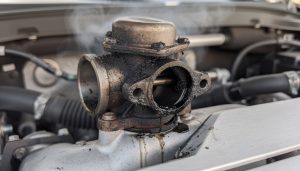
Turbocharger failures are another frequent concern, arising mainly from oil supply issues or carbon build-up which impair turbo functionality. Drivers may notice lagging acceleration or hear a distinct high-pitched “whistle” as the turbo degrades. A faulty turbocharger significantly diminishes engine performance and fuel efficiency, leading to expensive replacements if not addressed early.
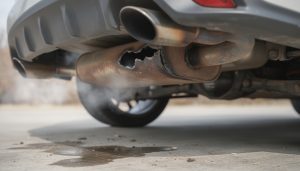
The Diesel Particulate Filter (DPF) and AdBlue systems on post-2016 diesels add another layer of complexity. The DPF system can become clogged quickly if the SUV mainly performs short, stop-start journeys. Similarly, the AdBlue emission control system, designed to reduce NOx emissions, has known failure points, including injector and tank malfunctions. These faults trigger warning lights, limp mode, or poor fuel economy, often resulting in costly garage visits.
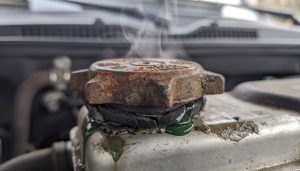
Oil and coolant leaks are regularly evidenced in used examples, with leaks common around the oil sump, timing chain cover, and cooling components such as the water pump. These leaks can escalate quickly, sometimes leading to overheating, white smoke from the exhaust, or severe engine damage if neglected.
Another subtle but important issue is the crankshaft pulley failure. The deteriorating rubber damper on this component causes engine vibrations and could misalign the timing belt or chain, further risking mechanical damage. Addressing crankshaft pulley wear promptly can save significant costs down the line.
Transmission issues, notably with the ZF 9-speed automatic gearbox, draw mixed reviews. Owners have reported hesitation, gear lurching, and delays on acceleration, typically resolved through software updates, but sometimes necessitating expensive component replacements.
💡 Expert Tip: When inspecting a used Discovery Sport, listen carefully for unusual engine noises at startup and test acceleration hard to detect turbo lag or gearbox hesitation early.

Understanding Ride, Handling, and Suspension Challenges in Pre-Owned Discovery Sport Models
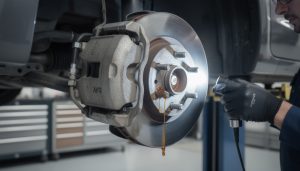
Beyond the powertrain, the ride and handling characteristics of the Land Rover Discovery Sport demand thorough attention. Front and rear wheel bearings are prone to premature wear due to the SUV’s weight and off-road usage characteristics. A failing wheel bearing manifests as a humming or rumbling noise while driving at higher speeds, impacting safety and steering precision. Similarly, the braking system components—such as pads, discs, and calipers—tend to wear faster than in lighter SUVs, especially on diesel variants with their additional weight.
Suspension and bush wear are also known trouble areas. The suspension setup, including bushes, anti-roll bars, and control arms, can fatigue rapidly under the strain of frequent off-road driving or rough road conditions. Some users report noticeable clunking noises over bumps and uneven ride height as early as 40,000 to 60,000 miles. Excess tire wear often accompanies suspension faults, compromising handling and safety.
Inspecting undercarriage components for visible cracks, corrosion, or worn bushes is vital. Given the Discovery Sport’s off-road appeal, many used examples have been subjected to challenging terrain, which takes a toll on suspension integrity.
To put this into perspective, the durability of these components often correlates with ownership habits—owners who prioritize frequent servicing and address minor noises promptly report far better ride quality and fewer expensive suspension repairs upon resale.
💡 Expert Tip: Request detailed service records focusing on suspension and brake maintenance and check for aftermarket upgrades or repairs indicative of prior wear issues.
Essential Interior and Electrical Reliability Insights for Used Discovery Sport Buyers
The Discovery Sport’s cabin, while luxurious and well-equipped, has faced its share of interior reliability concerns, especially in models from the 2015 to 2018 period. Foremost among these are safety-related issues with seatbelt pretensioners and rear seat folding mechanisms that have been the subject of recalls. Seatbelts that do not function correctly compromise occupant safety and must be verified as repaired during your ownership transfer.
Electrical issues plague many used Discovery Sports. Common complaints involve the infotainment system freezing, erratic behavior of sensors, and problems with the power tailgate or keyless entry. Such glitches may appear trivial but can degrade the overall ownership experience.
Performing a comprehensive electrical diagnostic prior to purchase helps identify hidden faults that could cost hundreds or even thousands in repairs. Buyers should be alert to any dashboard warning lights that remain on or systems that behave inconsistently.
These problems often surface in early models with older software and hardware, but significant improvements post-2019 have reduced occurrences substantially.
Crucial Buyer Considerations: Maintenance Costs, Reliability Ratings, and Ideal Model Years
When pondering the purchase of a pre-owned Land Rover Discovery Sport, it is vital to weigh the overall maintenance costs alongside reliability insights. Servicing this luxury SUV is considerably more expensive than mainstream rivals due to high prices for specialized genuine parts and labor-intensive repairs. Regular maintenance tasks, such as timing chain inspections or diesel particulate filter cleaning, require skilled technicians and can cause unexpected bills.
According to specialized automotive reliability data, the Discovery Sport ranks below average in its class. Mechanical, electrical, and emission-control system problems are the main contributors to this reputation. Nevertheless, modern iterations, especially post-2019, feature upgraded engines, enhanced electronics, and improved manufacturing quality, significantly lowering the frequency of faults.
Understanding which model years to avoid can save potential owners from costly headaches. Early models from 2015 to 2017 are often flagged due to their higher incidence of engine and electronic failures. Buyers should demand a complete service history and evidence of critical repairs. Conversely, 2019 and later models, despite a higher price tag, represent a smarter investment in terms of reliability and long-term ownership satisfaction.
Following a detailed checklist during inspection—covering engine noises, suspension condition, electronic system functioning, and documented recalls—is indispensable for a successful purchase.
| Model Year | Common Issues | Reliability Score (Out of 10) | Average Maintenance Cost per Year |
|---|---|---|---|
| 2015-2017 | Timing chain, turbo, electrical faults | 4 | $1,800 |
| 2018 | DPF and suspension wear | 5.5 | $1,500 |
| 2019-2023 | Improved build, fewer faults | 7.5 | $1,200 |
Performing a Thorough Vehicle Inspection and Leveraging Owner Experiences for a Confident Purchase
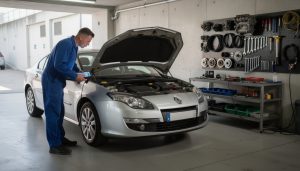
The process of buying a used Land Rover Discovery Sport is not complete without a meticulous vehicle inspection and gathering insights from real owner experiences. Prospective buyers should seek professional inspections that cover every mechanical, electrical, and safety component. Attention to specific symptoms such as unusual engine noises, gearbox behavior, and suspension integrity can reveal underlying issues.
Online forums and owner groups shed valuable light on common trouble spots and maintenance realities. For example, many owners stress the importance of addressing minor issues promptly, which can drastically reduce the potential for expensive repairs later. Feedback often highlights the value of choosing a model with a verified service history and evidence of resolved recalls—especially on critical safety-related fixes.
Reviewing these testimonials alongside technical inspection results enables buyers to feel reassured and approach the purchase with confidence rather than uncertainty or dread.
- Insist on an independent mechanical inspection before purchase
- Request full and detailed service records including major repairs
- Test drive the vehicle in various conditions, including uphill and stop-start traffic
- Check for active recalls and ensure corrective actions completed
- Review owner forums for recent maintenance trends and advice
Which Land Rover Discovery Sport model years are most reliable?
Models manufactured after 2019 are the most reliable due to improved build quality and updated engines, while early models from 2015-2017 show higher incidence of mechanical and electrical issues.
What are common costly repairs for the Discovery Sport?
Costly repairs often involve timing chain replacement, turbocharger failure, DPF and AdBlue system issues, as well as gearbox and electrical faults.
Is the Land Rover Discovery Sport expensive to maintain?
Yes, maintenance and repair costs are generally higher than for mainstream SUVs due to specialized parts and labor demands associated with luxury off-road engineering.
How can I avoid buying a problematic used Discovery Sport?
Get a comprehensive vehicle inspection, request full service history, test all electronics and mechanical functions, and check for completed recalls to minimize risk.