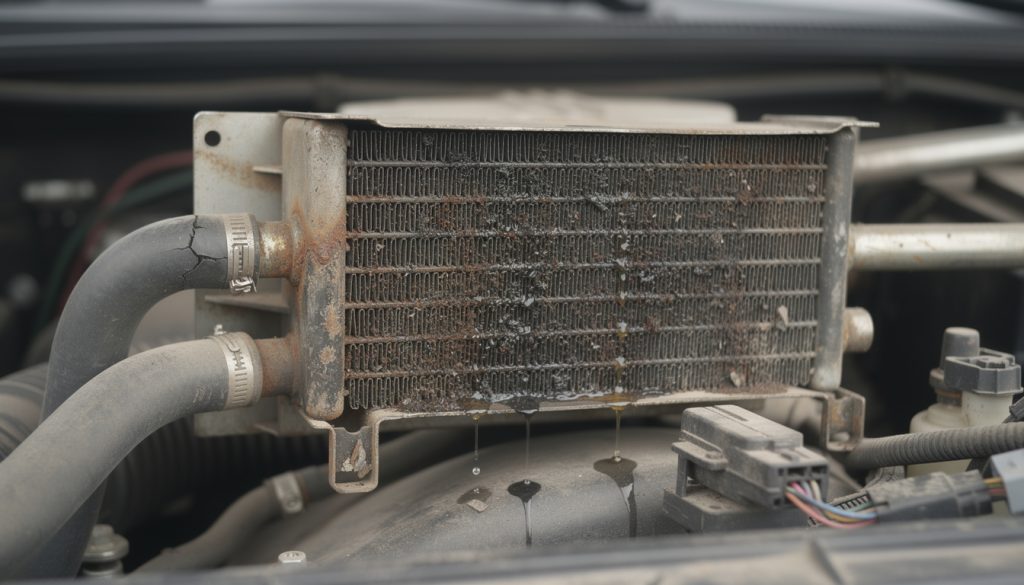
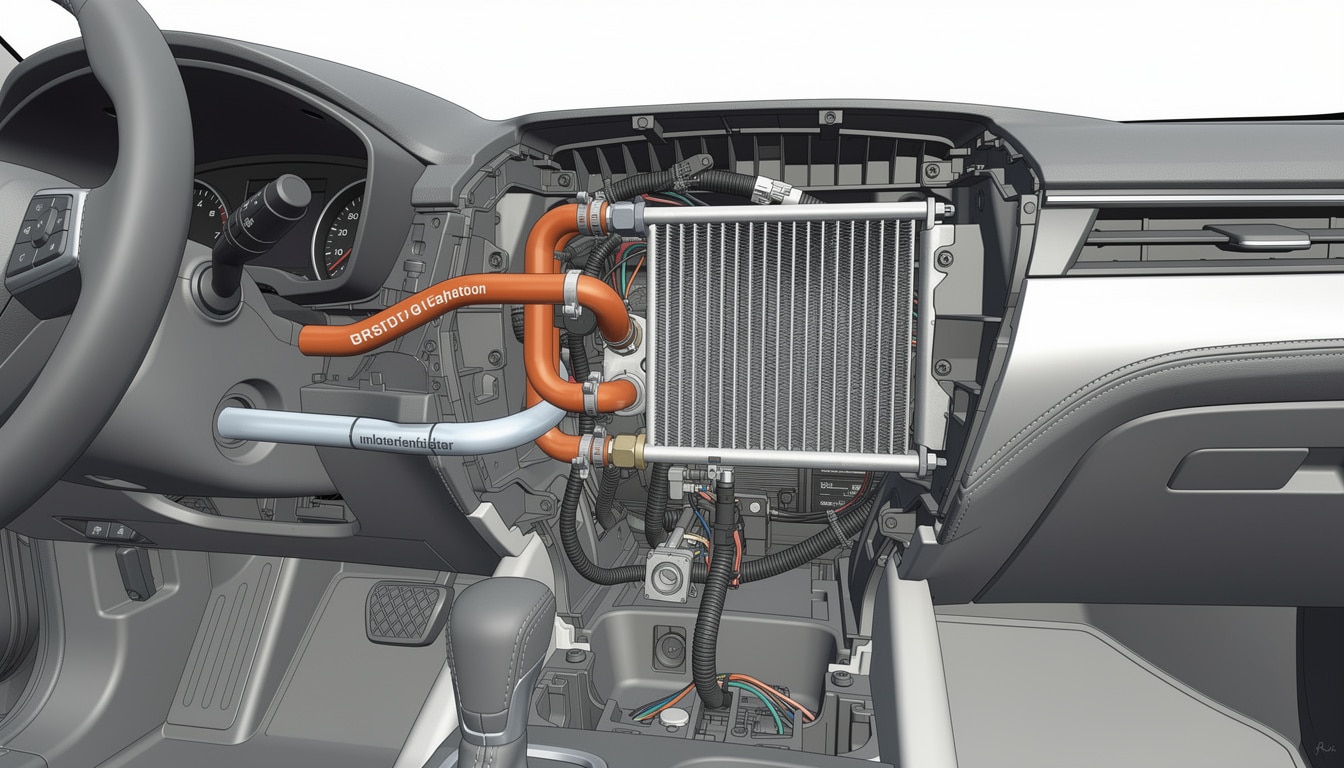
The heater matrix is a small but indispensable component of your vehicle’s heating system. Hidden behind the dashboard and connected to the engine’s cooling circuit, this device channels heat from the engine coolant into the cabin air, ensuring thermal comfort and safety during colder months. However, like any mechanical part, the heater matrix can deteriorate over time, causing a cascade of issues that affect not only your comfort but also your vehicle’s overall health. Detecting the early warning signs of a faulty heater matrix is essential to avoid inconvenient breakdowns or costly repairs, especially as climate conditions become more unpredictable in 2026.
In this article, I’ll guide you through the detailed symptoms to watch for if you suspect your heater matrix might be failing. From temperature drops in your cabin to persistent coolant leaks, each sign reflects an underlying problem that can escalate if ignored. By learning how to identify these issues early, you’re empowering yourself to act quickly—saving time, money, and enhancing your driving safety.
If you ever experience irregular heating performance or unusual smells emanating from your vehicle’s vents, or notice damp carpets, these subtle yet critical indicators could point to a heater core blockage or other related failures. Let’s dive into the specifics to better understand how your vehicle’s heating system truly works and what to do when it falters.
Key Takeaways :
- Coolant loss may signal a leaking heater core.
- Persistent foggy windows reflect possible coolant vapors entering the cabin.
- Cold interiors despite a hot engine hint at matrix malfunction or clogging.
- Engine overheating can originate from disrupted coolant flow linked to the heater core.
- Unusual sweet smells or wet carpets inside the car point to coolant leaks.
Recognizing the Most Common Early Warning Signs of Heater Matrix Failure
One of the first indicators that your heater matrix is on the fritz is a gradual or sudden temperature drop within the vehicle cabin. While the engine might be running at normal operational temperature, if the air blowing inside is not warming up, it’s a strong signal the heater matrix is not transferring heat properly. This can be caused by internal clogging or leakage within the matrix pipes, which disrupts the heat exchange process.
Moreover, low coolant levels are an easy-to-miss but vital sign. If you frequently find yourself topping up your coolant reservoir with no evident external leaks, suspect the heater core might be seeping coolant internally. Even a minor coolant leak through the heater matrix compromises the cooling system’s efficiency and risks engine overheating.
Another telltale symptom is the presence of foggy or misted windows. Coolant vapors escaping from a damaged heater core can condense on the inside of your windows, creating persistent fogging that doesn’t clear easily, even after using your defrost setting. This is not merely an annoyance; it directly impacts driving safety by reducing visibility during critical moments.
Sometimes, the heater matrix failure manifests itself through a distinct sweet or syrup-like odor inside your vehicle, especially when the heating system is engaged. This scent is often a sign of leaking antifreeze and should never be ignored—it poses health risks and signals an ongoing coolant loss.
Finally, take note of any wet carpets or dampness under the dashboard area, particularly on the passenger side. This might mean coolant is leaking through the heater core and flooding your vehicle’s interior, potentially causing damage not only to the carpet but also to electrical wiring and sensors.
| Early Warning Sign | Interpretation | Potential Consequences |
|---|---|---|
| Low coolant levels | Leak in heater matrix | Engine overheating, inefficient heating system |
| Foggy windows | Coolant vapor leaking inside cabin | Reduced visibility, increased accident risk |
| Cold interior | Heater matrix blockage or failure | Passenger discomfort, window frost |
| Sweet smell inside cabin | Coolant leak | Health hazards, coolant system degradation |
| Wet carpets | Coolant leaking into cabin | Interior damage, mold growth |
Being vigilant about these diagnostic symptoms allows you to react promptly and schedule a professional inspection before the problem aggravates.
Is It Safe to Drive with a Faulty Heater Core? Risks and Recommendations
Technically, your vehicle may still operate with a faulty heater matrix, but driving under such conditions is far from advisable. The consequences of neglect can range from minor discomfort to severe mechanical failures. Here are some important factors to consider.
First and foremost, a defective heater core means your vehicle’s heating system can’t properly warm the cabin during cold weather, which directly impacts comfort and safety. Frosted or fogged windows that do not clear quickly could obstruct your line of sight, creating hazardous driving situations especially during early mornings or winter nights.
Secondly, if the heater matrix is leaking coolant into the vehicle interior or elsewhere under the hood, this not only reduces coolant levels, impairing your engine’s ability to stay cool, but also risks corrosion and damage to electrical components. Over time, low coolant can cause the engine to overheat, which might result in a blown head gasket or even irreversible engine damage that could cost thousands of dollars to repair.
Moreover, components adjacent to the heater matrix, such as HVAC controls or wiring harnesses, may get damaged if coolant leaks are left unattended. This can multiply repair costs and extend vehicle downtime.
💡 Expert Tip: If you experience windows fogging excessively and detect an unusual sweet smell, have your heating and cooling system inspected immediately to avoid further damage and health risks from coolant exposure.
In summary, while short-term driving might be possible with a failing heater matrix, it significantly compromises both your comfort and safety. I recommend addressing any heater core issues promptly with professional diagnostic and repair to prevent costly consequences later on.

Effective Ways to Identify and Fix Heater Matrix Leaks
Identifying the exact location and severity of leaks in the heater matrix or core is crucial before any repair attempts. Symptoms such as wet carpets, sweet antifreeze odors, and low coolant levels set the stage for a targeted inspection.
One simple initial step is to check under the dashboard on the passenger side for dampness or puddles. This can often pinpoint a leaking heater matrix. To further confirm, you can look at the heater hoses connected to the matrix; they should be hot to the touch when the engine is running and the heater on full. If one hose is noticeably cooler, it can indicate a blockage or significant internal damage.
For a temporary fix, some vehicle owners try radiator stop leak products or coolant leak sealants. These sealants work by circulating through the cooling system, attempting to plug minor leaks from within. However, the effectiveness of these products is limited and often short-lived. These solutions shouldn’t be viewed as permanent fixes but rather emergency measures to keep you safely mobile until professional repairs can be done.
Ultimately, if signs of substantial leakage or matrix failure appear, the heater matrix needs to be replaced or professionally repaired. Attempting to ignore or patch a faulty heater matrix risks worsening coolant loss and escalating mechanical damage.
| Step | Description | Temporary or Permanent |
|---|---|---|
| Inspect for damp carpets and sweet smell | Visual identification of coolant leak inside cabin | Diagnostic |
| Feel heater core hoses | Check for heat transfer inconsistency indicating clog or damage | Diagnostic |
| Use radiator stop leak products | Add sealants to plug minor leaks internally | Temporary |
| Flush cooling system before sealant use | Remove debris to maximize sealant effectiveness | Recommended before temporary fix |
| Replace faulty heater matrix | Permanent fix to stop leaks and restore heating functionality | Permanent |
💡 Expert Tip: Before attempting any DIY repair, measure coolant levels regularly and monitor engine temperature gauges, especially during colder months, to detect changes early and avoid overheating cases.

Understanding What Causes Heater Matrix Failures and How to Prevent Them
Knowing what leads to a heater matrix failure is key to prevention. Multiple factors may converge to degrade this vital part over time. An important culprit is the use of poor-quality or incorrect coolant. Incompatible antifreeze formulations accelerate corrosion inside the heater core, causing it to weaken and eventually leak.
Excessive pressure in the cooling system is another common cause. Problems like a malfunctioning radiator cap or blocked radiator can lead to pressure buildup, placing stress on the heater matrix. Overpressure situations often result in cracking or joint leaks of the heater core.
Physical damage from collisions or road debris can also impact the heater matrix. Though its location behind the dash offers protection, severe accidents or extreme vibrations may cause mechanical impairment, leading to cracks or breaks.
Additionally, debris and sludge accumulating in the coolant can clog the heater core tubes, restricting coolant flow and causing a heater core blockage. Blockages decrease heating efficiency and raise the risk of localized overheating inside the component.
Regular maintenance — including periodic coolant flushes, checking system pressure, and using manufacturer-approved antifreeze — significantly enhances the heater matrix lifespan. Early detection of minor issues, such as slightly decreased heating performance or occasional coolant drops, enables swift repairs, keeping your vehicle running efficiently year-round.
How to Test Your Heater Matrix for Faults and Confirm Diagnosis
Testing the heater matrix allows for a reliable assessment of its condition. One practical method uses an infrared thermometer to measure the temperature of the heater core or its connecting hoses once the engine reaches operating temperature and the heater is set to high.
If the infrared readings show little or no temperature increase despite the heater running, this strongly indicates a heater matrix failure or blockage. Confirming this early saves unnecessary labor intensive interventions.
If you don’t own specialized tools, a simple manual check is possible. Start your engine and set the cabin heater to maximum heat. After several minutes, touch the inlet and outlet heater hoses (usually found beneath the dashboard). Ideally, both hoses should be very hot. If the outlet hose feels significantly cooler, it points towards clogging or Matrix inefficiency.
In such cases, flushing the heater core may resolve some blockages, restoring heat transfer functionality. However, persistent discrepancies or leaks mean replacement is likely necessary.
Regular periodic testing during your scheduled maintenance ensures any heater matrix problems are caught well before severe symptoms develop. This early intervention approach limits downtime and repair costs.
What are the early warning signs of a faulty heater matrix?
The main signs include low coolant levels, persistent foggy windows, cold cabin air despite a hot engine, unusual sweet odors in the cabin, and damp carpets. These indicate leaks, blockages, or failure of the heater core.
Can I safely drive with a leaking heater core?
While technically possible, driving with a faulty heater matrix is not recommended due to risks of engine overheating, coolant leaks damaging electrical components, and poor cabin heating impacting visibility and comfort.
How do I know if my heater core is blocked?
If the heater hoses show a big temperature difference—with the outlet hose cooler than the inlet hose—it often means the heater core is clogged. A flush might improve the situation, but a persistent problem likely requires replacement.
Are sealants effective for stopping heater matrix leaks?
Sealants can be a temporary fix for minor leaks but are not reliable for significant damage. Professional inspections and replacements are the safest long-term solutions.
What maintenance prevents heater matrix failure?
Using quality coolant, regularly flushing the cooling system, monitoring system pressure, and promptly repairing leaks helps maintain heater matrix health and prevents premature failure.