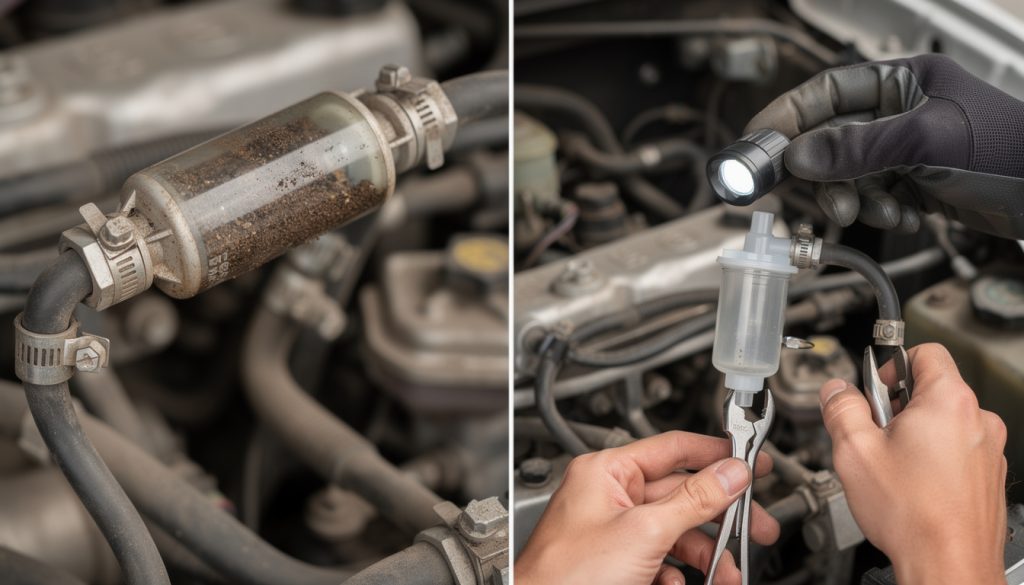
In the world of car maintenance, the fuel filter might often be overlooked, yet it plays a crucial role in ensuring your vehicle runs smoothly. A clogged or malfunctioning fuel filter can silently sabotage your engine’s performance, leading to stubborn starting problems, poor acceleration, and ultimately, costly repairs. The fuel system’s health directly depends on the quality and flow of fuel reaching the engine, making the fuel filter an unsung guardian against dirt, rust, and other contaminants that lurk even in fresh fuel. Understanding how to spot fuel filter symptoms, differentiate them from other fuel flow issues, and execute a proper fuel filter replacement can save drivers significant frustration and money.
Imagine you’re cruising down the highway and suddenly feel your engine stutter or lose power under acceleration. Or perhaps starting your car has turned into a guessing game, with the engine reluctant to fire up. These are classic signals that your fuel filter might be clogged or beginning to fail. Modern vehicles rely heavily on efficient fuel delivery systems; hence a compromised filter doesn’t just cause inconvenience but can trigger further damage, such as premature wear on the fuel pump. This comprehensive guide aims to equip you with detailed knowledge on how to identify a clogged fuel filter, what specific signs to watch for, and a step-by-step approach to replacing it safely and effectively at home or with the help of a professional.
Key Takeaways :
- A clogged fuel filter restricts fuel flow, causing engine hesitation, poor fuel economy, and stalling.
- Symptoms of malfunctioning fuel filters include hard starting, check engine light illumination, and strange engine noises during acceleration.
- Fuel filter replacement is usually recommended every 20,000–40,000 miles but varies with driving conditions and fuel quality.
- Cleaning a fuel filter without removal is generally ineffective; replacement is often the best solution.
- Replacing the fuel filter yourself requires basic tools, safety measures, and knowledge of your vehicle’s specific filter location.
Understanding the Role and Importance of a Fuel Filter in Your Vehicle’s Fuel System
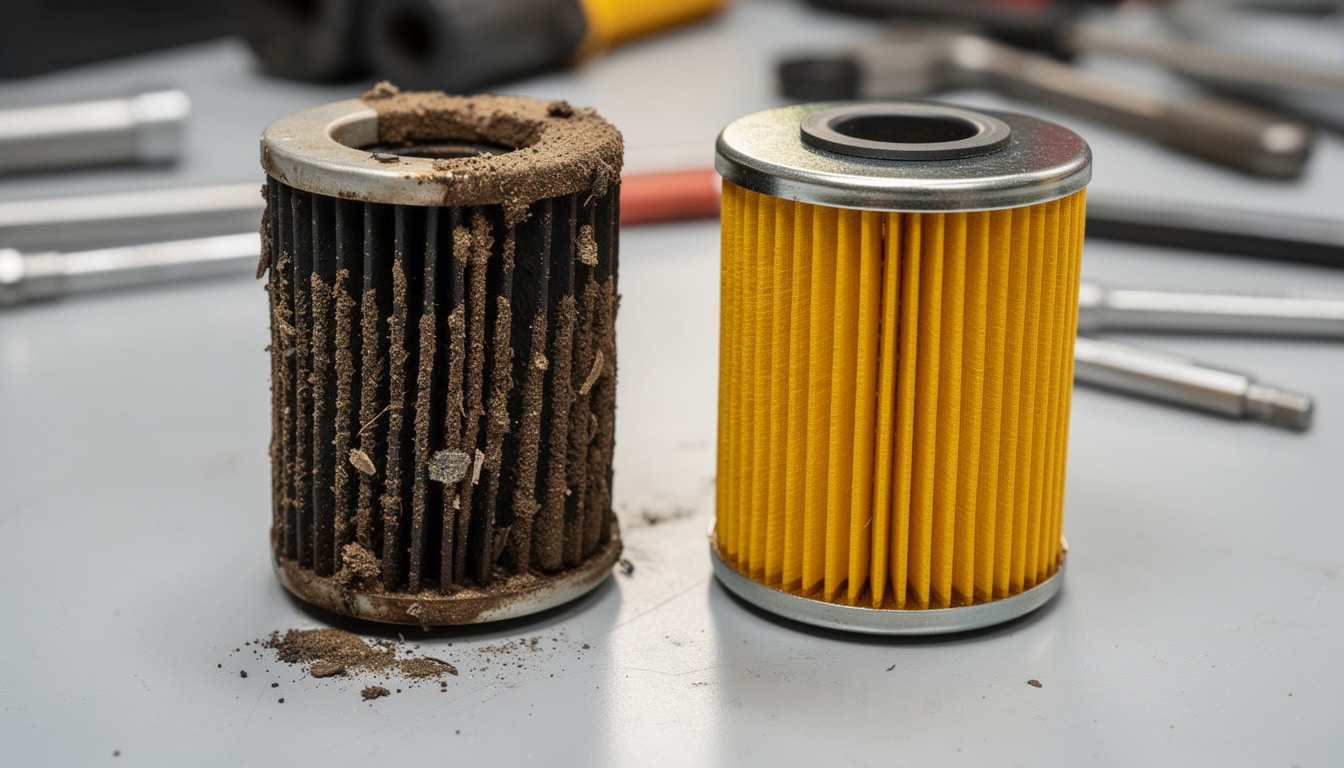
The fuel filter serves as a protective barrier in your vehicle’s complex fuel system, which transports fuel from the tank to the engine’s combustion chambers. Contrary to what many might think, fuel pumped into vehicles isn’t always spotless. It can contain dirt, rust particles, and even flakes of paint resulting from storage tank corrosion or contamination at the pump. The fuel filter’s job is to trap these contaminants, preventing them from reaching sensitive engine components.
By filtering out impurities, the fuel filter maintains optimal fuel flow and engine efficiency. An unchecked ingress of debris can cause rapid wear to injectors, carburettors, and cylinders, leading to reductions in fuel economy and engine lifespan. In the modern automotive scene of 2026, where engines are designed with increasingly precise fuel injection systems, the role of a fuel filter has never been more critical. Even a minor obstruction can disrupt the finely tuned balance of fuel and air, triggering performance problems and mechanical faults.
For example, some vehicles like those with complex fuel injection mechanisms often demand stricter fuel cleanliness, making regular inspection and timely replacement indispensable. In many cars, especially those detailed in maintenance-rich reviews such as the Peugeot 308 common issues reports, neglected fuel filters have been linked to recurring engine hesitations and early injector failures.
💡 Expert Tip: Always consult your vehicle’s owner manual to pinpoint your fuel filter’s location. In some models, it lies near the fuel tank; in others, it’s housed within the engine bay or even inside the fuel tank itself, which demands professional attention.
Identifying Fuel Filter Symptoms: How to Detect a Clogged or Malfunctioning Fuel Filter
Spotting a clogged fuel filter early can prevent significant vehicle trouble. A range of fuel filter symptoms will manifest, often subtly at first. Here are the foremost warning signs to watch out for:
Difficulty Starting the Engine
A clogged filter restricts fuel delivery, making it harder for the engine to start. You might find you need to crank your car much longer than usual before ignition takes place. In extreme cases, the engine might refuse to start altogether if the filter is fully blocked.
Erratic Engine Performance and Stalling
Once moving, your car may stall, especially from a stop or when accelerating. This is because the engine demands more fuel under increased load, which a clogged fuel filter can’t supply. Hesitation when pressing the accelerator or noticeable power loss reveals a struggle in fuel delivery. In some models, this leads to limp modes triggered by the onboard computer trying to protect the engine.
Check Engine Light and Diagnostic Trouble Codes
Modern vehicles log fuel pressure inconsistencies or lean running conditions, illuminating the check engine light. Using an OBD-II scanner to retrieve trouble codes related to fuel flow or injectors helps confirm the fuel filter as the culprit.
Strange Noises on Acceleration
Though the fuel filter itself is silent, its failure causes the engine to sputter or misfire. Popping sounds from the exhaust or rough, uneven operation accompanies clogged filters, particularly under sudden acceleration.
Unusual Fuel Odors or Leaks
If the filter casing is damaged, leaks can develop, emitting strong fuel smells around the car. This is a critical safety concern requiring immediate professional inspection.
| Symptom | Cause | Impact | Suggested Action |
|---|---|---|---|
| Hard Starting | Fuel restriction from clogged filter | Engine may not start or crank longer | Inspect and replace filter if needed |
| Engine Stalling | Inconsistent fuel flow | Car stalls especially under load | Replace filter promptly |
| Check Engine Light On | Sensor detects low fuel pressure | Potential engine damage if ignored | Scan codes and check filter |
| Fuel Odors | Damaged filter leaks fuel | Fire risk and environmental hazard | Immediate mechanic inspection |
| Poor Fuel Economy | Unbalanced fuel-air mixture | Higher fuel consumption | Regular maintenance and filter replacement |
Recognizing these symptoms early not only improves safety but directly improves your vehicle’s responsiveness and longevity, essential for anyone maintaining their car in 2026’s demanding driving environments.
Step-by-Step Guide to Replacing Your Vehicle’s Fuel Filter Efficiently and Safely
When your vehicle shows clear signs of a clogged or malfunctioning fuel filter, replacement is often the most reliable solution. Undertaking a fuel filter replacement is generally straightforward if you have basic hands-on skills and essential tools. Here’s a practical, stepwise approach:
- Prepare Safely: Park on level ground, engage the handbrake, and ensure the ignition is off. Remove the fuel pump fuse or relay to relieve pressure in the fuel lines, then take off the fuel cap to release tank pressure.
- Disconnect Battery: Remove the negative terminal of the battery to prevent electrical shorts.
- Locate the Fuel Filter: Check your owner’s manual; the filter is typically in the engine bay or near the fuel tank underneath the car. Some modern vehicles, including those like Volvo V50 models, might have in-tank filters requiring specialized tools or professional handling.
- Remove Fuel Lines: Use a fuel line release tool to carefully disconnect lines from the filter, catching any spilled fuel in a container.
- Detach the Old Filter: Unbolt the mounting bracket holding the filter in place and remove the clogged unit.
- Install the New Filter: Confirm the arrow on the new filter matches fuel flow direction; then secure it with bolts and reconnect fuel lines.
- Reassemble: Replace the fuel pump fuse or relay, reconnect the battery, and ensure all connections are secure.
- Test and Observe: Start the engine and inspect for leaks. It might take a few seconds for fuel pressure to build and the engine to start smoothly. Once running, take a short test drive monitoring for improved performance and fuel flow.
💡 Expert Tip: Always wear protective gloves and eyewear during this process to avoid contact with fuel and any associated hazards.
Replacing the fuel filter yourself can save considerable costs compared to garage labor. Still, complicated setups involving in-tank filters found in many luxury cars, such as the Mercedes-Benz S-Class, may require professional service to avoid damage. If unsure, consulting detailed guides like this one, or manufacturer-specific maintenance resources, ensures your safety and success.

Frequently Asked Questions Related to Fuel Filter Problems and Maintenance
Can I clean my fuel filter instead of replacing it?
In most modern vehicles, fuel filters are sealed and cannot be effectively cleaned. Attempting to clean can damage the filter and won’t guarantee restored performance. Replacing the filter is the safest and most reliable option.
What happens if I drive with a clogged fuel filter?
Driving with a clogged filter reduces fuel flow, leading to engine misfires, stalling, decreased power, and potentially permanent damage to the fuel pump and injectors. Immediate replacement is recommended to avoid costly repairs.
How often should I replace the fuel filter?
Replacement intervals vary but generally range between 20,000 and 40,000 miles. Driving in dusty or poor fuel quality conditions may require more frequent changes. Check your owner’s manual for specific guidance.
Is it safe to replace a fuel filter myself?
Yes, provided you follow safety procedures, including relieving fuel pressure, disconnecting the battery, and working in a well-ventilated area away from sparks or flames. If your vehicle has an in-tank filter, professional service is advisable.
How do I know where my fuel filter is located?
The owner’s manual is the best guide for locating your fuel filter. In general, it is found in the engine bay, under the vehicle near the fuel tank, or inside the fuel tank itself.
Understanding the critical role your fuel filter plays helps make sense of how keeping it clean and functional is essential in maintaining a healthy engine and consistent vehicle performance. For further information on fuel system care, you might find the detailed guide on replacing and cleaning fuel injectors insightful as well.