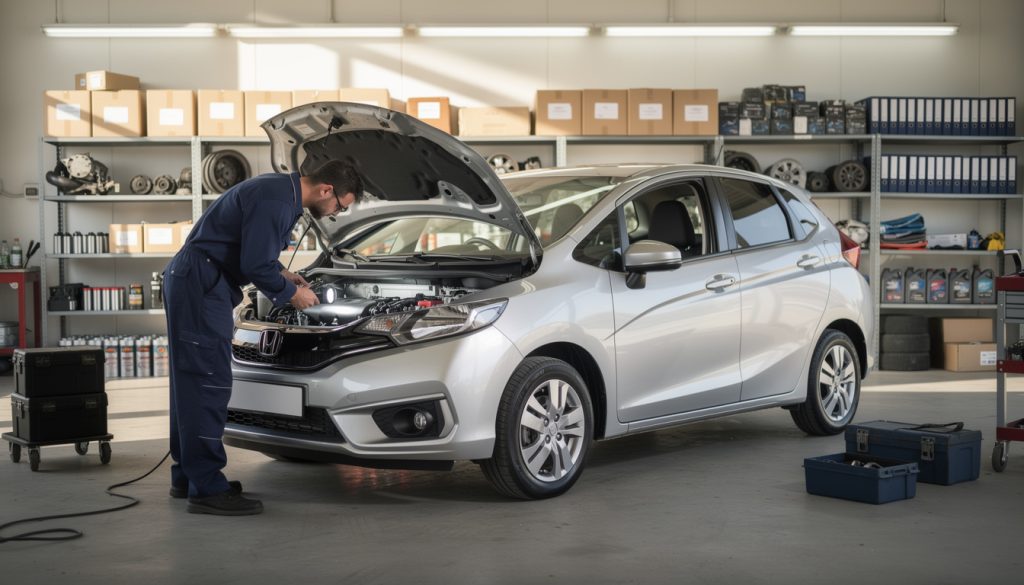
The Honda Jazz remains a top pick among urban drivers and seasoned motorists seeking a reliable, spacious city car. Known for its clever interior design and ease of handling on congested streets, this model combines comfort with practical functionality. Despite a higher initial cost for a new purchase, the Jazz offers great value on the second-hand market with modest maintenance demands, especially when genuine Honda parts are used. However, every vehicle, including the Jazz, has its quirks and common problems that prospective buyers and current owners should understand to ensure optimal vehicle care and longevity.
Key Takeaways:
- The Honda Jazz is favoured for comfort, space, and urban manoeuvrability.
- Common issues include brake pad wear, electrical faults in window controls, and gearbox concerns.
- Regular car servicing and diligent brake maintenance can prevent costly repairs.
- Careful inspection of door locks and seals helps avoid water ingress and mechanical failures.
- Understanding exhaust system needs is crucial in city-driven Jazz models to prevent engine issues.
Identifying and Preventing Common Honda Jazz Brake Problems
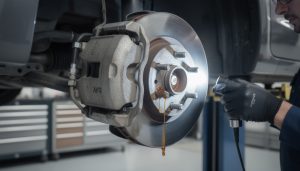
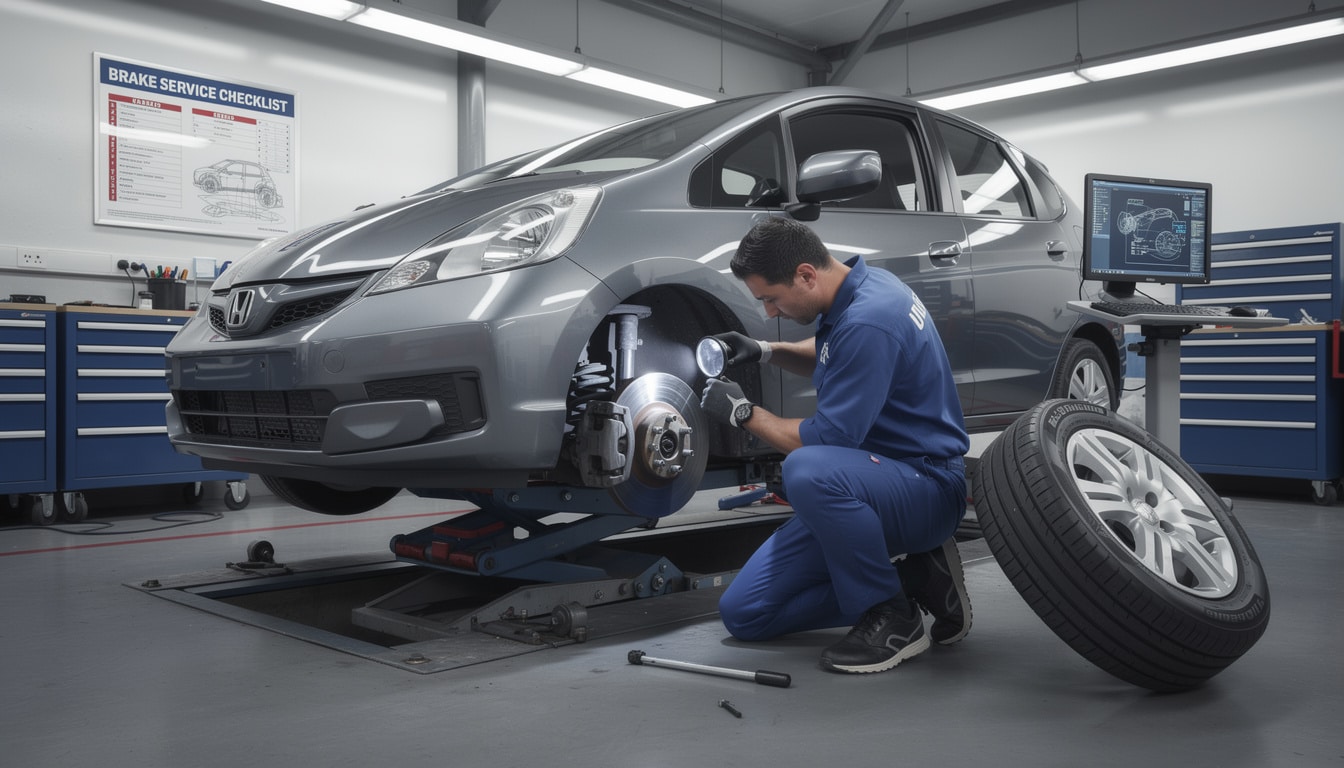
The braking system is arguably the most critical aspect of vehicle safety and performance. Among Honda Jazz owners, brake pad wear stands out as a recurring issue. Many Jazz models experience premature friction material deterioration, resulting in degraded stopping power and necessitating earlier replacement than expected. This not only increases maintenance costs but compromises safety if unnoticed.
When inspecting a used Jazz, a thorough test drive is essential. Pay attention to any noise, reduced responsiveness, or increased braking distance. Early signs of brake wear often manifest as a subtle but persistent squeal or a soft brake pedal feel. If such symptoms appear, the brake pads may be nearing the end of their service life. Moreover, some drivers report wear-related issues with brake discs, which can lead to vibrations during braking.
Maintaining brake health in the Jazz involves regular brake servicing every 20,000 to 30,000 miles, depending on driving habits. Using high-quality, genuine Honda brake pads ensures compatibility and durability. Regular inspection can identify pad thickness and disc condition before they cause bigger problems. Brake fluid should also be replaced every two years to maintain hydraulic efficiency and prevent moisture-induced corrosion inside the braking system.
💡 Expert Tip: When purchasing a second-hand Jazz, test the brakes under various conditions—gentle stops, emergency braking, and downhill scenarios—to detect any unusual behaviour early.
Ignoring brake maintenance can lead to a dangerous situation, especially given the Jazz’s popularity as a city car, where frequent stopping is inevitable. Despite occasional issues, properly maintained brakes on the Honda Jazz provide solid and reliable performance for daily driving.
Electrical System Concerns: Diagnosing and Addressing Window Control Faults
Electrical systems in used vehicles often present unexpected challenges, and the Honda Jazz is no exception. One of the most common electrical issues relates to the window control units. Owners often report windows reacting slowly or inconsistently to switch inputs, particularly in the rear doors.
The root cause is usually a faulty window regulator motor or worn electrical contacts within the door panel. Moisture intrusion and dirt accumulation further exacerbate these problems. A sluggish or non-responsive window not only causes inconvenience but can also pose safety issues, particularly in emergencies.
When evaluating a second-hand Jazz, systematically test each window, noting any delay or hesitation in response. If the rear windows are particularly slow, this could indicate the need to replace the regulator or the entire switch assembly. Fortunately, replacement parts are usually affordable and straightforward to install, especially with genuine Honda components.
For owners experiencing these faults during their vehicle’s service life, timely intervention by a professional can prevent further electrical complications or drain on the vehicle’s battery. Regular vehicle care, including moisture barrier checks inside door panels, can mitigate some of these issues before they become critical.
💡 Expert Tip: If a window is slow, try lubricating the window channel and inspecting wiring connections prior to considering full part replacements.
Troubleshooting Gearbox Issues: CVT and Manual Transmission Insights
The Honda Jazz has evolved through generations, with some models featuring the seven-speed continuously variable transmission (CVT) introduced around 2002. While the CVT provides smooth acceleration and improved fuel economy, it is also prone to certain faults that prospective buyers and owners should understand.
Common symptoms of CVT gearbox problems in the Jazz include juddering during takeoff, unusual noises emanating from the gearbox, and hesitation under load. These hint at possible belt wear, fluid degradation, or internal component failure. The CVT relies heavily on clean transmission fluid, which should be replaced at recommended intervals—typically every 40,000 miles.
If you’re considering models equipped with a CVT, it’s essential to verify the service history. Neglected fluid changes can accelerate wear and lead to expensive gearbox replacements or repairs. In some cases, juddering can be remedied by a professional transmission service, including fluid flush and belt inspections.
While gearbox issues are less common in manual Jazz models, some owners report difficulty selecting gears or a rough clutch feel. This often stems from linkage wear or clutch system fatigue but remains comparatively rare. A test drive focused on gear shifts can reveal any symptoms early, preventing unexpected repair bills.
Taking proactive steps in gearbox maintenance ensures the Jazz’s renowned reliability persists. The costs saved by diligent maintenance far outweigh the potential expensive interventions required when gearbox issues go unnoticed or ignored.
Common Door and Seal Problems with Practical Fixes
Door functionality and weatherproof sealing are crucial to maintaining vehicle integrity and passenger comfort. Honda Jazz models occasionally suffer from problems such as locking mechanism wear and water seal degradation. Both issues can impact daily usability and cause more severe problems if left unattended.
For second-hand buyers, testing all door locks with the supplied key is imperative. Some Jazz models show wear-induced lock seizure, making manual or remote locking difficult or impossible. Mechanical failures of this nature not only reduce convenience but pose a security risk.
Furthermore, rear door seals, if cracked or damaged, can allow rainwater to seep inside, accumulating in footwells or even the boot area via faulty wheel arch seals. Persistent moisture exposure can promote rust and electrical faults.
Practical tips to avoid door-related problems:
- Inspect all door locks under different conditions and lubricate them regularly.
- Check rear door seals for cracks or hardening and replace any suspect rubber components promptly.
- Look inside wheel arches and boot edges for signs of water ingress or damp patches.
- Apply silicone spray or appropriate seal conditioners to maintain flexibility.
Proper upkeep of these components ensures you avoid costly bodywork rust repairs and maintain a dry, noise-insulated cabin environment.
Exhaust System and Handbrake: Essential Maintenance for City-Run Jazz Models
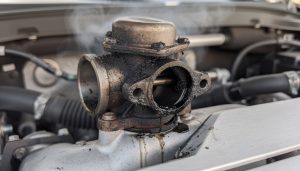
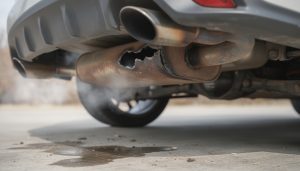
Those using a Honda Jazz mainly for city driving may encounter specific issues related to the exhaust system and handbrake mechanism. Frequent short trips do not allow the engine and exhaust to reach optimal temperatures, potentially causing buildup or blockages in the exhaust pipe or catalytic converter. This can trigger engine hesitation or poor performance, symptoms often misinterpreted as severe mechanical problems.
Regular maintenance ensures these problems are minimized. Occasional longer drives or professional cleaning of the exhaust can prevent carbon deposits from affecting engine efficiency. When inspecting a potential purchase, listen for irregular engine running or exhaust noises indicative of blockages.
On another front, the handbrake on some Honda Jazz models might not hold securely, especially on inclines. The culprit often is a faulty brake caliper or worn cables, requiring component replacement. Testing the handbrake’s grip on various gradients is a straightforward way to assess this critical safety feature.
💡 Expert Tip: Always test the handbrake on varied slopes and check handbrake warning lights for early diagnostics.
| Issue | Symptoms | Recommended Checks | Potential Solutions |
|---|---|---|---|
| Brake Pad Wear | Squealing, increased stopping distance | Visual pad thickness inspection, test drive | Replace pads, check discs, fluid change |
| Window Control Fault | Slow or unresponsive electric windows | Test all window switches, inspect motors | Lubricate tracks, replace motor or switches |
| CVT Juddering | Shudder on acceleration, noise | Check service history, fluid condition | Transmission service or repair |
| Door Lock Seizure | Locks hard to operate | Manual lock testing, lubrication | Repair or replace locking mechanism |
| Exhaust Blockage | Engine hesitation, rough idle | Listen for irregular exhaust sounds | Professional exhaust cleaning |
How often should I change the oil on a Honda Jazz?
It is recommended to follow the manufacturer’s guidelines, typically every 10,000 to 12,000 miles, or annually. Using the correct grade of oil ensures engine longevity and performance.
Are CVT gearboxes reliable on the Honda Jazz?
CVT gearboxes are generally reliable when properly maintained, particularly with regular fluid changes. Neglect can lead to premature wear and costly repairs.
What are signs of electrical window faults in the Jazz?
Symptoms include slow response to switch inputs, windows stopping midway, or unusual noises during operation.
Can I fix brake pad wear myself on a Honda Jazz?
If you have mechanical experience, replacing brake pads can be done with proper tools and safety precautions. Otherwise, professional brake servicing is advised.
What should I check to avoid water leaks in a used Honda Jazz?
Inspect door seals, rear wheel arch seals, and boot seals for any cracks, hardening, or damage that could let water enter the vehicle.