Driving in rain, snow, or any bad weather requires clear visibility, and your windscreen wiper motor plays a vital role in ensuring this. When this component malfunctions, it can jeopardize your safety and lead to legal troubles. This article dives deep into the top 6 signs your windscreen wiper motor is malfunctioning, helping you recognize problems early and know when to act.
Key Takeaways :
- Slow or irregular wiper movement often points to motor issues.
- Wipers stuck at one speed indicate potential motor or electrical faults.
- Unusual noises or burning smells signal motor wear or electrical problems.
- Complete wiper failure usually means the motor has stopped working entirely.
- Proper maintenance and quick diagnosis can extend motor life and avoid costly repairs.
Identifying Slow Wiper Movement and Other Early Signs of Windscreen Wiper Motor Malfunction
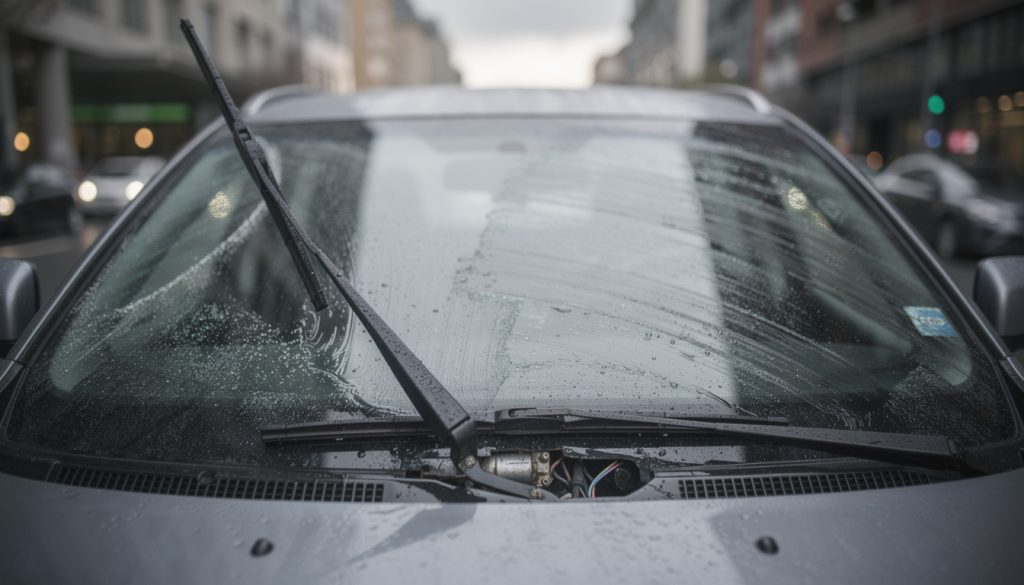
The most immediate and obvious indication that your windscreen wiper motor is malfunctioning is slow wiper movement. You’ll notice the blades lagging behind the expected speed, or moving in a jerky, uneven manner. This happens when the motor’s internal components begin to wear out or when there’s insufficient power transferring to the blades.
I’ve seen many cases where drivers ignored this symptom until the wipers almost stopped working altogether. Early detection is crucial — slow or odd wiper movement compromises your visibility, especially during sudden downpours. It’s also common to experience intermittent operation, where the wipers start and stop sporadically without control. In these cases, electrical issues such as faulty wiring or a failing relay can be underlying causes.
Testing each speed setting is a quick way to check your wiper motor’s health. If the blades remain stuck at a single speed regardless of adjustment, or if the motor struggles to power faster speeds, that’s a clear sign something’s off. This symptom often arises due to damaged internal motor brushes or compromised circuitry inside the motor assembly.
In some instances, the wipers may even stop mid-sweep or fail to return to their resting position. This wipers stuck condition could indicate the motor’s control mechanisms are impaired, or the linkage connecting the motor to the blades is malfunctioning.
- Slow, uneven blade movement
- Single-speed wiper operation despite control input
- Wipers stopping mid-cycle or stuck out of position
- Intermittent functioning of the wiper system
- Electrical buzzing or humming noises unexpectedly
Ignoring these symptoms can lead to complete wiper failure — leaving you vulnerable during adverse weather conditions.
Common Causes of Windscreen Wiper Motor Malfunction
Understanding what causes your windscreen wiper motor to malfunction helps in both prevention and repair. The primary culprits fall into a few distinct categories:
Electrical Issues Disrupting Motor Function
Many windscreen wiper motor problems originate from electrical faults. These can include:
- Damaged wiring harnesses or loose connections causing intermittent or no power supply.
- Blown fuses preventing the motor from receiving current.
- Failing relays or switches that interfere with signaling from the wiper control to the motor.
For example, a short circuit from moisture intrusion or corrosion in connectors may block power flow. Diagnosing electrical faults requires checking fuses, wiring continuity, and relay operation using a multimeter.
Wear and Tear From Long-Term Use
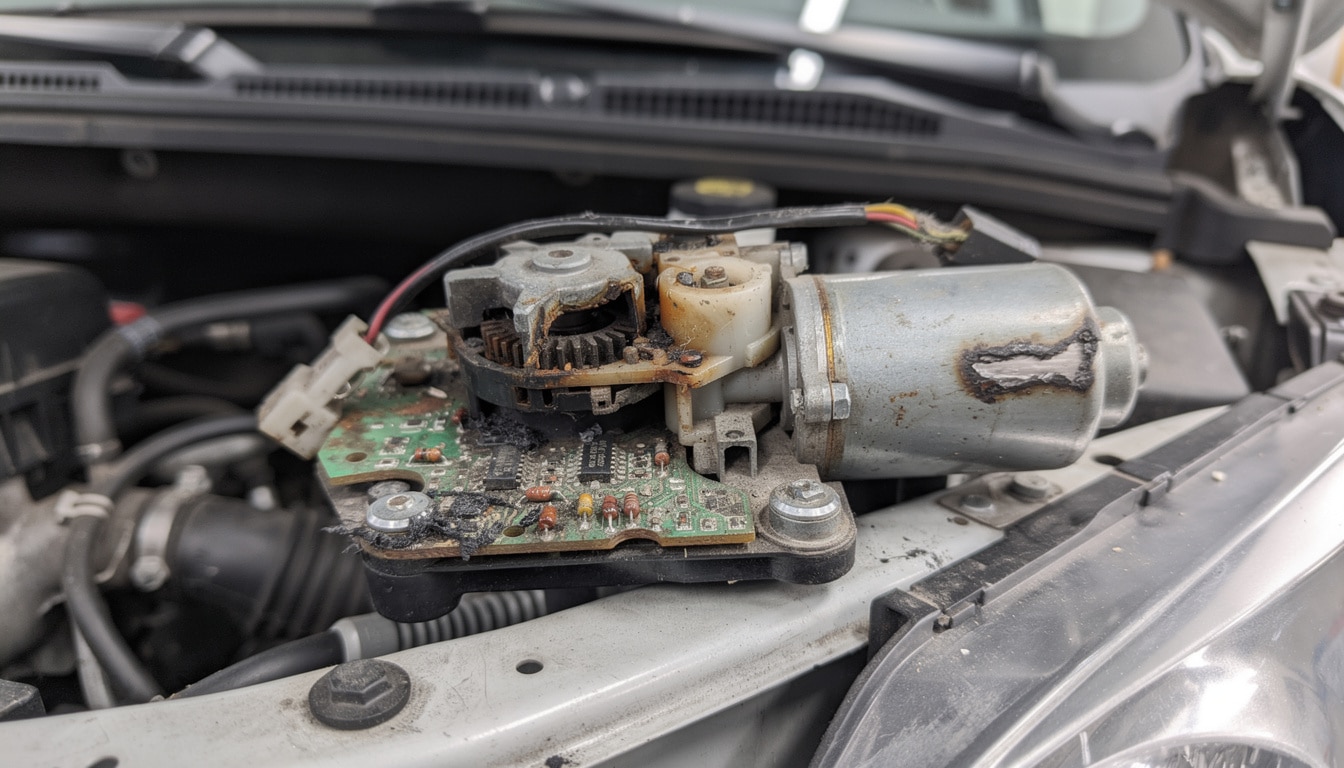
Like any automotive part with moving elements, windscreen wiper motors inevitably wear out over time. Brushes inside the motor can degrade, gears can strip, and internal bearings may seize, leading to noisy motor sounds or total failure. An example I encountered involved a Peugeot 206 whose motor had worn brushes causing slow, erratic movement — a common issue outlined in reports about Peugeot 206 common issues.
Dirt, Debris and Water Invasions
Debris such as leaves, ice, or hardened grime can clog motor components or mechanical linkages, preventing smooth operation and stressing the motor. Water ingress can corrode electrical parts, causing shorts and overheat. Overheating often occurs when the wipers are forced to operate against resistance, like thick ice layers on the windscreen, leading to a motor malfunction or even a burning smell that signals electrical damage.
Overloading Due to External Forces
Windscreens covered in heavy snow or ice create excessive strain on the wiper motor when attempting to clear the debris. The motor isn’t designed for such resistance, so repeated strain can cause permanent damage, sometimes abruptly ending motor functionality.
| Cause | Effect | Common Symptoms |
|---|---|---|
| Electrical fault (wiring, fuse, relay) | No or unreliable power to motor | Intermittent operation, wipers stuck, no movement |
| Wear and tear | Loss of motor efficiency, noise, slow movement | Slow wiper movement, noisy motor |
| Dirt/debris ingress | Mechanical blockage, corrosion | Wipers stop suddenly, motor overheating |
| Overloading (ice/snow) | Burned out motor, seizure | Burning smell, total failure |
Effective Maintenance Practices to Prolong Your Windscreen Wiper Motor’s Life
To avoid unexpected breakdowns, preventive maintenance is key. Here’s a checklist of practical actions I recommend:
- Regularly clean your wiper blades and arms to remove dirt and debris.
- Use soapy water and gentle cleaning agents to prevent rubber corrosion and maintain blade flexibility.
- Check and top up your windshield washer fluid to avoid dry wiping, which damages blades and strains the motor.
- Inspect wiper blades for cracks, tears, or stiffness and replace them every 6-12 months, or as soon as you notice streaking.
- Always remove thick ice or snow layers manually before turning the wipers on, reducing motor overload risk.
- Park wipers correctly at the base of the windscreen to avoid mechanical strain on the motor.
Regular maintenance can extend your motor’s lifespan and improve wiper performance significantly. If you detect noisy motor or sluggish movement despite maintenance, deeper inspection or professional diagnostics are warranted.

💡 Expert Tip: Keep a small toolkit with a multimeter and fuse tester in your car to quickly check for electrical faults in case of wiper failure during travel.
Diagnosing and Repairing Windscreen Wiper Motor Issues: When to DIY and When to Seek Help
Many minor issues, especially electrical fuses or relays, are simple to troubleshoot and replace if you have basic mechanical skills. For example, swapping out a blown fuse or repairing loose wiring connections often restores motor function quickly and inexpensively.
However, failing motors with internal wear, gear damage, or burnt windings typically require replacement. In these cases, costs depend on vehicle make and part sourcing. Typically, a windscreen wiper motor replacement ranges from $80 to $250, including labor for most mid-range vehicles.
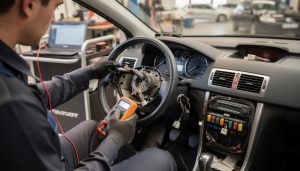
Attempting to disassemble the motor without the right tools or experience might cause further damage. If your wipers display intermittent operation, or if you smell burning when activated, it’s safer to have a professional mechanic diagnose the problem. They also have the tools to reset motor park position or recalibrate controls if needed.
When purchasing replacement motors, consider OEM parts for durability but also reputable used options to save costs if verified for good condition. For common models like Peugeot 206, community forums and reported common issues can offer guidance on specific motor quirks.

Risks of Ignoring Windscreen Wiper Motor Malfunctions and Safety Considerations
Failing to address windscreen wiper motor issues can lead to complete wiper failure, severely obstructing visibility and increasing accident risk. Beyond safety, many regions enforce strict vehicle standards. The Department of Transport requires all vehicles to have fully functional wipers. Ignoring defects could result in:
- Legal penalties such as fines or penalty points on your driver’s license.
- Your vehicle failing roadworthiness tests or MOT inspections.
- Heightened danger while driving in adverse weather conditions.
- Possible increase in insurance premiums following accidents related to impaired visibility.
Consider this realistic scenario: a motorist with faulty wipers on a rainy highway might be flagged by law enforcement. If caught driving with insufficient windscreen clearing ability, fines and points can apply as clearly noted by transport authorities.
Regularly familiarizing yourself with wiper operation and promptly recognizing failures can prevent such outcomes. For a deeper dive into car issues and preventative strategies, see additional resources on common vehicle problems and fixes.
What are the first signs of windscreen wiper motor failure?
Slow, uneven wiper movement and wipers stuck at one speed are earliest signs indicating motor malfunction.
Can I repair a windscreen wiper motor myself?
Basic electrical issues like fuses or wiring can often be fixed by DIY, but internal motor repair typically requires professional help.
How much does replacing a faulty wiper motor cost?
Costs vary by vehicle and location but generally range between $80 and $250 including labor.
Is it dangerous to drive with malfunctioning wipers?
Yes, impaired visibility elevates accident risk and may lead to legal penalties.
How to maintain my windscreen wiper motor?
Regular cleaning, blade replacement, topping up washer fluid, and avoiding operating against ice will keep the motor healthier longer.