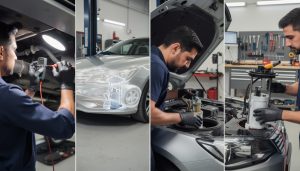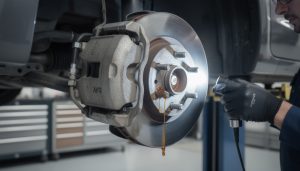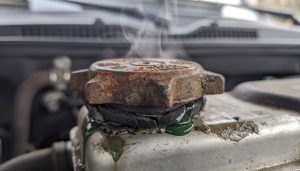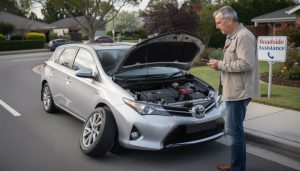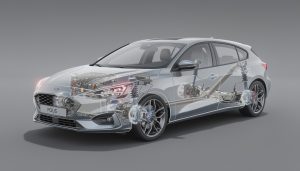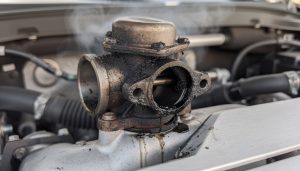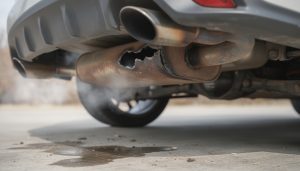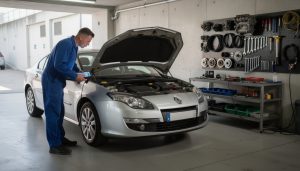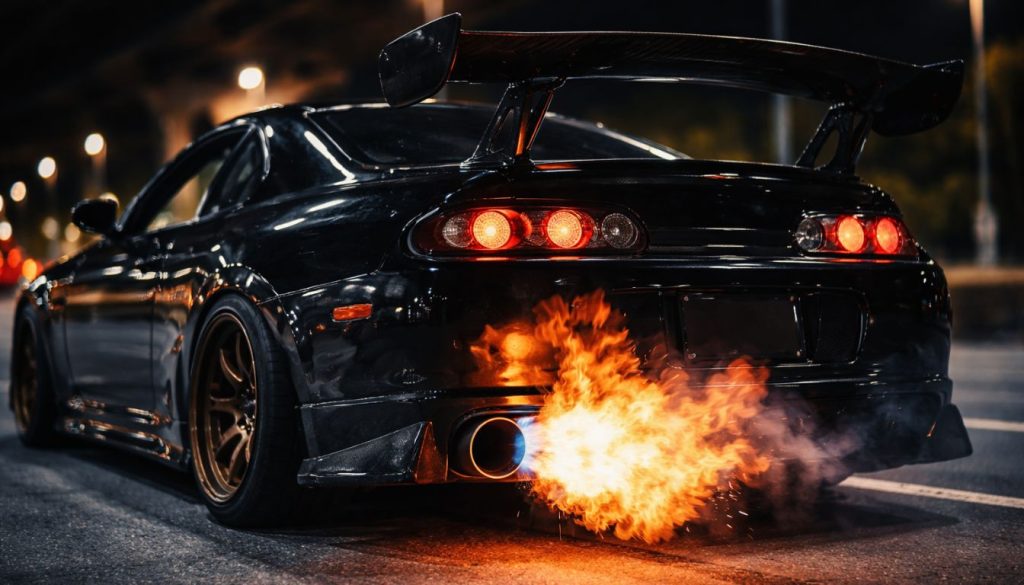
In 2026, the unexpected pop or bang from your car’s engine or exhaust system often signals a backfire, a sudden combustion of unburned fuel. Whether caused by mechanical intricacies or fuel delivery imbalances, understanding car backfires is essential for swift diagnosis and repair. Recognizing this symptom early helps prevent engine damage and ensures safer driving experiences.
Key Takeaways:
- Backfires result from unburned fuel exploding in the engine or exhaust system.
- Causes include faulty ignition timing, incorrect fuel mixture, and exhaust leaks.
- Misfires differ as they involve incomplete combustion inside cylinders.
- Fixes revolve around servicing ignition components, exhaust repairs, and fuel system checks.
- Regular car maintenance is crucial to prevent recurrent backfires and protect the engine.
Common mechanical causes behind car backfires and how to spot them
Car backfires occur when unburned fuel ignites unexpectedly in the engine or exhaust. Pinpointing the underlying mechanical causes is the first step to effective repair. Often, engine backfire symptoms arise due to issues like incorrect ignition timing, a faulty fuel mixture, or air leaks in the exhaust system.
For instance, if the spark plugs fire too early or too late, they can ignite fuel at the wrong moment in the combustion chamber, causing a sudden explosion rather than smooth burning. Timing problems often trace back to worn timing chains, malfunctioning camshafts, or a failing distributor. Drivers might notice irregular engine noises coinciding with backfires or poor acceleration.
Fuel mixture imbalances are another leading cause. An overly rich mixture, where there is too much fuel, means some fuel escapes combustion and ignites noisily later in the exhaust. Conversely, a lean mixture lacks sufficient fuel, causing misfires and exhaust pops. These imbalances can stem from clogged fuel injectors, dirty air filters, or malfunctioning oxygen sensors.
Exhaust system leaks provide oxygen that allows unburned fuel to ignite in the exhaust manifold or piping. These leaks can happen due to rust, cracks, or damaged gaskets, often producing noticeable hissing sounds alongside backfires. Additionally, damaged exhaust valves or carbon buildup on valve seats can prevent proper sealing, triggering premature fuel ignition.
Identifying these mechanical issues early prevents damage escalation. Regular inspection and maintenance, such as replacing worn spark plugs or cleaning the air intake, can stop the repetitive popping sounds from disturbing your driving.
💡 Expert Tip: Always check for vacuum leaks or damaged hoses immediately after a backfire, as these often cause air-fuel mixture disruptions that lead to the problem.
Differentiating between car backfires and engine misfires for accurate troubleshooting
Understanding whether your vehicle is experiencing an engine backfire or an engine misfire is crucial for effective diagnosis. Both involve combustion issues, but their origins and symptoms differ distinctly.
An engine backfire specifically hinges on unburned fuel igniting explosively outside the combustion chamber—typically in the intake manifold or exhaust system. This event generates a loud bang or popping noise. By contrast, a misfire involves the failure to combust fuel inside a cylinder properly, resulting in rough engine operation, loss of power, and vibrations.
Backfires often present with a sharp noise followed by potential stalling. Misfires manifest as a jerking sensation during acceleration, rough idling, and sometimes a noticeable drop in fuel efficiency. While backfires demand attention to exhaust leaks, ignition timing, or fuel delivery outside the cylinder, misfires necessitate checking spark plugs, fuel injectors, or ignition coils.
For example, a driver encountering a backfire may also detect flames or a sulfuric smell near the exhaust, signaling unburned fuel ignition downstream from the engine. Meanwhile, a misfire might trigger the engine control unit to illuminate the check engine light accompanied by diagnostic trouble codes indicating cylinder-specific ignition failure.
Swiftly distinguishing between these two problems avoids unnecessary repairs and targets the precise mechanical systems at fault.

Practical steps and solutions to fix and prevent car backfires effectively
Fixing car backfires revolves around addressing the root mechanical issues related to the ignition system, fuel mixture, and exhaust integrity. A systematic approach yields reliable results and minimizes downtime.
Start with a thorough inspection of the ignition components. Replace aged or fouled spark plugs and cracked distributor caps promptly, as these parts ensure the precise timing of spark delivery necessary for efficient combustion. Additionally, inspect ignition wires for damage or wear, which can cause weak sparks and incomplete fuel burning.
Next, evaluate the fuel system. Cleaning or replacing clogged fuel injectors prevents excess fuel buildup that could ignite in the exhaust system. Regularly replacing air filters secures an optimal air-fuel mixture, avoiding overly rich conditions prone to backfires. For vehicles with oxygen sensors older than 75,000 miles, replacement helps maintain accurate fuel mixture control by the engine’s computer.
Addressing exhaust leaks is another critical corrective action. Listen for unusual hissing or tapping sounds, and examine the exhaust manifold, gaskets, and pipes for damage or rust. Repairing even minor leaks restores the proper operation of the exhaust system and prevents unburned fuel ignition outside the combustion chamber.
It’s also essential to maintain engine belt conditions and ensure timing chains or belts are properly aligned. Worn belts can disrupt camshaft and crankshaft synchronization, leading to poor ignition timing and backfires. Moreover, regular catalytic converter inspections help avoid blockages or malfunctions that can influence exhaust pressure and increase backfire risks.
- Check and replace ignition components regularly (spark plugs, caps, and wires).
- Maintain clean air filters and fuel injectors for proper fuel mixture.
- Repair any exhaust leaks promptly.
- Inspect and correct engine timing elements including belts and chains.
- Monitor oxygen sensors and catalytic converter condition.
Consistent vehicle maintenance prevents minor mechanical hiccups from turning into chronic backfire issues, safeguarding engine health and performance.

Impact of fuel mixture and ignition timing on engine backfiring: deep dive into the mechanics
Fuel mixture quality and ignition timing have a profound impact on whether a car backfires. The fuel mixture refers to the precise ratio of air to fuel that enters the combustion chamber. When this ratio is off, combustion efficiency diminishes, leading to unburnt fuel that can explode in the exhaust system or intake manifold, generating backfires.
A mixture that is too rich means excess fuel remains unburnt, typically because not enough air supports complete combustion. This condition often manifests in older vehicles with clogged air filters or faulty fuel injectors. Conversely, a lean fuel mixture—too much air and too little fuel—can cause engine knocking and misfires but generally less backfiring.
Ignition timing governs when the spark plug fires relative to the piston position. Ideally, the spark should ignite the fuel-air mix just before the piston reaches top dead center, maximizing power. If the timing is advanced or delayed, combustion can occur too early or late, causing explosive ignition that manifests as a backfire. Advanced timing often results in violent knocking noises and potential engine damage.
The synchronization between fuel mixture and ignition timing is vital. Modern vehicles rely on computer controls and sensors to regulate these factors accurately. However, sensor failures, outdated components, or mechanical wear can disturb this balance.
| Cause | Effect on Fuel Mixture/Ignition Timing | Resulting Backfire Symptom | Typical Repair |
|---|---|---|---|
| Clogged air filter | Rich fuel mixture due to lowered air intake | Popping in exhaust; black smoke sometimes visible | Replace air filter |
| Worn spark plugs | Irregular spark timing and weak ignition | Backfire during acceleration; engine misfires | Change spark plugs |
| Faulty oxygen sensor | Improper air-fuel ratio feedback | Engine runs rich or lean causing backfire | Replace oxygen sensor |
| Timing chain wear | Incorrect ignition timing; spark firing too early/late | Loud backfire and engine stall | Adjust or replace timing chain |
Understanding these interconnected systems helps diagnose backfire causes accurately and apply the correct remedy to ensure consistent engine performance.
Preventive car maintenance tips to avoid backfiring and prolong engine life
Proactive car maintenance is the most reliable way to prevent the disruptive and potentially harmful effects of backfires. Establishing a routine focused on key systems drastically reduces the probability of these incidents.
One primary step is sticking to a regular replacement schedule for spark plugs and ignition components. Replacing spark plugs every 30,000 to 50,000 miles depending on vehicle type keeps ignition sharp and consistent. Equally, routinely inspecting distributor caps, ignition coils, and wiring ensures sparks occur without interruption.
Clean air flow is essential. Change air filters every 15,000 to 20,000 miles or sooner if driving in dusty areas. Ensure fuel injectors receive cleaning treatments periodically to prevent clogging and maintain fuel delivery accuracy. Monitoring exhaust system integrity for leaks or rust is also crucial, as undetected damage increases the likelihood of backfires.
Furthermore, diagnostic scans using OBD-II readers allow early detection of oxygen sensor or catalytic converter failures. Prompt sensor replacement not only improves fuel efficiency but also prevents the engine from running with an improper mixture that triggers backfires.
- Schedule spark plug and ignition part replacement as per manufacturer guidelines.
- Inspect and replace air filters regularly for optimal airflow.
- Conduct fuel injector cleaning or replacement if necessary.
- Check exhaust system and catalytic converter annually for leaks or damage.
- Use diagnostic tools to monitor engine sensor health.
Investing in comprehensive maintenance not only eliminates causes of backfires but also lengthens engine lifespan and improves overall vehicle reliability.
What causes a car to backfire?
Backfires are caused by unburned fuel igniting in the engine or exhaust system due to issues like faulty ignition timing, incorrect fuel mixture, exhaust leaks, or damaged valves.
How can I tell if my car is backfiring or misfiring?
Backfires create loud pops or bangs in the exhaust or intake, while misfires cause engine roughness and jerking during acceleration or idling. Both require different troubleshooting approaches.
Is backfiring dangerous for my vehicle?
Frequent backfires can damage the engine or exhaust system over time, so prompt diagnosis and repair are important to prevent further mechanical issues.
Can I fix backfiring problems myself?
Basic fixes like replacing spark plugs, air filters, or checking for exhaust leaks can be done by a knowledgeable driver, but complex issues like timing adjustments require professional help.
How does fuel mixture affect backfiring?
An overly rich or lean fuel mixture disrupts combustion efficiency, leaving unburnt fuel that can ignite unexpectedly, causing backfires. Maintaining the correct air-fuel ratio is vital.