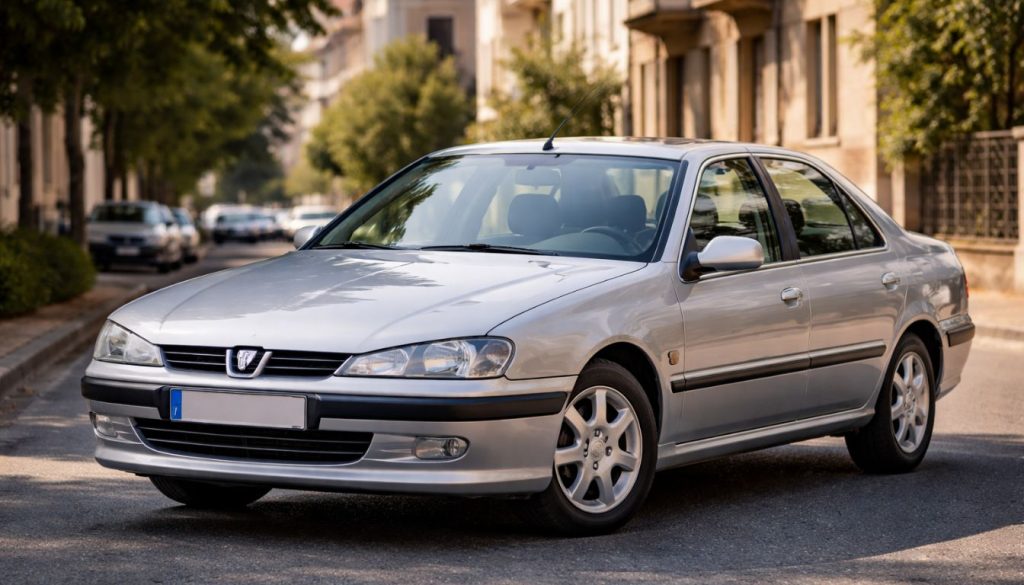
The Peugeot 406, produced from 1995 to 2005, remains a beloved figure on European roads thanks to its elegant styling and practical design. While it offered a variety of engine options, including the economical 1.6L petrol and the robust 2.9L V6 petrol, owners have encountered specific mechanical and electrical challenges over the years. As these vehicles age, understanding the common problems and reliability aspects is crucial for buyers and current owners alike to maintain performance and safety effectively.
Key Takeaways :
- Brake discs often warp, affecting stopping distances and safety.
- ABS warning lights frequently illuminate falsely due to sensor faults.
- Indicator stalk failures are common but generally low-cost to repair.
- Engine stalling, particularly in 2.0L petrol models, can signal deeper issues.
- Regular maintenance of timing belts and radiators is critical to prevent costly repairs.
Common Mechanical Failures Impacting Peugeot 406 Reliability
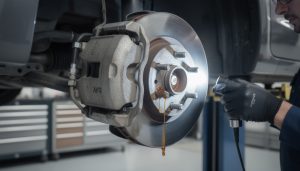
When assessing the Peugeot 406’s reliability, the first area to consider is its mechanical components, which directly influence safety and driving comfort. One recurring concern is the warping of brake discs. This issue typically presents during test drives as inconsistent or prolonged stopping distances. If you experience a pulsation in the brake pedal or hear squealing noises, it’s a clear sign the discs may be warped and ready for replacement.
Warped discs not only impair brake effectiveness but also accelerate wear on pads and other brake parts. Replacing brake discs, while not excessively costly compared to some engine repairs, can still add a significant amount to your maintenance budget—commonly ranging between $150 and $300 per axle depending on parts quality. It’s vital to check that brake components are in good order before committing to a purchase or continuing use.
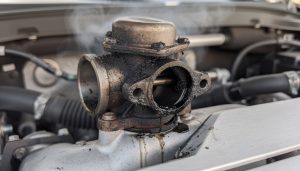
Another mechanical reliability factor is the stability of the engine operation. Many owners of 2.0L petrol 406 models report engine stalling issues, particularly when starting cold or cruising at low RPMs. This symptom can stem from a range of factors such as fuel delivery problems, faulty sensors, or ignition system faults. Beyond the inconvenience, persistent stalling can signal underlying mechanical wear or failure that may require urgent diagnosis.
Checking engine smoothness from a cold start and under load helps identify these problems early. When possible, a diagnostic scan can provide codes related to sensor faults, making targeted repairs more efficient.
- Inspect brake responsiveness and pedal feel during test drives.
- Listen for unusual engine noise or hesitation on acceleration.
- Check engine idle stability, especially at cold start.
- Request full service history focusing on brake and engine repairs.
💡 Expert Tip: Always ask for timing belt replacement records. The 406’s timing belt should be changed every 5 years or 60,000 miles, as neglect risks catastrophic engine damage.
Addressing Electrical Faults and Dashboard Warning Lights on the Peugeot 406
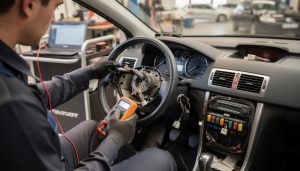
Electrical issues form a significant portion of common problems for the Peugeot 406. A persistent trouble spot is the ABS warning light falsely illuminating on the dashboard. While the actual braking performance might seem unaffected during testing — with no skidding or locking wheels — this warning light points to electric or sensor faults. The ABS sensor or wiring can malfunction, causing continual false alerts.
This situation is tricky because the warning light’s presence can mask an actual ABS failure, making it dangerous if the anti-lock braking system stops functioning. Diagnosing and repairing this requires specialized equipment and expertise, often translating into diagnostic fees and replacement sensor costs running into several hundreds of dollars. Timely addressing of this electrical fault increases overall vehicle safety.
Beyond the ABS system, another typical electrical issue lies with the indicator stalk mechanism. If you find that although the relay clicks, no indicator light is visible, the switch gear stalk is faulty. This failure compromises communication with other road users and can be frustrating. Fortunately, repairing or replacing this part is usually a modest expense, but accessing it may be fiddly, often necessitating a professional garage visit to ensure correct installation.
Dealing with such electrical and sensor problems early not only saves money but also prevents breakdowns and legal issues related to non-functional lights and indicators.

Preventive Maintenance Tips to Enhance Peugeot 406 Longevity
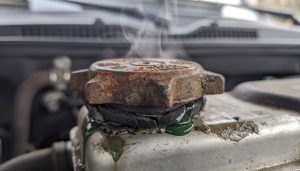
Ensuring the Peugeot 406 remains reliable and safe starts with adhering to a stringent preventive maintenance regime. Among the top concerns is vigilance over the radiator and cooling system health. Overheating signs, such as rusty radiator elements or cracked hoses, suggest existing or impending issues. Early detection here prevents expensive engine damage related to overheating.
Common checks include inspecting hoses for brittleness, leaks around joints, and coolant fluid levels. Regular coolant flushes as recommended in the service schedule help maintain efficient heat dispersal and minimize corrosion inside the system.
Another priority is timely upkeep of the timing belt. This component plays a critical role in synchronizing the engine’s camshaft and crankshaft movements. Skipping the replacement intervals—which are around every 5 years or 60,000 miles—puts the engine at risk of severe internal damage if the belt snaps. A correctly serviced timing belt extends engine life, ensuring smooth and reliable running.
To manage maintenance costs effectively, owners should follow these practical steps:
- Keep detailed records of repairs and service work.
- Prioritize rubber parts like belts and hoses for inspection and replacement.
- Schedule regular diagnostic checks focusing on engine and electrical systems.
- Use quality OEM or reputable aftermarket parts to avoid premature failures.
- Consider professional inspections before long trips or seasonal changes.
Following this maintenance regime will significantly enhance Peugeot 406 reliability and reduce the chance of surprise mechanical failures.

Transmission and Drivetrain: Troubles and Tips for Peugeot 406 Sustainability
When it comes to the drivetrain, the Peugeot 406 has been known to exhibit transmission problems mainly in automatic versions. Owners often report delayed gear changes, slipping or unusual noises from the gearbox. These symptoms can indicate worn clutch packs, low transmission fluid, or faulty control modules.
Manual transmissions are somewhat more straightforward but can still experience premature wear in the clutch and linkage. Early signs of transmission trouble include difficulty engaging gears, slipping while driving, or shaking during acceleration. Addressing these symptoms early prevents more expensive internal gearbox repairs or replacements down the road.
Transmission troubles are important to assess during vehicle inspections, especially for used Peugeot 406 models where maintenance history is unclear. Checking fluid levels and looking for leaks on the underside of the vehicle can help detect emerging issues before they escalate.
Transmission maintenance checklist:
- Consult service records to verify transmission fluid change intervals.
- Inspect for leaks around transmission seals.
- Test drive to detect gear change smoothness and current noises.
- Listen for grinding or whining sounds during operation.
- Get a professional gearbox diagnostic if any irregularity appears.
💡 Expert Tip: For manual 406 owners, avoid "riding the clutch" to prolong its life and prevent costly repairs.
| Common Issue | Typical Cause | Estimated Repair Cost | Severity |
|---|---|---|---|
| Warped Brake Discs | Excessive heat and wear | $150 – $300 per axle | Moderate |
| ABS Warning Light | Faulty ABS sensor or wiring | $200 – $450 | High (Safety) |
| Indicator Stalk Failure | Switch gear wear | $80 – $150 | Low |
| Engine Stalling | Fuel delivery or sensor faults | $300 – $700 | High (Performance) |
| Timing Belt Replacement Missed | Wear and aging | $400 – $700 | Critical |
Owner Experiences and Practical Advice on Peugeot 406 Vehicle Reliability
Owners of the Peugeot 406 often share mixed experiences when it comes to vehicle reliability. Many appreciate the car’s blend of power, comfort, and style, but acknowledge the need for regular, often attentive maintenance to avoid problems.
Positive owner feedback frequently highlights the robustness of the 2.9L V6 engines and the overall driving pleasure offered by the car’s suspension and chassis. However, as the vehicle ages, small issues like faulty electrical components and minor mechanical wear become more common.
One lesson many owners emphasize is the importance of detailed pre-purchase inspections, especially on used models from the late 90s and early 2000s. Neglecting these checks can lead to costly repairs, particularly with the brakes, timing belt, or transmission.
Tips from experienced owners include:
- Regularly monitor brake components for wear to avoid safety hazards.
- Address ABS or electrical faults immediately rather than ignoring warning lights.
- Maintain a consistent service history, using certified garages.
- Use quality replacement parts to ensure longevity.
- Consider upgraded or refurbished parts when budgeting for repairs.
Such actions help keep these classic vehicles running well into the future, maintaining their characteristic French charm while delivering dependable performance.
What are the most common engine problems in the Peugeot 406?
Engine stalling, especially in 2.0L petrol versions, faulty sensors, and timing belt issues are the most common engine-related problems in the Peugeot 406.
How expensive is it to fix the ABS warning light issue?
Typically, fixing the ABS sensor or wiring issue can cost between $200 and $450 depending on diagnostic and parts prices.
Can electrical faults cause other problems in the Peugeot 406?
Yes. Electrical faults such as a malfunctioning indicator stalk or ABS sensor can impact vehicle safety and may mask serious issues if ignored.
When should the timing belt be replaced on a Peugeot 406?
The timing belt should be replaced every 5 years or every 60,000 miles, whichever comes first, to prevent engine damage.
Are automatic transmissions on the Peugeot 406 reliable?
Automatic transmissions can develop issues like delayed gear changes or slipping; proper maintenance and fluid changes are key to better reliability.