The Peugeot 207 has carved out a solid reputation as a stylish, economical supermini, boasting French design flair paired with practical city-friendly dimensions. Produced between 2006 and 2014, it remains a popular choice among budget-conscious drivers, especially those wanting a reliable second car or first-time vehicle. Despite its strengths, like all vehicles, the 207 is not immune to faults. Understanding these issues and their symptoms can save you time, money, and hassle. With genuine Peugeot parts readily available and affordable, many common problems can be resolved efficiently if tackled early.
Key Takeaways :
- Peugeot 207 is prone to alternator and electrical issues, especially in older models.
- Windscreen clips in 3-door models can loosen, causing rattling sounds.
- Dashboard faults are common in early models, including failing displays and anti-pollution warnings.
- Wheel bearings and suspension dampers require regular checks due to wear signs like grinding noises or excessive bouncing.
- ECU problems often arise from coolant leaks, affecting engine idling and triggering check engine lights.
Diagnosing Electrical Issues and Alternator Faults in the Peugeot 207
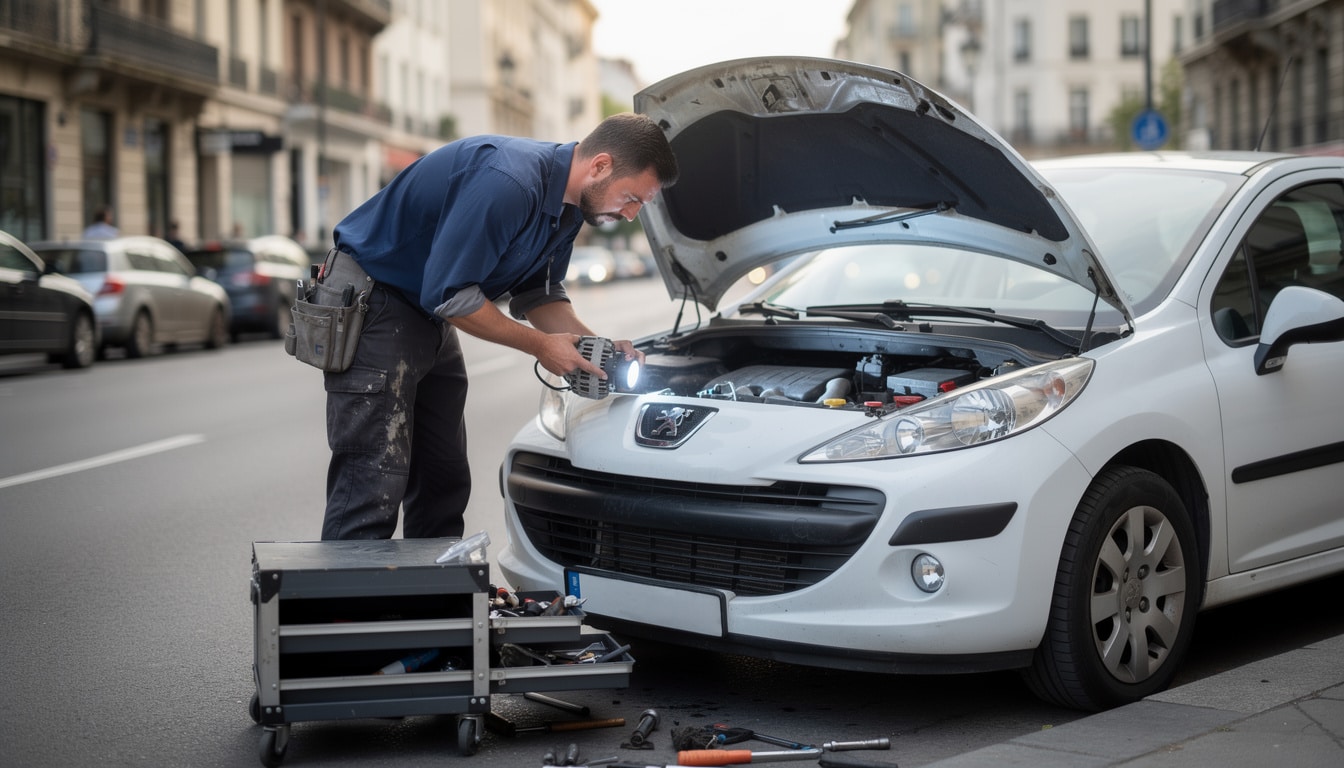
One of the most frequently reported car problems with the Peugeot 207 relates to its electrical system, with the alternator often being the culprit. The alternator is key in supplying power to the vehicle’s battery and electrical components while the engine runs, so a fault here impacts virtually all electronic functions.
If you experience flickering dashboard lights, dim headlights, or intermittent power loss during driving, these symptoms often point to a failing alternator. Older Peugeot 207s are particularly susceptible to this issue, where wear and degraded brushes inside the alternator cause inconsistent charging.
Driving a car with a faulty alternator risks a total power failure, potentially leaving you stranded. It’s essential to have this checked during diagnostics and replaced promptly if necessary. Given that replacement alternators are generally affordable and widely stocked, the repair costs are moderate for such a critical component—usually in the £150 to £300 range for parts plus labor.
Keep an ear out for unusual whining noises from the engine bay during acceleration—this can be a mechanical sign that the alternator bearings are worn. Testing during routine maintenance should include voltage output checks and belt tension inspections.
💡 Expert Tip: Regularly inspect your alternator belt for cracks or glazing, as a slipping belt can mimic alternator failure symptoms and degrade charging efficiency.
Windscreen Clips and Dashboard Faults: Indicators of Aging Components
The Peugeot 207 3-door model is often reported to suffer from troubleshooting issues tied to aging windscreen clips. Over time, the plastic clips securing the windscreen may degrade or become loose due to vibrations and temperature changes. The primary symptom is a rattling or shaking sound inside the cabin, most noticeable when driving on uneven roads.
This problem isn’t just a nuisance; it can signify weakened structural integrity around the windscreen, potentially increasing the risk during accidents. Replacing these clips is a simple and low-cost repair, but it’s a factor worth verifying before purchasing a used 3-door version.
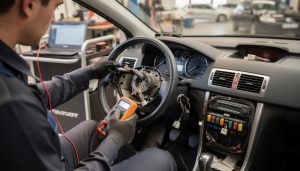
Another vulnerability in early Peugeot 207 models centers on the dashboard. Owners often note failures of the instrument cluster, including the complete loss of display readouts such as speedometer or fuel gauge. In rarer cases, anti-pollution and engine management lights may stubbornly remain on, hinting at deeper electronic glitches.
When testing a 207, it’s crucial to diagnose these dashboard systems thoroughly. Ensure all lights function correctly and the warning signals reset after ignition. While some faults require dealer-level intervention, like anti-pollution sensor recalibration, others may be resolved by replacing dashboard components or the cluster itself.
Owners should beware that unresolved dashboard malfunctions can hide other mechanical issues and complicate proper vehicle diagnostics.
- Check for rattling or noises related to windscreen mountings
- Test all dashboard lights and readings for functionality
- Confirm that anti-pollution and engine warning lights turn off under normal operation
Wheel Bearings and Suspension Dampers: Key to a Smooth and Safe Ride
To maintain the Peugeot 207’s renowned comfortable urban driving experience, suspension components must be in good shape. Common issues like worn wheel bearings and failing dampers directly affect handling and safety.
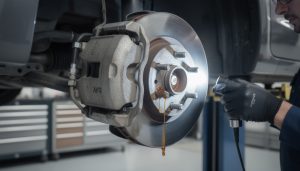
A distinct grinding or dragging noise from the wheels during driving almost always points towards deteriorating wheel bearings. Since these bear the weight of the vehicle and enable smooth wheel rotation, worn bearings increase friction, reduce fuel efficiency, and can cause uneven tire wear. Ignoring this can escalate to complete bearing seizure, risking wheel detachment in extreme scenarios.
During test drives, uneven or noisy suspension can also indicate faulty dampers. The 207’s suspension is tuned for city roads but aggressive wear can lead to excessive bouncing and poor shock absorption, resulting in a rough ride and less control. Regular inspections of damper seals and fluid levels are recommended to spot leaks or loss of damping force.
Replacing wheel bearings typically costs around £100-£150 per side, while damper repairs vary more widely based on parts used but generally fall between £150-£400. Early troubleshoots include:
- Listening for unusual noises—grinding, squeaks, or clunks while driving
- Checking for vehicle instability or excessive bounce on rough roads
- Visual inspection for fluid leaks from shock absorbers
Proper maintenance of these components in the Peugeot 207 ensures predictable handling, preserves tire life, and minimizes costly repairs down the line.

ECU and Anti-Pollution System Faults: When to Seek Professional Vehicle Repair
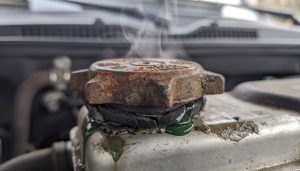
A more complex and serious problem faced by the Peugeot 207 relates to its electronic control unit (ECU) and anti-pollution system. Coolant leaks in the engine bay can cause moisture to infiltrate electrical systems, damaging wiring and the ECU itself. This leads to symptoms like sudden engine stalling at idle and persistent check engine warnings.
Such faults are not only frustrating but can lead to costly repairs if neglected. A defective ECU may require recalibration or replacement, which can cost upwards of £400 including labor, depending on the exact issue and model year.
If the vehicle displays anti-pollution warning lights that resist resetting, the fault often ties back to sensors or the engine management system. These errors usually necessitate diagnostic scans and repairs by qualified Peugeot technicians.
Attempting to ignore or bypass these warnings risks higher emissions output, potential legal issues, and progressive engine damage. Early detection through fault codes during diagnostics is key.
For owners looking to manage maintenance proactively, checking coolant system integrity and conducting system scans at annual services can prevent escalation.
For those interested in understanding timing belt-related failures which can also affect engine health, resources such as timing belt warning signs can provide valuable context.

Routine Maintenance Tips and Troubleshooting Strategies for Peugeot 207 Owners
Keeping your Peugeot 207 running smoothly into 2026 requires consistent maintenance tips and prompt attention to symptoms. Here’s a practical checklist I recommend to all owners:
- Regularly test the alternator output, especially in vehicles over 10 years old.
- Listen closely for noises around wheel bearings and suspension components during drives.
- Inspect dashboard warning lights closely on every startup.
- Check windscreen mountings in 3-door versions for rattling or loosening.
- Monitor coolant levels consistently to avoid leaks reaching the ECU.
- Schedule periodic professional fault code scans to spot electronic issues early.
Adhering to these simple checks can significantly reduce breakdown risk and vehicle repair expenses. Always use genuine parts when replacing components. Using authentic Peugeot parts ensures compatibility and longevity, something easy to rely on via stores like breakerlink for sourcing.
| Component | Common Symptoms | Typical Repair Cost (GBP) | Severity |
|---|---|---|---|
| Alternator | Dim lights, battery warning, electrical malfunctions | £150-£300 | High |
| Windscreen Clips | Rattling noise, shaky screen | £20-£50 | Low |
| Dashboard/Electronics | Display failure, persistent warning lights | £200-£500 | Moderate |
| Wheel Bearings | Grinding noise, uneven tire wear | £100-£150 per side | High |
| Suspension Dampers | Excess bouncing, uneven ride | £150-£400 | Moderate |
| ECU | Engine stalls, Check Engine light | £400+ | High |
By following this structured approach to diagnostics and repairs, Peugeot 207 owners can enjoy a dependable and enjoyable driving experience for years. Should you encounter any issues, don’t hesitate to seek timely assessments from trusted mechanics and leverage resources like breakerlink for quality parts and guidance.

What are the signs of alternator failure in a Peugeot 207?
Common signs include dim or flickering lights, warning battery light on the dashboard, and electrical issues such as malfunctioning infotainment or dashboard systems.
Can I fix dashboard warnings related to the anti-pollution system myself?
These faults often need professional diagnostics and repairs using dealership-level equipment, so it’s recommended to consult a qualified Peugeot technician.
How often should wheel bearings be checked or replaced?
It’s best practice to inspect wheel bearings during annual services or if you hear grinding noises; replacement frequency depends on mileage and driving conditions but usually every 80,000 to 100,000 miles.
Are genuine Peugeot 207 parts expensive to buy?
Generally, genuine parts such as alternators or suspension components are affordable and widely available, especially through specialized suppliers like breakerlink.
What should I do if the engine stalls while idling in my Peugeot 207?
This could indicate ECU or coolant leak issues. Avoid driving the vehicle and seek immediate diagnostics to prevent further damage.