The Volkswagen Passat has established itself as a reliable family car, loved for its spacious interior and solid build quality since its debut in 1973. Despite its reputation, owners frequently encounter a handful of recurring mechanical and electrical issues that are worth knowing before buying or maintaining one. This article dives into the most common problems experienced by Passat owners, drawing on insights from the BreakerLink blog and real driver feedback, to help you navigate repairs and maintenance with confidence.
Key Takeaways :
- Dashboard creaking noises are common due to poor fittings, especially noticeable in colder weather.
- Manual gearbox second gear issues can be a red flag and may require costly repairs.
- Coil pack failures on older models often cause stalling and poor engine performance.
- Engine sludge buildup is typical in city-driven vehicles that don’t reach full operating temperature regularly.
- Water ingress in footwells usually results from blocked drains or improperly seated pollen filters.
Diagnosing Volkswagen Passat Dashboard and Interior Issues
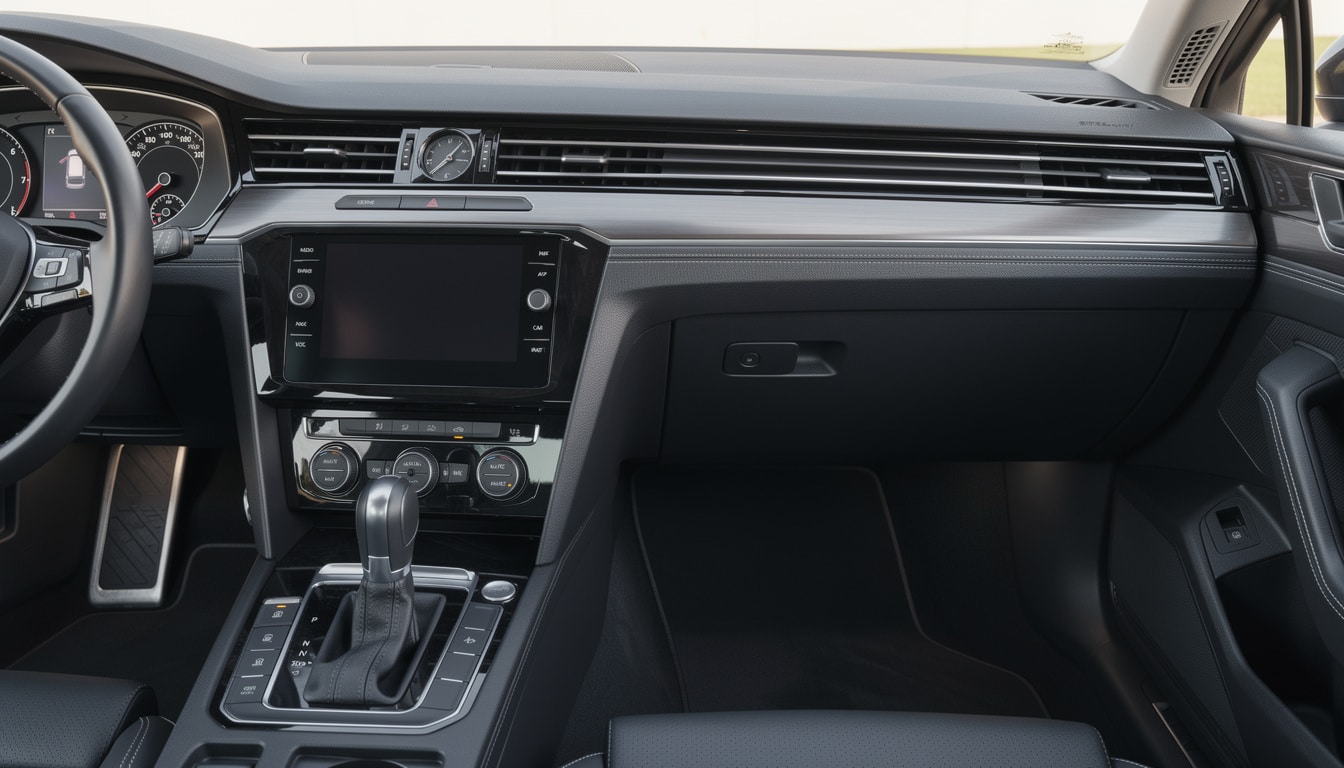
One of the earliest and most frequently reported Volkswagen Passat common issues involves the dashboard, specifically related to persistent creaking and rattling noises. These sounds typically stem from subpar dashboard mountings and can become more pronounced in colder weather when materials contract. This problem can be both annoying and indicative of loose fittings that might worsen over time.
When considering a Passat, I always recommend test-driving on rough roads or making slow turns to listen carefully for these creaking sounds. They don’t usually affect vehicle safety but can significantly impact driving comfort. Repair often involves tightening or replacing dashboard fixings, which is relatively straightforward and inexpensive compared to other issues.
Another interior-related nuisance is water accumulation in the passenger footwell. This issue is commonly caused by a poorly seated pollen filter or flakes and leaves clogging drainage near the battery housing, impeding proper water runoff. Over time, this can cause damp smells, corrosion, or electrical faults if moisture reaches sensitive components.
Fixing water ingress typically requires inspecting and correctly positioning the pollen filter and clearing any debris around the drainage points. These preventative steps are quick and can save unpleasant damage later, especially in wetter climates.
List of common interior and dashboard issues in the Volkswagen Passat:
- Dashboard creaking and rattling noises
- Water ingress in passenger footwell
- Faulty or unresponsive dashboard controls
- Loose trim panels causing vibrations
Transmission and Gearbox Troubles: What Passat Buyers Should Know
If you’re eyeing a manual Volkswagen Passat, one critical concern is the potential fault with the second gear. Across Volkswagen owner forums and vehicle maintenance reports, difficulties engaging second gear often signal internal gearbox wear or damage, possibly demanding a major gearbox overhaul or replacement. This repair, being intricate and labor-intensive, can run several thousand dollars depending on the workshop and region.
During a test drive, if the gear lever feels stiff, resistant, or there’s a grinding noise attempting to shift into second, it’s a warning sign. Such transmission issues not only reduce driving enjoyment but may worsen swiftly, affecting overall vehicle reliability.
Experts advise checking for smooth gear transitions in all gears, but paying special attention to second gear with the engine off and running. For automatic Passats, DSG (Direct Shift Gearbox) faults are common in certain years, often related to mechatronics failures needing module replacements or software updates.
💡 Expert Tip: Regularly servicing the DSG transmission fluid every 40,000 miles can help prevent costly repairs by reducing wear on sensitive components.
Despite these concerns, many Passat transmissions last well beyond 100,000 miles if serviced properly and used with care. Buyers should access full vehicle service history and consider a pre-purchase inspection from a trusted mechanic or specialist.
Cost implications of gearbox repairs in Volkswagen Passats:
| Type of Gearbox Issue | Common Symptoms | Approximate Repair Cost | Severity |
|---|---|---|---|
| Manual second gear wear | Difficulty engaging second gear, grinding noise | $1,500 – $3,000 | High (may require full gearbox rebuild) |
| DSG mechatronics failure | Gear slippage, error lights, stuck gears | $2,000 – $4,000 | High |
| Clutch judder and vibration | Shudder when engaging clutch, slipping | $800 – $1,500 | Medium (clutch replacement needed) |
Engine Troubles and Maintenance Challenges in the Volkswagen Passat
Engine reliability is crucial, and with the Passat, a few problems crop up more frequently than others. One notorious defect affects specifically the 2004 Passat models involving coil pack failures. When this happens, the ignition system struggles to send adequate charge to the spark plugs, resulting in engine stalling, backfiring, and significant power loss. This fault generally appears after about 75,000 miles, a mileage threshold to keep in mind when shopping for used cars of this generation.
Another noteworthy engine concern is the buildup of oil sludge, particularly prevalent in 2000 model year Passats and those primarily engaged in short urban trips. This problem is caused by the engine intermittently failing to reach or maintain optimal operating temperature, leading to oil degradation and gunk accumulation within engine parts.
The symptoms of sludge include reduced engine efficiency, increased oil consumption, and sometimes an illuminated check engine light. One telltale sign is sluggish acceleration or excessive engine noise. Unfortunately, this issue demands professional intervention, often requiring engine oil flushes or even partial engine overhauls if caught late.
Routine checks to diagnose engine health:
- Check for misfires or irregular idling sound
- Monitor engine temperature gauge for normal range
- Inspect oil quality and level regularly
- Listen for unusual knocking or tapping sounds
In urban settings, driving the Passat on highways or dual carriageways at sufficient speeds ensures the engine reaches and sustains the proper temperature, mitigating sludge risks.
Steering and Clutch Problems Affecting Passat Driveability
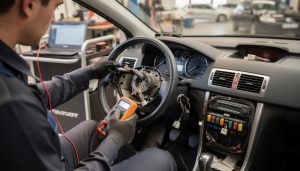
Another area where Volkswagen Passat owners often report issues is in the steering and clutch mechanisms. Faulty steering controls may manifest as a requirement to physically adjust or push the steering column to start the vehicle. This can indicate worn switches or sensor faults in the steering lock or ignition system, posing an inconvenience and a potential safety hazard.
Similarly, clutch wear in manual models reveals itself through a juddering vibration felt when shifting through early gears. This usually signals clutch plate wear or issues with pressure plates. Ignoring these signs can lead to complete clutch failure and potentially damage the gearbox.
Both steering and clutch repairs can become expensive, particularly clutch replacements that often require gearbox removal. It’s essential to factor these potential costs into the total cost of ownership and carefully inspect these components when considering a used Passat purchase.
Checklist before buying a Passat for steering and clutch conditions:
- Start the car and verify steering column behaves normally
- Test clutch engagement and feel for vibrations or slipping
- Ask seller about any prior steering or clutch repairs
- Request recent mechanical inspection reports
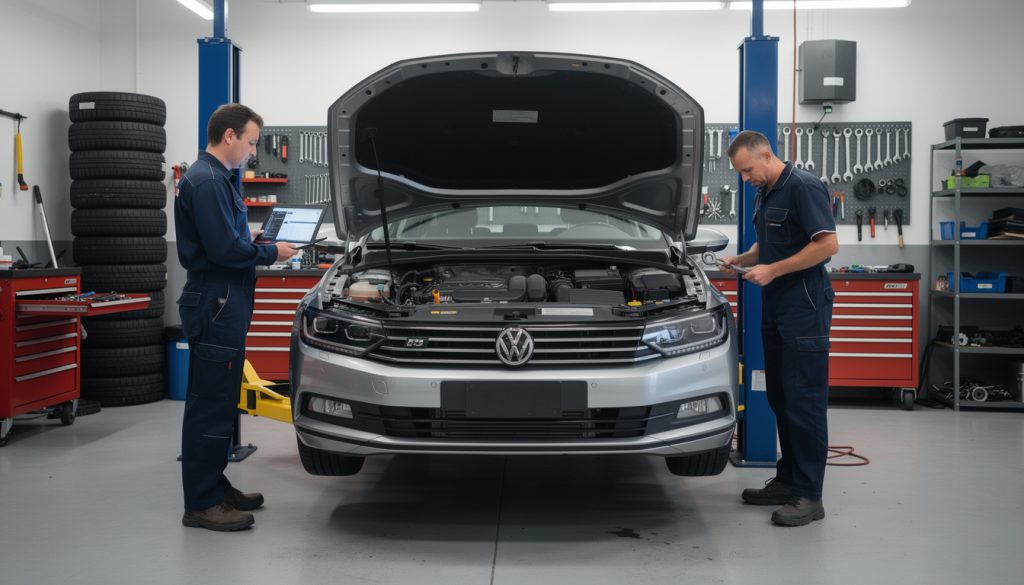
Routine Vehicle Maintenance and Preventative Care for Volkswagen Passat Owners
Maintaining a Volkswagen Passat in top shape is very achievable with regular attention and informed care. Vehicle owners should prioritize servicing based on manufacturer recommendations and be vigilant about common issues specific to Passats.
Here are essential maintenance steps that safeguard against many typical Volkswagen Passat car problems:
- Regular oil and filter changes: Prevents sludge and keeps engine running clean.
- Transmission servicing: Especially essential for DSG boxes every 40,000 to 60,000 miles.
- Inspect and clean drainage points: Avoid water retention inside the cabin.
- Check and replace coil packs: Crucial on older models to prevent ignition faults.
- Monitor gearbox functionality: Address any gear engagement oddities early.
Buying genuine or high-quality replacement VW parts from trusted suppliers like BreakerLink helps keep repair expenses reasonable and ensures vehicle longevity. BreakerLink’s extensive inventory of used and new Passat parts provides excellent value and supports sustainable repairs.

Following a consistent preventive maintenance routine and performing specific troubleshooting checks can extend the life of your Passat significantly while minimizing unexpected breakdowns and costly repairs.
What should I do if my Passat’s second gear is hard to engage?
It’s best to have a mechanic inspect the gearbox promptly. Early diagnosis can prevent the issue from worsening, but severe cases may require a costly gearbox rebuild or replacement.
How can I prevent oil sludge buildup in my Passat’s engine?
Drive the car regularly on highways to reach optimal engine temperature, stick to scheduled oil change intervals, and use high-quality engine oils to reduce sludge formation.
Why does my Passat’s dashboard creak, and how can I fix it?
The creaking is due to loose dashboard fixings. A mechanic can secure or replace the clips and fasteners to eliminate the noise.
Is water in the passenger footwell a serious problem?
While not always severe, it can cause rust and electrical faults if untreated. Check for blocked drains or reseat the pollen filter to solve this issue.
How often should I service my Volkswagen Passat’s transmission?
For DSG transmissions, every 40,000 miles is advisable, whereas manual gearboxes benefit from regular clutch and oil checks during routine servicing.