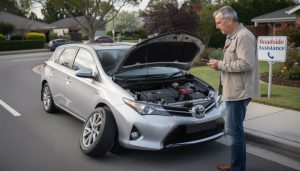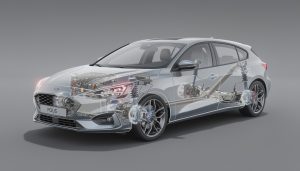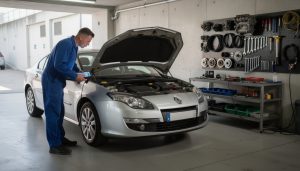
Driving safely in 2026 means being particularly attentive to your vehicle’s mechanical health, especially crucial components like the water pump. This small but vital part ensures your engine stays cool under the heavy load of combustion and friction. Without it working properly, the consequences can escalate quickly, threatening your engine’s integrity and your safety on the road. Understanding the warning signs of water pump failure can save you from costly repairs and unexpected breakdowns.
Key Takeaways :
- Unusual noises from the front of the engine often point to bearing or pulley issues within the water pump.
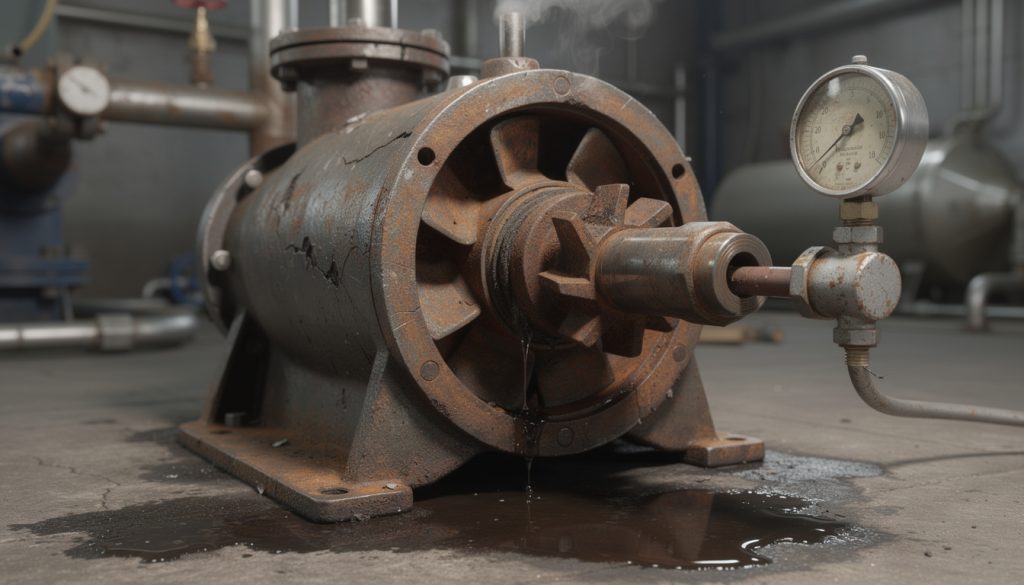
- Coolant leakage under the vehicle signals worn seals or cracks in the pump housing.
- Engine overheating is a critical sign that the water pump isn’t circulating coolant effectively.
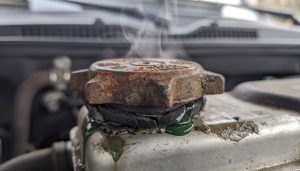
- Visible corrosion or rust around the pump indicates contamination or air pockets affecting its function.
- Steam emissions from the radiator warn of immediate engine cooling failure, demanding urgent intervention.
Understanding the Vital Role of Your Water Pump in Engine Cooling
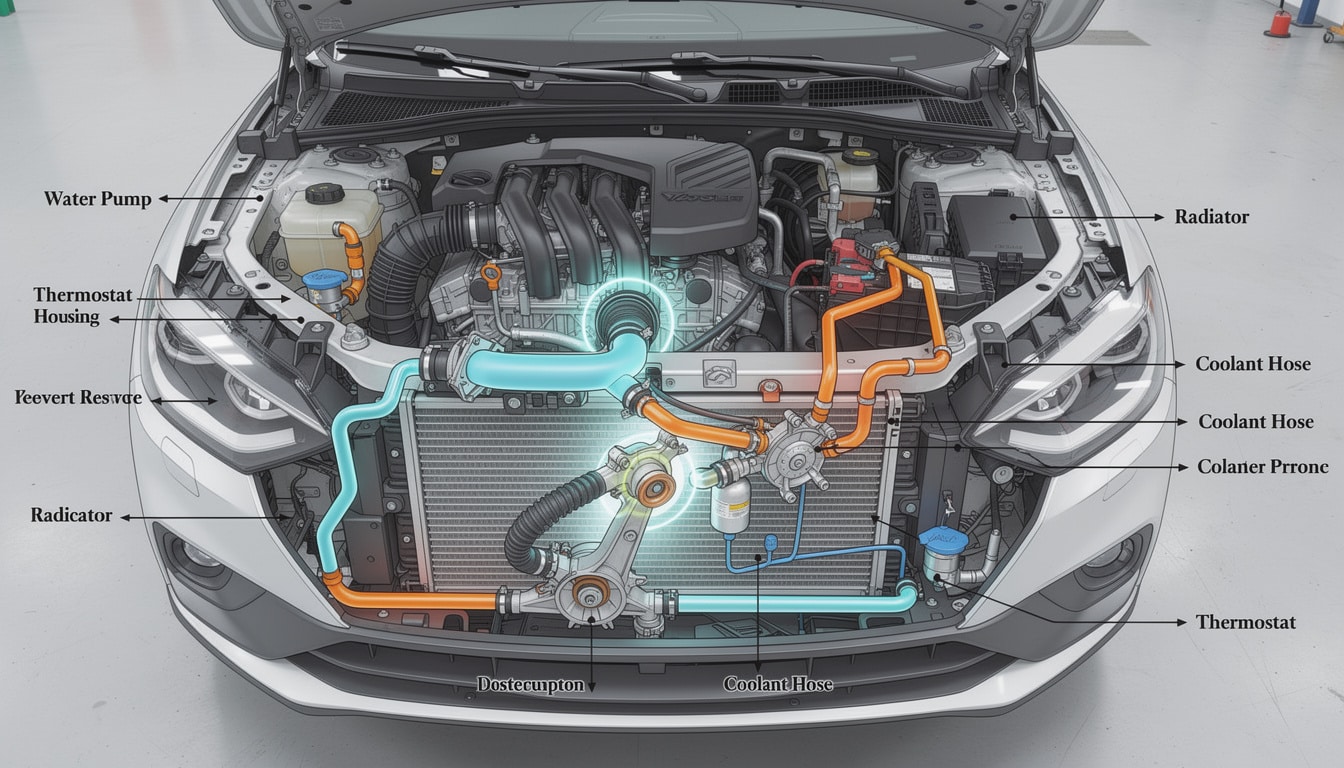
One cannot overstate the importance of the water pump in modern automobiles. Its primary function is to maintain a continuous flow of coolant through the engine and the radiator, which dissipates the massive heat generated during combustion and friction. In early automobiles, air cooling was sufficient, but contemporary engines generate too much thermal energy, making water cooling essential to prevent catastrophic damage.
The water pump is typically driven by the engine’s timing or serpentine belt, turning the internal impeller that pushes coolant through channels within the engine block and head. By circulating coolant effectively, it ensures the engine temperature stays within safe operating limits. Failure of this component causes the coolant to stagnate, raising engine temperature rapidly.
Without a working water pump, a vehicle will face not just overheating but also a cascade of mechanical issues like warped cylinder heads and blown head gaskets. The resulting damage often requires costly repairs ranging from gasket replacement to a full engine rebuild.
In addition, a malfunctioning water pump can reduce fuel efficiency and cause erratic engine performance. Drivers might notice fluctuations in power delivery, especially during heavy load or high-temperature conditions.
For drivers, this makes the water pump a critical item on the checklist during routine inspections or when diagnosing engine problems. Recognizing early symptoms linked to water pump failure allows timely action which can prevent more serious complications.
How to Recognize Early Warning Signs Indicating Water Pump Failure
Detecting a failing water pump early comes down to paying attention to specific symptoms. Because the pump works silently under the hood, its issues often manifest as side effects that any observant driver can spot. Here are the crucial warning signs that your water pump needs immediate attention:
- Unusual Noises: A high-pitched whining or grinding sound at the front of the engine usually indicates bearing wear within the water pump or pulley misalignment. This noise often becomes louder during acceleration or when the engine is heavily loaded.
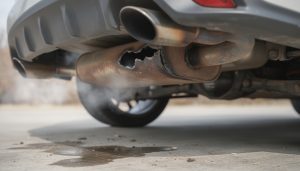
- Coolant Leakage: Look for puddles or drips of brightly colored coolant underneath the front of the car. These leaks typically happen due to failing rubber seals or cracked pump housings, and if ignored, can rapidly worsen.
- Overheating Engine: Frequent or sudden engine temperature spikes shown on your dashboard gauge may highlight insufficient coolant circulation from a damaged water pump impeller.
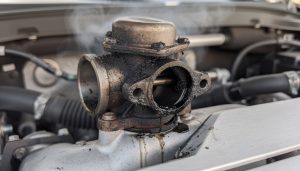
- Rust and Corrosion: Visible rust or mineral build-up near the pump suggests long-term exposure to coolant contamination or trapped air. Such corrosion degrades the pump’s effectiveness and structure.
- Steam or Vapor: Steam escaping from near the radiator cap signals overheated coolant reaching boiling point, a sign that your cooling system is failing catastrophically.
Other indicators might include
persistent vibration during idling caused by imbalance in the pump’s rotating parts or slipping drive belts tied to the pump.
Early recognition and response based on these symptoms are crucial to preventing total system failure. Proactive diagnostics—like assessing pulley tightness and coolant condition—can pinpoint the root cause swiftly.
For instance, a known issue with some Audi A3 models includes premature water pump leakage, which drivers detected due to visible coolant on the driveway and rising engine temperature warnings.

Potential Risks and Consequences of Ignoring Water Pump Problems
Overlooking the warning signs of water pump failure can lead to devastating consequences. The most immediate danger is engine overheating. When the water pump stops circulating coolant efficiently, the engine temperature can rise sharply within minutes, causing the cylinder head to warp or crack.
In extreme cases, the head gasket can fail, causing coolant to leak into the combustion chamber. This not only reduces engine performance but can quickly lead to a stall or complete engine shutdown. At worst, engine components such as pistons might get burnt due to extreme temperatures, making repairs exorbitantly expensive.
Another critical risk is the possibility of your engine catching fire during operation. Overheating combined with leaking coolant and engine oil creates a hazardous environment prone to ignition. This endangers you, your passengers, and other drivers on the road.
Moreover, a failing water pump forces other components like the timing belt or serpentine belt to work harder or misalign. If the water pump’s bearing seizes, it could snap these belts, leading to sudden engine failure and roadside emergencies.
A practical angle is that water pump issues often manifest alongside radiator problems, so examining related parts can help diagnose the full situation. For more on radiator-related failures, consult comprehensive guides on radiator issues.
Delaying repairs often results in an exponential increase in maintenance costs. Replacement of a water pump typically costs between $300 and $750 depending on vehicle make and labor charges, but if you let failure escalate, engine repairs might exceed several thousand dollars.
| Risk | Cause | Consequence |
|---|---|---|
| Engine Overheating | Water pump impeller failure | Warped head, blown head gasket |
| Coolant Leakage | Seal deterioration | Reduced coolant level, overheating |
| Sudden Belt Failure | Seized pump bearings | Engine stalls, potential breakdown |
| Engine Fire Risk | Extended overheating and leaks | Safety hazard, vehicle damage |
Effective Maintenance Strategies to Extend Your Water Pump’s Lifespan
Maintaining your water pump is about preventing failure before symptoms appear. Routine care extends the component’s lifespan and keeps your engine running smoothly. Here are engineer-approved practices to uphold your pump’s health:
- Regular Coolant Replacement: Follow manufacturer-recommended intervals to change coolant. Old or contaminated coolant facilitates debris build-up which erodes the pump’s seals and impeller.
- Belt Inspection and Adjustment: Ensure correct tension on the drive belt powering the water pump. A loose or overly tight belt damages bearings and can cause slippage, leading to increased vibration.
- Timely Repairs of Overheating Issues: Address any engine temperature irregularities immediately to avoid secondary damage to the pump’s internal components.
- Use Quality Components: Invest in high-grade water pumps and parts. Although pricier initially, premium units offer longer durability and fewer failures.
- Replace Timing Belt with Pump: Since accessing both parts requires similar labor, replacing the timing belt and water pump simultaneously (usually at 60,000 to 90,000 miles) is cost-effective and reduces future complications.
Remember, poor maintenance not only triggers premature failure but also can escalate into complex vehicle issues, including increased engine vibration and power drop. For drivers encountering vague symptoms, resources like diagnosing car problems from unusual sounds can guide better troubleshooting.
💡 Expert Tip: The moment you hear any whining noises near your water pump or notice a drop in coolant levels, have a mechanic check the pump’s bearings and seals immediately. Early intervention avoids costly engine damage and extended downtime.
Step-by-Step Guidance on When and How to Replace Your Water Pump
Replacing a water pump is a demanding task that requires mechanical skill and understanding of your vehicle’s cooling system layout. If you’re handy with tools, you might consider DIY replacement; however, most drivers will want a professional mechanic to handle it due to complexity.
Typically, water pumps last between 60,000 to 90,000 miles, depending on vehicle usage and quality of parts. Signs that replacement is required include persistent leaks, excessive noise, and engine overheating linked directly to pump failure.
Replacement involves removing components that shield the pump, such as the timing cover or accessory belts. A common recommendation is to pair water pump replacement with timing belt changes since they share the same labor-intensive removal process. This combined approach minimizes future expenses and mechanical disruption.
Specific steps include:
- Drain the cooling system to prevent spills.
- Remove belts and pulleys obstructing pump access.
- Detach the faulty pump and clean the mounting surface.
- Install the new pump ensuring proper gasket seating to avoid leaks.
- Reassemble belts, refill coolant, and check for leaks.
- Run the engine to monitor temperatures and listen for unusual noises.
Failing to replace a deteriorating water pump on time invites complete system failure, typically leading to expensive engine repairs or even total replacement. For specific vehicle models such as the Skoda Fabia, water pump failure is a known issue that motorists should watch out for, especially around the 70,000-mile mark.

How often should I replace my car’s water pump?
Generally, water pumps last between 60,000 and 90,000 miles, but it’s advisable to replace them alongside the timing belt for optimal service life and cost-effectiveness.
Can I drive my car if my water pump is leaking?
It’s risky to continue driving with a leaking water pump. Leakage reduces coolant levels, leading to overheating and severe engine damage. Immediate repair or towing to a service center is recommended.
What causes a water pump to fail prematurely?
Common causes include worn-out seals, contaminated coolant, incorrect belt tension, and corrosion due to air pockets or dirty fluid, all of which disrupt pump function.
Is it difficult to replace a water pump myself?
Replacing a water pump is technically demanding due to its tight placement under belts and covers. Unless experienced, professional replacement is safer and ensures proper installation.
What are the signs of a failing water pump bearing?
Whining or grinding noises from the front engine area during acceleration often point to bearing wear in the water pump, signaling the need for replacement.