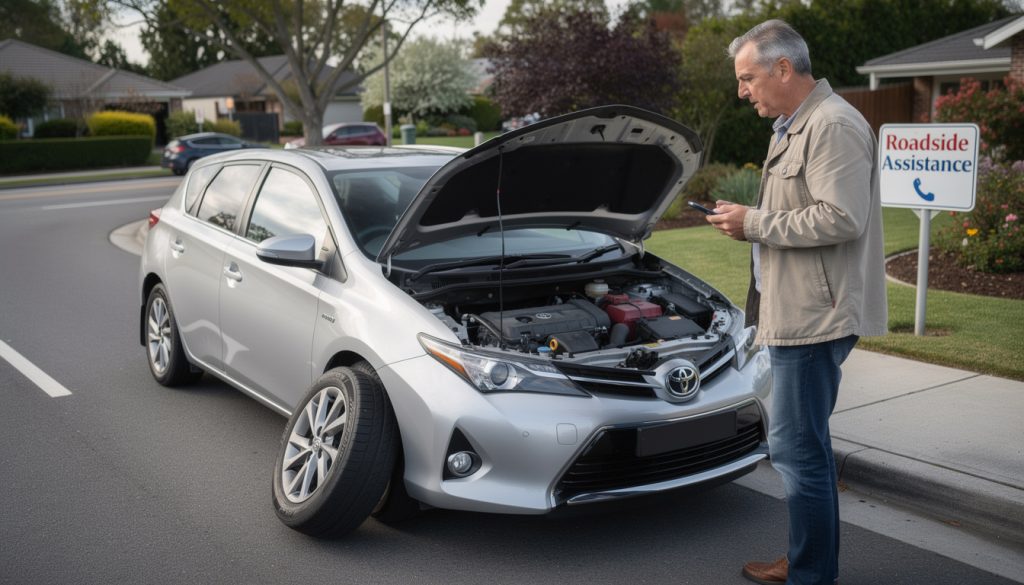
The Toyota Auris has long been a favorite for drivers seeking a blend of efficiency, practicality, and manageable maintenance costs. However, despite its solid reputation, this compact car is not without its quirks and technical challenges that owners frequently encounter. Ranging from electrical faults to brake performance issues, understanding these problems is crucial for anyone looking to maintain or purchase a used Auris. The following sections provide an in-depth examination of the most typical complaints, rooted in real-world experience and expert insights, intended to guide Auris owners through effective diagnosis and repair strategies.
Key Takeaways :
- Electrical faults such as battery drain and Mass Airflow Sensor issues are common in Auris models, particularly diesel variants.
- Brake problems, including squealing and handbrake mechanical glitches, often require minor remedies but should be addressed promptly to ensure safety.
- Mechanical concerns like gearbox irregularities and EGR valve blockages can affect the vehicle’s reliability and fuel efficiency.
- The Auris is generally reliable but demands consistent maintenance to minimize repair costs and keep resale value strong.
- Toyota discontinued the Auris in 2018, replacing it with the Corolla, yet parts availability remains excellent, supporting long-term vehicle upkeep.
Common Electrical Faults Impacting Toyota Auris Owners in 2026
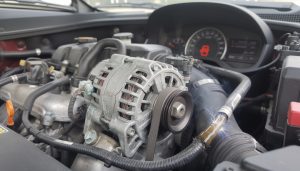
Electrical problems stand out as a frequent source of trouble for Toyota Auris drivers, with symptoms ranging from rapid battery drain to engine performance issues. Battery drain is a recurring complaint especially for models around the 2017 production year. Often, a faulty alternator or parasitic electrical drains—caused by malfunctioning wiring or components—are culprits. An additional factor could be the simple oversight of leaving lights on or the boot ajar.
For hybrid Auris models, more complex electrical glitches can occur due to the Intelligent Power Module (IPM), responsible for managing power flow between the battery and the electric motor. Overheating or faulty transistors within the IPM can cause significant drops in hybrid efficiency or even trigger system faults. In the UK, Toyota’s recall campaign for certain Auris hybrids addresses such IPM faults, allowing owners to receive free replacements and maintain their vehicle’s fuel efficiency.
Diesel-powered Auris models may display black smoke emissions, often signaling a mass airflow sensor malfunction or blocked EGR valve. The black smoke results from a rich air/fuel mixture, harming engine performance and raising emissions. Diagnosing these sensors early can prevent costly damage to the catalytic converter and engine.
💡 Expert Tip: If your Auris exhibits electrical faults, especially battery draining without obvious causes, testing the system with a multimeter or visiting a specialist mechanic saves time and expense.
Brake Performance Issues and Solutions for Toyota Auris Models
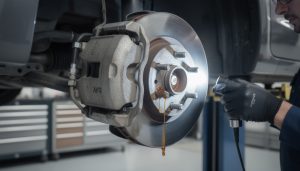
The Toyota Auris is known for its generally responsive brake system, but numerous owners report common braking issues such as persistent squealing or squeaking noises. This is typically due to brake pad materials interacting with the discs under certain conditions. Toyota has acknowledged this issue and offers warranty replacements for affected models within the service action period. For out-of-warranty cases, replacing brake pads and discs or applying anti-squeal lubricants can markedly reduce noise.
Handbrake problems also surface, especially concerning difficulty engaging the parking brake when the driver’s seat is pushed fully forward. This mechanical concern stems from misalignment within the handbrake mechanism rather than part failures. The resolution involves a practical routine of driving short distances with the handbrake partially engaged and allowing rest periods to reset the system without expensive repairs.
Maintaining brake performance is critical not only for safety but also for preserving the Auris’s resale value. Regular inspections and timely part replacements protect both driver confidence and vehicle longevity.
- Regular brake pad inspection every 10,000 miles is advisable.
- Use anti-squeal lubricants to reduce noise.
- Address handbrake stiffness through mechanical adjustment exercises.
- Never ignore brake squeal as it might indicate more serious wear.
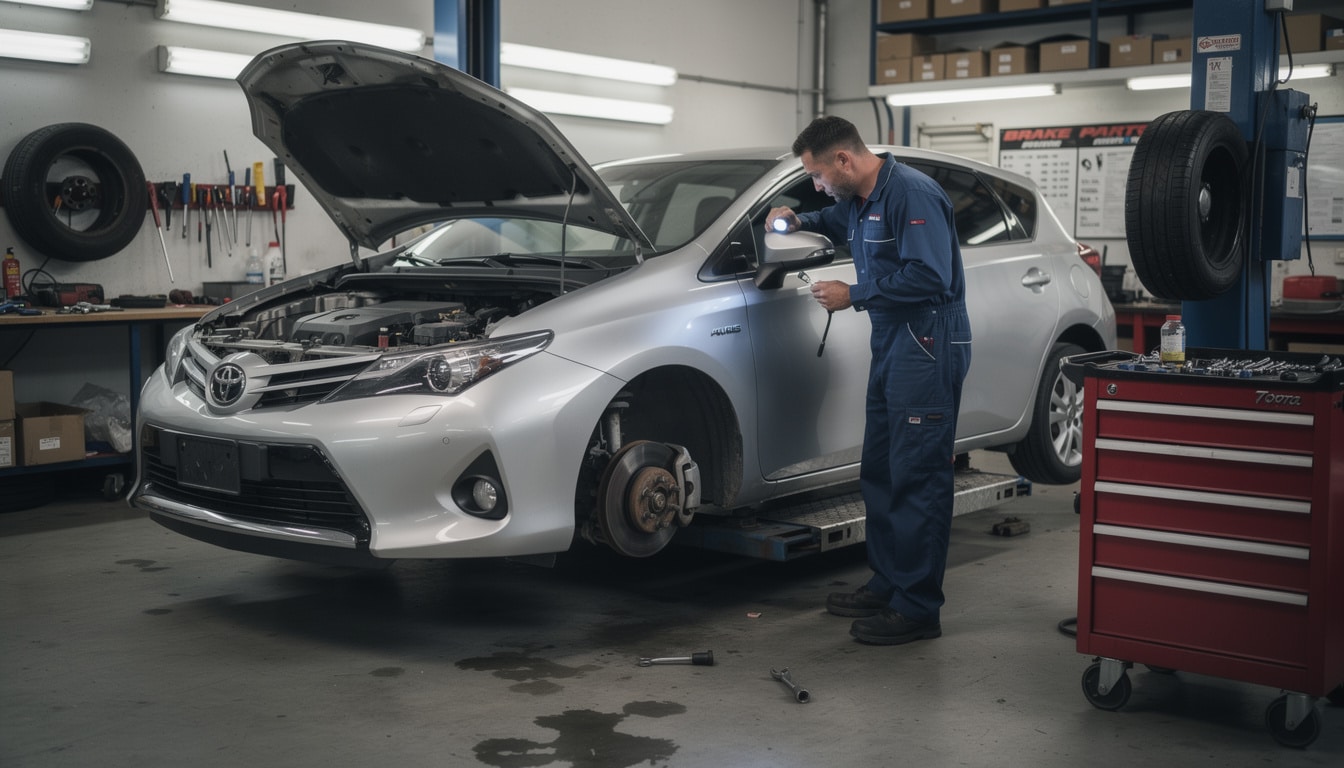
Mechanical Problems: Transmission and Engine Components to Watch in Toyota Auris
Mechanical reliability is a hallmark of Toyota, but the Auris’s gearbox and engine components pose occasional challenges. Manual gearboxes sometimes suffer from issues related to clutches or gear alignment, usually caused by worn parts or delayed maintenance. Toyota recommends a strict service schedule—full maintenance every 10,000 miles or annually, alternating intermediate and thorough inspections up to 100,000 miles—to ensure smooth transmission operation. Neglecting this schedule can lead to costly repairs or premature transmission failure.
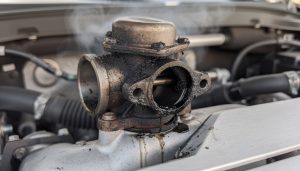
EGR cooler valves are another known weak spot. Carbon buildup can clog these valves, creating overheating, exhaust leaks, and black smoke from the tailpipe—all signs of inefficient combustion. Cleaning the EGR valve periodically can prevent such problems, improving fuel efficiency and reducing maintenance costs.
| Issue | Symptoms | Recommended Action | Estimated Repair Cost |
|---|---|---|---|
| Gearbox wear and tear | Gear slipping, difficulty engaging gears | Scheduled servicing, clutch replacement | £400 – £1200 depending on extent |
| Clogged EGR valve | Engine overheating, black smoke, check engine light | Cleaning or replacement of EGR valve | £150 – £350 |
| Intelligent Power Module (Hybrid) | Hybrid system failures, power loss | Recall check and free replacement for eligible cars | Free under recall |
Considerations for Buying a Used Toyota Auris and Its Resale Value
The Toyota Auris maintains a respectable place in the used car market, thanks to its balance of affordability, reliability, and fuel efficiency. However, when buying a used Auris, be sure to scrutinize certain aspects to avoid unexpected repair and maintenance costs. Checking for electrical issues, brake wear, transmission problems, and ensuring routine servicing history can prevent costly surprises.
Reliability scores from surveys like the 2012 Which? Car Survey highlight the Auris Hybrid’s near-top-tier performance with a 96.4% reliability rate. Still, average repairs cost about £363 and downtime approaches two hours per incident, so budgeting for maintenance remains necessary for long-term ownership.
One notable fact is Toyota’s strategic replacement of the Auris with the Corolla in 2018, aiming for a global nameplate unification. Despite this, the Auris benefits from excellent aftermarket parts availability in 2026, keeping maintenance costs manageable and sustaining its strong resale value.
- Inspect battery health and check for recent replacements.
- Confirm brake and suspension condition through a professional evaluation.
- Check for any recall completions, particularly for hybrid models.
- Request comprehensive maintenance records before purchase.

Addressing Interior Wear and Suspension Problems Unique to the Toyota Auris
Though mechanical and electrical challenges are more pressing, interior wear and suspension issues also impact Toyota Auris owners. The interiors, while durable, may present premature wear of seat fabrics and dashboard components, especially in high-mileage vehicles. Regular cleaning and applying protective treatments help maintain the cabin’s condition, supporting better resale value.
Suspension problems, notably in earlier model years, can cause uneven tire wear and a harsher ride. Common signs include clunking noises over bumps and a lack of steering responsiveness. Suspension components such as bushings, dampers, and springs should be inspected during servicing, especially if the vehicle is used on rough roads. Replacing worn suspension parts promptly not only improves safety but also preserves fuel efficiency by ensuring optimal wheel alignment and contact with the road.
💡 Expert Tip: For suspension longevity, prioritize quality replacement parts over cheaper alternatives, as this saves money over time by preventing rapid component degradation.

What are the most frequent electrical problems in the Toyota Auris?
Battery drain, Mass Airflow Sensor failures, and Intelligent Power Module issues in hybrid models are the most commonly reported electrical problems.
How can I reduce brake noise on my Toyota Auris?
Cleaning brake parts, replacing worn pads or discs, and using anti-squeal lubricants can significantly reduce brake squealing.
Is the Toyota Auris reliable compared to other compact cars?
Yes, particularly the hybrid variant shows high reliability scores, but regular maintenance is key to avoiding common repairs.
Why did Toyota stop producing the Auris model?
Toyota discontinued the Auris in 2018 to consolidate its global lineup under the Corolla nameplate for streamlined marketing and competitiveness.
What should I check before buying a used Toyota Auris?
Focus on electrical systems, brake performance, gearbox condition, and check for recalls to ensure a trouble-free purchase.