Brake pads are one of the most crucial components ensuring your vehicle’s safety on the roads. Recognizing when they need replacing is vital to maintaining optimum brake performance and protecting yourself, your passengers, and others. From warning sounds like squealing noise to physical symptoms such as vibrations or vehicle pulling, brake pads often give us clear signs before complete failure, but drivers sometimes overlook these signals. By understanding these indications and performing simple checks, you can avoid costly repairs and dangerous situations.
Key Takeaways :
- Squealing noises often indicate brake pads are wearing down due to built-in wear indicators.
- Vibrations or shaking while applying brakes can signal uneven brake pad wear or rotor issues.
- Brake warning lights in modern cars provide an early alert about brake pad thickness loss.
- Visual inspection of brake pads through wheel spokes can help assess pad thickness and condition.
- Ignoring worn brake pads risks reduced braking power, damage to discs, and higher repair bills.
Understanding How Brake Pads Work and Their Role in Brake Performance
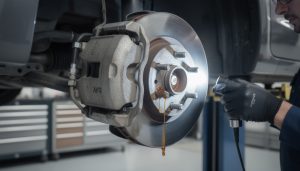
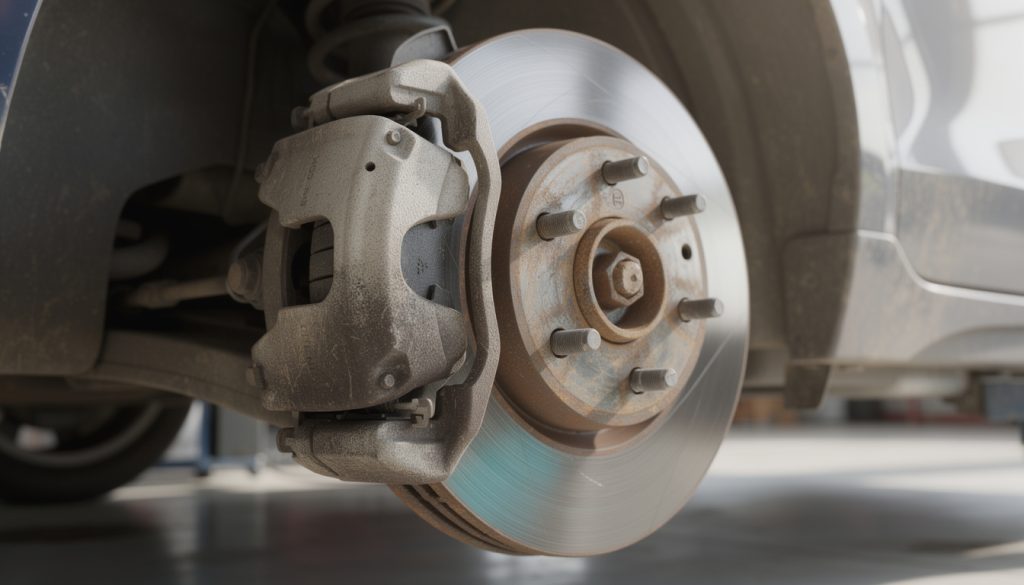
To grasp why certain signs indicate wear, it’s essential to know the role brake pads play in your vehicle’s braking system. Brake pads are the parts pressed against the spinning brake discs by the brake callipers. This friction slows the wheel’s rotation, translating the pressure you apply on the brake pedal into stopping force.
A brake system typically includes two brake pads per wheel, paired with a brake disc and calliper. Hydraulic fluid transfers your foot pressure from the pedal to the calliper, which squeezes the pads on the disc surface. Because this creates constant friction, brake pads wear down over time depending on several factors including driving style, vehicle weight, and road conditions.
Worn-out brake pads reduce your car’s stopping ability, leading to longer distances needed to stop safely. Additionally, uneven pad wear can create a less stable contact surface, contributing to sensations like vibrations when applying brakes. The accumulation of brake dust, a by-product of friction, also increases as pads degrade.
Every driver should pay attention to brake performance changes because it directly affects road safety. If ignored, worn brake pads do not just compromise stopping power but also cause damage to discs and other components of the brake assembly, leading to expensive repairs.
With many modern vehicles including brake wear indicators and dashboard brake warning lights, it becomes easier to get early alerts. However, these indicators aren’t foolproof—regular inspections and listening for telltale signs remain crucial.
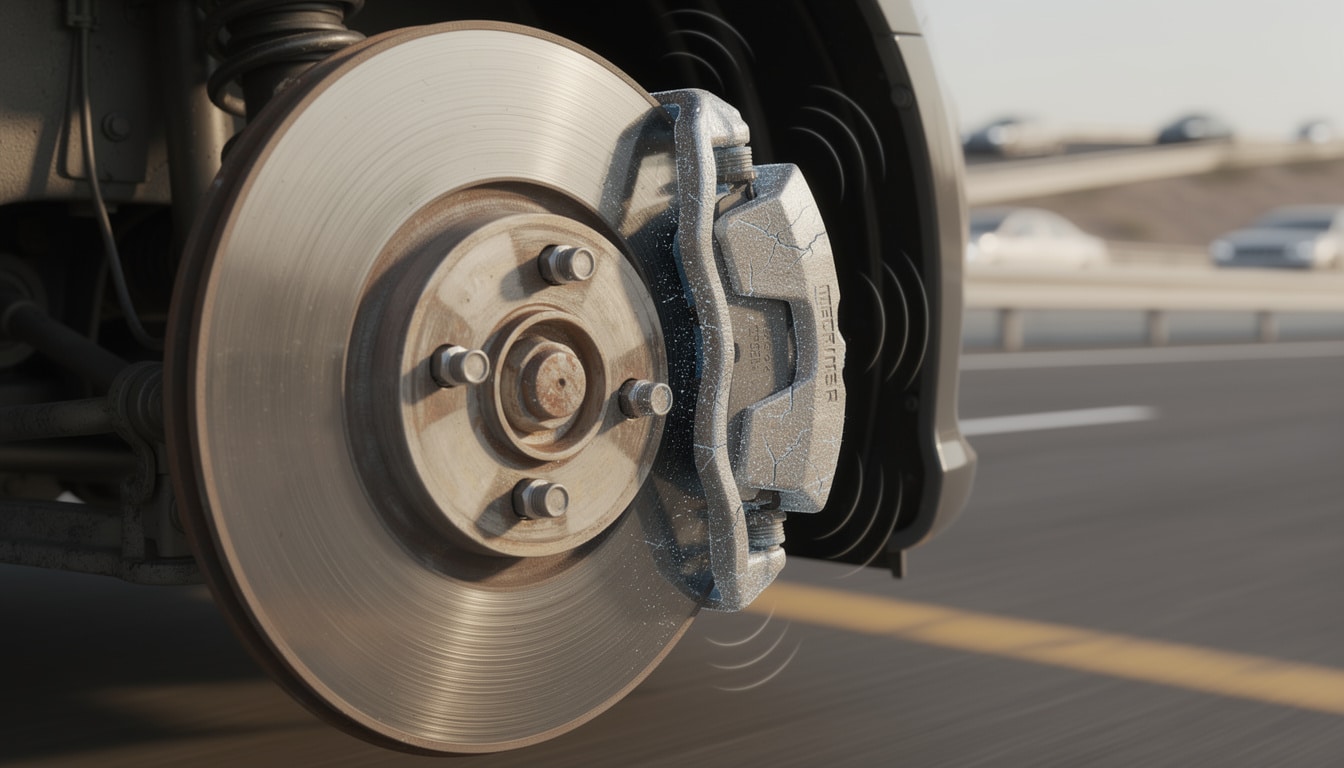
Top 5 Clear Signs Your Brake Pads Need Immediate Replacement
Knowing the specific symptoms of brake pad wear can help you act before your safety is compromised. Here are the most telling signs to recognize:
- Squealing or Screeching Noise: This high-pitched sound is usually caused by the wear indicators embedded in brake pads. When the pad material becomes too thin, the metal strip contacts the brake disc, alerting you to replacement needs. If you hear constant squealing especially under light braking, do not delay inspection.
- Grinding or Clicking Sounds: A grinding noise often means that brake pads have worn down completely, and the metal backing is now scraping the brake disc. Clicking or rattling sounds indicate loose brake pad components. Both noises require urgent professional check-ups as they signal increased damage risk.
- Vibrations or Pulsing in the Brake Pedal: When brake pads wear unevenly or rotors become warped, brake applications cause vibrations felt through the pedal or steering wheel. This irregular contact means pads are compromised and brake efficiency is reduced.
- Greater Stopping Distance: If you notice it takes longer for your vehicle to stop or you need to press the brake pedal harder than usual, worn brake pads are likely the culprit. Losing friction materials lowers braking power substantially, an unsafe condition that demands prompt replacement.
- Vehicle Pulling to One Side When Braking: Uneven brake pad wear or issues with brake callipers can cause your car to pull left or right during braking. This not only affects control but may also point to more complex brake system problems.
These signs are often accompanied by visual cues like excessive brake dust around wheels or visibly thin pads inspected through the wheel spokes. For a detailed breakdown of associated sounds and diagnostics, you can consult articles like diagnosing car problems by sounds.
Simple Visual Inspection Tips to Spot Brake Pad Wear
Performing a quick visual check can help you identify worn brake pads without specialized tools:
- Look through the wheel spokes to locate the brake caliper housing the pad.
- Check the thickness of the brake pads; any measurement under 3mm typically requires replacement.
- Note any grooves or uneven wear on the brake disc which can indicate pad issues.
- Presence of excessive brake dust accumulation can also be a sign that pads are deteriorating faster than normal.
Many drivers miss this simple yet effective check until noises or vibrations become unbearable. Regular checks especially after long trips or heavy braking conditions will extend your brake system’s health.
Brake Pad Types and Their Impact on Replacement Frequency and Performance
Brake pads come in various materials that influence lifespan, performance, and noise levels. Choosing the right type not only affects your wallet but also your experience on the road.
| Type of Brake Pad | Typical Lifespan (Miles) | Pros | Cons |
|---|---|---|---|
| Organic | 30,000 – 40,000 | Quieter operation, affordable | Wear faster, produce more brake dust |
| Ceramic | 50,000 – 70,000 | Long-lasting, minimal brake dust, quiet | Higher cost upfront |
| Metallic / Semi-metallic | 35,000 – 50,000 | Excellent stopping power, durable | Noisier, may wear discs faster |
Driving style affects brake pad wear significantly regardless of type – aggressive braking wears pads faster. For an informed choice based on vehicle use and cost, many drivers refer to specialized advice on brake system components, such as faulty brake caliper signs and their effect on wear.
💡 Expert Tip: When replacing brake pads, replace pairs on both sides to maintain consistent braking and avoid uneven vehicle pulling.
Extending Brake Pad Life and Best Practices for Maintenance
Proper driving habits and maintenance routines can significantly enhance how long your brake pads last. Here are my recommendations from years of diagnosing brake-related issues:
- Anticipate traffic flow to brake gently instead of harsh stops.
- Avoid speeding, as higher speeds often lead to more intense and sudden braking.
- Limit heavy loads by removing unnecessary cargo to reduce braking strain.
- Regular inspections using visual checks or during tire rotations help spot wear early.
- Beware of brake warning lights and address the cause immediately without delay.
Many drivers ask if it’s safe to drive with a brake warning light on. The answer is that this light should never be ignored as it signals degraded brake performance and potential safety hazards. Continued driving could lead to brake system failure and costly repairs.
Ensuring your brake pads are replaced timely avoids damage to brake discs, an issue that requires additional repair costs that can easily exceed the price of new pads.

How Long Should Brake Pads Last and Understanding the 30/30/30 Rule
Brake pad longevity depends on pad type, driving conditions, and habits. On average, brake pads last between 30,000 and 70,000 miles. But heavy urban driving or frequent stop-and-go traffic significantly decreases their lifespan.
The 30/30/30 rule is a practical guideline many technicians use:
- Check brake pads at approximately every 30,000 miles.
- Brake pads usually last between 30,000 to 70,000 miles, depending on use.
- Allow around 30 minutes for a typical brake pad replacement job.
This helps drivers schedule regular inspections and maintenance to prevent unexpected brake failures. Remember, ignoring signs like vibrations or squealing noise can lead to reduced braking power with severe safety consequences.

Basic Steps to Change Brake Pads Yourself
If you’re comfortable with basic vehicle maintenance, changing brake pads is manageable with the right tools and precautions. Essential tools include a car jack, spider spanner, socket set, and anti-seize lubricant.
Here’s a quick overview of the brake pad replacement steps:
- Loosen wheel nuts slightly before jacking up the vehicle.
- Remove the wheel to expose the brake calliper and pads.
- Unscrew the calliper bolts and gently hang the calliper to avoid brake fluid line stress.
- Remove old pads, clean the area, and inspect the brake disc.
- Apply lubricant, insert new pads, and secure with clips.
- Reattach calliper, reinstall the wheel, and tighten nuts once lowered.
- Test brakes carefully at low speeds to confirm smooth operation.
Common Mistakes to Avoid When Changing Brake Pads
- Not replacing both pads on the same axle simultaneously, which causes uneven braking.
- Ignoring brake fluid levels or leaks which affect hydraulic pressure.
- Failing to bed-in new brake pads properly, leading to reduced effectiveness initially.
Proper brake maintenance keeps your vehicle safe and limits costs. If uncertain, always consult a professional to avoid errors.
Risks and Dangers of Driving with Worn Brake Pads
Driving on worn brake pads is risky. Beyond the obvious reduction in stopping power, it can cause severe damage to other brake components. When pads wear completely, metal-to-metal contact with the brake disc can lead to disc warping, uneven wear, and expensive repairs.
Moreover, reduced brake efficiency can extend your stopping distance dramatically, especially in emergency situations. This raises the risk of accidents and injury.
If you notice persistent brake dust build-up or dashboard warning lights, these are clear indicators that a brake system inspection is overdue. Refer to resources like ABS pump warning signals to understand broader brake issues beyond pads.
Regular monitoring, prompt replacement upon signs of wear, and maintaining clean and well-lubricated brake parts ensure your braking system remains reliable and safe for years.
How often should I check my brake pads?
Inspect your brake pads every 12,000 to 15,000 miles or whenever you notice any unusual braking behavior such as squealing or vibrations.
Can I drive with a squealing noise coming from my brakes?
While occasional mild squealing can happen, consistent squealing usually means your brake pads are worn and require inspection or replacement.
What happens if I ignore brake pad wear indicators?
Ignoring wear indicators can lead to brake failure, longer stopping distances, and damage to discs which increases repair costs.
Are ceramic brake pads better than metallic ones?
Ceramic pads last longer and produce less brake dust but are more expensive. Metallic pads offer stronger stopping power but tend to wear discs faster and are noisier.
Is it safe to replace brake pads myself?
If you have basic mechanical skills and proper tools, replacing brake pads is doable, but always follow safety precautions and consult professionals if unsure.