The cylinder head is a vital engine component that plays a crucial role in your vehicle’s engine performance and efficiency. When it starts to fail, the consequences can range from minor annoyances to expensive repairs and even total engine failure. In 2026, understanding the early signs of cylinder head issues is more relevant than ever, as modern engines grow increasingly complex, and maintenance costs rise. Recognizing these warning signs helps you act promptly to avoid severe damage and downtime. From engine overheating and coolant leaks to engine misfire and compression loss, each symptom points to specific problems affecting your vehicle’s reliability.
Key Takeaways :
- Engine overheating often signals a warped or cracked cylinder head obstructing coolant flow.
- Engine performance declines due to poor combustion caused by cylinder head defects.
- Coolant and oil leaks are red flags linked to cracks or damaged seals in the cylinder head.
- Engine misfire and compression loss may indicate underlying cracks or gasket failure affecting combustion chambers.
- Timely maintenance and repair can prevent costly engine replacement and further contamination of engine fluids.
Recognizing the Critical Symptoms of a Failing Cylinder Head
Identifying cylinder head failure symptoms quickly can save you from extensive engine damage. The most common signs include engine overheating, oil and coolant leaks, decreased engine performance, misfires, and visible smoke from the exhaust. Each symptom hints at specific failures within the cylinder head or its surrounding components.
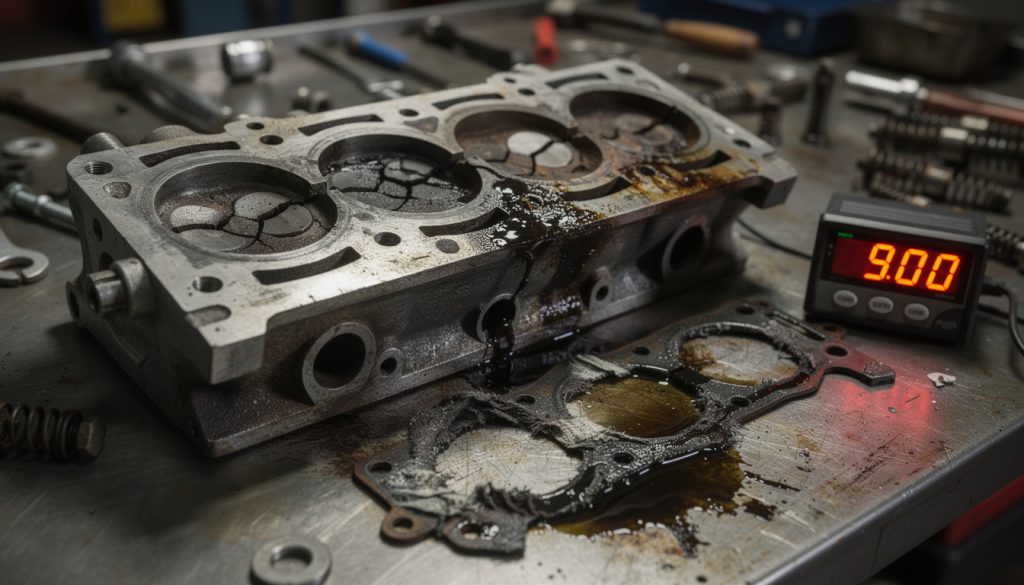
Overheating occurs when the cylinder head warps or cracks, disrupting coolant pathways vital for engine temperature regulation. For instance, warped mating surfaces prevent a proper seal, directly influencing the cooling system’s efficiency and leading to heat buildup. This not only affects the cylinder head but risks damaging the head gasket, pistons, and valves—parts whose repair costs can skyrocket if overlooked.
Poor engine performance is another clear indicator. A cracked cylinder head or compromised combustion chamber interrupts the air-fuel mixture and combustion process. This usually manifests as sluggish acceleration, reduced power output, and notably decreased fuel economy. Diesel engines are particularly susceptible, where fractured heads can significantly degrade fuel combustion efficiency.
Engine misfire might not always point directly to the cylinder head initially but can result from compression loss caused by cracks or gasket failure. This symptom often feels like hesitation or irregular engine behavior under load.
Leaks—both oil and coolant—are telltale signs of cylinder head damage. A visible oil leak near the head, or sweet-smelling coolant puddles under the vehicle, should prompt immediate inspection. These leaks can cause internal fluid contamination, deteriorating engine health.
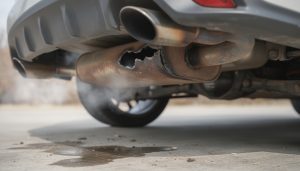
Finally, smoke emissions provide clues about the severity of cylinder head issues. White smoke often indicates coolant entering the combustion chamber, while blue smoke denotes burning oil from damaged seals or valve guides. Promptly addressing these symptoms minimizes the risk of catastrophic failure.
The Cylinder Head’s Role in Engine Efficiency and Why It Matters
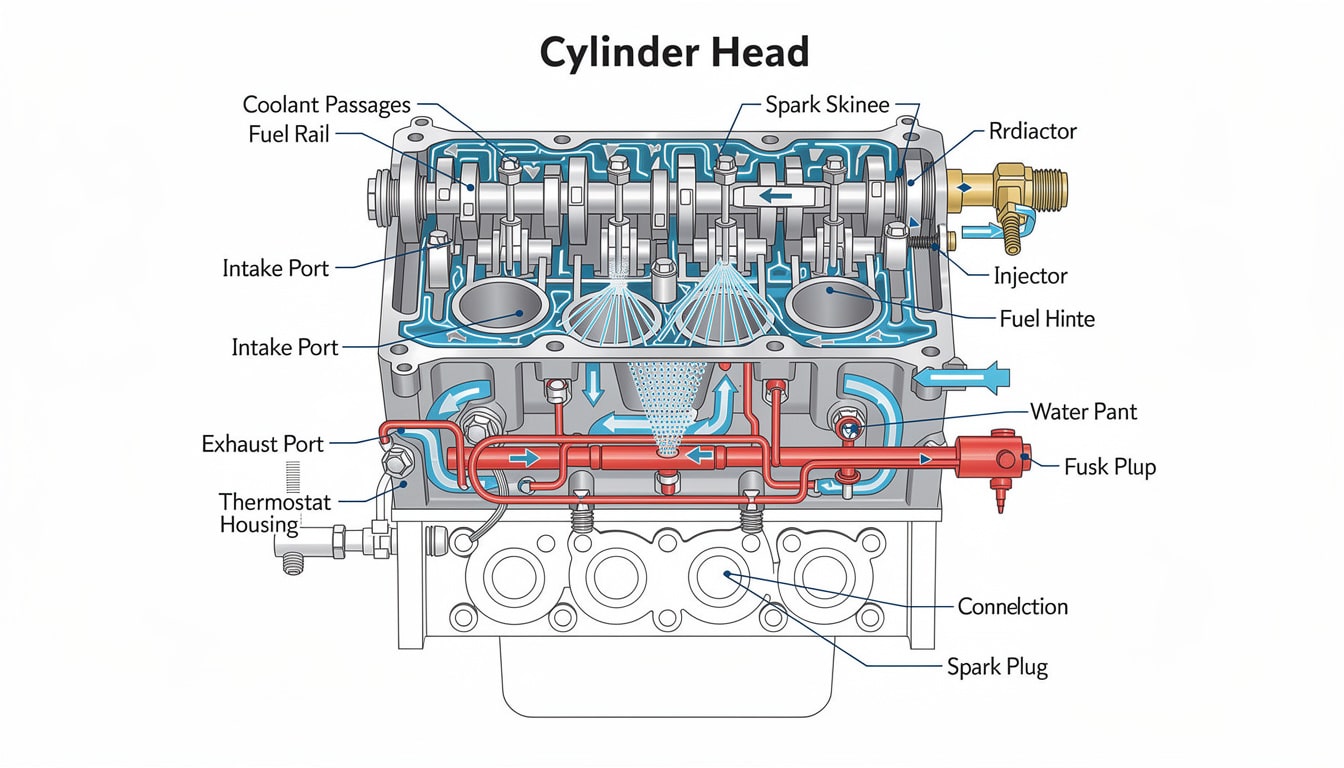
The cylinder head is the engine’s control center for air, fuel, and exhaust flow. It tightly seals the combustion chamber’s top, housing crucial components like intake and exhaust valves, fuel injectors, and sometimes camshafts. Without this perfect seal and regulation, engine performance drops drastically.
Coolant and oil passages run through the cylinder head, essential for temperature control and lubrication. A healthy cylinder head ensures efficient combustion and optimum airflow, directly impacting the vehicle’s fuel economy and power output. If the head develops cracks or warping, this harmony breaks down, leading to increased emissions and premature wear of engine parts.
Beyond mechanical roles, the cylinder head manages heat transfer between the combustion chamber and cooling system. In modern engines equipped with variable valve timing and advanced fuel injection technologies, maintaining precise control via cylinder head integrity is crucial.
For example, a clogged or cracked cylinder head passage may reduce coolant flow, leading to localized overheating, which can further damage the exhaust manifold and other engine sections. This cascade effect illustrates why cylinder heads demand regular inspection during vehicle maintenance.
Common Causes of Cylinder Head Failure and How to Prevent Them
Understanding why cylinder heads fail helps in prevention. Typically, failure results from factors including thermal stress, mechanical fatigue, and insufficient vehicle maintenance.
Prolonged exposure to high temperatures can cause cylinder heads to warp. Uneven expansion during overheating episodes or improper cooling system repairs result in uneven mating surfaces and cracked heads. Blown head gaskets often accompany these conditions, marking a breach in compression and fluid containment.
Mechanical stresses arise from repeated force exertions by bolts during engine cycles or vibrations, wearing down seals and leading to oil and coolant leaks. Additionally, component failure such as deteriorated valve seals or guides inside the cylinder head compromises internal combustion dynamics, severely impacting engine performance.
Manufacturing quality also matters. Some vehicles carry factory defects like voids or porosity within the cylinder head material, causing hidden weak spots prone to damage under normal vehicle operation.
- Insufficient coolant levels or delayed coolant replacement accelerates head deterioration.
- Overlooking small leaks or minor overheating can escalate damage.
- Using wrong torque settings while tightening head bolts risks warping the cylinder head.
- Poor-quality replacement parts or sealants can worsen leaks and failure frequency.
💡 Expert Tip: Always use manufacturer-approved torque specifications for cylinder head bolts and regularly inspect coolant and oil levels to avoid premature cylinder head damage.
Understanding Cylinder Head Longevity and Repair Costs in 2026
Typically, cylinder heads are built to last the lifetime of your vehicle, often exceeding 200,000 miles. However, real-world factors can shorten their life: aggressive driving, neglecting vehicle maintenance, and extreme weather conditions play significant roles.
Often, you’ll find that related components like the head gasket or valves fail before the cylinder head itself. Repairing or replacing gaskets is less costly and usually a first indicator to assess the cylinder head’s condition.
Replacing a cylinder head involves substantial labor due to engine disassembly and testing complexity. Prices in 2026 range from roughly £500 to over £1500 depending on vehicle make, engine type, and whether the part is new or remanufactured. Labor costs vary regionally and with shop expertise.
| Repair Type | Average Cost Range (£) | Typical Cause | Complexity Level |
|---|---|---|---|
| Head Gasket Replacement | 300 – 700 | Blown gasket due to overheating | Moderate |
| Cylinder Head Resurfacing | 150 – 400 | Warped surface | Low to Moderate |
| Cylinder Head Replacement | 500 – 1500+ | Cracked or severely damaged head | High |
Regular vehicle maintenance dramatically extends cylinder head life. Keeping an eye on early warning signs and performing simple checks like coolant and oil quality assessments can prevent total failure.

Practical Checks and Repairs to Address Cylinder Head Issues
If you suspect cylinder head trouble, prompt diagnostic steps, and repairs can save your engine. Here’s what to look for and do:
- Visual Inspection: Check for oil or coolant puddles near the engine bay and beneath your vehicle. Look for contamination of oil with a milky appearance or unusual coolant color.
- Temperature Monitoring: Track dashboard engine temperature. Repeated overheating should trigger further mechanical inspection.
- Compression Test: Perform or have a mechanic test cylinder compression to detect leaks causing engine misfire or power loss.
- Smoke Observation: Note any unusual exhaust smoke color — white or blue smoke suggests coolant or oil burning within the engine.
Depending on the cause, repairs may range from head gasket replacement and valve seal repair to full cylinder head resurfacing or replacement. Some cracked heads can be welded or machined, but this depends on damage extent and material quality.
Preventive maintenance includes keeping the cooling system in top condition, timely oil changes, and seasonal checks of engine performance metrics.

Can I continue driving with a cracked cylinder head?
Driving with a cracked cylinder head is risky. It can cause severe engine overheating, fluid contamination, and eventual engine failure. Immediate mechanical assessment is recommended.
What is the difference between a blown head gasket and a cracked cylinder head?
A blown head gasket is a seal failure between the cylinder head and engine block, causing leaks. A cracked cylinder head involves physical damage to the head itself, often more costly to repair.
How often should I inspect my cylinder head?
Regular inspections should coincide with routine maintenance, ideally every 20,000 to 30,000 miles, or anytime engine overheating or performance issues arise.
Are there car models more prone to cylinder head issues?
Certain models, like some variants of the Jeep Cherokee and BMW M3, have documented cylinder head concerns. Checking model-specific forums and recalls can provide additional insights.
Can a cylinder head be repaired or must it be replaced?
Minor warping or cracks can sometimes be repaired via resurfacing or welding, but extensive damage requires full replacement to ensure safety and performance.