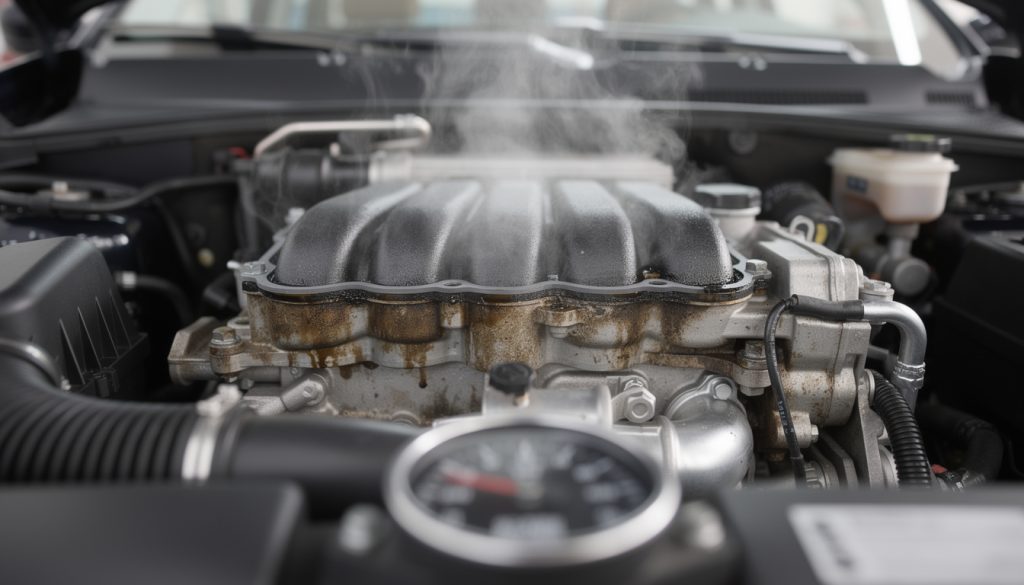
The intake manifold gasket plays a critical role in sealing the connection between the intake manifold and the cylinder head, ensuring the proper flow of air, fuel, and coolant within the engine. When this gasket fails, it creates a cascade of engine issues including overheating, performance loss, and potential long-term damage. In 2026, understanding these warning signs remains vital to diagnosing problems early and preventing costly repairs.
Key Takeaways :
- Intake manifold gasket failure commonly leads to engine overheating and reduced performance.
- Early symptoms include engine misfires, decreased acceleration, and stalling.
- Coolant leaks and contamination of the oil sump are critical indicators of gasket issues.
- Simple diagnostic checks like observing idle behavior and coolant levels help detect leaks.
- Ignoring gasket problems risks severe engine damage, increasing repair costs dramatically.
Understanding the Function of the Intake Manifold Gasket in Engine Performance
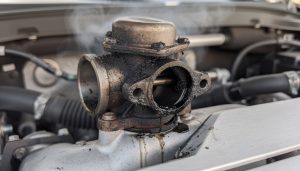
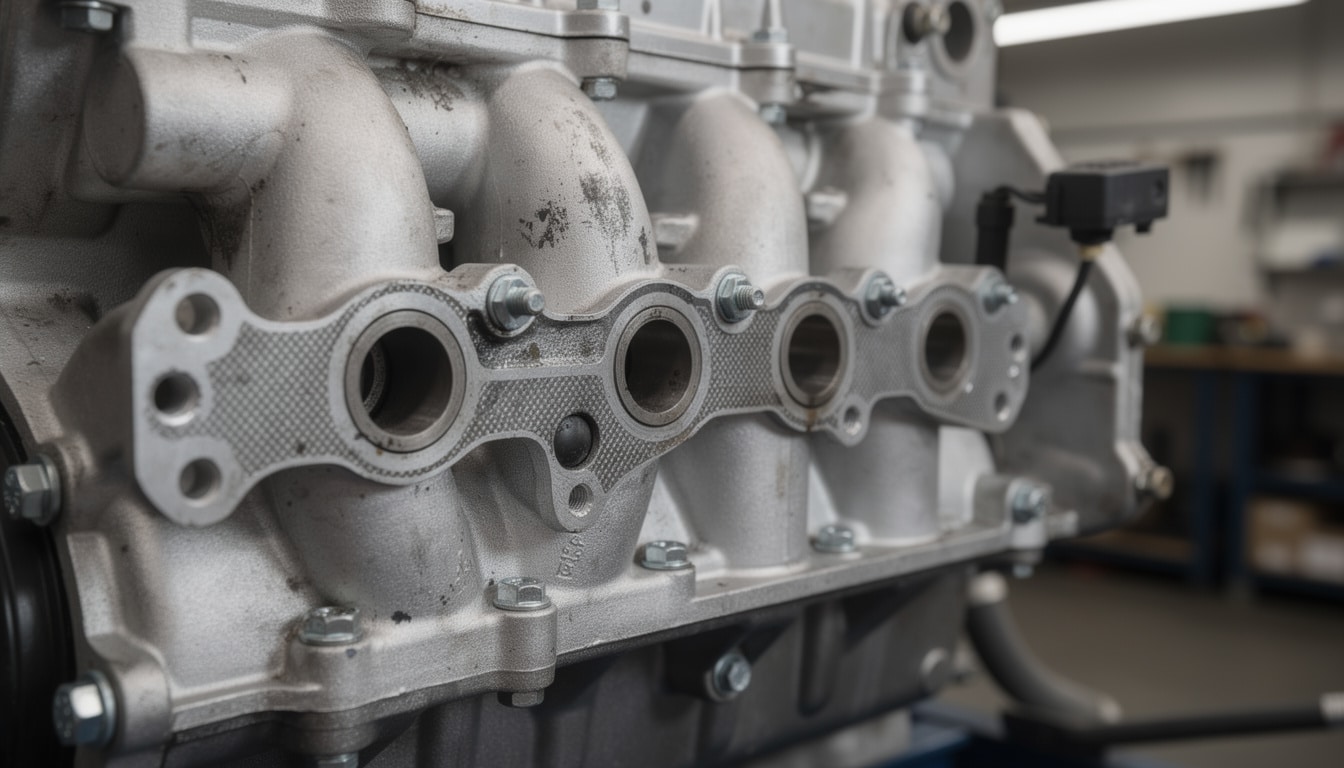
The intake manifold gasket is a specialized seal that maintains the airtight and liquid-tight connection between the intake manifold and the cylinder head. Its purpose is to ensure the correct delivery of the air-fuel mixture into the combustion chambers while preventing leaks of coolant or exhaust gases. This gasket is made from heat-resistant materials designed to withstand harsh thermal cycles, but over time, continuous exposure to engine heat causes it to degrade and fail.
When discussing engine diagnostics related to the intake manifold gasket, it’s crucial to note that this gasket also helps prevent an intake leak that can disrupt the precise air-fuel ratio required for optimal combustion. A failure here can cause the engine to run inefficiently, leading to reduced engine performance and increased emissions.
In 2026, modern engines still rely heavily on the integrity of this component, especially in turbocharged systems where intake pressures are even higher. Failing to recognize gasket failure can quickly escalate maintenance costs. For example, a leaky gasket can allow coolant to enter the combustion chamber or oil sump, potentially damaging pistons or bearings.
Typically, the intake manifold gasket lasts between 70,000 and 120,000 miles, but variations in driving habits and conditions can shorten this lifespan considerably. Vehicles exhibiting any decline in engine smoothness should be evaluated promptly, particularly because intake gasket leaks often manifest subtly before causing overheating or significant power loss.
Real Case Example: A 2018 BMW X6 owner reported recurrent stalling and overheating; diagnostics pinpointed an intake gasket failure as the root cause, a common issue noted in BMW X6 common problems. Early replacement prevented a damaged cylinder head and saved over $1,500 in repairs.
Early Warning Signs: How to Detect Intake Manifold Gasket Failure
Identifying the failure of an intake manifold gasket early is critical to preserving engine health. The primary warning signs often surface as changes in engine behavior or visible fluid leaks, which include:
- Engine Misfires: A crack or break in the gasket allows air to escape, causing an unbalanced air-fuel mixture. This leads to incomplete combustion and misfires, often accompanied by a flickering or rough idle. Modern vehicles store misfire codes accessible through engine diagnostic tools.
- Decreased Acceleration: The imbalance in the fuel mixture means less power during acceleration, which drivers often first notice as a sluggish response when pressing the gas pedal.
- Stalling: Vacuum leaks caused by gasket failure reduce the engine’s ability to maintain idle, frequently causing stalls even during regular driving situations such as stop-and-go traffic.
- Engine Overheating: Coolant escaping through the failed gasket decreases the system’s ability to regulate engine temperature, resulting in repeated overheating episodes and increased coolant loss.
- Poor Fuel Economy: The disrupted mixture forces the engine to consume more fuel to maintain power, leading to an obvious increase in fuel consumption and frequent trips to the gas station.
Each of these symptoms, while indicative of possible intake manifold gasket failures, should still be assessed with other potential causes including ignition faults or fuel system problems. Resources like engine misfires causes signs help drivers distinguish between related conditions such as ignition coil failure versus intake leaks.
💡 Expert Tip: When idling, gently spray carburettor cleaner around the gasket area. An increase in RPM indicates a vacuum leak, a strong clue to intake manifold gasket failure or related vacuum hose issues.
Coolant and Oil Contamination: Diagnostics and Risks Related to Gasket Leaks
One critical aspect often overlooked is the effect of gasket failure on the vehicle’s cooling and lubrication systems. The intake manifold gasket also seals passages that allow coolant to flow through the engine block and intake manifold to regulate temperature. A damaged gasket can cause coolant to leak externally or mix with engine oil.
This coolant intrusion is especially dangerous because it compromises the oil’s lubricating properties. You may notice a milky, frothy, or creamy substance on the dipstick, which is a telltale sign of coolant mixing with oil. This contamination can increase wear on bearings and cylinders, potentially locking or severely damaging the engine.
Tables below compare the symptoms and potential consequences of coolant leaks versus oil contamination due to intake gasket failure:
| Symptom | Coolant Leak Impact | Oil Contamination Impact |
|---|---|---|
| Visible coolant drip under vehicle | Increased risk of engine overheating | Not applicable |
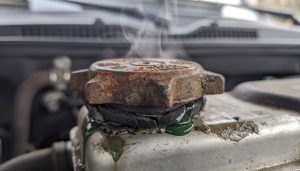
| Steam or sweet smell from engine bay | Engine temperature spikes regularly | Not applicable |
| Milky residue on oil dipstick | Not applicable | Reduced lubrication, increased engine wear |
| Frequent coolant top-ups required | Loss of cooling efficiency, risk of head gasket failure | Not directly impacted |
Understanding these signs can be lifesaving for engine longevity. Failure to address coolant loss can lead to warped cylinder heads or cracked engine blocks. If you detect any of these symptoms, a professional inspection is imperative.

Troubleshooting Steps and Preventive Measures for Intake Manifold Gasket Problems
When facing symptoms of an engine gasket leak, effective troubleshooting includes:
- Visual Inspection: Look for visible coolant leaks, signs of oil contamination, or coolant puddles beneath the vehicle.
- Engine Idle Test: Use a spray such as carburettor cleaner near gasket edges while idling to identify vacuum leaks.
- Diagnostic Scanning: Utilize OBD-II scanners to check for engine misfire codes, intake system faults, or coolant temperature irregularities.
- Coolant Pressure Test: To locate internal leaks within the intake manifold cooling passages.
- Smoke Testing: Introducing smoke into the intake system to pinpoint exact leak locations.
Preventive maintenance includes regular inspection during routine servicing, especially past 70,000 miles, and paying close attention to subtle shifts in engine performance. Since intake manifold gasket failure often results from heat stress, ensuring engine cooling systems operate optimally lowers failure risk.
💡 Expert Tip: For vehicles like the Audi Q7, known for occasional intake gasket issues, investing in high-quality gaskets during replacement significantly increases durability and reduces repeat failures. Check for Audi Q7 reliability problems for model-specific advice.
Costs, Repairs, and Consequences of Delayed Intake Manifold Gasket Replacement
Repairing a failed intake manifold gasket generally involves a multi-hour labor job with costs driven by vehicle design complexity and labor rates. On average, replacement costs range from $250 to $800, parts included. For certain luxury or performance models, these costs might escalate due to restricted engine bay access and part pricing.
Neglecting gasket failure risks:
- Engine overheating leading to warped cylinder heads
- Coolant contaminating oil, causing engine bearing wear
- Persistent engine misfires damaging catalytic converters
- Decreased fuel economy and higher emissions
Early intervention can save hundreds to thousands in engine repairs down the line, especially on newer vehicles where engine management systems may alert you to intake leaks before mechanical failure sets in.
Besides mechanical risks, continued driving with a gasket failure will also degrade ride comfort and vehicle reliability. The loss of acceleration combined with repeated stalls can be dangerous in traffic, making prompt diagnosis and repair a priority.

Can I drive my car if the intake manifold gasket is leaking?
It’s possible to drive short distances with a minor intake manifold gasket leak, but this is risky. Continued driving can lead to engine overheating, misfires, and severe mechanical damage. Immediate professional diagnosis is recommended.
How can I tell if the intake manifold gasket is causing engine overheating?
Look for symptoms such as frequent coolant top-ups, visible leaks under the vehicle, a sweet smell, and rising engine temperature. Engine diagnostics often show trouble codes related to temperature sensors or coolant system faults.
What is the average cost to replace an intake manifold gasket?
Costs vary depending on vehicle make and labor rates but typically range between $250 and $800. Luxury models can be more expensive due to difficult access and premium parts.
Are there any simple checks to detect an intake manifold gasket leak?
Yes, such checks include spraying carburettor cleaner around the gasket while idling to detect vacuum leaks or visually inspecting for coolant leaks or milky oil on the dipstick.
What risks arise if a failing intake manifold gasket is ignored?
Ignoring the problem risks critical engine damage including overheating, warped heads, oil contamination, poor fuel efficiency, and costly repair bills.