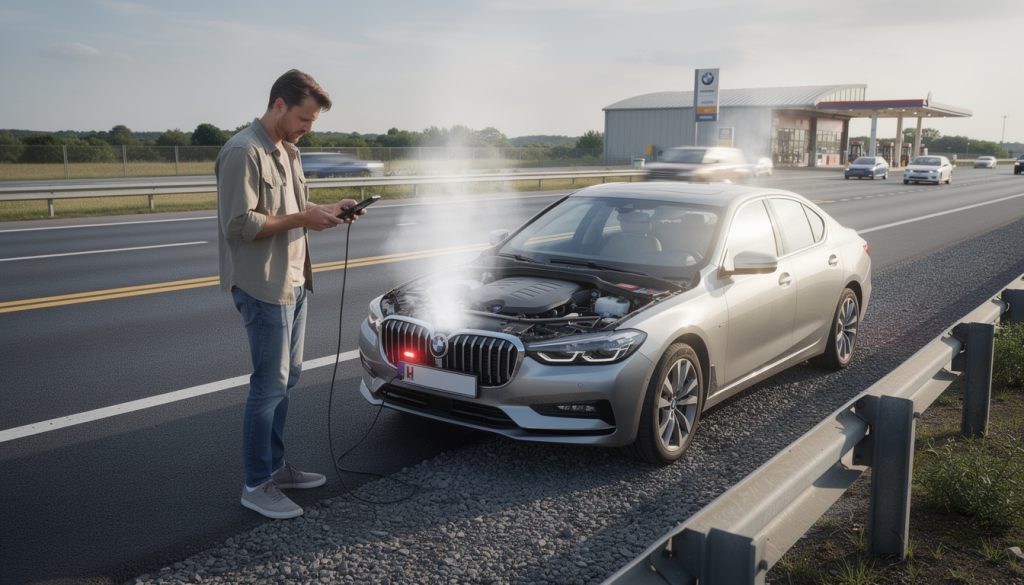
Imagine driving on a clear highway when suddenly your car refuses to accelerate properly, stuck in a single gear with the engine revs limited. This frustrating scenario signals that your vehicle has entered limp mode, a built-in safety feature designed to protect critical engine and transmission components from severe damage. Understanding limp mode means you can quickly react, diagnose, and find effective repair solutions to restore your vehicle’s full function while ensuring vehicle safety.
Key Takeaways :
- Limp mode restricts engine power and locks the transmission to prevent further damage.
- Common triggers include faulty sensors, low fluid levels, or transmission issues.
- Diagnostic codes and fault data are essential for efficient car troubleshooting.
- Simple fixes like topping up fluids or resetting the engine control unit can sometimes clear limp mode.
- Ignoring limp mode risks serious engine or transmission failure, leading to costly repairs.
Understanding Limp Mode and Its Role in Engine Protection
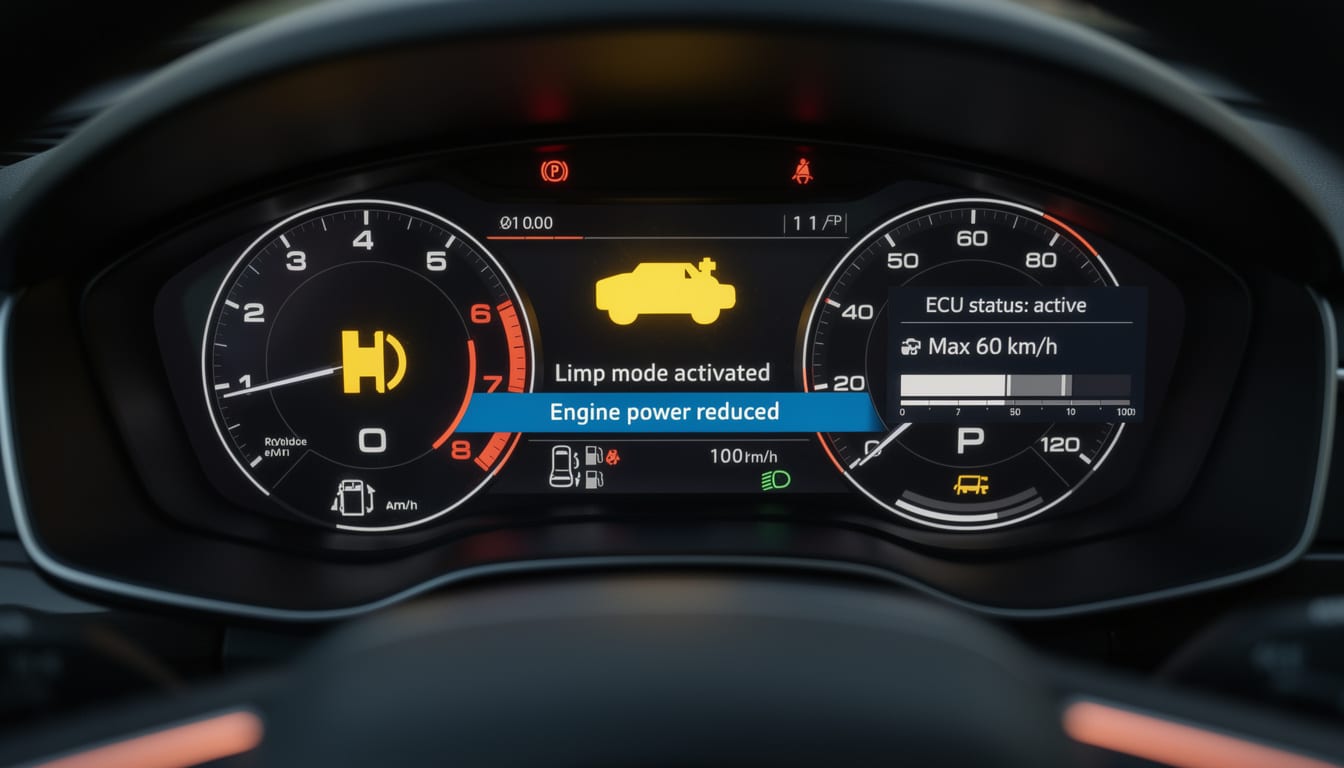
Limp mode is the vehicle’s emergency response designed for engine protection. When the engine management system detects a significant fault, the car automatically goes into limp mode to reduce stress on critical components. This mode limits the vehicle’s performance, often locking the transmission in second gear and capping the engine RPM at roughly 2,500 to 3,000. The goal is to allow the driver to reach a service center safely without causing catastrophic damage.
For instance, a 2026 BMW Z4 undergoing routine diagnostics might unexpectedly switch to limp mode upon detecting a fault in the turbo actuator system, a known failure point reported in several models. The activation prevents further stress on the turbocharger and related parts until professional repair can be completed. This kind of preventative action is why limp mode is sometimes referred to as “safe mode” for vehicles.
Because limp mode severely curtails vehicle performance, it’s impossible to ignore its presence. Drivers typically observe a lack of acceleration, unusual vibrations, and a persistent Check Engine Light. These indications are your system’s way of signaling that immediate attention is necessary.
Failing to acknowledge limp mode can lead to devastating damages. For example, ignoring symptoms linked to car losing power causes related to sensor errors or fluid deficiencies can result in engine overheating or complete transmission failure. The repair costs in such cases might soar beyond $2,000, depending on the severity.
Key Symptoms of Limp Mode and What They Indicate
Recognizing limp mode symptoms early on is crucial to car troubleshooting. Primary signs include:
- Acceleration is dull and sluggish even with aggressive throttle input.
- The vehicle is stuck in second or third gear, unable to shift normally.
- Engine speed is capped around 3,000 RPM, limiting driving speed below highway standards (typically under 45 mph).
- A shaking or juddering sensation may occur, signifying compromised engine operation.
- The Check Engine Light (CEL) activates and may blink to indicate an active fault detection.
For example, if you observe your Seat Alhambra exhibiting a sudden reduction in power combined with a flashing dashboard indicator, this points to an active limp mode linked, perhaps, to its common turbo actuator issues as documented in recent repair reports. Diagnosing the limp mode requires reading diagnostic codes using an OBD-II scanner to retrieve detailed fault information and plan repairs accordingly.
In several cases, a malfunctioning sensor such as a Mass Air Flow (MAF) sensor or a Throttle Position Sensor (TPS) may send faulty data to the engine management system, causing the ECU to activate limp mode as a precaution. Low fluid levels, especially transmission fluid, also frequently trigger performance restrictions to avoid damage from inadequate lubrication.
Most Common Causes of Limp Mode Activation and How to Identify Them
Multiple faulty sensors and mechanical issues can cause the vehicle’s ECU to trigger limp mode. Understanding these causes helps pinpoint effective repair solutions.
1. Low Fluid Levels and Contamination
Transmission fluid or engine oil at low levels compromises hydraulic pressure essential for smooth gear changes and engine lubrication. This imbalance sends irregular feedback to the control units, prompting limp mode activation. Checking and topping fluids regularly is a simple preventive measure to avoid costly repairs. Dirty or degraded fluids exacerbate this issue.
2. Transmission and Clutch Faults
Damaged solenoids, worn clutches, or linkage issues may disrupt the shifting mechanism. Vibrations or knocks may cause linkage loosening, causing gear selection faults. When detected, the ECU limits transmission operation to minimize damage. For example, this is a common reason for limp mode suspicions in transmission-intensive models like the Peugeot 308.
3. Faulty Sensors and Wiring Issues
Sensors like MAF, TPS, or manifold pressure sensors constantly send data to the engine control module. When wiring corrodes or frays—often due to heat, moisture, or vibration—these signals can become erratic or disappear. The ECU responds by initiating limp mode to protect engine management systems from unstable inputs.
4. Turbocharger and Boost Control Problems
Failures in components such as turbo actuators compromise boost pressure regulation. Faults here are common triggers for limp mode, often causing turbo lag and reduced power output. Recent cases from vehicle owners highlight the importance of timely diagnosing turbo actuator faults to avoid limp mode interruptions.
| Cause | Symptoms | Recommended Action |
|---|---|---|
| Low Transmission Fluid | Sluggish acceleration, gear sticking | Check & refill fluid levels, inspect for leaks |
| Faulty Sensors (MAF, TPS) | Engine misfire, reduced power, warning lights | Scan codes, replace defective sensors |
| Transmission Solenoid Faults | Gear shifting errors, stuck in limp mode | Professional transmission diagnostics required |
| Turbocharger Actuator Failure | Loss of boost, reduced acceleration | Inspect & replace actuator as needed |
Practical Steps and Repair Solutions to Resolve Limp Mode
If your vehicle has entered limp mode, several practical steps can be taken to diagnose and potentially resolve the problem:
- Top up engine and transmission fluids: Ensuring fluid integrity is a quick way to restore normal operation if the cause is fluid-related.
- Clear diagnostic codes: Using an OBD-II scanner can reset error codes and sometimes clear limp mode, especially if the problem was a temporary glitch.
- Inspect and replace faulty sensors: If diagnostics reveal sensor failure, prompt replacement can restore correct signals to the ECU.
- Professional transmission repair: Transmission solenoid or clutch issues require expert attention to prevent long-term damage.
- Turbo actuator evaluation: Checking boost pressure and actuator functionality is key to avoiding repeated limp mode activation in turbocharged engines.
For DIY enthusiasts, cleaning the throttle body to ensure smooth airflow can also mitigate sensor errors and restore performance, a method often recommended for vehicles showing hesitation or stalling symptoms as detailed in throttle body cleaning signs. However, professional diagnosis remains essential for stubborn or critical issues.
💡 Expert Tip: While resetting the ECU by disconnecting the battery may temporarily clear limp mode, it is vital to address the root cause. Persistent limp mode indicates underlying problems that demand mechanical inspection to avoid recurring failures.
Long-Term Vehicle Safety and Preventing Limp Mode Recurrences
Regular maintenance and early diagnosis are your best defenses against limp mode interruptions, preserving vehicle safety and operational reliability. Key preventive measures include:
- Routine fluid checks coupled with timely changes
- Frequent inspection of sensors and electrical connections for corrosion or damage
- Adhering to manufacturer recommended service schedules
- Prompt attention to warning lights and unusual vehicle behavior
- Using quality replacement parts known for reliability
For example, owners of popular models such as the Land Rover Discovery Sport benefit from being vigilant about transmission fluid changes and sensor diagnostics to avoid limp mode conditions documented in owner forums and service bulletins.
In complex cases, employing advanced diagnostic tools capable of logging live data—like boost pressure and fuel system performance—can help pinpoint intermittent faults before limp mode triggers, saving time and repair expenses.
Can limp mode damage my engine if I keep driving?
Limp mode is designed to protect your engine by limiting performance. However, continuing to drive without addressing the root cause can lead to severe damage and expensive repairs.
Is it safe to drive in limp mode?
While limp mode lets you drive at reduced speeds to a repair shop, it’s not meant for regular driving. Severe limitations on speed and acceleration make it unsafe for long distances or highway travel.
How can I diagnose what caused limp mode?
Using an OBD-II scanner to read diagnostic codes is the fastest way to identify the system or sensor triggering limp mode. Some shops offer free diagnostics for this purpose.
Can I reset limp mode myself?
You can try disconnecting the battery or using a scanner to clear codes temporarily, but the underlying issue must be fixed to prevent limp mode from returning.
What are common sensor failures that cause limp mode?
Sensors like the MAF sensor, TPS, and manifold pressure sensors frequently cause limp mode when they malfunction due to wiring issues, dirt, or age.