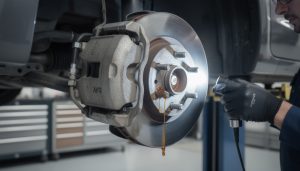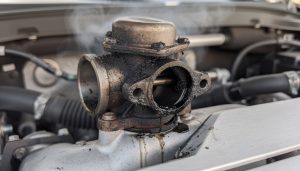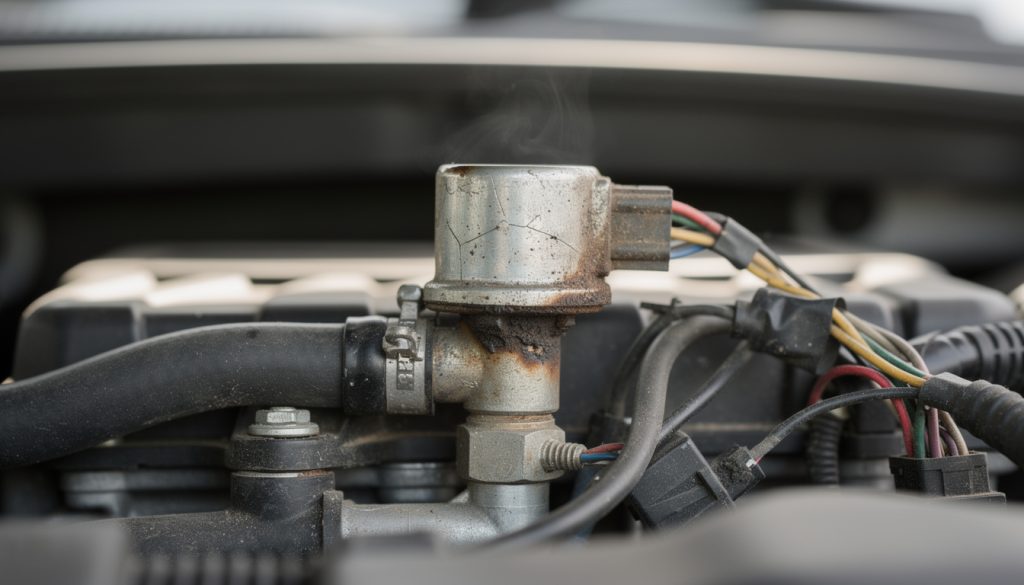
The fuel tank pressure sensor plays an indispensable role in your vehicle’s emission control and fuel system efficiency. This small but critical device continuously monitors the pressure inside the fuel tank to ensure that fuel vapors do not escape into the atmosphere, thereby minimizing harmful emissions. When this sensor malfunctions, however, it can compromise engine performance, increase emissions, and lead to costly repairs if left unchecked.
By understanding the warning signs of a failing fuel tank pressure sensor, you can take timely corrective action, saving money and avoiding inconvenient breakdowns. This article dives deep into the malfunction symptoms, common causes of sensor failure, precise sensor location, and replacement costs, emphasizing practical advice and troubleshooting tips for any vehicle owner.
Key Takeaways:
- The fuel tank pressure sensor monitors vapor pressure inside the fuel tank to support emissions control.
- Warning signs include a persistent check engine light, decreased fuel efficiency, hard starts, and unusual fuel odors.
- Environmental factors, poor maintenance, and aging commonly cause sensor failure.
- The sensor is typically located near or on the fuel tank, often around fuel lines or charcoal canisters.
- Replacement costs vary widely but generally range between £100 and £300 including labour.
Recognizing the top six warning signs of a malfunctioning fuel tank pressure sensor
The fuel tank pressure sensor is a key component of the evaporative emissions control system (EVAP), responsible for detecting and reporting vapor pressure fluctuations inside the fuel tank to the engine control unit (ECU). When it malfunctions, the effects ripple across various vehicle systems. Here are the six most telling symptoms to watch for:
1. Illuminated check engine light
The most common and immediate warning sign of a faulty fuel tank pressure sensor is the activation of the check engine light on your dashboard. The sensor sends data to the vehicle’s ECU, which triggers this alert if irregularities in pressure readings or possible leaks are detected. Remember, while this light often points to the sensor, it could also signal more serious engine issues, so professional diagnostics are vital.
2. Reduction in fuel efficiency
A compromised sensor fails to detect or report fuel vapor leaks correctly, allowing vapors to escape and waste fuel. This unmonitored vapor loss leads directly to increased fuel consumption, meaning your vehicle will require refueling more often. Over time, this inefficiency can significantly increase your running costs.
3. Elevated vehicle emissions
Without accurate sensor data, the EVAP system can fail to contain harmful vapors effectively. This malfunction drives up your vehicle’s emissions output, risking failed emissions tests and contributing to environmental pollution. Such inefficiency can be especially problematic in regions with strict regulatory standards.
4. Difficulty starting the engine
A failing fuel tank pressure sensor can cause incorrect fuel vapor pressure readings, leading the ECU to miscalculate the air-fuel mixture ratio. This miscalculation often manifests as hard starting, idling issues, or stalling, particularly in cold weather or after long periods of inactivity.
5. Noticeable fuel odor
If fuel vapors leak due to sensor malfunction, you might detect an unusual fuel odor near or inside the vehicle. This is not only unpleasant but can also pose safety risks if left unresolved. Be alert for hissing or whistling noises close to the fuel tank area, which also indicate pressure-related issues.
6. Erratic engine performance
Inconsistent or rough idling, hesitation during acceleration, and other engine performance irregularities can be traced back to inaccurate pressure sensor feedback, disrupting optimal engine control.
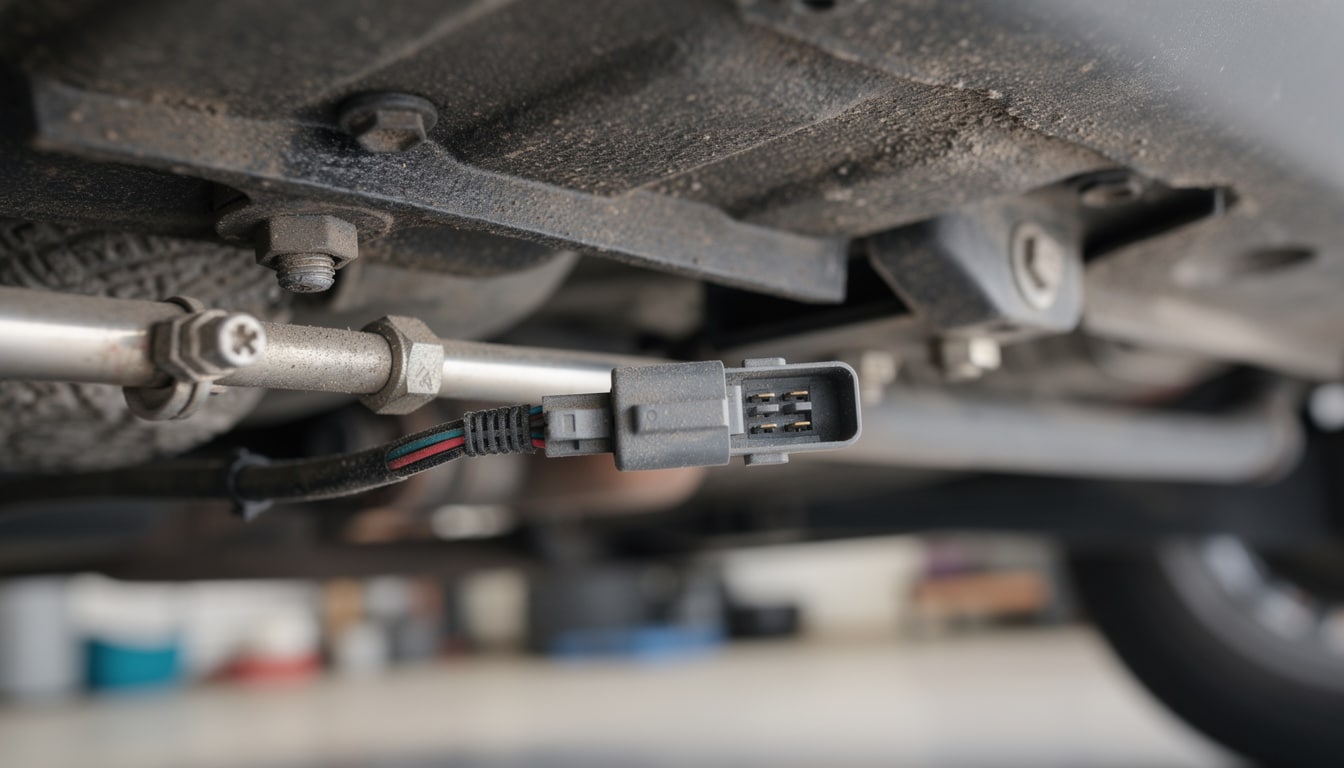
Understanding these symptoms equips owners and mechanics with the capacity for early detection, preventing more serious vehicle malfunctions and reducing maintenance costs.
💡 Expert Tip: Always pair sensor symptom observation with diagnostic trouble codes using an OBD-II scanner to confirm sensor-related faults and avoid unnecessary part replacements.
What causes fuel tank pressure sensor failure and how to prevent it?
The longevity of a fuel tank pressure sensor depends on environmental and operational factors. Identifying the root causes of sensor failures can help minimize breakdowns and extend component life:
Environmental exposure
Fuel tank pressure sensors are exposed to harsh conditions under the vehicle, including extreme temperatures ranging from sub-zero winters to intense summer heat. Rain, dirt, and road debris repeatedly batter the sensor, which can accelerate wear or cause corrosion that impairs functionality. Persistent exposure to fuel vapors can degrade the sensor’s internal components, leading to erratic pressure readings.
Improper fuel filling and contamination
Overfilling your fuel tank is a surprisingly common but damaging habit. Excess fuel can spill into the charcoal canister and sensor lines, potentially contaminating the sensor and causing premature failure. Additionally, dirt or residue from low-quality fuel may clog the sensor or associated valves, hampering proper monitoring and leak detection.
Poor installation or maintenance
Incorrect installation or neglecting routine inspections can lead to wiring faults, sensor misalignment, or disconnected components. These factors disrupt accurate data transmission to the ECU, triggering false alarms or unnoticed leaks.
Wear and aging
Despite their durable design, fuel tank pressure sensors naturally degrade after prolonged use—often around 100,000 miles but potentially sooner depending on driving conditions. Aging components are prone to failure, necessitating replacement to maintain optimal performance.
| Common Causes | Impact on Sensor | Preventive Measures |
|---|---|---|
| Extreme temperature fluctuations | Corrosion and wear of sensor elements | Park in covered areas and perform seasonal checks |
| Overfilling fuel tank | Fuel contamination of sensor and charcoal canister | Avoid topping off the tank after the pump shuts off |
| Accumulated dirt and debris | Sensor blockage and false pressure readings | Regular fuel system cleaning and inspections |
| Poor installation or damage during repair | Disconnected or faulty sensor output | Ensure mechanic expertise and follow service manual |
| Natural aging and prolonged use | Sensor wear leading to inconsistent readings | Adhere to replacement intervals and monitor symptoms |
Preventing sensor failure revolves around responsible fuel management, keeping the vehicle clean, and relying on qualified professionals for maintenance and repairs. This approach not only protects the sensor but also preserves your vehicle’s overall health.
Locating the fuel tank pressure sensor: what every driver should know
For those interested in self-diagnosis or simple maintenance, knowing where the fuel tank pressure sensor is situated can be invaluable. While vehicle designs vary, here are the most reliable pointers to find this sensor:
- Near the fuel tank: Most sensors are mounted directly on or near the fuel tank, typically on the underside of the vehicle. This positioning allows accurate measurement of internal vapor pressure.
- Close to the charcoal canister: Since the canister plays a crucial role in vapor recovery, many sensors are installed nearby to monitor pressure changes effectively.
- Integrated with fuel lines: Some setups incorporate the sensor on the lines leading to or from the tank, facilitating dynamic pressure readings across the fuel system.
If unsure where to look, consulting the vehicle owner’s manual or seeking advice from a certified mechanic will avoid accidental damage or improper handling.
💡 Expert Tip: Wear protective gloves and ensure the vehicle is on a secure lift before inspecting components under the car to prevent injuries during sensor troubleshooting or replacement.

Locating the sensor is the first step before conducting any diagnostic procedures or sensor testing, which can prevent unnecessary part swaps by pinpointing actual failure causes.
Understanding replacement costs for a fuel tank pressure sensor in 2026
Replacing a fuel tank pressure sensor involves several cost factors that every vehicle owner should consider for budgeting and decision-making. These factors include the vehicle’s make and model, the sensor’s accessibility, and labour rates in your location.
The sensor itself is relatively affordable, typically priced between £50 and £150. However, some high-end or less common vehicles may have sensors costing more due to specialized design or limited availability.
Labour costs represent a significant portion of the total expense because the sensor’s location often requires partial removal of the fuel tank or associated components, increasing the complexity and time required for replacement. Labour fees can range from £50 up to £150 or more, depending on the garage and local market rates.
| Cost Element | Price Range (GBP) | Notes |
|---|---|---|
| Fuel tank pressure sensor (part) | £50-£150 | Higher for luxury or rare models |
| Labour (professional installation) | £50-£150+ | Depends on complexity and location |
| Total expected cost | £100-£300+ | Inclusive of parts and labour |
Considering these costs, it is advisable to obtain multiple quotes from trusted mechanics or garages to ensure fair pricing. A DIY replacement is possible for those with mechanical skills but demands appropriate tools and safety measures.

Effective sensor troubleshooting and practical advice for vehicle owners
Addressing fuel tank pressure sensor issues requires clear and structured troubleshooting steps to confirm fault presence and guide repairs without unnecessary expense. Basic troubleshooting involves:
- Reading diagnostic trouble codes (DTCs): Use an OBD-II scanner to identify related DTCs such as P0455 or P0456 which indicate EVAP leaks or sensor malfunctions.
- Visual inspection: Check the sensor wiring and connectors for corrosion, looseness, or damage.
- Sensor resistance or voltage test: Using a multimeter, verify sensor output against manufacturer specifications.
- Fuel system leak test: Professional smoke tests can help detect leaks when the sensor indicates pressure issues but physical leaks are not apparent.
- Sensor replacement confirmation: If symptoms and tests confirm sensor failure, replacing the sensor restores proper system function.
One common pitfall is mistaking symptoms of throttle body issues for sensor malfunction. A thorough diagnosis prevents unnecessary part changes and focuses effort on the real problem.
Additionally, in luxury brand vehicles, such as certain BMW models, sensor trouble may coincide with broader system errors. Exploring typical BMW Series 4 problems can help contextualize fuel system diagnostics.
In all cases, maintain a clean fuel system and avoid repeated fuel tank overfilling to prolong sensor life and optimize emissions control.
Can a faulty fuel tank pressure sensor cause my car not to start?
Yes, a malfunctioning sensor can disrupt the air-fuel mixture, leading to hard starts or failure to start, especially under cold conditions or after the vehicle has been stationary.
Is it dangerous to drive with a bad fuel tank pressure sensor?
While it’s not immediately dangerous, driving with a faulty sensor can increase emissions, reduce fuel efficiency, and risk fuel vapor leaks, which could pose safety risks over time.
How long does a fuel tank pressure sensor typically last?
Most sensors last around 100,000 miles; however, their lifespan can be reduced by environmental exposure and improper handling.
Can I clean the fuel tank pressure sensor myself?
Cleaning requires caution and proper mechanical knowledge. It is best left to professionals since improper handling can cause further damage or incorrect sensor readings.
What diagnostic codes indicate fuel tank pressure sensor issues?
Common codes include P0455 (EVAP system leak) and P0456 (small leak detected). These codes often indicate sensor or system malfunctions and should be diagnosed promptly.