The exhaust manifold plays a critical role in your vehicle’s engine performance and overall safety. When it starts to fail, the symptoms can be subtle but have serious consequences if ignored. From unusual noises and visible cracks to increased fuel efficiency issues and hazardous smoke, understanding these warning signs will help you act promptly. Addressing exhaust manifold problems early preserves your car’s health and keeps you safe from toxic gases that might leak into the cabin.
Key Takeaways :
- The exhaust manifold directs exhaust gases from the engine to the catalytic converter and is prone to heat stress.
- Unusual noises like ticking or hissing often point to cracks or leaks in the manifold.
- Smelling exhaust fumes inside the vehicle signals serious leaks that require immediate attention.
- Performance drops, check engine light, and failed emissions tests are common symptoms of a failing exhaust manifold.
- Regular inspections and timely repairs can prevent costly damages and ensure safety against toxic gas exposure.
Understanding the Role of the Exhaust Manifold in Engine Performance
The exhaust manifold is a fundamental component connected directly to your engine’s cylinder head. Its primary function is to collect exhaust gases from each cylinder and channel them efficiently into the exhaust system, especially the catalytic converter. For V-shaped engines, there are two exhaust manifolds, one on each bank of cylinders, while inline engines use a single centralized manifold. This structural design is key to maintaining optimal engine gas flow.
The manifold deals with extreme thermal cycles, heating up to soaring temperatures during engine operation and cooling rapidly afterward. These thermal stresses combined with engine vibrations can cause metal fatigue, leading to cracks or warping. When damaged, the exhaust manifold no longer performs efficiently, causing exhaust leaks that reduce engine power and fuel efficiency.
Besides engine performance, the exhaust manifold contributes significantly to vehicle safety. Leaks in this component can allow harmful exhaust gases such as carbon monoxide (CO) and hydrocarbons to leak into the cabin, posing health risks to occupants. Therefore, regular inspection of the exhaust system, particularly the manifold, is essential to detect early signs of wear or damage.
Ignoring manifold issues can lead not only to degraded performance but also to increased fuel consumption and failure to meet emission standards. Many modern vehicles rely on precise oxygen sensor data to regulate the air-fuel mixture; leaks disrupt this balance, triggering the check engine light and other warning systems.
💡 Expert Tip: During routine maintenance, request your mechanic to inspect the exhaust manifold closely. Early detection of warp or small cracks can reduce repair costs and prevent further engine issues.
Recognizing the Symptoms of a Failing Exhaust Manifold
Identifying a failing exhaust manifold isn’t always straightforward, but several clear symptoms typically appear. Understanding these can help you act before serious damage occurs.
Unusual Noises: The First Audible Warning
One of the most noticeable symptoms is a ticking or tapping noise from the engine area, especially during cold starts. This sound results from exhaust gases escaping through cracks or leaks in the manifold, creating a sharp ticking noise that intensifies with engine speed. You might also hear hissing or rattling noises if the leaks are larger.
Such sounds can sometimes be mistaken for other engine issues. For example, valve problems or engine misfires might produce somewhat similar noises, but manifold-related ticking typically has a metallic and constant rhythm linked to the exhaust cycle.
Fumes and Odors: Smelling Trouble Inside the Cabin
If you detect a strong exhaust smell or burning fumes inside your vehicle while driving or idling, this could indicate an exhaust manifold leak. This is dangerous, as carbon monoxide is a colorless and odorless gas that can seep into the cabin unnoticed but cause serious health issues. Immediate mechanical inspection and repair are vital in these cases.
Visible Cracks, Rust, or Carbon Buildup
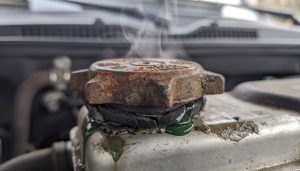
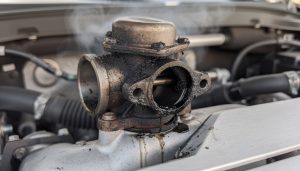
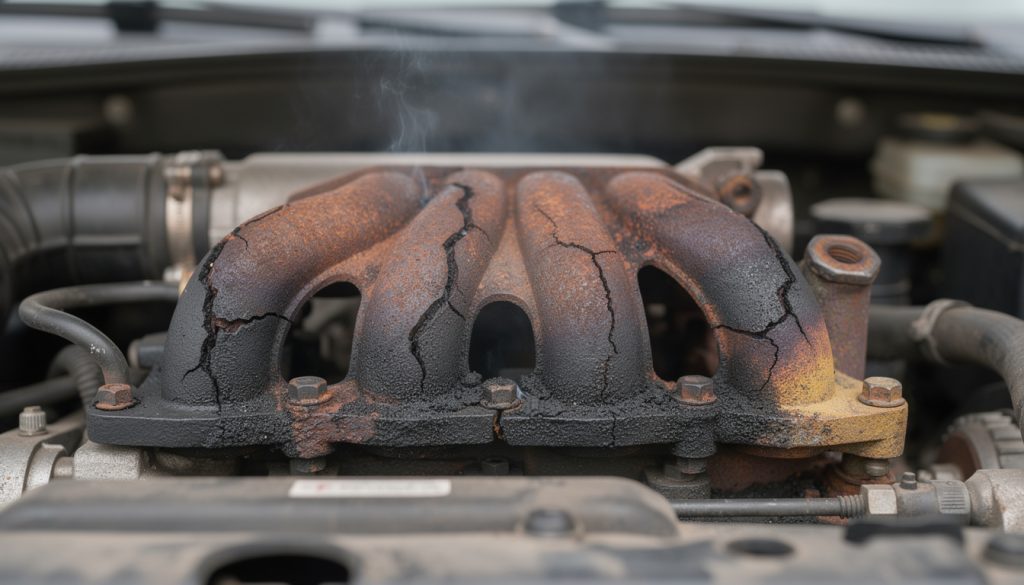
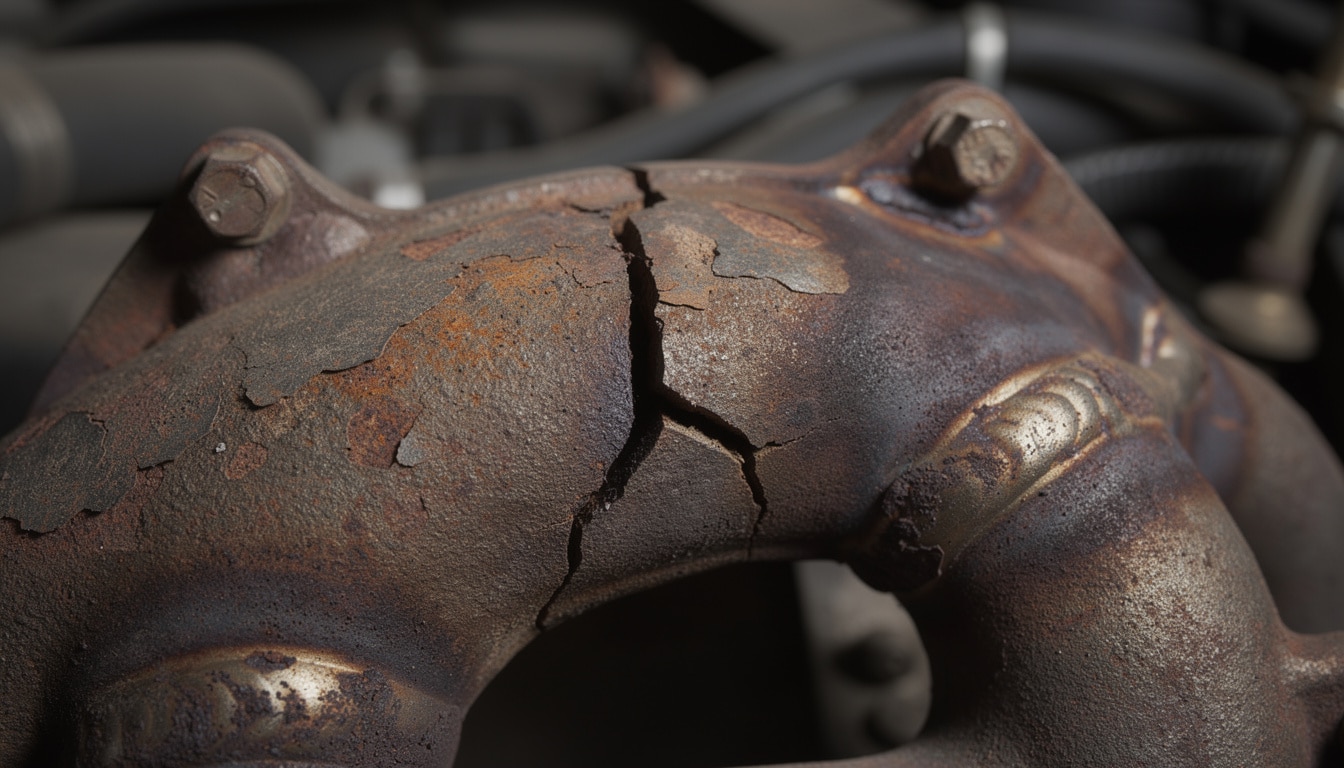
Physically inspecting the manifold can sometimes reveal rust spots, cracks, or signs of carbon deposits caused by escaping exhaust gases. These external clues often correlate to internal manifold damage. As these cracks widen, exhaust gases leak more freely, further deteriorating engine performance.
Engine Performance Decline
A leaking exhaust manifold disrupts the proper flow of exhaust gases and oxygen sensor readings, leading to lower power output and sluggish acceleration. You may experience poor throttle response or difficulty climbing hills. This decline in performance also negatively impacts fuel efficiency, driving up running costs.
These problems often escalate gradually but worsen if left unaddressed, causing additional strain on the engine and exhaust components.
Check Engine Light and Emission Failures
The check engine light typically activates when an onboard diagnostic sensor detects abnormal exhaust conditions. Oxygen sensors might sense unburned hydrocarbons or incorrect oxygen levels due to escaping gases before reaching the catalytic converter. As a result, emissions tests often fail when the exhaust manifold leaks significantly, making it impossible to pass MOT or similar inspections.
It’s crucial to have diagnostic trouble codes read by a professional to pinpoint whether a manifold leak or related fault is triggering the warning light.
Common Causes Behind Exhaust Manifold Leaks and Failures
Understanding why the exhaust manifold fails helps in preventing damage and planning repairs. Here are the main causes:
- Cracks from Thermal Stress: Heat cycling constantly expands and contracts the manifold metal. Over time, this weakens the structure and generates cracks.
- Rust and Corrosion: Exposure to moisture, road salts, and contaminants accelerates corrosion, especially in older vehicles. Advanced rust can puncture the manifold.
- Loose or Broken Bolts and Gaskets: Vibrations loosen connections between the manifold and cylinder head, causing gas leaks around the seals.
- Warping Due to Excess Heat: Prolonged overheating distorts the manifold shape, breaking the exhaust seal.
- Physical Impacts: Road debris or collisions may dent or crack the exhaust manifold, instantly causing leaks.
- Carbon Deposits: Carbon buildup inside the manifold restricts exhaust flow, forcing gases past weak points.
- Engine Overheating: Excess heat damages manifold integrity and accelerates failure.
Like with a failing exhaust heat shield, manifold deterioration can worsen unexpectedly, making prevention and routine checks critical.
Steps to Diagnose and Inspect Your Exhaust Manifold for Leaks
When your vehicle shows signs of a leaking exhaust manifold, conducting an inspection can help determine fix urgency and cost. Here’s a methodical approach you or your mechanic can take:
- Cold Engine Listening: Start the engine cold and listen closely near the manifold area for ticking or hissing noises that indicate gas escaping from cracks.
- Visual Inspection: Look for soot or black carbon marks around the manifold. Check for loose bolts, cracks, rust spots, and gasket condition. Removing the manifold may be necessary for a detailed check.
- Warping Test: Clean the manifold and place a spirit level on it. Shine a flashlight underneath; light shining through signals warping or holes.
- Smoke Test: Some workshops use smoke machines inside the exhaust system to trace leaks visually.
If you aren’t confident to perform this yourself, let a professional mechanic handle the inspection. Early diagnosis will save you money and avoid further complications. On the other hand, ignoring a leak worsens engine function and increases the risk of hazardous gas exposure.
Consequences of Neglecting an Exhaust Manifold Leak
Delaying repairs on a faulty exhaust manifold causes a cascade of negative effects on your car’s performance and safety:
- Reduced Engine Responsiveness and Power: Leaks prevent proper exhaust flow, reducing combustion efficiency.
- Increased Fuel Consumption: The engine compensates for lost efficiency by using more fuel, raising running costs.
- Louder Engine Noise and Vibrations: Exhaust leaks create extra noise and can damage adjoining components due to vibration.
- Failed Emission Tests: High levels of escaping CO and hydrocarbons cause registration denial.
- Potential Engine Damage: Prolonged manifold leaks can promote overheating and damage engine internals.
- Health Hazards: Toxic gases can seep into the cabin, putting you and passengers at risk.
Taking care of exhaust manifold problems promptly maintains performance, fuel efficiency, and most importantly, your safety

| Symptom | Possible Cause | Recommended Action |
|---|---|---|
| Tapping or ticking noise | Small cracks or leaks in manifold | Inspect manifold, consider welding or replacement |
| Exhaust fumes inside cabin | Cracked manifold allowing gases in | Urgent inspection, repair or replacement |
| Decreased engine power | Exhaust leaks reduce backpressure | Check and repair manifold or gasket |
| Check engine light on | Incorrect oxygen sensor readings | Read diagnostic codes, repair leak |
| Failed emissions test | Unburned gases escaping catalytic converter | Fix manifold leaks before retesting |
Can I continue driving with a cracked exhaust manifold?
Driving briefly with a small crack might be possible, but it increases health risks from exhaust fumes and engine damage. Immediate repair or replacement is strongly advised.
What is the average cost of repairing or replacing an exhaust manifold?
Repairing small cracks through welding may cost between $150 and $400. Replacement parts and labor can range from $500 up to $1,200 depending on vehicle make and model.
Are exhaust manifold leaks linked to other engine problems?
Yes, leaks can affect oxygen sensor readings causing engine misfires and may escalate wear on gaskets and catalytic converters.
How often should the exhaust manifold be inspected?
During regular vehicle servicing or every 20,000 miles, especially if you notice symptoms like unusual noises or decreased performance, to catch issues early.
Can rusted bolts causing manifold leaks be tightened or replaced?
Yes, loosening bolts can be re-tightened or replaced along with gaskets to restore seal, but severe rust damage might necessitate manifold replacement.