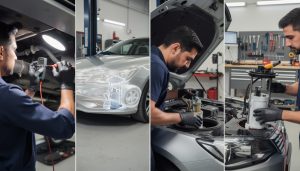
The Audi TT remains a standout in the world of compact sports cars, marrying sleek design with responsive handling. However, behind this allure lies a set of typical mechanical and electrical issues that many owners encounter. Understanding the most frequent Audi TT problems provides valuable insight for current owners and prospective buyers alike, saving time and money by anticipating repairs and maintenance.
Key Takeaways :
- The Audi TT is prone to instrument cluster faults that can affect dashboard readouts and warning lights.
- The cam belt and water pump require replacement every 60,000 miles, more frequently than manufacturer recommendations.
- DSG gearbox problems often originate from the failing mechatronic unit, leading to costly repairs.
- Suspension issues commonly stem from worn roll bar bushes and front wishbones lowering ride quality.
- Faulty coil packs and air mass sensors affect engine performance and can cause misfires or power loss.
Instrument Cluster and Dashboard Electrical Failures in Audi TT
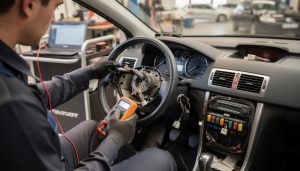
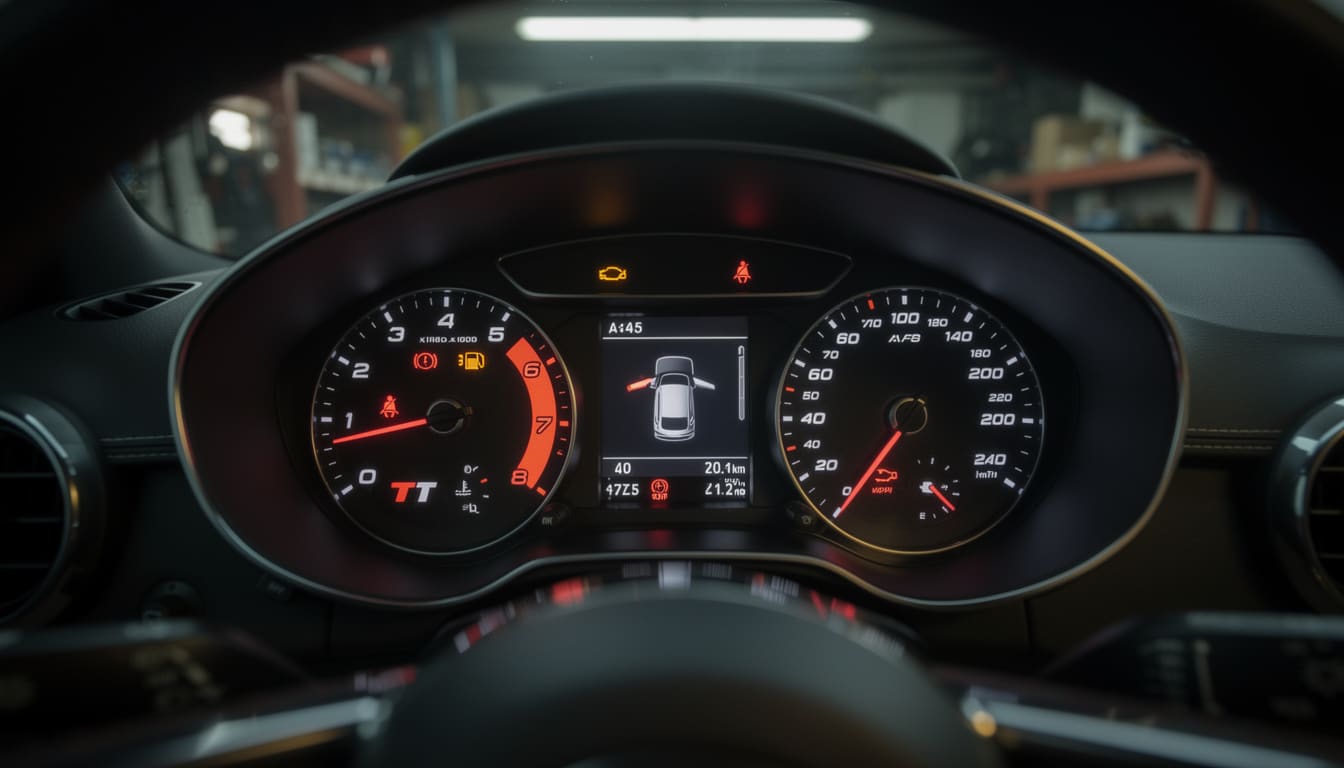
Among the common issues reported with the Audi TT, problems with the instrument cluster are particularly noteworthy. Owners often experience erratic behavior from the dashboard readouts—temperature gauges, fuel meters, and warning lights may flicker or fail intermittently, signaling potential cluster failure. This electrical glitch affects driver confidence, as vital vehicle diagnostics become unreliable.
Such problems stem from the aging circuitry behind the dash pod or cluster unit. The components can degrade over time due to heat exposure and vibrations common in performance-oriented vehicles like the TT. Repairing or replacing the instrument cluster is usually expensive—costs rising into several hundred pounds including labor.
To identify this fault, I always recommend checking all dashboard lights and gauges when the car is running prior to purchase or maintenance. A faulty cluster may exhibit fluctuating temperature or fuel levels, sudden blank displays, or warning lights turning on without cause.
Owners should also monitor for warning signs such as intermittent flickering of the check engine light or electronic stability control indicators, which might actually stem from this cluster issue rather than vehicle faults. Addressing this swiftly can prevent confusion and ensure accurate vehicle diagnostics.
In my experience helping drivers with vehicle maintenance challenges, instrument cluster failures are not unique to the TT. Similar electronic glitches are commonly seen in performance models from other marques. A well-documented example can be found in how the Audi Q5 reliability problems also highlight electrical dash faults as a notable concern.
Cam Belt and Water Pump Maintenance: Crucial Checkpoints
Engine issues starting from neglected cam belt replacements are among the most severe problems facing Audi TT owners. Audi’s official servicing schedule advises changing the cam belt every 80,000 miles; however, extensive experience and owner reports suggest a safer interval is closer to 60,000 miles. Missing this window risks catastrophic engine damage, such as valve contact and costly head repairs.
Simultaneously, the TT’s water pump shares a similar lifespan of around 60,000 miles. Because both parts sit close together, replacing the cam belt and water pump together has become standard best practice. This reduces labor costs and minimizes the chance of overheating due to a failing water pump after a recent cam belt replacement.
From a practical standpoint, when considering a second-hand Audi TT purchase, verifying service history for these replacements is essential. Absence of records or excessive mileage since the last service should prompt a proactive cam belt and water pump replacement to avoid sudden breakdowns.
The average cost for these combined repairs varies but expect to spend approximately $600 to $900 depending on labor rates and part quality. Skimping on these replacements can lead to engine failure requiring more expensive overhauls. This issue is consistent with other reliable sources of car troubleshooting, such as insights seen in the maintenance challenges of the Subaru Impreza issues, highlighting the critical timing belt and cooling system checks.
💡 Expert Tip: When buying a used Audi TT, always ask for documentation proving cam belt and water pump replacements within the last 60,000 miles. If unavailable, plan an immediate service to avoid engine risks.
Transmission Troubles: The DSG Gearbox Mechatronic Unit
The Audi TT’s smooth driving experience owes much to its DSG (Direct Shift Gearbox), but this can turn problematic when the mechatronic unit starts failing. Owners often report hesitation during gear changes, unresponsive gear shifts, or unusual noises—symptoms pointing to mechanical or electronic faults within this component.
Replacement or refurbishment of the mechatronic unit is costly, typically exceeding $1,000, and can be a deal-breaker for some second-hand buyers. This gearbox complexity means spotting issues early is key: during a test drive, feeling rough or delayed gear shifts is a solid red flag.
Maintenance for this transmission type includes using the correct DSG fluid and scheduling regular servicing to help extend its life. Ignoring fluid changes or enduring prolonged aggressive driving in urban stop-start conditions accelerates wear.
In daily vehicle diagnostics, some TT owners confuse transmission issues with engine faults; however, clear identification through careful observation of shifting behavior during acceleration and deceleration helps separate the symptoms.
The significance of the DSG gearbox in the TT’s overall reliability closely mirrors the mechanical concerns reported with other sporty yet complex German vehicles, such as those outlined in analyses on BMW Z4 reliability issues.

Suspension Wear and Handling: Identifying Key Symptoms
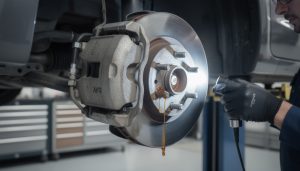
Ride quality and handling performance are crucial for a sports car like the Audi TT, but front suspension components often show wear leading to clunks and knocks when driving over bumps. This results primarily from worn roll bar bushes, front wishbones, and associated suspension arms.
Visually inspecting the suspension setup when possible can reveal torn or degraded rubber components in these areas. If left unattended, poor suspension not only diminishes driving comfort but also negatively impacts vehicle stability and tire wear.
To restore quality, servicing generally involves replacing both the front wishbones and anti-roll bar bushes as a package, which can cost several hundred dollars but significantly improves road feel and safety.
Given these parts’ susceptibility to wear, regular checks are advisable during routine maintenance or pre-purchase inspections. Drivers should listen carefully for irregular noises originating from the wheel arch areas when driving over uneven surfaces or during steering maneuvers.
Suspension problems are not unique to the TT; many light sports cars and compact coupes face similar challenges, a fact well-documented in both vehicle maintenance forums and professional reports like those covering Volkswagen Bora issues.
Engine Misfires and Power Loss: Coil Pack and Air Mass Sensor Failure
When a car like the Audi TT feels underpowered or experiences erratic idling and misfires, the causes may include faulty coil packs or an air mass sensor failure. These components play vital roles in efficient combustion and air-fuel mixture management.
Coil pack failures cause sparks to falter, resulting in rough engine performance, loss of power, and increased emissions. Diagnosing which coil pack is faulty involves careful engine diagnostics using an OBD-II tool and paying attention to specific cylinder misfires reported.
The air mass sensor, on the other hand, regulates how much air enters the engine. A failing sensor can make throttle response jittery and cause the engine to feel sluggish. Replacement parts are expensive, and improper diagnosis can lead to premature component swaps.
In experienced workshops, the detection of air mass sensor issues involves observing fuel economy drops, unstable idle speed, and rough acceleration patterns. Quickly addressing these problems optimizes driving smoothness and prevents deeper engine damage.
As with other Audi performance models, handling these car problems promptly can preserve the TT’s spirited driving nature and reduce long-term repair costs.

| Common Issue | Symptoms | Recommended Action | Estimated Repair Cost | Repair Frequency |
|---|---|---|---|---|
| Instrument Cluster Fault | Flickering gauges, erratic warning lights | Electrical repair or cluster replacement | $400-$800 | As needed |
| Cam Belt and Water Pump | Manufacturer recommended service interval often ignored | Replace every 60,000 miles | $600-$900 combined | Every 60,000 miles |
| DSG Gearbox Mechatronic Unit | Hesitant shifts, noise, unresponsiveness | Unit replacement or reconditioning | $1,000+ | As signs appear |
| Suspension Wear | Knocks during bumps, poor handling | Replace bushes and wishbones | $300-$600 | Check every 50,000 miles |
| Engine Coil Pack/Air Mass Sensor | Misfires, rough idling, power loss | Diagnostics and part replacement | $200-$500 | As needed |
How often should the cam belt be replaced on an Audi TT?
Although Audi recommends every 80,000 miles, it is safer and more reliable to replace the cam belt every 60,000 miles to avoid engine damage.
What are the symptoms of a failing DSG mechatronic unit?
You may notice hesitant gear shifts, unresponsive changes or unusual noises from the transmission during acceleration or deceleration.
Can I diagnose instrument cluster problems myself?
Basic checks such as verifying dashboard lights and gauges function at engine start can indicate issues, but electronic diagnostics are recommended for certainty.
Is it common for electric window switches to fail in the Audi TT?
Yes, electric window switches may break, especially on older models, causing windows to become unresponsive.
Are coil pack issues expensive to fix?
Coil pack replacements are moderate in cost but require accurate diagnosis; ignoring symptoms can lead to increased fuel consumption and engine strain.