The Audi A3 remains a standout compact vehicle, known for its blend of city agility and sporty performance. Since its debut in 1996, it has attracted drivers who appreciate refined engineering wrapped in a stylish package. However, like all vehicles, the Audi A3 has its set of well-documented common issues that any owner or potential buyer should recognize. From engine troubles to electrical faults and transmission quirks, these concerns can affect driving experience and maintenance costs.
Understanding these problems upfront can save you time, money, and frustration. The following sections break down the main Audi A3 car problems, their causes, signs to watch for, and practical repair tips so you remain in full control of your vehicle’s health.
Key Takeaways :
- Brake vacuum pump faults can cause reduced brake responsiveness in early A3 models (1996-1999).
- Fuel pipe leaks affect diesel 2.0L models produced between 2003 and 2012, especially 2008 to 2011.
- DSG twin-clutch issues on 2008-2009 A3s may trigger power loss due to clutch temperature sensor faults.
- Flywheel failures in 2003-2005 models pose a severe fire risk if not addressed promptly.
- Regular timing belt and water pump changes every 60,000 miles prevent costly engine damage.
Brake System Vulnerabilities in Early Audi A3 Models
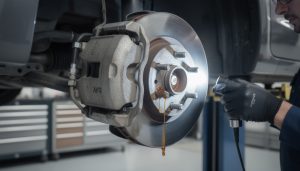
One of the earliest and most critical issues documented in Audi A3s manufactured between 1996 and 1999 is related to the brake vacuum pump and connected vacuum pipes. These components play a crucial role by generating the vacuum necessary for brake servo assistance.
If you notice the brake pedal hardening and requiring substantial force to decelerate, this could indicate cracks or deteriorations in the vacuum pipe. Such vacuum leaks reduce the servo’s efficiency, raising the risk of longer stopping distances — a serious safety concern.
Diagnosing this problem is relatively straightforward: a visual check for cracks or brittleness along the vacuum pipe near the servo is recommended. In addition, a mechanic can perform a vacuum pressure test to confirm the fault.
Repair typically involves replacing the vacuum pipe, which is an inexpensive part but essential for proper braking function. Failure to attend to this can lead to brake system failure and poses substantial risks during emergency stops.
Older Audi A3s also face issues with rear brake pipes corroding over time. Vehicle owners should regularly inspect these pipes as corrosion can cause leaks affecting hydraulic pressure and braking performance.
- Check vacuum pipe and brake lines annually after 15 years in use.
- Be alert to changes in brake pedal feel or increasing stopping distances.
By proactively monitoring these components, you can maintain optimal vehicle safety and avoid costly brake repairs. For more insights into vehicle safety, including dashboard warnings, visit airbag warning light reasons.
Diesel Fuel Line Problems and Their Risks
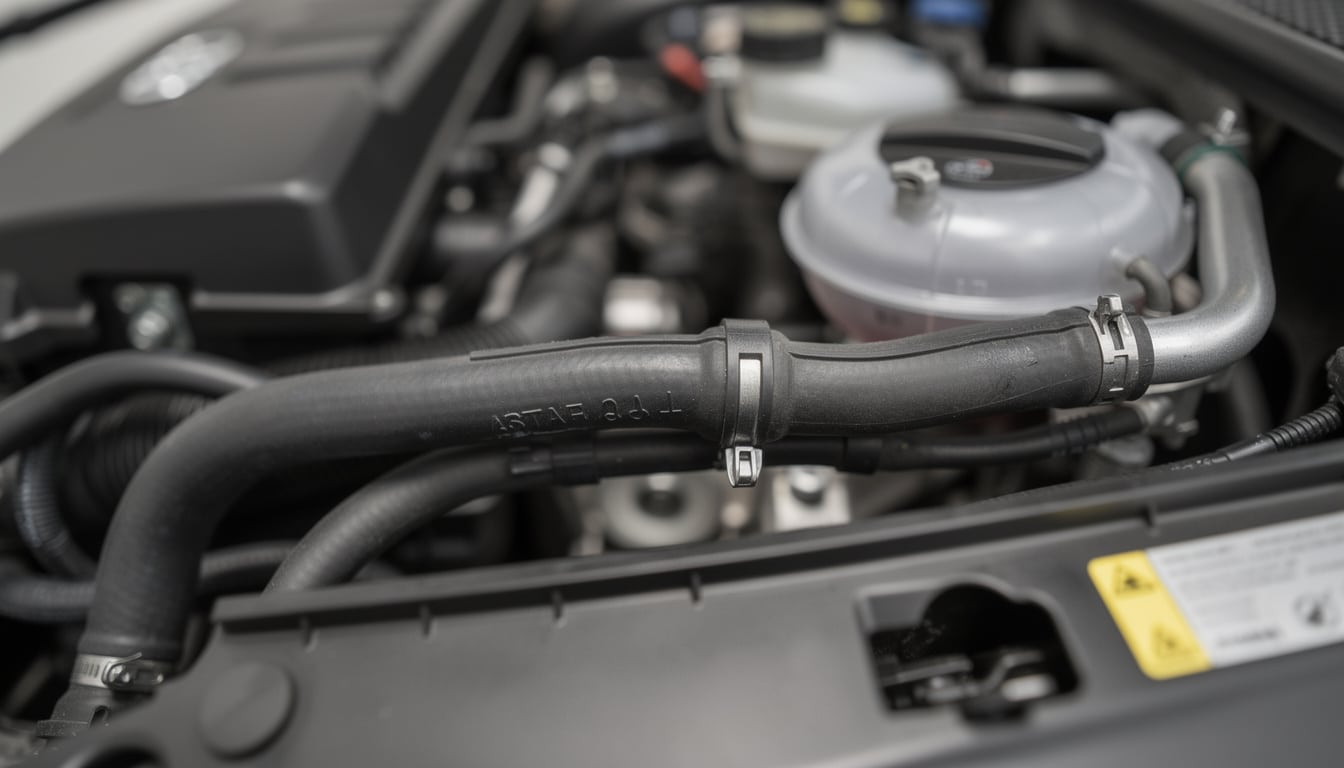
The Audi A3 diesel models equipped with the 2.0L engine built between 2003 and 2012 face a significant issue related to fuel pipe leaks. This problem is especially prevalent in vehicles manufactured between 2008 to 2011.
The root cause lies in faulty materials used in the fuel pipe production, which degrade over time and lead to cracks or ruptures. Fuel leaks are not just an inconvenience but a substantial safety hazard given the flammable nature of diesel fuel.
Symptoms of this issue include fuel smell inside or near the vehicle, visible wet spots under the car, or a sudden drop in fuel efficiency. Addressing these leaks early can save you from fire hazards and avoid engine malfunctions caused by inconsistent fuel delivery.
Fixing this problem involves replacing the faulty fuel pipes and sometimes installing anti-vibration weights to reduce stress on these lines. This damage mitigation technique helps extend the pipe’s lifespan by limiting movement and preventing additional wear.
| Model Year | Problem Type | Repair Cost Estimate | Severity |
|---|---|---|---|
| 2003-2012 (Notably 2008-2011) | Diesel Fuel Pipe Leakage | $250 – $600 | High (Fire risk) |
Ignoring fuel leaks can lead to engine stalling and increased carbon emissions. Therefore, regular checks of fuel lines during service intervals are advisable, especially for diesel-powered Audi A3 owners.
💡 Expert Tip: Always source genuine or high-quality aftermarket fuel line parts when repairing leaks. Cheap or non-certified parts can lead to rapid recurrence and additional risks.
DSG Transmission and Clutch Control Issues
The Audi A3’s renowned direct shift gearbox (DSG) uses a twin-clutch system praised for rapid gear changes and fuel efficiency. However, certain 2008 to 2009 models exhibit a fault in the clutch temperature gauge sensor.
This sensor erroneously activates the clutch when the engine heats beyond a threshold, causing unexpected power loss during acceleration. Drivers often report the car feeling sluggish or struggling to maintain speed under heat stress, which can be distracting and potentially dangerous in traffic.
A recall addressed this issue by reprogramming the affected control units. If your vehicle is from this production period, verify if the remedy has been performed on your car. Otherwise, a visit to the dealership for software updates or sensor replacement is warranted.
Symptoms of this problem include:
- Sudden reduction in torque after warming up
- Intermittent clutch engagement noises
- Warning lights related to transmission or clutch may illuminate
Ignoring DSG faults can result in increased wear on the clutch packs, leading to premature failure and repair costs that can exceed $1,200.
Regular diagnostic scans during service appointments help identify transmission issues early, preventing breakdowns and costly repairs.
To deepen your understanding of transmission maintenance, check resources on vehicle oil sump symptoms, which can relate indirectly to gearbox health.
Critical Engine and Airbag Concerns
Moving to the engine and safety systems, the Audi A3 reveals two particularly serious issues: the flywheel fault and airbag malfunctions.
Flywheel failure primarily affects models made between 2003 and 2005. The flywheel connects the clutch to the engine, and its sudden disintegration can cause catastrophic engine damage and even pose a fire hazard. Audi has issued recalls for this, but it’s crucial to check the service history to confirm the replacement was performed with genuine parts.
Another safety concern involves the curtain airbags in Sportsback variants from 2005, especially within 2003-2012 production years. A faulty seal allows gas to leak, preventing proper inflation during a collision. Recall actions have been taken, yet independent checks remain essential.
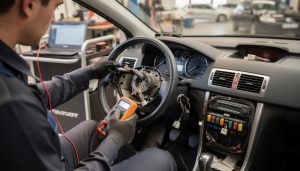
Additionally, Audi A3 models featuring the 3-spoke sports steering wheel might experience faults with the driver’s airbag deployment system, necessitating dealer inspection.
- Review your vehicle’s recall status regularly to ensure all safety fixes are up to date.
- Pay attention to dashboard airbag warning lights for immediate diagnostic checks.
Such issues reinforce the importance of routine safety inspections beyond just mechanical or engine performance checks.

Routine Maintenance and Preventive Checks to Maximize Reliability
Proper maintenance is key to enjoying many years with your Audi A3 while minimizing unexpected breakdowns. One of the critical maintenance points is the timing belt replacement, recommended every 60,000 miles. Neglecting this can lead to severe engine damage since the belt ensures synchronization between the crankshaft and camshaft.
When replacing the timing belt, I advise simultaneously changing the water pump, as it can deteriorate over time and lead to coolant leaks or overheating if left unchecked.
Older Audi A3s, especially those produced from 1996 to 2003, also require keen attention to rear brake pipes prone to corrosion. Given the vital role of brakes in vehicle safety, spotting and remedying leaks or rust can prevent adverse accidents.
Vehicle owners should also adhere strictly to oil change intervals outlined in the owner’s manual. Using recommended synthetic oils and checking for any unusual noises or smells from the engine can alert you early to problems such as oil sump leaks or other engine trouble.
Here’s a quick checklist to keep your Audi A3 in top shape:
- Timing belt and water pump replacement every 60,000 miles
- Annual inspection of brake lines and vacuum pipes
- Fuel system checkups, particularly on diesel models
- Monitoring for electrical faults or warning lights
- Promptly addressing any unusual noise or loss of power
Adopting these repair tips will extend the vehicle’s life and preserve driving confidence, while cutting down on unexpected breakdown causes.
| Component | Common Issue | Recommended Service Interval | Estimated Cost Range |
|---|---|---|---|
| Timing Belt & Water Pump | Wear leading to engine damage | Every 60,000 miles | $400 – $700 |
| Brake Vacuum Pipe | Cracks causing brake issues | Inspect annually after 10 years | $100 – $200 |
| Fuel Pipes (Diesel) | Leaks due to material defects | Regular inspections recommended | $250 – $600 |
| DSG Clutch Temperature Sensor | False engagement leading to power loss | Check during transmission service | $300 – $1,200 |
Regular attention to these areas makes a pivotal difference in owning an Audi A3. Being proactive rather than reactive ensures reliability and safety on every drive.
What are the warning signs of a faulty brake vacuum pump in an Audi A3?
If your brake pedal becomes stiff, requiring extra pressure to slow down, or if you notice a hissing sound when applying brakes, these can be symptoms of a brake vacuum pump issue.
Are fuel leaks common in all Audi A3 models?
Fuel leaks predominantly affect diesel 2.0L Audi A3s from 2003 to 2012, with a higher incidence between 2008 and 2011, due to faulty materials in the fuel pipes.
How can I check if my Audi A3’s DSG clutch sensor has faults?
Symptoms include power loss under heat and transmission warning lights. A dealer can perform diagnostic scans to confirm sensor or software issues.
What maintenance is crucial to prevent engine damage in an Audi A3?
Replacing the timing belt and water pump every 60,000 miles is critical. Ignoring this can result in catastrophic engine failure.
Are there recalls I should be aware of for Audi A3 airbags?
Certain Audi A3 models from 2003 to 2012 have recalls related to curtain airbags and steering wheel airbag faults. Checking with an Audi dealer or official recall website is advised.