Driving a Mercedes C-Class means enjoying a blend of luxury and engineering excellence. Yet, like all vehicles, it isn’t without its typical faults. From vibration issues linked to active driving sensors to engine problems related to crankshaft sensor failures, understanding these common pitfalls is essential. Whether you own a pre-2012 C-Class or a newer model, recognizing symptoms early can save you significant repair costs and keep your Mercedes performing smoothly.
Key Takeaways :
- Active driving sensor faults often cause vibrations that reduce driving stability.
- Engine electrical failures in 2007 models can lead to sudden shutdowns due to crankshaft sensor issues.
- Steering problems in 2011 models generally stem from power steering pump leaks.
- Brake inefficiencies in 2010 can arise from incorrect brake disc installation.
- Air hose deterioration leads to power loss and engine stalling in certain 2011 vehicles.
Understanding Active Driving Sensor Issues in Mercedes C-Class
The Mercedes C-Class boasts advanced active driving sensors designed to enhance safety and performance. However, these sensors can develop faults, causing vibrations that compromise driving comfort and stability. Drivers often report a shaking sensation or unusual feedback through the steering wheel, especially at higher speeds or on uneven road surfaces.
These sensor malfunctions typically occur due to wear and tear, exposure to road debris, or electrical connectivity failures. Once the sensors start to malfunction, the car’s computer struggles to process correct inputs, causing erratic adjustments to suspension and stability control.
The definitive fix requires replacing all affected sensors since single-sensor repairs rarely solve the problem comprehensively. Genuine Mercedes parts are crucial here, as aftermarket alternatives can fail prematurely due to compatibility issues.
This sensor fault can be subtle at first but escalate quickly, so catching it early avoids larger suspension wear and safety risks down the line. For example, I’ve encountered cases where ignoring sensor vibrations eventually resulted in costly suspension component replacement—far more expensive than the sensor repair alone.
Common signs of active driving sensor failure:
- Persistent vibration while driving, even on smooth roads
- Instability or swaying during cornering
- Error messages or warning lights on the dashboard
- Irregular responses from suspension systems
Active sensor faults are less common than engine or brake issues but demand swift attention to avoid escalating the vehicle’s transmission issues or suspension wear.

Engine Problems: The 2007 Crankshaft Sensor Electrical Challenge
Some of the most troublesome engine problems in the Mercedes C-Class emerge from the 2007 production year. The primary culprit? A faulty interaction between the engine’s electrical system and the crankshaft sensors. When these connections falter, the vehicle can abruptly stall without warning, creating a hazardous scenario especially on busy roads.
The crankshaft sensor plays a pivotal role in engine timing and fuel injection systems. A failure here triggers the engine computer to shut off fuel delivery, resulting in sudden engine stoppage. Common symptoms before a shutdown include hesitation, loss of power, or sporadic misfires.
Diagnosis demands specialized equipment as the fault might be intermittent. Mechanics usually recommend a complete reset of the engine’s control unit alongside rewiring or replacing affected connectors and sensors. Repair costs are moderate, typically ranging between $500 and $900 depending on labor and parts.
This problem represents a textbook case of electrical faults affecting modern vehicles. If ignored, however, it can cause further damage to the fuel system or catalytic converters through irregular combustion cycles.
Steps to identify crankshaft sensor problems:
- Check for dashboard warnings related to engine management or misfire
- Listen for unusual engine hesitations or shutdowns
- Get an OBD-II engine scan to pinpoint sensor errors
- Consult a trusted mechanic for electronic control unit reset
Exploring similar engine electronic faults in other luxury models reveals this is a common pain point needing specialist care.
Power Steering Failures: Avoiding Risks and Expensive Repairs
Mercedes C-Class versions from 2011 frequently exhibit steering abnormalities tied to power steering system leaks. You might detect these issues through strange noises during wheel turns or a noticeable lack of steering responsiveness. Often, the root cause lies in a leaking fluid line that affects the power steering pump’s operation.
When power steering fluid leaks into the pump or out of it, the hydraulic system loses pressure causing heavier steering effort and potential pump damage. Ignoring this risk compromises controllability and may cause complete failure, especially during tight maneuvers.
Fixing this involves replacing both the leaking fluid lines and the compromised pump. Given the complexity, I strongly advise against patching leaks as temporary solutions tend to fail rapidly under stress.
Replacement parts are widely available, but it’s important to use high-quality fluid and correct OEM parts to maintain system longevity. Repair expenses might range from $600 to $1,200 based on service location and part authenticity.
Indicators of power steering problems:
- Noises such as whining or groaning when turning
- Stiff or unresponsive steering feel
- Visible fluid leaks underneath the vehicle
- Warning lights related to steering or hydraulics
Early detection can prevent more costly transmission issues linked to overstrain on steering components.
💡 Expert Tip: For power steering leaks, routinely inspect fluid levels and lines during each service. Catching small leaks early can extend pump life and prevent dangerous steering failures on the road.
Brake System Concerns: The Danger of Incorrect Disc Installation
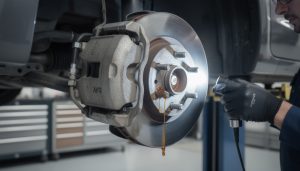
Certain 2010 Mercedes C-Class models suffered from a critical brake system fault caused by incorrectly installed brake discs. Many cars from this batch experience reduced brake effectiveness, a serious safety risk in emergency situations. This manufacturing error means the discs don’t provide optimal resistance and heat dissipation, leading to premature wear and longer stopping distances.
The symptoms are often subtle initially: a slight pulsation when braking or a soft pedal feel. Owners may also notice unusual brake noises or warning lights. Failure to address these problems can result in dangerous brake system failure during sudden stops.
Getting your brake discs inspected and replaced by professionals is essential, especially if your model falls within this production year. Costs vary depending on parts quality, but a full brake disc replacement, including labor, generally ranges between $400 and $800.
Here’s what to look for to spot brake disc issues:
- Spongy brake pedal feel
- Increased stopping distance
- Unusual noise during braking
- Brake warning light activation
Regular brake system checks can save lives and help avoid expensive repairs or liability claims due to faulty braking performance.
Recurring Air Hose Problems and Their Impact on Engine Performance
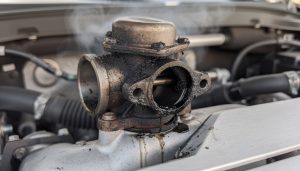
One often overlooked problem for the 2011 Mercedes C-Class models relates to the air intake hoses. Over time, these hoses can crack, fray, or split due to stress or faulty manufacturing, leading to air leaks that disrupt the engine’s air-fuel mixture balance. The outcome? Noticeable power loss and unexpected engine shutdowns.
This issue is particularly frustrating because the symptoms often mimic other fuel system or engine problems, making diagnosis challenging. A thorough inspection of air hoses during scheduled maintenance is key to catching early deterioration.
Replacement hoses are relatively inexpensive and simple to swap, but ignoring this can escalate to more serious engine issues, including timing chain strain or inefficient combustion.
Symptoms suggestive of air hose faults include:
- Decreased acceleration and power output
- Engine stalling at idle or low speeds
- Check engine light illumination
- Irregular exhaust emissions
Keep in mind, routine checks can prevent these faults from causing expensive engine problems. It’s wise to get hoses inspected every 15,000 miles or as indicated by your mechanic.
For wider perspective on air hose and fuel system maintenance, resources like Volvo S60 troubleshooting guides offer useful parallels applicable across luxury European car models.
| Problem Area | Common Symptoms | Typical Repair Cost | Severity |
|---|---|---|---|
| Active Driving Sensors | Vibrations, instability | $400 – $700 | Moderate |
| Engine Crankshaft Sensor | Engine stalls, hesitation | $500 – $900 | High |
| Power Steering Leak | Noisy, heavy steering | $600 – $1,200 | High |
| Brake Disc Faults | Soft pedal, noise | $400 – $800 | Critical |
| Air Hose Damage | Power loss, stalling | $150 – $300 | Moderate |
What are the signs of a failing crankshaft sensor in a Mercedes C-Class?
Look for engine hesitation, unpredictable stalls, and warning lights related to engine management. Diagnostics with an OBD-II scanner can confirm sensor faults.
How urgent is it to fix power steering leaks?
Power steering leaks should be fixed promptly to avoid increased steering effort and potential pump failure, which can lead to dangerous driving conditions.
Can I drive my C-Class safely with air hose damage?
Driving with damaged air hoses is risky because it can cause engine stalling or reduced power. It is advisable to replace damaged hoses quickly to maintain engine performance.
Why might my Mercedes C-Class brakes feel soft or unresponsive?
Soft braking can result from worn brake discs, especially if the wrong discs were installed. This issue reduces braking effectiveness and requires immediate mechanical inspection.
Are typical repairs for the C-Class very expensive?
Repairs vary: some sensor replacements or hose fixes are moderate in cost, while critical brake or steering repairs can be expensive but essential for safety.