The fuel pump is a crucial component responsible for delivering fuel from your vehicle’s tank to the engine at the right pressure. When the fuel pump starts to fail, symptoms quickly affect your car’s performance, leading to uncomfortable and potentially dangerous driving situations. Recognizing early signs and understanding the replacement process can save time, money, and stress, especially when you’re far from help. This guide breaks down how to identify a failing fuel pump and provides you with clear, expertly informed, step-by-step instructions for a successful fuel pump replacement.
Key Takeaways :
- Common symptoms: engine sputtering, loss of power, surging, and difficulty starting your vehicle.
- Early warning signs: whining noises from the fuel tank and rising engine temperature may indicate pump problems.
- Fuel pump lifespan: typically around 100,000 miles but varies with driving habits and maintenance.
- Replacement cost: ranges between £400 and £600, depending on vehicle type and labor involved.
- Proper diagnosis: essential before replacement, including checking fuses, fuel pressure, and related engine components.
Recognizing the Most Telling Symptoms of a Failing Fuel Pump
The first step to tackling any automotive problem is spotting it early. A failing fuel pump will usually betray itself with specific symptoms that interfere with normal engine performance. Many drivers mistake these symptoms for other mechanical issues, which can lead to unnecessary repairs.
One of the most noticeable symptoms is the engine spluttering or sputtering when driving at high speeds. This occurs due to inconsistent fuel delivery causing the engine to jerk unexpectedly. For example, you might be cruising at a steady speed when suddenly the engine hesitates—this is a red flag that the fuel pump isn’t maintaining proper fuel pressure. Don’t dismiss this as a spark plug fault; neglecting this symptom risks more severe engine damage.
A rising engine temperature combined with stalling is another indicator. The fuel pump’s electric motor heats up when struggling to push fuel, often causing the car to stall and refuse to restart immediately. This can be verified by attempting to restart with the clutch engaged and noticing repeated stalls.
Loss of power during acceleration, towing, or hill climbs points to impaired fuel delivery. The pump can’t supply enough fuel to the engine under stress, resulting in sluggish performance. However, loss of power can also relate to failing oxygen sensors or clogged fuel lines, so a thorough diagnostic focusing on the fuel system is mandatory.
A surging sensation while driving suggests irregular fuel flow. You may feel the engine suddenly accelerate without pressing the gas pedal fully as the pump delivers uneven fuel pressure. This is often due to worn internal components within the pump causing erratic resistance.
A subtle but early warning is a distinct whining noise coming from the fuel tank. While a healthy fuel pump normally emits a low hum, a loud and persistent whine indicates mechanical wear or strain, often from contamination or low fuel levels stressing the pump.
Finally, if you notice difficulty starting your car despite a fully charged battery and a responsive starter motor, your fuel pump might not be feeding fuel correctly. This usually manifests as the engine turning over without firing. If spark plugs and ignition are checked and tested good, the fuel pump is likely the weak link.
Additional signs to monitor:
- Decreased fuel mileage due to the pump over-pressurizing fuel.
- Premature spark plug failures from inconsistent fuel supply.
- Check engine light triggered by fuel system pressure sensors.
- Engine misfires, backfires, or abrupt shutdowns.
- Black smoke from exhaust in non-diesel cars indicating fuel excess.
These symptoms collectively signal compromised engine performance caused by fuel delivery issues, and a comprehensive fuel tank pressure sensor check can be a decisive diagnostic move before committing to a replacement.
Is It Safe to Drive with a Failing Fuel Pump?
Technically, you can drive with a failing fuel pump for a short period, but this practice is highly discouraged. A weak fuel pump can shut down unexpectedly, leaving you stranded, sometimes in inconvenient or dangerous places. It also increases the risk of damaging other components by causing erratic engine behavior.
Driving with fuel system delivery issues can create stress on the engine, spark plugs, and fuel injectors. This cascade of problems often leads to higher repair costs later on. For example, a failing pump could cause the spark plugs to foul prematurely, meaning you would have to replace more parts than just the pump itself.
Additionally, to protect your fuel pump from premature failure, avoid running your tank near empty regularly and be cautious of fuel quality. Contaminated or cheap fuel often contains particles that can cause abrasion and clog the pump. Employing good vehicle maintenance habits extends the life of the pump significantly and ensures reliable engine performance.
If you want a detailed understanding of related engine stresses and potential damage, consulting this analysis on car losing power causes is recommended.
Fuel Pump Lifespan and Expected Replacement Costs
Most fuel pumps are engineered to last approximately 100,000 miles, though this varies based on driving style, road conditions, and maintenance regularity. Connecting the dots with real-world data, aggressive acceleration, general wear and tear, and poor fuel quality accelerate wear on the pump’s internal components.
Replacing a fuel pump involves both parts and labor, with typical expenses ranging between £400 and £600. The fuel pump alone usually costs between £100 and £300, but labor costs can be significant because removal often requires dropping the fuel tank and carefully handling fuel lines. Luxury and high-performance vehicles generally demand more expensive parts and longer shop hours, so anticipate higher repair bills in those cases.
The following table summarizes typical costs associated with fuel pump replacement:
| Cost Items | Price Range (£) | Notes |
|---|---|---|
| Fuel Pump Part | 100 – 300 | Varies by make and model |
| Labor | 300 – 400 | Fuel tank removal required on most vehicles |
| Total Replacement | 400 – 600 | Higher for performance or luxury cars |
💡 Expert Tip: Choose OEM or high-quality aftermarket pumps to ensure proper fuel pressure regulation and longevity; cheap pumps often lead to rapid repeat failures.
Step-by-Step Guide to Fuel Pump Replacement
If your diagnostic confirms that the fuel pump is failing and replacement is necessary, you should follow a careful process to avoid damage and ensure safety.
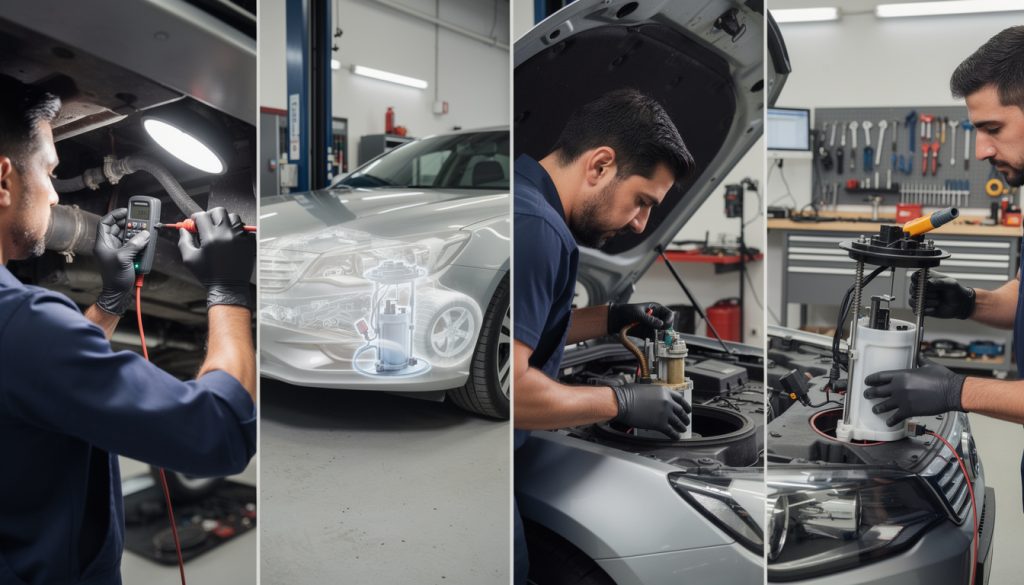
- Confirm location: The fuel pump will typically be inside the fuel tank. Some vehicles allow access through a panel below the rear seat, reducing the need to drop the tank.
- Test for operation: Turn the ignition on (without starting) and listen for a humming sound near the tank lasting a few seconds. No sound suggests a faulty pump or electrical issue.
- Check electrical components: Inspect fuses and relays, and verify wiring with an ammeter if necessary. A fuse replacement might restore function without replacing the pump.
- Relieve fuel pressure: Follow manufacturer instructions to safely relieve system pressure before fuel lines are disconnected to prevent fuel spray.
- Disconnect battery: Always disconnect the negative battery terminal before working on fuel system components to avoid sparks.
- Drain fuel tank: To make handling safer, siphon or drain as much fuel as possible from the tank.
- Support and remove the tank: Use a jack and wood blocks to support the tank. Unbolt retaining straps and disconnect fuel lines and filler hoses before lowering the tank.
- Remove the fuel pump: After safely lowering the tank, carefully extract the fuel pump module.
- Install the new pump: Verify the replacement matches exactly, then insert it into the tank, reconnecting all fuel lines and electrical connectors firmly.
- Reattach everything: Raise the tank carefully, reinstall straps, connect battery, and refill any fuel lost.
- Test the vehicle: Turn the ignition on and off a few times before starting to prime the pump, then start the engine. Check for leaks and evaluate performance.
Proper personal protective equipment and working in a well-ventilated area is essential for safety due to the flammable nature of fuel. If you’re hesitant, professional assistance may be the safer choice.
The process may seem complex, but following the right sequence of steps makes the task manageable for most DIY mechanics. Don’t forget to cross-check with your specific vehicle’s service manual for torque settings and safety instructions.
Advanced Fuel System Diagnosis Before Pump Replacement
Before committing to fuel pump replacement, it’s important to rule out alternative causes for symptoms. Fuel delivery is affected not only by the pump but also by fuel filters, pressure regulators, clogged injectors, and sensors.
Step one involves measuring the fuel pressure with a gauge while the engine runs or cranks. Ideal pressure figures come from the vehicle manual and vary between petrol and diesel engines. Low pressure despite proper electrical function strongly indicates pump failure.
Checking the fuel filter for blockages is also essential since a clogged filter can reduce flow and mimic pump failure symptoms. When filters are heavily dirty, replacing them may restore performance without pump replacement.
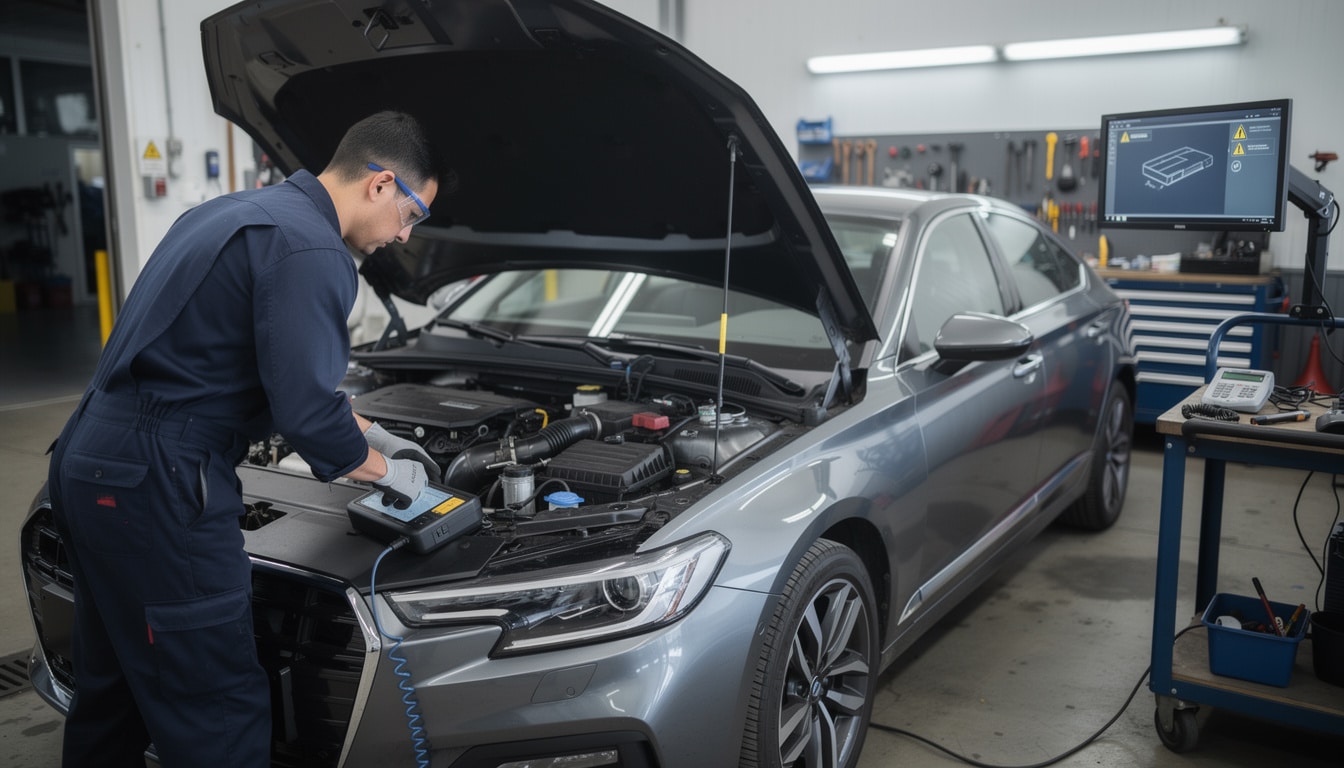
Electronic diagnostics with an OBD-II scanner can reveal error codes concerning fuel delivery components, such as the fuel pressure sensor or fuel pump control module. This technology ensures your decision-making is based on precise data rather than guesswork.
Engine misfires or irregularities combined with a fuel system diagnosis can direct you towards the exact cause, sparing unnecessary part replacements and saving money.
Can a faulty fuel pump cause my car to stall unexpectedly?
Yes, a failing fuel pump often causes sudden engine stalls due to inconsistent fuel delivery.
How often should I expect to replace my fuel pump?
Typically every 100,000 miles, but this can vary depending on fuel quality, driving habits, and vehicle maintenance.
Is it safe for me to replace the fuel pump myself?
Replacing a fuel pump is possible with mechanical knowledge and safety precautions, but if unsure, consult a professional.
What are common costs associated with fuel pump replacement?
Fuel pump parts usually cost between £100-300, with labor adding £300-400, depending on vehicle complexity.
How can I prolong the life of my fuel pump?
Avoid running on low fuel, use high-quality fuel, and perform regular vehicle maintenance to extend fuel pump lifespan.