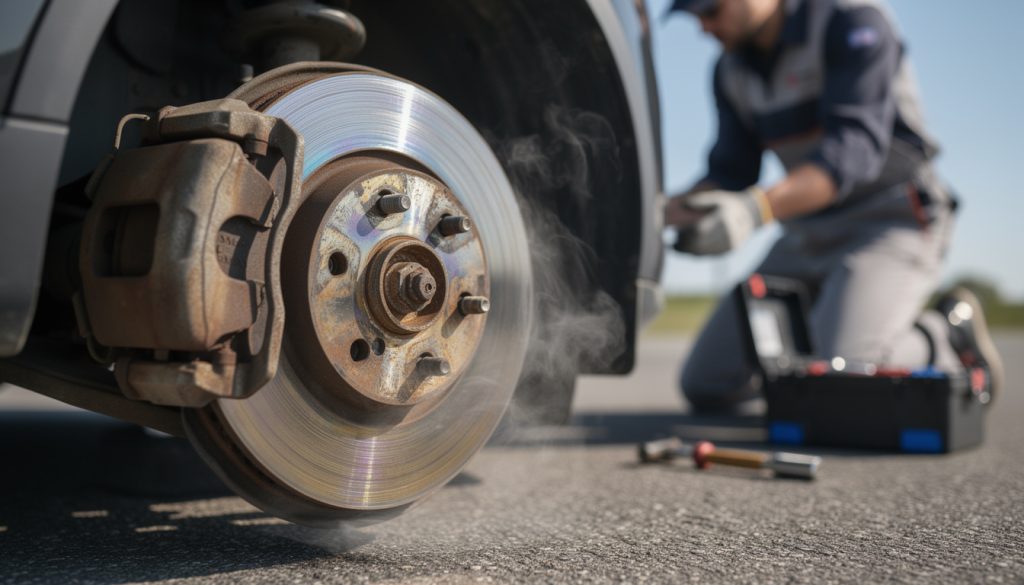
Noticing smoke rising from your brakes can be alarming and signal urgent issues within your brake system. Whether it’s a faint haze or thick smoke, understanding the underlying causes is crucial to prevent costly repairs or dangerous brake failure. In this article, I dive into the common reasons behind brake smoke, how to detect symptoms, and practical solutions to keep your brakes safe and efficient on the road.
Key Takeaways:
- Brake smoke often indicates excessive heat caused by friction or stuck brake components.
- New brake pads can emit smoke briefly during the bedding-in period but lasting smoke is a warning sign.
- Seized calipers and wheel cylinders lock brake parts against the rotor or drum, generating heat and smoke.
- Regular brake inspection and maintenance reduce risks of overheating and subsequent brake failure.
- Driving habits, especially aggressive braking and downhill riding brakes, significantly affect brake temperature and wear.
How Brake Designs Affect Smoke Risks
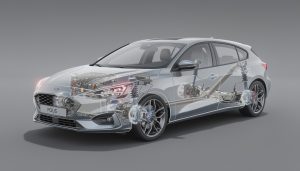
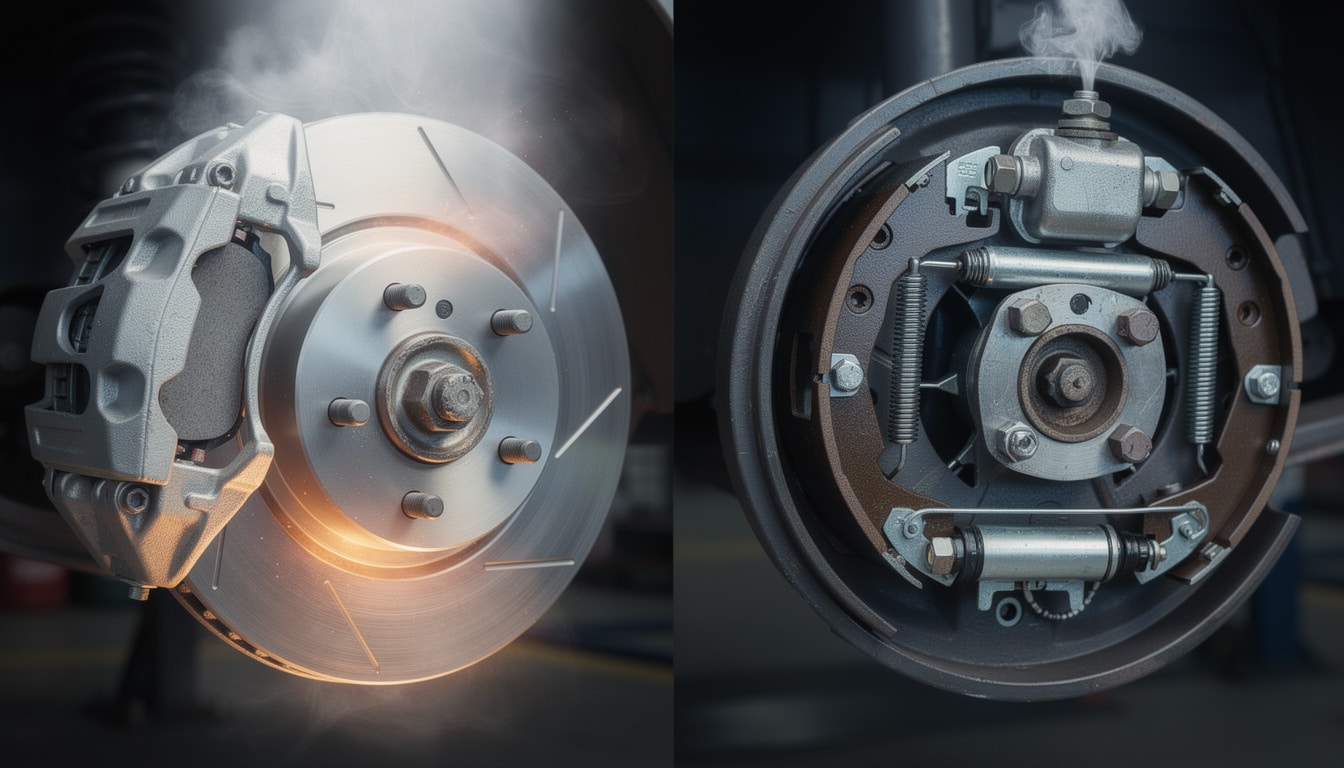
Understanding your vehicle’s brake system type is essential when diagnosing brake smoke issues. Today’s cars typically come with either disc brakes or drum brakes, each with its own mechanics that influence how and where smoke may appear.
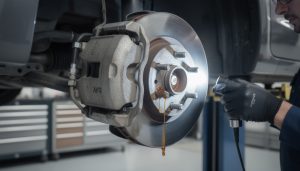
Disc brakes function with calipers squeezing brake pads against a metal disc or rotor. These calipers rely on hydraulic pressure to move pistons that clamp down on the pads to create the friction needed to stop the vehicle. This friction produces heat, which in normal operation dissipates through the rotor and surrounding air. However, if the caliper sticks or the pads drag continuously, this can cause abnormal heat buildup leading to smoke.
Drum brakes, often located on the rear wheels of some vehicles, use internal shoes pushed by a wheel cylinder inside a drum. When operating correctly, this setup creates friction on the inside of the drum. Similar to disc brakes, if the wheel cylinder seizes or the shoes fail to retract, heat accumulates, producing smoke that may be less visible but equally damaging.
Knowing your brake type can help you quickly identify the source of the problem. For example, faulty brake caliper signs are telling in disc brake systems, whereas rust or corrosion within a drum brake setup may suggest a stuck wheel cylinder.
Common Causes Behind Brake Smoke and Their Effects
When you see smoke or smell burning near your wheels, it’s not something to underestimate. Here are the most frequent smoke causes from brake systems and what they mean for your vehicle’s health.
- New brake pads bedding in: Brand-new friction material can sometimes emit a bit of smoke as the pad’s surface and rotor adapt to one another. This is usually temporary and should not produce thick or persistent smoke.
- Stuck brake pads: Dirt, debris, corrosion, or wear can cause brake pads to stay partially engaged, continuously rubbing the rotor. This persistent friction overheats components and generates smoke, often accompanied by a burning smell.
- Seized caliper piston: Hydraulic or mechanical failures can lock the caliper piston in place, squeezing the pads against the rotor without release. This is a common and serious cause of smoke and can lead to rapid brake wear and damage.
- Seized wheel cylinder in drum brakes: Similarly, when wheel cylinders stick inside drum brakes, constant pressure on the brake shoes causes overheating and smoke, which might be harder to spot visually.
- Brake fluid issues: Overheating can boil brake fluid, resulting in reduced hydraulic pressure and potential brake failure. Overheated brake fluid can indirectly contribute to smoke problems by worsening component engagement.
- Excessive or aggressive driving: Frequent hard braking or prolonged braking on steep descents escalates friction and heats up the brake system. This elevates wear on both pads and rotors, increasing the risk of smoke and brake fade.
Ignoring these symptoms can lead to costly repairs. For instance, replacing a single seized caliper typically ranges between $150 and $300, depending on the vehicle, which can escalate if left unchecked. In contrast, routine brake maintenance usually prevents this expense.
Brake Smoke Symptoms Table
| Symptom | Likely Cause | Severity | Recommended Action |
|---|---|---|---|
| White or gray smoke visible near wheels | New brake pad bedding or stuck pads | Low to medium | Monitor carefully, inspect pads & rotors |
| Persistent burning smell while driving | Seized caliper or wheel cylinder | High – potential brake failure | Immediate brake system inspection |
| Overheated brake fluid scent or spongy pedal | Brake fluid boiling | High – risk of total brake loss | Professional brake fluid flush needed |
| Discolored or rust-stained wheels | Excess brake dust from friction overheating | Medium | Brake cleaning and dust removal |
Early Warning Signs and Simple Brake Inspection Checks
Detecting brake smoke early means you can act before the brake system suffers permanent damage. Besides smoke itself, these visual and tactile warnings can help you identify problems early:
- Discoloration on wheels: Rust-colored dust accumulation on alloy wheels usually points to overheated brake dust that’s become baked on due to excessive friction heat.
- Soft or spongy brake pedal: This may indicate brake fluid issues or overheated components causing loss of hydraulic pressure.
- Uneven brake pad wear: If one pad is noticeably thinner, a caliper might be sticking.
- Noise or grinding sounds: These often accompany worn pads or overheated rotors.
Regularly lifting your wheels to visually inspect the brake pads and rotors can help spot brake wear before it worsens. Also, checking brake fluid levels and quality during routine service is recommended to avoid overheating problems. If you notice persistent issues, consulting repair reports on vehicles like the BMW Series 2 or Suzuki Vitara can offer insight into model-specific brake problems and solutions.
Expert Tip:
Always cool down your brakes after aggressive driving by driving gently for a few minutes. This practice extends pad and rotor life and prevents overheating that causes smoke.

Proactive Brake Maintenance to Prevent Smoke and Overheating
Preventing brake smoke starts with a commitment to comprehensive brake maintenance. Well-maintained brakes operate cooler and last longer, reducing the chance of overheating and subsequent smoke.
Focus on the following maintenance tips:
- Scheduled brake inspections: Check pads, rotors, calipers, and drum components regularly based on your vehicle’s manufacturer guidelines.
- Brake pad and rotor replacements: Replace components according to wear limits, not just visual assessment. Ignoring pad thickness and rotor warping risks smoke and failure.
- Brake fluid upkeep: Brake fluid can absorb moisture over time, reducing its boiling point and increasing overheating risk. Flush and refill according to service intervals.
- Cleaning brake dust and debris: Brake dust can embed within the system, causing pad adhesion issues. A proper brake clean or deglaze prevents sticking and smoke.
- Driving habits: Modulating speeds to avoid hard or continuous braking, especially on slopes, lowers brake temperature.
In particular, vehicles known for brake caliper or pad wear issues—like some versions of the Mercedes-Benz S-Class and Peugeot 308—require closer inspection. Using manufacturer or community resources, such as Mercedes-Benz reliability reports, helps you target maintenance efforts effectively.
Expert Tip:
In hot climates or hilly terrains, pair mechanical brakes with engine braking techniques to minimize brake heating and prolong component life.

Recognizing When to Seek Professional Repair
While some brake problems can be mitigated through driver habits and basic checks, certain issues demand expert diagnosis and repair. If you experience any of the following, it’s time to visit a mechanic:
- Frequent smoke during normal braking.
- Persistent burning odor that doesn’t fade after cooling.
- Uneven brake wear combined with vibration or noise.
- Brake pedal feels unusually soft or drops strangely.
- Warning lights related to your brake or ABS system.
Repairs may include replacing seized calipers or wheel cylinders, resurfacing or replacing rotors, and bleeding or changing brake fluid. Ignoring these signs risks brake failure and severe safety hazards. To learn more about typical brake problems, you can refer to the BMW M4 common problems overview which details brake-related faults prevalent in that model.
Can new brake pads cause smoke?
Yes, new brake pads can emit some smoke during their initial bedding-in period due to friction material curing. However, smoke that persists or is heavy is a sign of a problem requiring inspection.
What does a stuck brake caliper feel like?
A stuck caliper often causes the car to pull to one side while driving and heat up the affected wheel, sometimes accompanied by a burning smell or brake smoke.
How often should I have my brakes inspected?
Brakes should be checked every 10,000 to 15,000 miles or as recommended by your vehicle manufacturer. Regular pressure checks and pad wear measurements help prevent issues.
Can driving habits impact brake smoke?
Absolutely, aggressive or constant braking, especially downhill, forces the brake system to overheat, causing pads and rotors to smoke and accelerate wear.
Is brake smoke dangerous?
Yes, smoke indicates excessive heat that can lead to brake fluid boiling or system failure. Immediate attention is required to ensure vehicle safety.