The driveshaft is a fundamental part of your vehicle’s drivetrain, transferring torque from the engine to the wheels and allowing your car to move with precision. As of 2026, vehicle engineering continues to evolve, but the basic mechanics behind driveshaft performance and failure remain critical knowledge for every driver and mechanic. Identifying driveshaft symptoms early can be the difference between a smooth ride and a costly breakdown. This article delves deep into the key signs and symptoms of a failing driveshaft, shares practical tips for inspection, and explains the consequences of neglecting this vital component. Understanding these factors empowers you to take timely action, ensuring your vehicle remains safe and efficient on the road.
Key Takeaways :
- Vibration issues in the steering wheel or vehicle cabin often indicate driveshaft wear or damage.
- Unusual driveshaft noise such as clicking, squeaking, or grinding signals joint or cover failure.
- Recognizing symptoms early enables timely driveshaft replacement or repair, avoiding complete breakdowns.
- Regular driveshaft inspection is essential for safe vehicle drivetrain function, especially in four-wheel-drive cars.
- Repair costs vary significantly; small cars can cost under £300 while luxury models may exceed £2,000.
Understanding the Critical Role of the Driveshaft in Your Vehicle Drivetrain
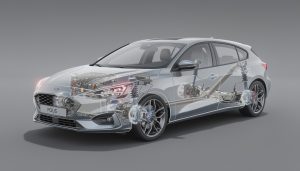
The driveshaft plays a pivotal role in the vehicle drivetrain, acting as the mechanical link that delivers engine torque to the wheels. In four-wheel or all-wheel-drive vehicles, it also transmits power from the transmission to the rear axle, distributing force that moves the car forward. This seamless power transfer depends heavily on the driveshaft’s integrity, and any driveshaft damage can compromise vehicle performance or even safety.
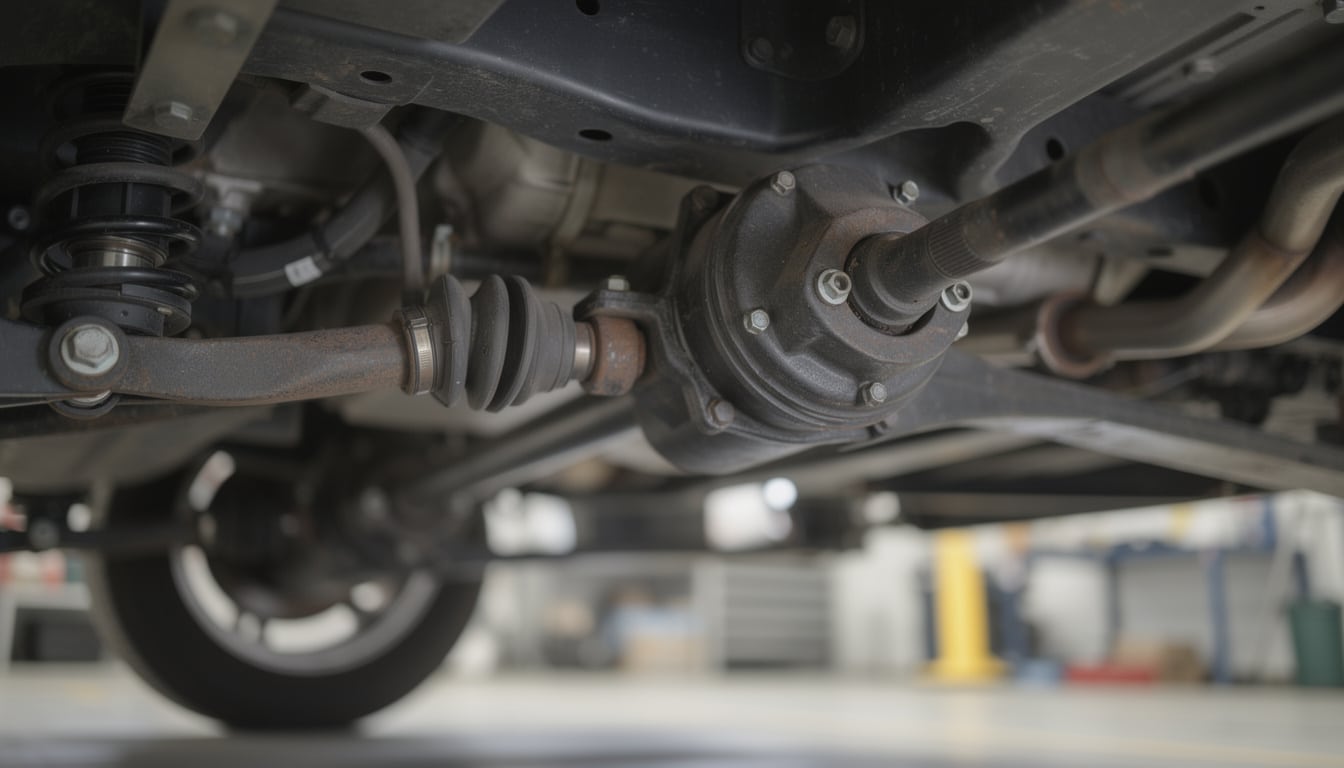
Manufactured typically from aluminum or steel, driveshafts endure immense stress and rotational forces. Over time, continuous exposure to torque, vibrations, and road impacts causes wear, particularly on the universal joints (U-joints) and constant velocity (CV) joints. As these joints degrade, your car may exhibit distinct symptoms like noise and vibration.
Ignoring early signs of driveshaft failure not only risks further damage to surrounding drivetrain components such as the differential but also places you in danger of complete power loss while driving. For example, a fractured driveshaft means the vehicle can no longer deliver torque to the wheels, causing sudden immobilization. Such failures underline why understanding driveshaft health is a vehicle maintenance priority.
💡 Expert Tip: Always monitor how your vehicle drives at various speeds—subtle vibration changes often mark the beginnings of driveshaft wear.
Key Signs and Symptoms of Driveshaft Failure You Should Never Ignore
Recognizing and responding to driveshaft symptoms early safeguards your driving experience and prevents costly repairs. Here are the central signs that your driveshaft is on the brink of failure:
Vibrations Felt Through the Steering Wheel and Vehicle Cabin
When your steering wheel or the cabin floor starts to vibrate noticeably—especially under acceleration or at higher speeds—this usually signals unbalanced or deteriorating driveshaft components. While tire imbalance is a more common cause, persistent vibrations linked with speed often trace back to the driveshaft’s imbalance or worn joints.
These vibrations escalate as damage worsens. Initially subtle, they grow into more intense shaking that makes controlling your vehicle challenging. This is a clear indication you need a driveshaft inspection and possibly urgent repair.
Clicking Noises When Turning or Cornering
A clicking sound, notably while turning or making sharp corners, typically points to failure in CV joints—the parts that allow driveshaft flexibility. This noise reflects the joints unable to maintain smooth rotation under stress. Early-stage clicking must be addressed promptly to avoid complete joint failure, which can cause the vehicle to pull or behave unpredictably during maneuvers.
Juddering and Shuddering During Acceleration
If your vehicle shudders or judders when accelerating, it might be due to torque transmission disruption caused by a failing driveshaft. This symptom can sometimes be mistaken for issues like transmission faults or engine misfires, but when combined with noises or vibrations, the driveshaft becomes a prime suspect.
Squeaking and Grinding Sounds Signaling Lubrication Failure
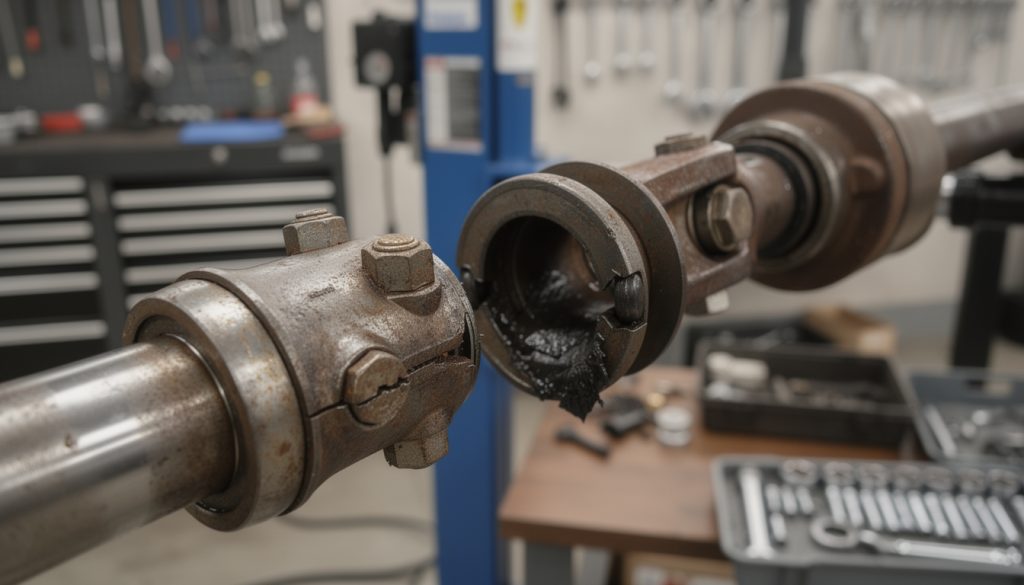
Driveshaft joints rely on lubricating grease protected by rubber gaiters (covers). If these gaiters become torn or compromised, grease leaks away allowing dirt and grit to cause excessive friction. The result? Squeaking sounds gradually progressing to grinding and clunking—harbingers of imminent joint failure.
Regular inspection of the gaiters helps catch these issues early and extend your driveshaft’s life.
Visible Damage to Driveshaft Covers
Sometimes, simple visual checks can reveal torn or spoiled driveshaft covers. These protective shields are crucial to keeping contaminants out and lubricant in. Damaged covers accelerate joint wear and might lead to premature driveshaft replacement if left unattended.
Understanding all these signs lets you act before the problem escalates. Remember that differential failure signs often overlap with driveshaft symptoms, so a thorough mechanic’s assessment is vital for pinpoint accuracy.
Consequences of Driveshaft Failure While Driving and Safety Considerations
A driveshaft breaking unexpectedly on the road is rare but potentially disastrous. The driveshaft is a rotating, high-torque component; sudden failure can lead to:
- Loss of power transmission to the wheels, causing immediate vehicle immobilization.
- Sudden and severe vibrations that might destabilize vehicle control.
- Possible damage to the undercarriage if the broken shaft strikes other components.
- Dangerous situations, particularly on highways or in heavy traffic conditions.
This underlines critical safety reasons for avoiding procrastination on repairs when early driveshaft noise or vibration issues manifest. Proactive diagnostics and replacement minimize the risk of unexpected breakdowns.
💡 Expert Tip: Never ignore recurring clunking or knocking sounds when accelerating; these often presage urgent attention to your driveshaft wear.
Maintaining regular vehicle checks and understanding the interconnectedness of your drivetrain components helps you avoid these risks and guarantees safer journeys.
How to Effectively Test and Inspect Your Driveshaft at Home or in the Workshop
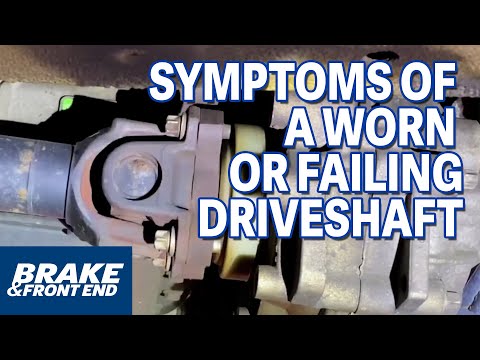
Technicians and DIY enthusiasts can perform early detection through basic driveshaft inspection techniques. Here’s what to look out for:
- Examine the driveshaft cover for cracks, tears, or grease leakage.
- Verify that the driveshaft is securely attached at both ends (to the transmission and differential).
- Feel for excessive play or unusual movement when manually rotating or moving the shaft.
- Listen carefully for clicking, knocking, or squeaking when rotating joints by hand.
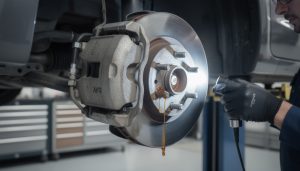
- Check gaiters for dryness, brittleness, or damage, which compromise lubrication.
These steps help pinpoint early driveshaft symptoms even before noticeable driving issues develop. Using a lift or jack stands enhances inspection accuracy. Remember, damaged U-joints or CV joints often necessitate prompt repairs to prevent further drivetrain damage.

Estimating Costs: Driveshaft Repair vs. Replacement and Budget Planning
Repairing or replacing a driveshaft can vary widely in cost, influenced by factors such as vehicle make, model, and specific damage severity.
| Vehicle Type | Typical Repair Cost (GBP) | Typical Replacement Cost (GBP) | Estimated Labor Time |
|---|---|---|---|
| Small Cars (e.g., compact sedans) | £200 – £350 | £250 – £300 | 1 – 2 hours |
| Mid-size Cars and SUVs | £300 – £450 | £400 – £800 | 1.5 – 3 hours |
| Luxury and High-Performance Vehicles | £500 – £800 | £1,500 – £2,000 | 2 – 4 hours |
Labor costs generally include driveshaft removal, inspection, repair or replacement, and alignment checks. Opting for used driveshaft components can reduce expenses but carries risk if quality and condition are uncertain. For those equipped with mechanical skills and tools, self-replacement is feasible for simpler driveshafts.
However, when in doubt, consulting a professional mechanic safeguards your vehicle’s safety and guarantees correct fitting, especially with modern, electronically monitored drivetrains becoming standard in 2026.
Understanding the financial implications allows you to budget effectively and avoid last-minute surprises when facing driveshaft failure.
How often should I inspect my driveshaft?
It’s recommended to inspect your driveshaft every 10,000 to 15,000 miles or during regular service intervals, especially if you notice early symptoms like vibrations or noises.
Can driving with a faulty driveshaft cause more damage?
Yes, continuing to drive with a faulty driveshaft can exacerbate damage to related components such as the differential, transmission, and even suspension parts, leading to higher repair costs.
Is a driveshaft replacement covered by insurance?
Typically, insurance does not cover driveshaft replacement unless the damage is caused by an accident or external incident. Routine wear or mechanical failure falls under maintenance responsibility.
Are there differences in driveshaft replacement costs between 2WD and 4WD vehicles?
Four-wheel-drive vehicles generally have more complex and longer driveshafts, making replacements more expensive compared to two-wheel-drive models.
What maintenance can extend the life of my driveshaft?
Regular lubrication checks, timely replacement of damaged gaiters, and addressing vibration symptoms promptly can significantly extend your driveshaft’s lifespan.