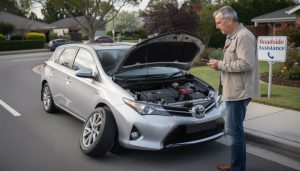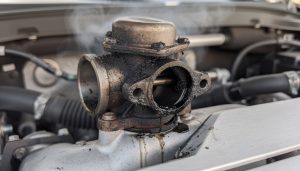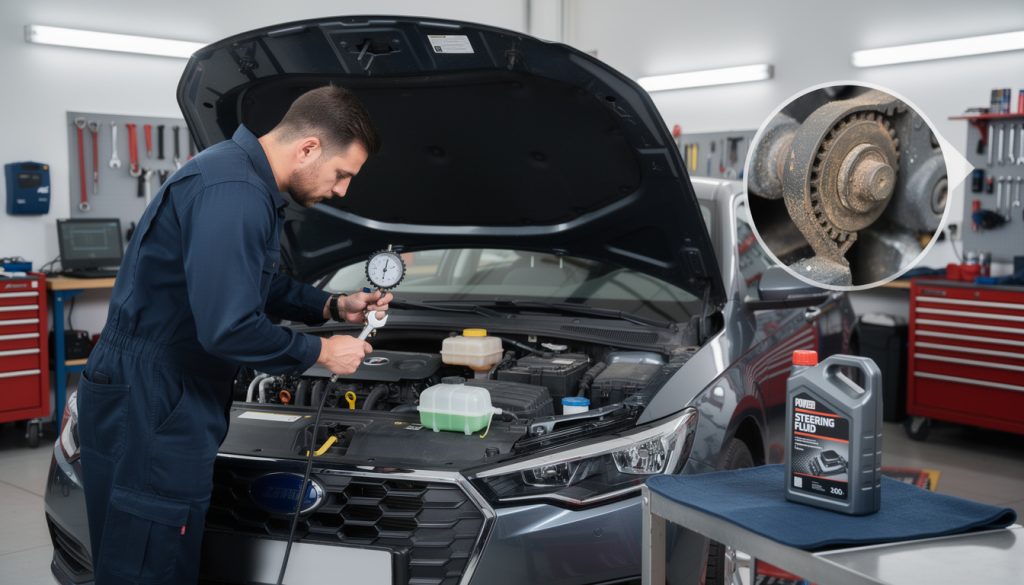
Power steering greatly simplifies driving by reducing the physical effort required to steer, especially at low speeds. However, if you start noticing steering problems, identifying them early is crucial to avoid expensive repairs and maintain safety. From fluid leaks to unusual noises, the symptoms can indicate underlying failures in the system’s hydraulics or electronics. Recognizing these signs quickly allows you to take effective action and extend your system’s life.
Key Takeaways :
- Early detection of steering problems prevents costly repairs and improves road safety.
- Leaks often cause stiff steering and potential damage to the pump if left unattended.
- Squealing noises when starting the car usually indicate belt issues affecting the power steering pump.
- Low or improper fluid levels can reduce hydraulic pressure, making steering difficult.
- Evolving electrical steering faults require diagnostic tools and professional attention for best results.
Recognizing Early Symptoms of Power Steering Issues
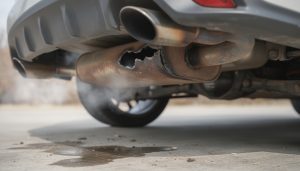
Detecting power steering problems early relies on recognizing common symptoms as they appear in your vehicle’s behavior. One of the most frequent signs is leakage. Fluid leaking beneath your car often comes from the power steering system, reducing fluid levels and consequently impairing hydraulic assistance.
Early leakage symptoms include subtle stiffening of your steering wheel, especially noticeable at parking speeds or during sharp turns. This stiffness signals a loss of hydraulic fluid pressure. Over time, if this leak persists, you might hear unpleasant grinding or whining noises due to the steering pump struggling to operate without adequate lubrication.
Another vital symptom is unusual steering noise. For instance, a high-pitched squeal at startup frequently results from a loose or worn drive belt linked to the power steering pump pulley. Ignoring this can lead to belt failure, which entirely disables your power steering assistance.
Electrical faults may manifest differently: a hesitation or unresponsiveness in the steering system could indicate wiring problems or sensor failures in hybrid steering systems. These issues are less visible but critical, requiring early diagnostic scanning of the vehicle’s onboard computer.
Unchecked, these symptoms can escalate into complete power steering failure, increasing steering effort, risking dangerous driving conditions, and generating costly repair bills.
Here’s a quick list to help you track early signs:
- Red or brown fluid spots under the car
- Steering wheel tighter than usual, especially when turning at low speed
- Whining, grinding, or squealing noises during steering or engine start
- Intermittent or total loss of electronic steering assistance
- Warning lights on the dashboard pointing to steering system faults
Understanding these symptoms returns control to you as a driver, allowing prompt intervention before problems worsen.
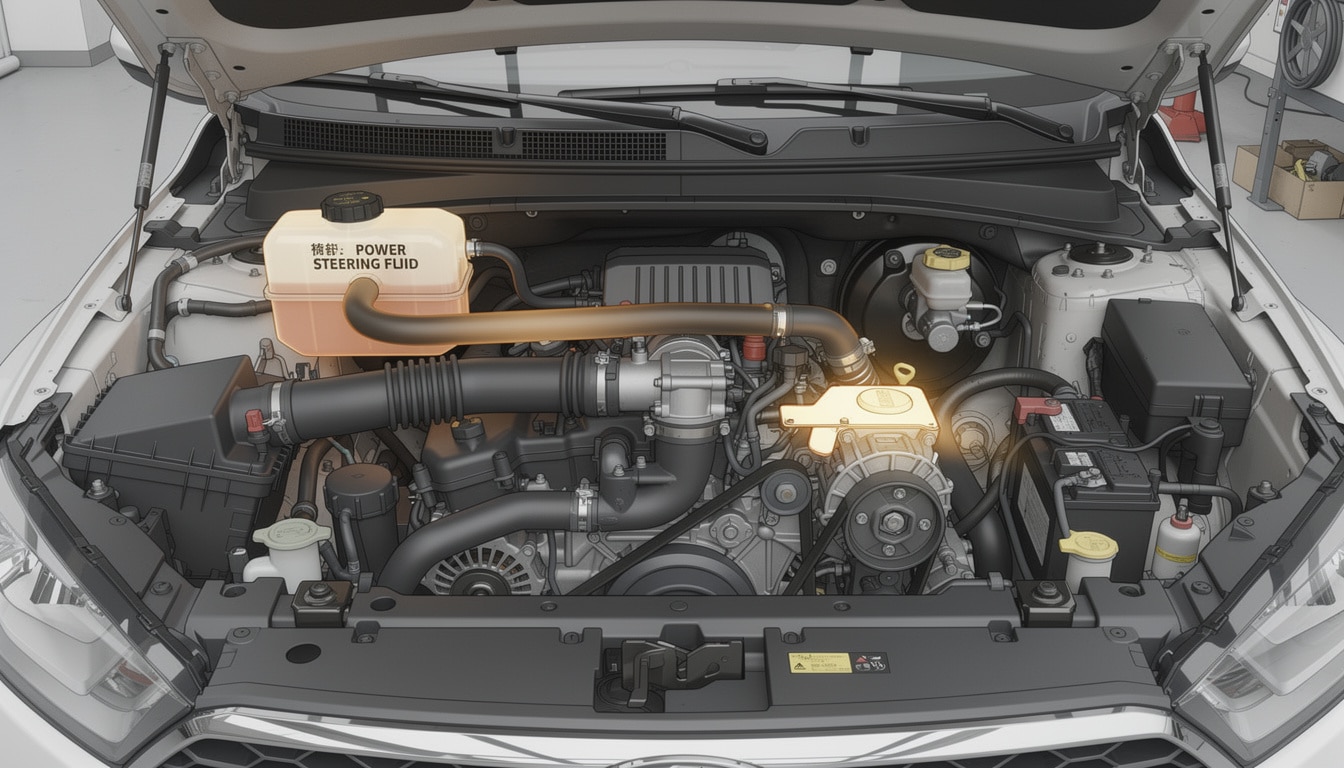
Common Causes of Power Steering Leaks and How to Address Them
Leakage remains the most widespread power steering problem and it often leads to hydraulic fluid loss. This leakage typically originates from worn hoses, loose clamps, or faulty seals in the steering pump or steering rack.
Let’s break down common causes:
- Fractured or aged hoses: The hydraulic lines are prone to wear over time, developing cracks or splits that release fluid.
- Damaged or loose clamps: Clamps securing hoses can degrade or loosen, allowing fluid to seep out even if the hose looks intact.
- Worn seals in the pump: Seal failure in the power steering pump is a frequent cause of leaks, often accompanied by a fuzzy whining sound as the pump strain increases.
- Faulty power steering rack seals: Leakage at the steering rack often comes from deteriorated main seals or pinion seals leading to fluid dripping from the rack’s bellows or gators.
Diagnosing this can be straightforward if you systematically inspect the fluid level and check beneath your vehicle and the engine bay. Use a cloth to wipe hose clamps, and if you still see wetness, this confirms the source.
Repair solutions include replacing damaged hoses or clamps, resealing the pump, or in worse cases, swapping out the steering rack which can be labor-intensive and costly. On average, hose replacements can cost around $100–$200, while steering rack repairs may exceed $600, depending on make and labor rates.
Ignoring these leaks risks burning out the power steering pump completely because a lack of fluid escalates friction and heat.
💡 Expert Tip: Always refill the power steering fluid with the type specified in your owner's manual to avoid damaging seals and pump components.
Diagnosing and Fixing Steering Noise Issues Effectively
Squealing sounds while starting your car or during sharp turns usually stem from the drive belt connected to the power steering pump. This belt’s tension and condition dramatically influence the system’s responsiveness.
Common causes of steering noise include:
- Loose or slipping belts: When belts lose tension, they fail to grip the pump pulley adequately, causing slip noise.
- Cracked or worn belt surfaces: Visible cracking or damage indicates imminent belt failure.
- Pulley misalignment: Incorrect pulley positioning can increase friction and noise.
Checking the belt involves lifting the car safely and having a helper turn the steering wheel while you listen and observe the belt’s tension and alignment. Tightening the belt may eliminate squealing. However, a worn belt needs immediate replacement to avoid total loss of steering assist.
Regular maintenance includes inspecting belts during oil changes or routine checks and replacing them every 60,000 to 100,000 miles depending on your vehicle’s requirements.
In some advanced models, electric power steering reduces dependency on belts but introduces new electrical complexity to diagnose.

How Low Fluid Levels and Hydraulic Pressure Loss Affect Steering
Steering stiffness often hits drivers first, signaling issues with the hydraulic assist. Loss of pressure usually reflects one of two problems: insufficient fluid levels or a failing pump.
Start by checking the fluid reservoir with the engine running and warmed up for accurate readings. Topping up fluid is initially helpful, but if the level drops again quickly, there is likely a leak or component failure.
Other technical faults to consider:
- Small fissures or cracks in hydraulic lines reduce pressure and flow.
- Failing pressure plates in the pump can no longer maintain system efficiency.
- Contaminated or degraded fluid hampers pump operation and causes premature wear.
Untreated, these cause increased steering effort, driver fatigue, and potential control loss in emergency maneuvers.
| Issue | Cause | Potential Cost | Risk Severity |
|---|---|---|---|
| Leakage | Worn hoses or seals | $100 – $600+ | High (pump damage, steering failure) |
| Squealing noise | Loose or worn belt | $50 – $150 | Medium (loss of assist) |
| Stiff steering | Low fluid or pressure loss | $200 – $700 | High (safety hazard) |
| Electrical failure | Wiring or sensor fault | $150 – $500+ | Medium (variable steering response) |
Troubleshooting Unresponsive Electric Power Steering and Maintenance Tips
Vehicles with partial or full electric power steering systems may experience unresponsiveness due to wiring issues, sensor malfunctions, or faults in the electronic control units. Unlike hydraulic systems, these faults often lack visible symptoms like leaks or noises.
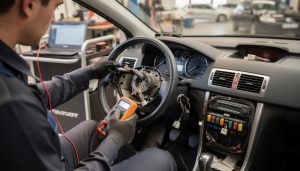
Start by scanning your vehicle’s diagnostic codes with an OBD-II reader. If a fault is detected, it can highlight problem areas such as circuit failures, sensor errors, or system resets needed.
When no error codes appear, inspect electrical connections, fuses in the fuse box, and verify the car battery’s health since low voltage can impair steering electronics.
Resetting the system by cycling the ignition may resolve temporary glitches by clearing residual memory buffers in the electronics. However, recurring electrical steering problems require professional diagnostic and repair services to ensure safety.
Regular maintenance tips to keep your power steering system in top condition include:
- Checking fluid levels monthly and topping up accordingly
- Inspecting hoses, clamps, and belts every 10,000 miles or during service visits
- Replacing power steering fluid every 2-3 years to maintain hydraulic quality
- Using manufacturer-recommended parts and fluids for repairs
- Promptly investigating unusual noises or stiffness

For more detailed insights on specific model issues like those affecting BMW or Audi models, I recommend consulting specialized resources such as BMW Serie 4 problems and Audi Q7 reliability problems.
What are the most common signs of a failing power steering pump?
Typical signs include whining noises, steering stiffness, fluid leakage, and difficulty turning the wheel at low speeds.
Can I drive my car if the power steering fluid is low?
You can, but steering will be tougher, especially at slow speeds. Continued driving without fixing the leak risks damaging the pump and steering rack.
How often should power steering fluid be replaced?
Generally, it’s advisable to replace power steering fluid every 2 to 3 years or as per the vehicle manufacturer’s guidelines.
Is power steering repair expensive?
Repair costs vary. Hose replacement might cost under $200, but steering rack or pump repairs can rise above $600, depending on vehicle make and labor costs.
How do I identify electrical steering issues?
Symptoms include unresponsive steering, warning lights, and erratic steering feel. Diagnostic code readers are essential for pinpointing electronic faults.