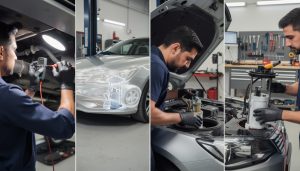
The ABS pump is a crucial component in your vehicle’s braking system, designed to modulate hydraulic pressure and prevent wheel lock-up during hard braking. When your ABS pump fails, not only does the ABS warning light illuminate, but your safety is compromised, especially in emergency scenarios. Understanding how to replace this pump yourself can save both time and money, ensuring your vehicle remains safe and reliable on the road.
Key Takeaways :
- The ABS pump controls hydraulic pressure to prevent brake lock-up.
- A warning light on your dashboard often signals ABS pump failure.
- Use diagnostic tools to retrieve ABS error codes before replacement.
- Replacing the ABS pump requires detailed mechanical work and safety precautions.
- Bleeding the brake system and syncing the ABS control unit post-replacement is essential.
Understanding the ABS Pump’s Role in Vehicle Safety and Maintenance
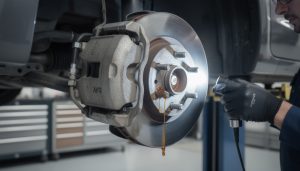
The ABS pump plays a vital role in maintaining vehicle stability and braking performance. It rapidly adjusts the hydraulic pressure to each brake caliper during sudden stops, stopping the wheels from locking and preventing you from skidding. This feature is especially important in wet or slippery conditions, where losing traction can cause accidents. When this pump malfunctions, it can lead to uneven braking or total ABS failure, jeopardizing driver control.
In the context of vehicle maintenance, neglecting ABS pump issues can escalate repair costs dramatically. For instance, a faulty pump can strain other ABS components, like sensors or the ABS control module, potentially doubling repair expenses. To stay ahead, immediately addressing any warning signs is critical. This is why routine diagnostics, especially on vehicles with known ABS pump concerns, such as certain BMW models or other premium cars, can save drivers significant headaches. For more insights about failure trends, you can explore ABS control warning signs.
When replacing the ABS pump, understanding its function ensures you approach the task with the right mindset. The system balances pressure to rapidly modulate braking forces multiple times per second. Without this function, emergency braking becomes hazardous, increasing the likelihood of accidents.
Professional mechanics often emphasize that the ABS pump is more than a simple hydraulic device: it integrates tightly with electronic modules to perform optimally. This implies auto parts replacement must be accurate and that the new pump is fully compatible with the vehicle’s software, a point often overlooked in DIY car repair projects.
Identifying Faults in Your ABS Pump: Practical Symptoms and Diagnostic Steps
One of the easiest ways to know your ABS pump needs attention is when the ABS warning light illuminates on the dashboard. This alert often accompanies symptoms such as a spongy brake pedal, unusual noises during braking, or erratic behavior from the ABS system under heavy braking.
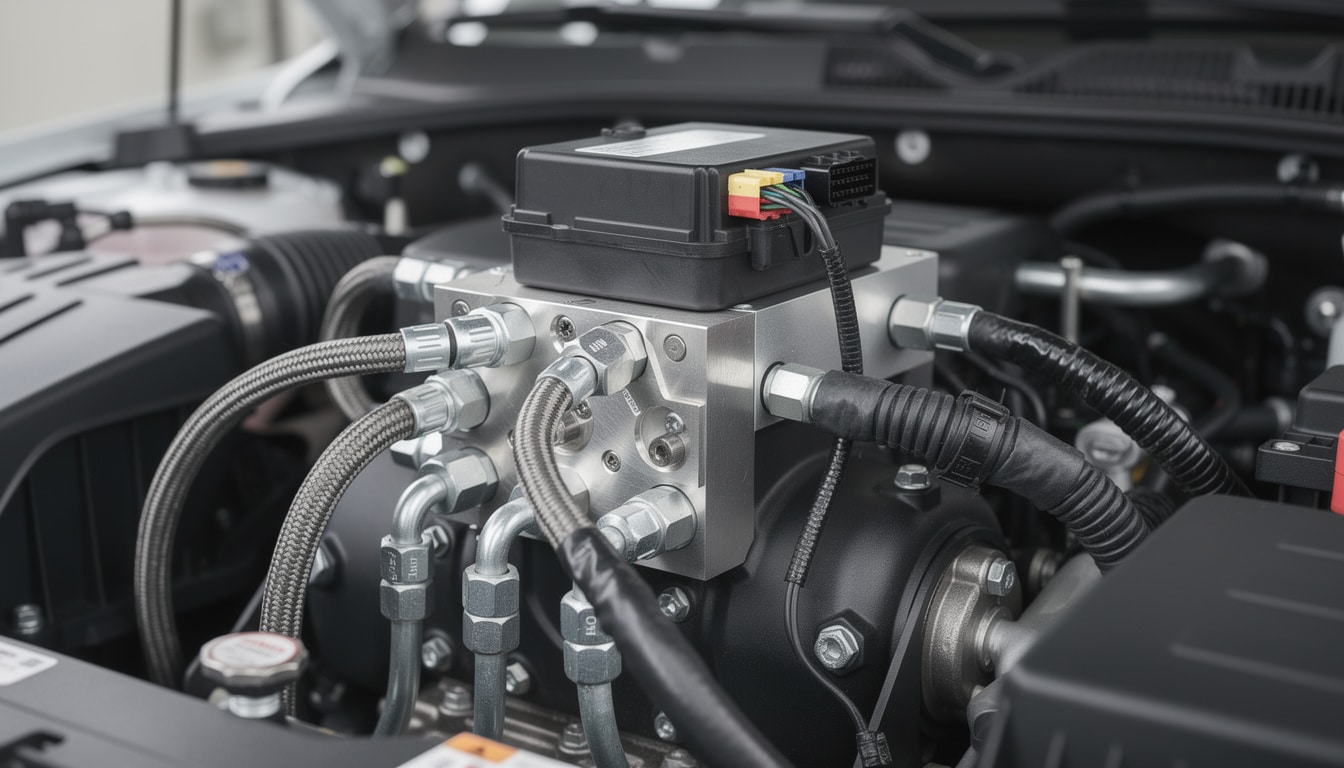
To pinpoint the problem precisely, a car diagnostic laptop or scanner designed for ABS systems is essential. After connecting the diagnostic tool, reading the error codes can tell you exactly if the ABS pump or associated parts are malfunctioning. For instance, common error codes linked with ABS pump motor circuits or hydraulic unit failures will confirm the pump as the culprit.
Here’s a checklist of common symptoms indicating ABS pump failure:
- Persistent ABS warning light on the dashboard
- Brakes locking unexpectedly under reduced pressure
- Unusual whining or buzzing noise near the ABS module
- Inconsistent brake pedal feel or pressure
- Brake fluid leakage near the ABS unit
Some vehicle models, such as the BMW M3 or Volvo V50, are known for ABS pump issues emerging after certain mileage thresholds. Knowing these trends helps anticipate problems before they get worse.
💡 Expert Tip: Always confirm the absence of mechanical or electrical faults beyond the ABS pump by performing a full system scan. This reduces the risk of unnecessary replacements.
Step-by-Step Guide to Replacing Your ABS Pump Safely and Effectively
Replacing the ABS pump is a technical task, but with the right preparation and tools, it can be done safely. You will need a socket set, spanners, and a car diagnostic laptop. Additionally, ensure you have a well-ventilated workspace and follow strict safety protocols.
Step 1: Retrieve ABS Control Module Codes and Secure the Vehicle
Begin by connecting to your car’s ABS system with a diagnostic tool. Write down all fault codes to ensure the pump replacement aligns with the identified fault. Afterward, lift the vehicle safely on jack stands and disconnect the car battery to prevent electrical hazards.
Step 2: Disconnect Battery and Drain Brake Fluid
Disconnecting the battery opens working space near the engine bay. Then, drain brake fluid carefully through the brake reservoir’s bleed screw, avoiding any spillage in the engine compartment. Brake fluid is corrosive and can damage surfaces or components.
Step 3: Loosen Brake Lines and Electrical Connections
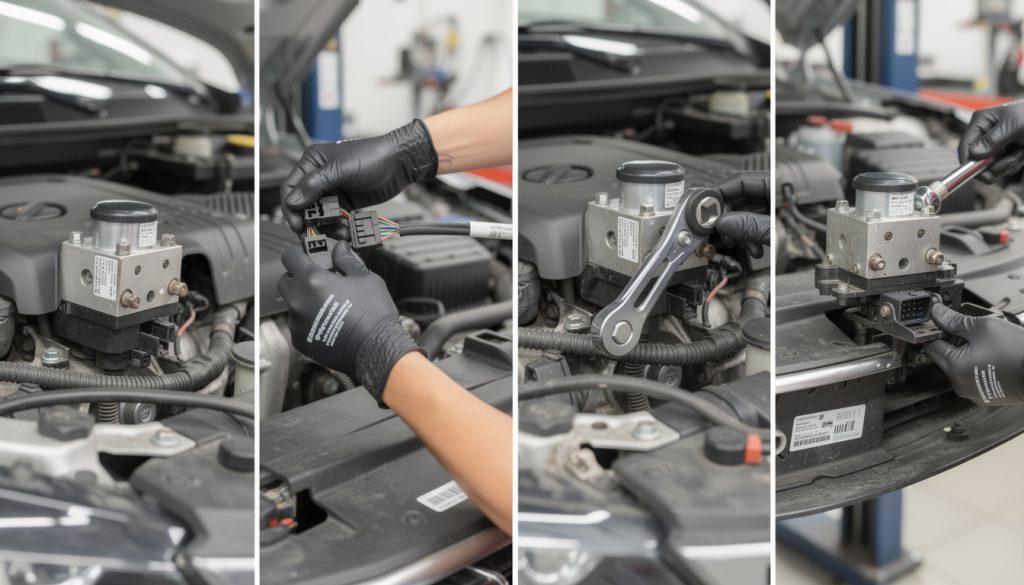
Gently detach all fluid lines connected to the ABS pump. These pipes are rigid and prone to damage if forced. Likewise, unplug electrical connectors carefully to avoid breaking pins or connectors.
Step 4: Remove the ABS Pump Unit
Locate and sequentially loosen bolts securing the ABS pump assembly. In some engines, components such as brake fluid sensors might obstruct removal—remove them briefly as needed.
Step 5: Separate the ABS Pump from the Pump Assembly
Once removed, separate the ABS pump from its bracket or housing. This procedure is simpler away from the engine bay, reducing the risk of damage. Swap the faulty pump with the new unit, ensuring compatibility.
Step 6: Reinstall the ABS Pump
Reassemble the components by reversing removal steps. Secure the pump carefully, reconnect all fluid and electrical lines properly, and restore any engine components that were removed.
Step 7: Refill and Bleed the Brake System
Refill the brake fluid reservoir with manufacturer-recommended fluid. Bleeding the brakes removes air pockets that compromise braking efficiency. This process may require specialized tools or help.
Step 8: Synchronize ABS Control Module
Finally, use the diagnostic laptop to reset and synchronize the ABS controller with the new pump. This step is critical to ensuring the ABS system functions without error lights or performance issues.
Common Tools Required for Replacing ABS Pump
| Tool | Purpose |
|---|---|
| Socket Set | Remove bolts securing ABS unit |
| Spanners | Disconnect brake fluid lines |
| Diagnostic Laptop | Read error codes and reset ABS system |
| Brake Bleeder Kit | Remove air from brake lines |

Evaluating Repair Costs and Risks Associated with ABS Pump Replacement
Replacing an ABS pump is undoubtedly a costly repair compared to other brake maintenance tasks. Generally, you can expect parts to cost between $400 and $900 depending on the car model and whether the pump is new or remanufactured. Labor charges vary widely but typically range from 2 to 4 hours of workshop time, increasing overall cost.
If you attempt DIY car repair, budgeting for specialized tools such as diagnostic laptops and brake bleeding kits is also necessary. However, professional repair shops often provide a warranty backing for parts and labor, which might justify the higher price.
Delaying ABS pump replacement carries risks including:
- Complete failure of ABS system, increasing accident risk
- Accelerated wear on brake components
- Potential failure in passing safety inspections
- Erratic braking behavior endangering vehicle occupants
For owners of brands prone to ABS pump defects, such as BMW or Subaru, accessing resources like Subaru Impreza issues can provide useful tips about expected timelines and common failures. Similarly, enthusiasts working on performance vehicles might want to consult BMW M4 common problems to understand model-specific ABS concerns.
💡 Expert Tip: Always verify that replacement parts come with ECU coding compatibility to avoid ABS system errors post-installation. Failure to do so is a frequent mistake leading to repeated repairs.
Essential Checks and Post-Replacement Tips to Keep Your ABS System Reliable
Once you have replaced your ABS pump, ensuring long-term reliability means performing thorough checks. Start by verifying there are no leaks from any brake pipe connections. Inspect all electrical connectors for secure fitment. The brake pedal should feel firm with no sponginess after the bleeding process.
Following this, take your car for a careful road test. Attempt controlled emergency stops in a safe environment to confirm the ABS system’s response. Modern ABS units often pulse the brake pedal when active—any irregularities here require immediate attention.
Some drivers overlook software synchronization during DIY repair. Failing to synchronize the system might not trigger an error light immediately but can cause subtle malfunctions such as delayed ABS activation. Always refer to the diagnostic tool for final verification.
Here are quick checks to run post-installation:
- No dashboard warning lights post-startup
- Firm brake pedal feel with no abnormal noises
- No leaks around ABS pump and brake lines
- ABS engages smoothly in emergency braking tests
- Diagnostic scanner shows no ABS faults
Routine inspection of the ABS system is advisable, especially if you frequently drive in challenging conditions. This vigilance helps catch early symptoms before they escalate into costly repairs.
💡 Expert Tip: Regular ABS system scans during annual vehicle check-ups can prolong pump life and prevent unexpected failures. Early detection is key.
How long does it usually take to replace an ABS pump?
On average, a professional mechanic will complete the ABS pump replacement in 2-4 hours. As a DIY task, it may take longer depending on experience and available tools.
Can I drive if my ABS pump is faulty?
While you can drive with a faulty ABS pump, it is not recommended as it severely compromises braking safety, especially during emergency stops or on slippery roads.
How can I check for ABS pump problems without a diagnostic tool?
Basic signs like the ABS warning light, unusual brake pedal feel, or unusual noises near the brake controller unit can indicate ABS pump troubles, but a diagnostic tool is essential for accurate fault diagnosis.
What is the average cost to replace an ABS pump?
Parts alone usually range from $400 to $900, with labor adding to the total cost. Prices vary depending on the car model and repair location.
Is it necessary to bleed brakes after ABS pump replacement?
Yes, bleeding the brakes is crucial to remove air pockets in the brake lines, which can affect braking performance and safety post-replacement.