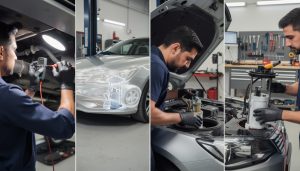
Engine mounts are essential components that secure your vehicle’s engine to the frame and absorb engine vibrations, ensuring smooth operation and ride comfort. When these mounts start failing, you’ll notice distinct symptoms that indicate the problem before it worsens and leads to costly repairs. Recognizing warning signs such as engine vibration, clunking noise, and engine movement early on can save you from extensive damage and inconvenience.
Key Takeaways:
- Failing engine mounts cause increased engine vibration and unusual noises such as clunking.
- Visible wear or damage to mounts can be diagnosed through physical inspection.
- Excessive engine movement leads to secondary damage to hoses, belts, and transmission parts.
- Ignoring failing mounts can escalate repair costs, sometimes necessitating engine replacement.
- Engine mounts typically last 5-7 years but can fail sooner due to driving conditions and poor installation.
Identifying Warning Signs of Engine Mount Failure: What to Look For
The first step in diagnosing engine mounts is understanding their role in your vehicle and the symptoms you might observe when they fail. Engine mounts secure the engine firmly in place and absorb vibrations. When these mounts wear out or fail, the engine shifts excessively within the engine bay, which directly causes a variety of warning signs.
Noticeable engine vibration is one of the most common symptoms. You may experience unusual shaking in the steering wheel, dashboard, or even the entire vehicle. This vibration is typically more severe when the engine is idling or when the air conditioning is on, as the mounts lose their ability to isolate engine movements. This isn’t just uncomfortable—it signals that the mounts have deteriorated.
Another telling symptom is a distinct clunking or banging noise. This sound usually occurs during acceleration, deceleration, or sudden gear changes and is caused by the engine physically moving and hitting surrounding components like fuel rails or the frame. Such noises are an unmistakable sign of failing mounts and should never be ignored.
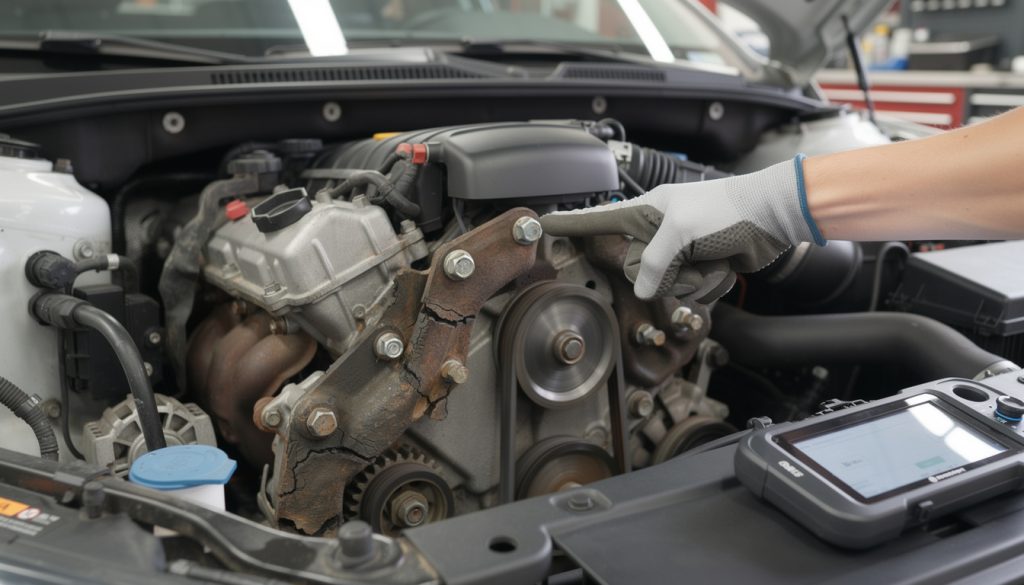
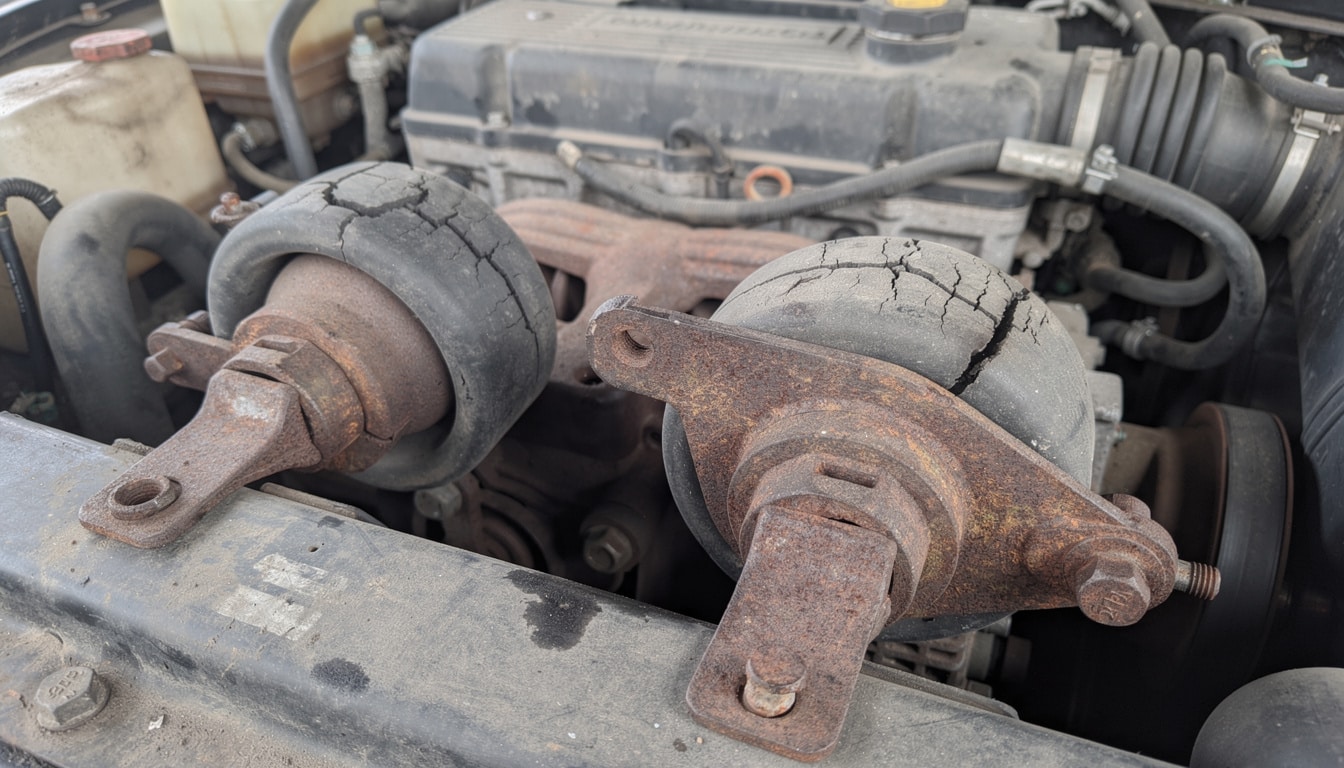
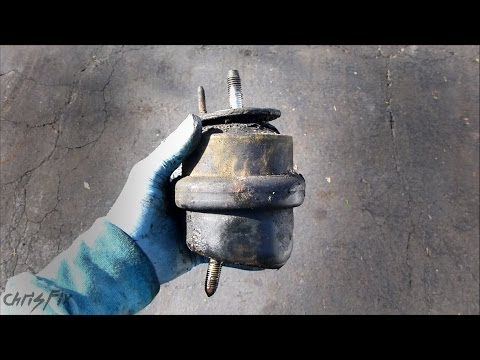
Physically inspecting the mounts can reveal additional evidence. Look for signs such as cracked rubber, corrosion, or visible warping. Since the rubber part of the mount is bonded to metal, replacing just the rubber is impossible; the entire mount must be replaced to restore function. Damage or excessive wear often indicates that mounts are no longer effectively stabilizing the engine, which could result in further problems if left unattended.
In some vehicles, you might notice uneven engine positioning or abnormal engine movement. The engine should sit level and stable within the frame; if it looks tilted, slumped, or moves noticeably when revving or braking, that’s a clear sign the mounts are compromised.
Also, keep an eye on related components like belts, hoses, and transmission parts. Engine mount failure causes the engine to shift excessively, which can stretch or prematurely wear these parts. A sluggish gear shift or shifting problems can also arise when mounts fail because of the extra stress on mount-adjacent elements.
These symptoms together help paint a clear picture when diagnosing engine mounts and deciding on repair priorities.
Understanding the Causes Behind Engine Mount Wear and Failure
Knowing why engine mounts fail can help you prevent further damage and extend their life. While mounts are designed to last around 5 to 7 years, several factors can accelerate wear.
Firstly, standard wear and tear is inevitable. The rubber within engine mounts will naturally degrade over time due to heat, pressure, and constant vibration from the engine. Loss of rubber elasticity, cracking, and hardening are typical signs of aging mounts.
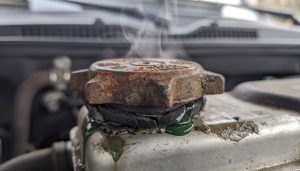
Another major contributor to engine mount failure is fluid contamination. Many engine mounts are fluid-filled or rely on rubber that can break down quickly when exposed to oil or coolant leaks. Even minor leaks from valve cover gaskets or engine seals can deteriorate the rubber and cause early failure.
Accidents and impacts can severely damage or displace engine mounts. If you’ve recently experienced any collision, even a minor one, the mounting points should be checked carefully to avoid overlooking internal damage that can exacerbate wear over time.
Driving habits also play a significant role. Aggressive driving with hard acceleration, sudden stops, or rough terrain applies more strain on mounts, potentially shortening their lifespan.
Poor installation or substandard replacement parts may cause early failure too. While DIY enthusiasts might choose to install mounts themselves, improper torque settings or misalignment can lead to rougher engine movement and quicker wear.
Practical knowledge of these causes allows you to take concrete steps to reduce the risk of engine mount wear and avoid getting caught off guard by engine mount failure.
Common causes of engine mount failure include:
- Natural rubber deterioration with age and heat exposure
- Oil or coolant contamination breaking down rubber material
- Physical damage from accidents or road impacts
- Stress from aggressive driving styles
- Incorrect installation or poor-quality replacement parts
Consequences of Driving with Failing Engine Mounts: Is It Worth the Risk?
Many drivers hesitate to replace failing engine mounts due to cost or time, but driving with worn or broken mounts presents significant risks.
Excessive engine movement can have a domino effect. It puts stress on various components such as wiring harnesses, radiator hoses, fan belts, and even transmission parts. These components can prematurely wear or fail due to the abnormal vibrations and engine shifts.
In severe scenarios, a failed mount can cause the engine to shift drastically, interfering with steering linkages or causing the cooling fan to rub against the radiator, which could lead to overheating and related damage.
Driving with bad engine mounts also compromises ride comfort and handling. You’ll experience persistent vibration, shaking, and a rougher ride quality, all of which diminish driving safety and enjoyment.
Ignoring warning signs can lead to more expensive repairs down the line. A mount replacement costing between £110 and £220 might feel pricey upfront, but it’s a fraction of what it could cost to fix damaged engines or transmission systems due to neglected mounts.
Professional advice often encourages replacing all mounts at once if one has failed since they wear out roughly at the same rate. This approach prevents uneven wear and saves on labor costs in the long run.
Checking your vehicle’s health after incidents or following recommendations in models known for engine mount issues, like in certain BMWs or Peugeots, found at BMW X4 common problems or Peugeot 206 common issues, can help you avoid surprises.
Potential risks include:
- Damage to adjacent hoses, belts, and wiring
- Reduced steering precision due to engine movement
- Risk of radiator or fan interference leading to overheating
- Increased vehicle shaking and discomfort
- Escalating repair costs involving multiple vehicle systems
Practical Methods for Diagnosing Engine Mount Failure at Home
Before rushing to a mechanic, performing simple checks can give you a clear indication about the state of your engine mounts.
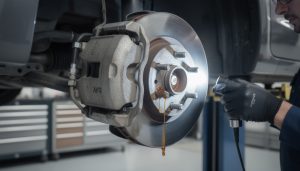
Start with a visual inspection. Open the hood and examine each engine mount carefully for cracks, splits, or visible damage on the rubber parts. Look for signs of fluid leaks which may indicate a compromised mount. Any corrosion or deformity in metal brackets also points to problems.
Next, gently push or rock the engine with a pry bar (use caution and ideally professional assistance). Excessive movement or play confirms loose or worn mounts. Pay attention to clunking noises as the engine shifts.
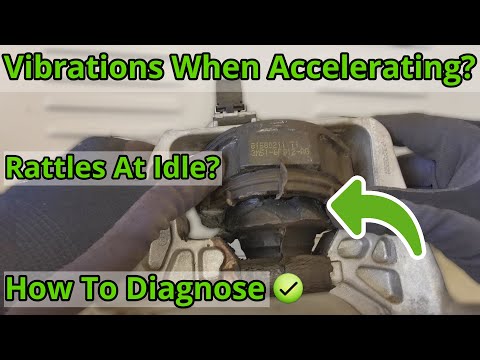
Try to notice abnormal vibrations or noises at idle and when accelerating or braking, which typically accompany failing engine mounts. If your vehicle exhibits lurching during starts or jolts when switching gears, the mounts are likely at fault.
Another useful test involves observing the engine during a sharp acceleration or cornering maneuver: the engine should remain fairly static; visible tilting or shifting highlights worn mounts.
Professional tools such as chassis ears or vibration analyzers can provide a more precise diagnosis, especially when symptoms are subtle. For complicated cases, a mechanic might recommend visiting a trusted diagnostic center, where they can link symptoms to specific mount locations, ensuring targeted repairs.
Simple checks to identify engine mount wear:
- Visual inspection for cracks, warping, or fluid leakage
- Rocking the engine manually to detect excessive movement
- Listening for clunking or banging noises during engine load changes
- Feeling for abnormal vibrations at idle and during acceleration
- Watching engine position during turns or sudden starts/stops
Cost and Considerations for Engine Mount Replacement
Replacing engine mounts involves both parts and labor. Costs vary depending on the vehicle make, model, and engine type. On average, you can expect to pay between £110 to £220 for the replacement of a single mount in 2026.
Complex vehicles with multiple or hard-to-access mounts may incur higher labor charges. Replacing all mounts together might be more economical in the long run, as worn mounts put extra pressure on the others, accelerating their wear.
Choosing OEM-quality mounts ensures durability and reduces the likelihood of premature failure, unlike cheaper aftermarket parts.
Delaying replacement can lead to compounded damage affecting crucial systems, pushing repair bills into the high hundreds or even thousands.
Here’s a comparison table outlining estimated costs and factors influencing engine mount repairs:
| Service | Average Cost (£) | Factors Affecting Price | Typical Repair Time |
|---|---|---|---|
| Single Engine Mount Replacement | 110 – 220 | Car model, mount accessibility, part quality | 1 – 3 hours |
| Complete Set Replacement (2-4 mounts) | 350 – 600 | Number of mounts, labor time, vehicle complexity | 3 – 6 hours |
| Related Component Repairs (belts, hoses) | Variable | Extent of damage from engine movement | Varies |
💡 Expert Tip: Always inspect all mounts when replacing one. Uneven wear accelerates failure and can cause additional damage.
What happens if I ignore engine mount warning signs?
Ignoring warning signs can lead to engine misalignment, damage to hoses, belts, and wiring, increased vehicle vibration, and ultimately expensive repairs or even engine failure.
How can I confirm which engine mount is failing?
A mechanic can perform a physical inspection, vibration testing, and visual checks. Some mounts are easier to check by observing engine movement during acceleration or cornering.
Is it safe to drive with a broken engine mount temporarily?
While short-distance driving is often possible, it’s risky as engine movement may cause damage to vital components. Immediate repair is recommended to prevent further problems.
Can I replace engine mounts myself?
Replacing engine mounts requires mechanical skills and proper tools. While DIY is possible for experienced individuals, improper installation can result in faster failure. Professional installation is safer.
How long do engine mounts typically last?
Engine mounts generally last between five and seven years but can fail sooner under harsh driving conditions or due to fluid contamination.