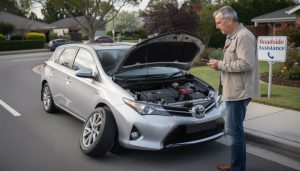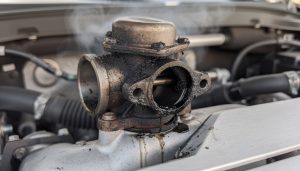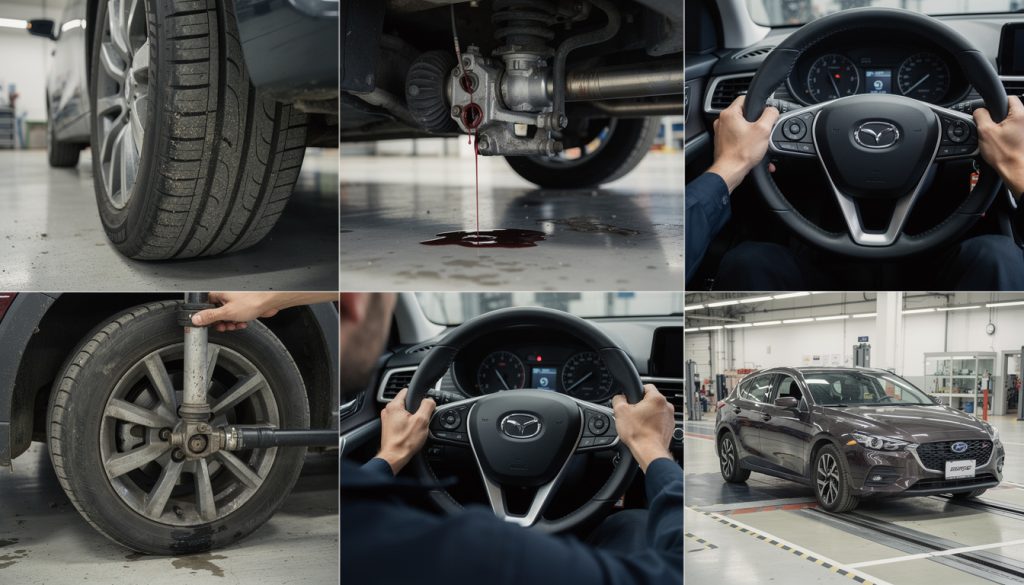
Steering systems are the heart of vehicle control, yet many drivers overlook the subtle warnings their cars send before serious steering rack failure occurs. The steering rack’s role is pivotal: it translates the driver’s wheel turns into precise movements of the wheels themselves, managing every twist and turn of the road. In 2026’s complex driving environments—from urban congestion to rough rural paths—recognizing key symptoms of a failing steering rack is not just about maintenance, it’s about safety and confidence behind the wheel.
This article dives deep into the 7 critical symptoms that indicate steering rack issues, illustrating each with technical insight and practical guidance, making you well-equipped to identify and address these vehicle steering issues effectively.
Key Takeaways :
- Steering fluid leaks are the most visible and early sign of steering rack problems.
- Unusual steering noise such as grinding or whining often signals worn internal components.
- Changes in steering wheel play — including looseness or stiffness — require immediate attention to avoid steering failure.
- Uneven tyre wear and the vehicle pulling to one side can indicate underlying steering rack deterioration.
- Regular car maintenance on steering fluid and alignment can significantly extend the lifespan of the steering rack.
Identifying Steering Rack Failure: Crucial Car Symptoms to Watch
Among the most important systems in your vehicle, the steering rack demands your earliest attention when signs of malfunction appear. Noticing issues early can save substantial repair costs and enhance car safety.
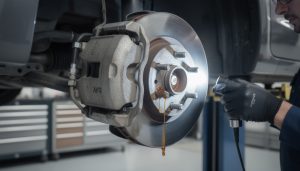
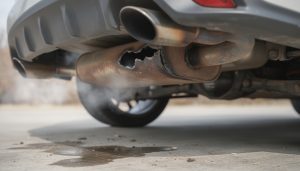
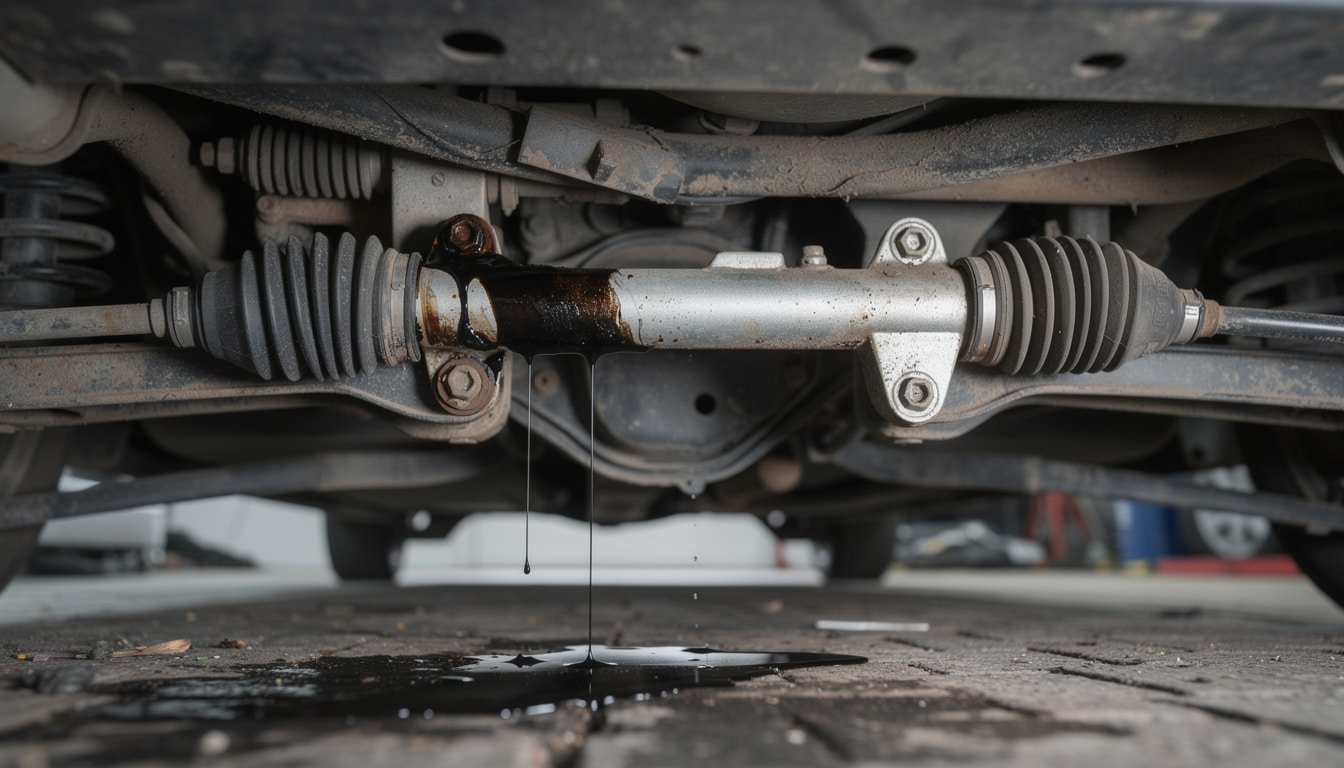
One of the first and most recognizable symptoms of a failing steering rack is a steering fluid leak. Power steering fluid is critical for smooth and responsive steering, providing hydraulic assistance that reduces the effort needed to turn the wheel. Spotting reddish-pink fluid on the garage floor, especially near the front wheels, should prompt immediate investigation. Fluid loss leads directly to stiff steering and can cause overheating, accelerating system failure.
Fluid leaks can be slow and harder to detect in some cases, making regular checking of fluid levels a non-negotiable part of car maintenance. If you ever notice your steering becoming unresponsive or heavier at low speeds, paired with a rough or burning smell, these could be symptoms of power steering fluid overheating from internal friction.
Additionally, steering noise such as grinding, whining, or creaking whispers of worn gears or insufficient lubrication inside the rack-and-pinion assembly. These noises frequently emerge at low speeds or when the engine idles. Ignoring such sounds can escalate damage and affect vehicle handling unpredictably.
Beware of abnormal changes in your steering wheel play. This encompasses multiple symptom behaviors:
- A steering wheel that self-corrects or moves slightly without driver input hints at internal looseness or damage.
- When the wheel refuses to return naturally to the center position following a turn, it signals compromised steering alignment or rack wear.
- Difficulty in steering, especially perceptible when making slow turns, shows loss of hydraulic assistance or mechanical failure.
- ‘Dead spots’ or numbness in wheel responsiveness indicate deteriorated rack components, risking sudden steering failure.
- Unusual vibrations running through the wheel during maneuvers often accompany worn racks or misaligned steering linkages.
Spotting these symptoms early can distinguish between a minor repair and a major steering rack replacement, which many drivers encounter too late.
Understanding these symptoms is especially critical for owners of vehicles prone to steering rack wear and failure, a concern frequently documented in reliability reports for models like the BMW Serie 1 and Volvo XC60, where steering issues are not uncommon.
How the Steering Rack Functions and Its Impact on Vehicle Control
The steering rack is integral to translating the circular motion of the steering wheel into the side-to-side movement that turns the vehicle’s wheels. In modern cars, the rack-and-pinion mechanism performs this function with increased precision and responsiveness compared to older steering systems.
The rack itself is a straight gear bar engaged with a small gear called the pinion attached to the steering shaft. When you turn your steering wheel, the pinion gear rotates, sliding the rack left or right. This linear motion directs the wheels’ angle precisely, allowing accurate navigation.
Most cars today incorporate power steering assistance, either hydraulic or electric. This system reduces the driver’s effort by enhancing the rack’s movement. In hydraulic systems, power steering fluid under pressure moves a piston within the rack assembly, while electric power steering uses sensors and motors for assistance.
Any failure within this complex setup impairs the entire steering system’s responsiveness. For example, a compromised rack leads not only to increased steering effort but also unpredictable handling behaviors, such as excessive wheel play or unstable road holding, increasing accident risk.
Recognizing the car symptoms associated with rack failure empowers drivers to maintain optimal steering function and vehicle safety.

Common Causes Behind Steering Rack Deterioration and Failure
Multiple factors contribute to steering rack problems over a vehicle’s lifespan. Typically, wear and tear dominate as the primary cause, with the rack enduring relentless mechanical stress and constant movement, especially in urban driving conditions featuring frequent turns and stops.
Statistics and repair records suggest the average steering rack can last around 80,000 miles under normal use, but abuse—such as harsh pothole impacts or frequent curb hits—can drastically accelerate failure. Notably, road conditions in many regions remain challenging, heightening this risk.
Impact damage is a significant failure agent. Damage resulting from hitting potholes or curbs transmits shock through wheels and suspension directly to the rack. Such incidents can bend the rack or damage the pinion gear teeth, leading to erratic steering response or a complete loss of control.
Equally detrimental is the neglect of fluid maintenance. Power steering fluid degrades over time, becoming contaminated with debris and losing its lubrication properties. If fluid is not flushed and replaced on schedule, the steering rack works under increased friction, accelerating component wear. This neglect is an especially common mistake among drivers unfamiliar with the importance of regular car maintenance.
Failing to catch these issues early often results in steering noise, leaks, and increased steering play, which, without repair, leads directly to steering rack failure.

Maintenance Strategies to Prolong Steering Rack Life and Avoid Steering Failure
Maintaining a healthy steering rack is essential for both vehicle longevity and car safety. I recommend a proactive approach centered around diligent inspection and routine service.
- Regular power steering fluid inspections: Monitor fluid levels frequently and top up as needed. Look for changes in fluid color or the development of dark or gritty substance, which signals contamination.
- Scheduled power steering fluid flushes: Replacing old fluid with fresh hydraulic fluid per manufacturer guidelines reduces internal wear and prevents overheating.
- Immediate attention to steering sounds and behavior: Never ignore whining noises or changes in steering feel. Prompt diagnosis can prevent an expensive replacement.
- Drive cautiously on damaged roads: Avoid potholes and curbs where possible. Even small impacts sum up to critical damage to steering components over time.
- Regular wheel alignment checks: Ensuring proper alignment reduces uneven tyre wear and lessens stress on the steering rack, extending its service life.
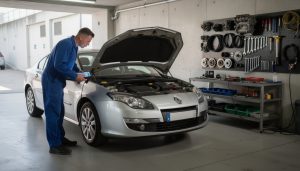
Following these steps ensures your steering rack remains responsive and reliable. If you suspect a problem, consulting a qualified mechanic is indispensable—especially to differentiate rack issues from other components such as those affecting the driveshaft or suspension, as explained in detail for common vehicles at failing driveshaft signs.
Recognizing the Broader Implications of Steering Rack Issues on Vehicle Safety and Performance
Vehicle steering issues extend well beyond mere driving discomfort. A degraded steering rack compromises the driver’s ability to control the car precisely, raising the risk factor dramatically in high-speed or emergency maneuvers.
Uneven tyre wear and pulling to one side are often overlooked signs linked to steering rack health. These symptoms can mimic other problems, but when combined with steering noise and changes in steering wheel response, the likelihood of rack deterioration increases. This is especially relevant for drivers of premium SUVs and sedans known for steering challenges, such as the Audi Q7.
Ignoring steering wheel play or small vibrations while driving can result in sudden loss of steering power, a condition sometimes referred to as “death wobble,” notorious for its danger during highway speeds.
Therefore, addressing steering rack symptoms swiftly is a crucial component of responsible vehicle ownership and on-road safety.
| Symptom | Possible Cause | Recommended Action |
|---|---|---|
| Power steering fluid leak | Worn seals or damage to the rack housing | Inspect and repair seals, replace damaged components promptly |
| Steering wheel heavy or difficult to turn | Low fluid levels or failing hydraulic pump | Check fluid, refill or replace pump as needed, inspect rack condition |
| Grinding or whining noise when turning | Worn gears, damaged rack teeth, or insufficient lubrication | Lubricate or replace worn parts immediately |
| Loose steering wheel with excessive play | Worn rack components or damaged linkages | Adjust or replace worn steering parts |
| Vehicle pulls to one side | Rack misalignment or uneven tyre wear | Wheel alignment and rack inspection necessary |
How often should I check my power steering fluid?
It’s advisable to check your power steering fluid at least once a month to catch leaks early and maintain optimal steering performance.
Can I drive safely with a failing steering rack?
Driving with a failing steering rack is dangerous. Issues like steering wheel play or fluid leaks should be inspected immediately to prevent loss of vehicle control.
What is the typical lifespan of a steering rack?
Under normal driving conditions, a steering rack typically lasts around 80,000 miles, but factors like road conditions and maintenance significantly influence this.
Can unusual steering noises be fixed without rack replacement?
Some noises caused by low fluid or minor wear may be fixed by fluid replacement or lubricating parts, but severe damage usually requires replacing the steering rack.
Is uneven tyre wear always related to steering rack issues?
Uneven tyre wear can stem from multiple causes including alignment or suspension problems, but when accompanied by steering symptoms, the steering rack should be checked.