The BMW 7 Series, widely recognized as a pinnacle of personal luxury and technological innovation since its debut in 1977, continues to captivate drivers who seek exceptional comfort and cutting-edge features in their automobiles. As of 2026, it remains a sought-after choice among luxury sedans, blending performance with an array of premium amenities. However, prospective and current owners must be well-informed about the typical car problems associated with this model to maintain its reliability and value over time. This article dives deep into the common issues, from mechanical hiccups to electrical faults, and offers practical guidance on how to navigate and mitigate these challenges for a smooth ownership experience.
Exploring these frequent concerns not only helps in troubleshooting but also aids buyers in making an informed decision, especially in the used car market where subtle faults might influence long-term costs. Whether you’re interested in the classic models or the latest iterations, understanding these nuances is vital for those who prioritize both luxury and dependability in a full-size sedan. Throughout this article, you’ll also find essential maintenance tips and insights into how the 7 Series holds its value amid typical depreciation trends.
Key Takeaways :
- The BMW 7 Series is known for luxury, advanced technology, and strong performance, but some generations have reported recurring reliability issues.
- Common problems include electronic system failures, air suspension issues, transmission concerns, and cooling system faults, particularly in older or high-mileage models.
- Certain engines used in the 7 Series have experienced oil leaks, timing chain wear, or turbocharger problems, depending on the model year and engine variant.
- Regular maintenance and early diagnosis are essential, as repair costs for luxury vehicles like the 7 Series can become expensive if problems are ignored.
- Despite these issues, the BMW 7 Series remains a high-end flagship sedan offering exceptional comfort, technology, and driving performance when properly maintained.
Common Mechanical Issues in the BMW 7 Series Affecting Reliability
The BMW 7 Series prides itself on powerful engine offerings and sophisticated mechanics, yet these strengths sometimes come hand-in-hand with notable mechanical vulnerabilities. Among the various engine malfunctions reported, some issues are more recurrent and warrant immediate attention to avoid costly repairs.
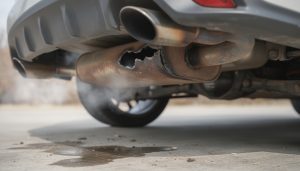
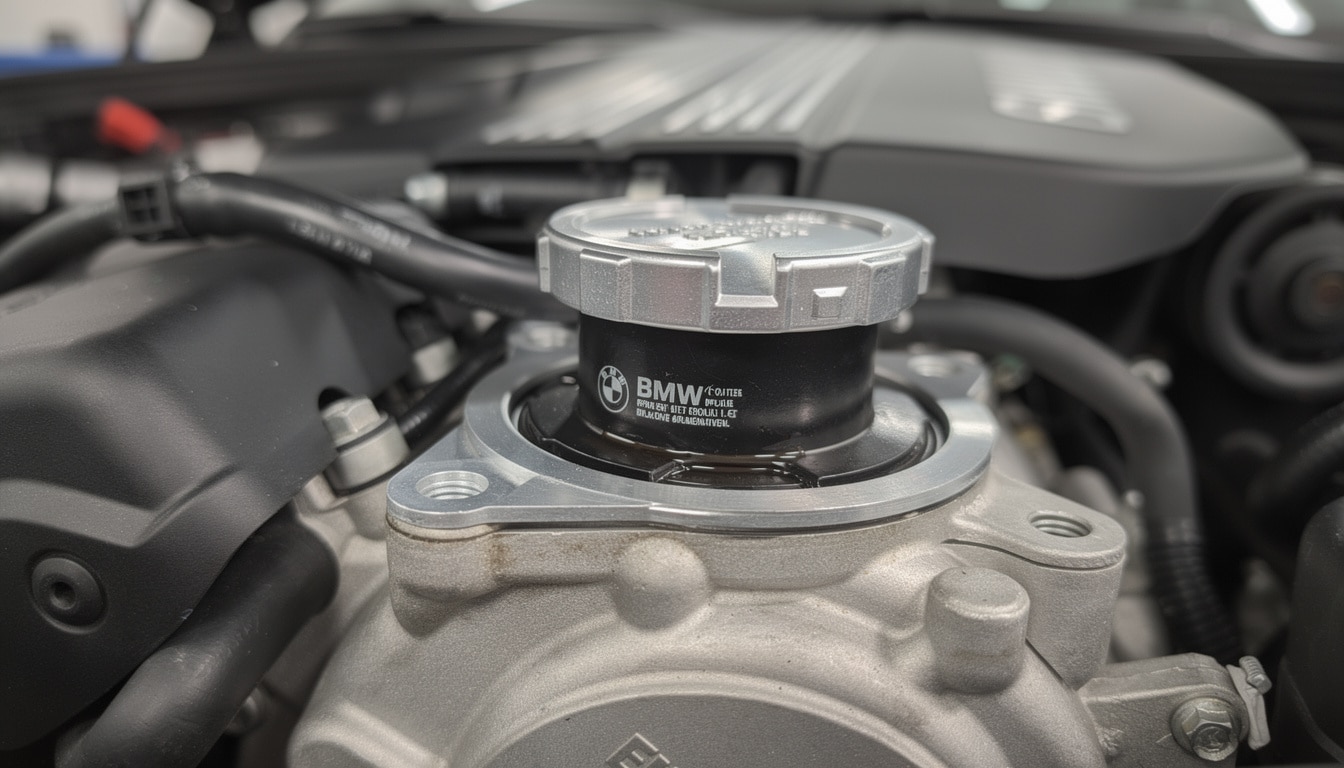
One of the most prevalent mechanical complaints revolves around the oil filter gasket leaks. This gasket, critical for sealing the oil filter housing, can degrade over time, leading to oil seepage. Unattended leaks not only lower oil levels, risking engine lubrication failure, but they can also cause severe engine damage. For owners, a routine inspection during scheduled maintenance coupled with timely gasket replacement can shield you from the steep expenses of engine overhauls or even complete engine replacement.
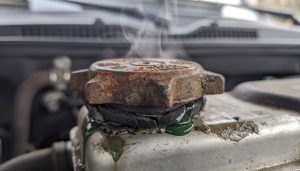
Another mechanical concern involves the fuel pump’s reliability. Failures here manifest as poor acceleration or even sudden stalling, a potentially hazardous sign if it happens during driving. Such failures are somewhat more frequent in older models, reminding all owners of the necessity for diligent fuel system checks. Overheating is an additional challenge noted in earlier BMW 7 Series cars, often triggered by defective thermostats or deteriorated rubber hoses. If left unchecked, overheating can escalate into head gasket failures or warped engine components.
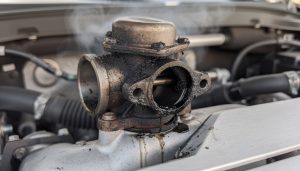
- Rough idling is another issue that frequently unsettles owners. It usually signals secondary problems such as carbon deposits on valves, vacuum leaks, or spark plug deterioration. Accurate diagnostic work by a professional mechanic is often required to eliminate the root cause.
- Transmission issues also occasionally arise, impacting the smoothness of gear shifts and overall drivability, making attentiveness to shifting behavior important for early detection.
💡 Expert Tip: Consistent oil changes with high-quality synthetic oils tailored for BMW engines can significantly reduce gasket wear and extend engine life.
Electrical Faults and iDrive System Challenges in the BMW 7 Series
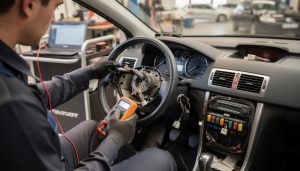
Beyond mechanics, the BMW 7 Series features a complex web of electronics, which, while innovative, introduce potential failure points. The proprietary iDrive system, lauded for integrating infotainment, navigation, and vehicle controls, often appears in owner complaints related to freezing screens, unresponsive controls, or spontaneous software crashes.
These glitches typically result from outdated software or occasional hardware wear. For minor interruptions, a soft reset—simulating a system “sleep” and reboot—can restore functionality. This involves locking the car and letting it sit for about 10 to 15 minutes before restarting. However, more persistent issues might necessitate performing a hard reset by holding down the volume/power button on the iDrive controller until the screen blacks out and restarts. Persistent problems warrant a thorough software update or evaluation by a BMW technician.
Camera systems integrated for parking assist and safety features occasionally display blurry or distorted visuals—a problem largely caused by dirt, moisture intrusion, or sensor faults. These electrical faults can impair the driver’s view and increase safety risks. While cleaning the lens often provides temporary relief, persistent fogging or freezing in colder climates remains a documented challenge that BMW has yet to fully resolve.
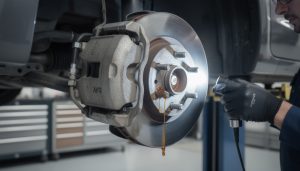
Some owners also report issues with central locking systems, often tied to worn actuators or wiring defects, which could compromise security and convenience. Electronic parking brakes, a modern convenience of the 7 Series, sometimes face operational failures due to motor or switch faults, underscoring the need for prompt repairs to maintain safety.
Finally, airbag warning lights might activate unexpectedly due to faulty sensors or wiring, a problem requiring immediate inspection to maintain the integrity of essential safety systems.

For deeper insights into related luxury car electronic concerns, understanding common faults in similar models like the BMW 3 Series can be remarkably informative.
Practical Maintenance Tips to Maximize BMW 7 Series Longevity
Longevity and reliability of a high-performance luxury car like the BMW 7 Series are tightly linked to proactive and precise maintenance. Ongoing costs, such as transmission issues and the upkeep of complex electronic systems, can escalate without routine attention.
Owners should adopt a meticulous maintenance schedule, focusing on high-stress components like brakes, suspension, and engine seals. Using genuine BMW parts wherever possible not only ensures compatibility but also preserves safety and performance standards. The availability of aftermarket alternatives online has improved repair flexibility, but diligence in part selection prevents premature failures.
Suspension problems can surface as the vehicle ages, reflected in uneven tire wear, handling inconsistencies, or uncomfortable rides. Early diagnosis allows for replacement or repair of worn bushings, shocks, and struts, offering better ride quality and component longevity.
Given that owners regularly face engine malfunctions and electronic repairs, documenting all maintenance and service interventions becomes crucial. This record not only aids in troubleshooting but also enhances the vehicle’s resale value.
| Maintenance Area | Common Issues | Recommended Action |
|---|---|---|
| Engine Oil & Gaskets | Oil filter gasket leaks | Routine oil changes and gasket inspection/replacement |
| Fuel System | Fuel pump failure, poor acceleration | Regular fuel system check and prompt replacement of faulty components |
| Electrical Systems | iDrive glitches, camera blurriness | Software updates, resets, lens cleaning or sensor checks |
| Brakes & Parking Brake | Parking brake engagement issues | Timely inspections and repairs of motor or switch |
| Suspension | Uneven wear, handling issues | Early diagnosis and replacement of shock absorbers and bushings |

Key Considerations When Purchasing a BMW 7 Series Used or New
Purchasing a BMW 7 Series, whether new or pre-owned, requires vigilance given its complex engineering and the reliability concerns attached to luxury sedans. One significant aspect is understanding how well the vehicle holds its value over time. Typically, the 7 Series undergoes steep depreciation in its initial years owing to its high purchase price coupled with ongoing maintenance costs. However, certain factors can improve resale value dramatically.
Vehicles equipped with popular features such as the M Sport package or the newest technology suites often retain value better, as they attract enthusiasts eager to enjoy top-tier performance and amenities. Age and mileage further affect pricing, with newer models and those with lower kilometers on the clock commanding higher demand.
Maintenance history plays a pivotal role in resale appeal. Cars with comprehensive service records, using genuine parts and timely repairs, especially for known issues like engine malfunctions or electrical faults, are more attractive to buyers.
While the 7 Series does depreciate faster than some competitors, it arguably offers unmatched luxury and driving dynamics in its class. For buyers evaluating alternatives, reviewing common problems across BMW lines, including the BMW M3 or the BMW 4 Series, can provide additional perspective on prospective ownership challenges.
💡 Expert Tip: When purchasing a used 7 Series, insist on a pre-purchase inspection by a BMW-certified mechanic to uncover potential hidden issues, especially those related to electronics and transmission.
In-Depth Insights into Owner Complaints and How to Address Them
Owner complaints are a valuable source of real-world insights into the BMW 7 Series’ reliability. Forums and owner groups frequently discuss persistent issues such as suspension problems, transmission hesitations, and recurring electronics failures. These shared experiences reveal patterns that might not always appear in official recall notices or dealership advisories.
One frequently noted complaint involves the suspension, particularly on models that have seen extended highway use or rough urban terrains. Worn components like control arm bushings or air suspension airbags often lead to uneven ride height, diminished handling, and increased tire wear. Addressing these issues proactively not only restores driving pleasure but also prevents secondary damages to tires and chassis.
Transmission-related complaints often focus on delayed or jerky gear changes, which point to potential issues with the transmission control module or wear in the mechanical components. Early diagnosis and transmission servicing are critical to avoiding full replacement, which is often a major expense on high-performance sedans.
Electronic glitches, particularly with the iDrive system and door lock modules, remain a source of frustration for owners. While software fixes help, some users have reported requiring component swaps after multiple resets. In such cases, turning to certified BMW service centers is advisable, ensuring parts authenticity and proper diagnostics.
Understanding these complaints, paired with timely preventative actions, offers BMW 7 Series owners a better ownership experience and fewer unexpected expenses.
For a wider comparison on common issues in premium sedans, exploring reliability reviews of models like the Volvo S60 can reveal commonalities in high-end car maintenance challenges.
What are the signs of a failing fuel pump in the BMW 7 Series?
Symptoms include poor acceleration, engine stalling, or difficulty starting the car, often requiring a fuel system inspection or pump replacement.
How can I troubleshoot iDrive system glitches?
Try a soft reset by letting the car sleep for 10-15 minutes, or perform a hard reset by holding down the volume/power button until the screen restarts. Persistent issues may require software updates or professional servicing.
Does replacing the oil filter gasket frequently prevent engine damage?
Yes, regular inspection and replacement of the oil filter gasket prevent leaks that can cause severe engine damage over time.
Are electronic parking brake failures common in the BMW 7 Series?
While not ubiquitous, electronic parking brake failures can occur due to motor or switch faults and should be repaired promptly for safety.
Is the BMW 7 Series a good investment despite depreciation?
Though it depreciates faster than some luxury sedans, well-maintained models retain value due to their performance, technology, and brand prestige.