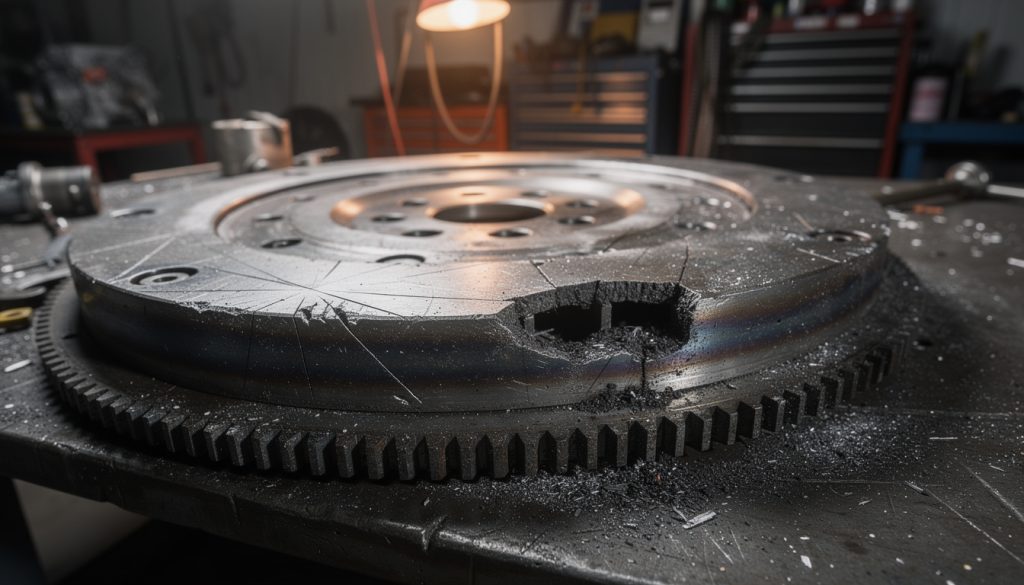
Your vehicle’s flywheel is a *fundamental component* that quietly powers the seamless interaction between your engine and transmission. Positioned firmly at the rear of the crankshaft, this heavy metal disc plays a crucial role in ensuring smooth engine starts, steady idling, and flawless gear shifts. Despite its vital function, the flywheel is often overlooked during routine car maintenance until symptoms of failure emerge. Recognizing these signs early can save you from expensive vehicle repair and avoid cascading mechanical problems involving the clutch and transmission.
Whether your car sports a single mass or a more sophisticated dual mass flywheel system, understanding the workings and woes of this part is essential. The dual mass flywheel, with its separate discs and spring system, is especially designed to absorb engine vibrations, protecting your gearbox and optimizing car performance. Since the introduction of dual mass flywheels by manufacturers like BMW, these components have become standard in modern manual transmissions. But with complexity comes a higher chance of wear and failure.
In this article, I guide you through the *seven clear warning signs* that indicate your flywheel might be in trouble, explain the common causes behind such issues, and provide practical advice on whether it’s safe to drive with a bad flywheel. By paying close attention to these symptoms and acting promptly, you can ensure your vehicle remains reliable and safe on the road.
Key Takeaways:
- The flywheel is crucial for smooth engine starts, idling, and gear changes.
- Common signs of flywheel trouble include burning smells, gear difficulties, slipping, and vibrations.
- Neglected flywheel issues can cause severe damage to the clutch and gearbox.
- Poor driving habits and overheating are primary causes of flywheel damage.
- Prompt diagnosis and professional inspection are essential to prevent costly repairs.
7 Clear Warning Signs Your Car’s Flywheel is Failing
Spotting the early symptoms of a faulty flywheel can seem challenging since this component is housed deep within your engine assembly. However, certain unmistakable signs often surface during your usual driving routine, offering crucial clues to impending flywheel failure.
Burning Smell – The Scent of Overheated Friction
A persistent burning smell emanating from under your vehicle is often the first visible symptom. This odor usually results from excessive heat buildup caused by the flywheel’s defective interaction with the clutch. When a flywheel warps or develops irregular surfaces, it generates too much friction, which wears down the clutch plate prematurely. Ignoring this smell for too long can cause your clutch to fail entirely, leading to halted driving ability and hefty repair bills.
Difficulty Shifting Gears – Your Transmission’s SOS
If you find shifting gears unusually tough or grinding when trying to change speed, this is a glaring indication of flywheel trouble. The flywheel must rotate smoothly to engage the clutch effectively. Any distortion or damage to its surface disrupts this process, resulting in stiff or jerky gear engagement. Drivers often report needing to use more force to change gears or feeling unusual resistance in the gear stick. This issue not only compromises car performance but also indicates the flywheel may be in deep trouble.
Slipping Gears – Engine Speed vs. Road Speed Discrepancy
Have you ever noticed your engine revving higher without a corresponding increase in vehicle speed? This happens when your gears slip due to the flywheel failing to grip the clutch properly. Causes range from flywheel warping to surface glazing caused by oil contamination. Even if this slipping appears momentarily, it can severely damage clutch components over time. It’s a warning you can’t afford to overlook.
Vibrating Clutch Pedal and Vehicle – The Tell-tale Shakes
Another striking symptom of flywheel problems is uneasy vibrations felt through the clutch pedal or even the vehicle floor. One of the flywheel’s essential roles is to neutralize engine vibrations, ensuring smooth operation. A deteriorating flywheel loses this ability, transmitting vibrations instead. Persistent shaking or chatter in the clutch pedal often signals the flywheel needs immediate replacement to prevent further drivetrain damage.
Engine Shakes – When Vibrations Spread Across Your Powertrain
In more severe cases, a faulty flywheel causes the entire engine to vibrate noticeably. This can severely affect your driving comfort and might even lead to safety risks if the flywheel’s balancing bolts loosen. Since flywheels store substantial rotational energy, improper torque specifications during maintenance can aggravate these issues. An unbalanced flywheel shaking your engine is a red flag that should trigger urgent professional inspection.
Clutch Drag – Stuck Between Gears
If your clutch refuses to disengage fully, leading to difficult starts, creeping movements when idle, or sudden stalling, the culprit may well be a warped flywheel. This problem, known as clutch drag, occurs when the flywheel surface is damaged and does not release the clutch correctly. This issue can also set off a chain reaction of clutch component wear and result in higher repair costs if left unattended.
Hard Starts or Stalling – Power Transfer Interrupted
A malfunctioning flywheel impacts the crucial moment your engine gets going. Its rim teeth engage with the starter motor to spin the engine initially, while stored rotational energy smooths out engine speed as it fires up. If the flywheel loses momentum due to damage or wear, your car may stall or experience hard starts repeatedly. This symptom clearly signals that immediate repairs are necessary to avoid unexpected breakdowns.
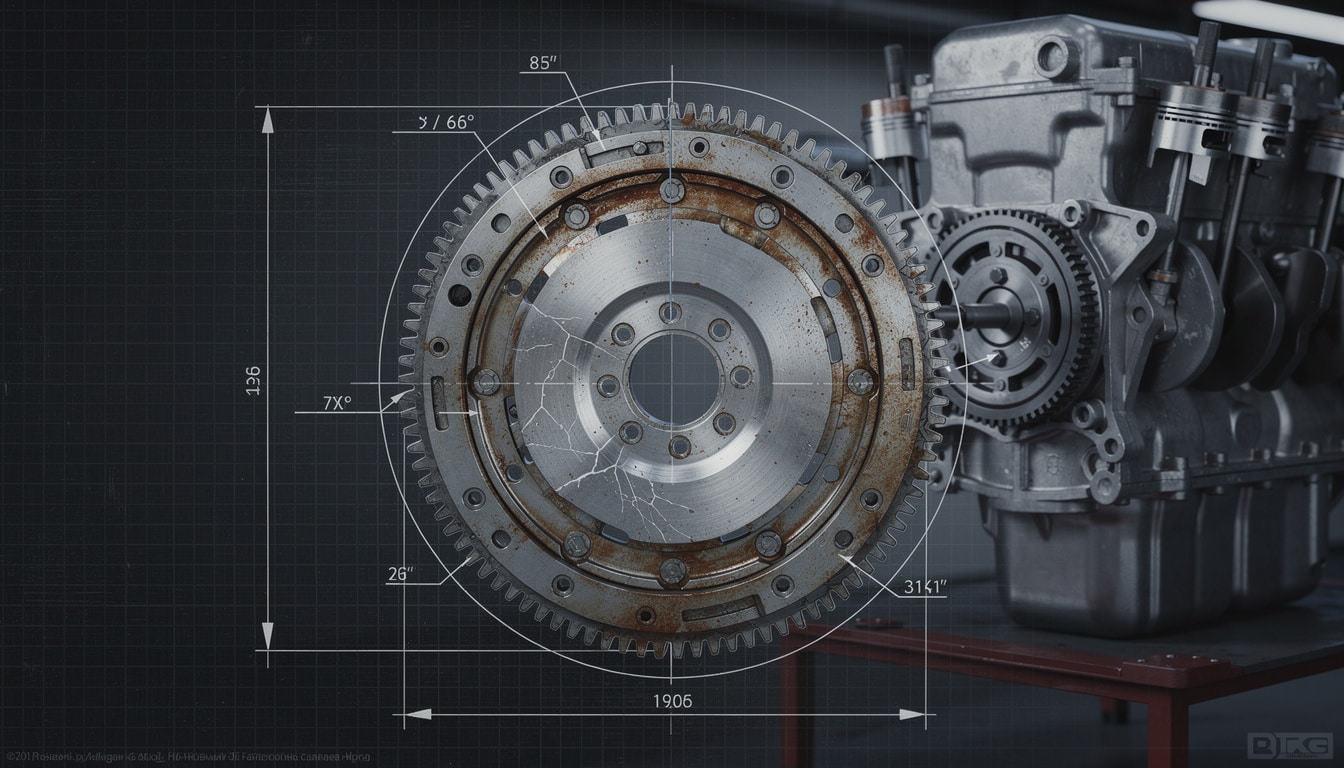
Understanding the Underlying Causes of Flywheel Damage
Pinpointing what leads to flywheel damage is just as crucial as identifying the symptoms. Most faults tie back to maintenance practices, driving styles, and heat-related stresses.
Poor Maintenance Practices and Installation Errors
Proper installation and upkeep are cornerstones of flywheel health. Overlooking clutch issues or failing to torque bolts to precise specifications during replacements can destabilize the flywheel assembly. For example, clutch master cylinder signs often precede flywheel troubles, highlighting how interconnected these systems are. Ensuring that every component is balanced reduces vibrational stress and prolongs your flywheel’s life.
Overheating Due to Excessive Friction
When a clutch slips excessively, it generates intense heat that can warp or crack your flywheel’s surface. This overheating diminishes the metal’s hardness and alters its geometry, sabotaging smooth clutch engagement. Recognizing early symptoms like burning smells or clutch chatter helps prevent this destructive overheating process.
Driving Habits That Accelerate Wear
Finally, driving style significantly impacts flywheel longevity. Riding the clutch, hauling loads beyond your vehicle’s limits, or shifting improperly—such as engaging reverse or first gear while stationary with the engine off—creates undue stress. Many drivers are unaware that these actions contribute to flywheel and clutch degradation. By modifying these habits, you can extend your car’s mechanical lifespan.
Is It Safe to Drive with a Bad Flywheel? Practical Advice on Driving and Diagnosis
While technically feasible, continuing to drive with a failing flywheel is highly inadvisable. The flywheel’s function in smoothing out power transfer is pivotal; a compromised unit can mean rough gear changes, accelerated clutch wear, and even engine issues. Delaying repairs could escalate your problem into a costly overhaul affecting the crankshaft and transmission components.
If you suspect an issue but are uncertain, prompt auto diagnostics by a trusted mechanic is your best course of action. A thorough inspection can assess the flywheel’s condition, determine associated clutch or drivetrain damage, and advise if a replacement is urgent. Early action not only preserves vehicle safety but also saves you substantial expenditures in the long term.
For vehicle owners eager to delve deeper into related clutch problems and don’t want to face unexpected repair costs, exploring common symptoms of clutch failure is insightful. Check out detailed articles such as Nissan GTR common issues for examples of how clutch and flywheel problems manifest in specific models.

Practical Tips to Minimize Flywheel Damage: Proactive Car Maintenance
Taking proactive steps to protect your flywheel can yield significant improvements in both car reliability and the longevity of your clutch system. Here are some actionable maintenance tips that I recommend:
- Regular clutch system inspections: These can catch subtle warning signs before they escalate, such as minor clutch slippage or early pedal vibration.
- Torque specifications compliance: Make sure all flywheel and related parts are tightened following manufacturer guidelines during service.
- Adopting smooth driving habits: Avoid riding the clutch, harsh gear shifts, or excessive towing that puts strain on the flywheel.
- Address overheating symptoms early: A burning smell is a clear indicator to seek immediate mechanical attention.
- Professional diagnosis: Utilize auto diagnostics regularly if your car exhibits any engine issues or mechanical shifts linked to powertrain performance.
💡 Expert Tip: When replacing a clutch, always have a professional check the flywheel surface for warping or scoring. This small inspection can prevent clutch drag and prolong the lifespan of your entire powertrain.
| Warning Sign | Cause | Recommended Action | Potential Risk if Ignored |
|---|---|---|---|
| Burning smell | Clutch plate wear from flywheel friction | Check clutch and flywheel, replace if warped | Clutch failure, costly repair |
| Difficulty changing gears | Flywheel surface damage | Professional inspection & flywheel replacement | Transmission damage, unsafe driving |
| Gear slippage | Flywheel warping or oil contamination | Repair flywheel & clutch as needed | Clutch wear, reduced control |
| Clutch pedal vibration | Flywheel failing to absorb vibrations | Replace flywheel to avoid damage | Drivetrain damage |
| Engine vibrations | Unbalanced or loose flywheel | Retorque bolts & balance flywheel | Safety risk, engine damage |
| Clutch drag | Warped flywheel surface | Flywheel resurfacing or replacement | Hard starts, stalling |
| Hard starts or stalling | Flywheel momentum loss | Inspect & replace flywheel as needed | Unexpected breakdowns |

How often should I check my flywheel for issues?
It’s recommended to have your flywheel inspected during any clutch service, typically every 60,000 to 100,000 miles, or sooner if you notice symptoms like vibration or slipping. Regular inspections help catch problems early.
Can a damaged flywheel damage my engine?
Yes, a severely damaged flywheel can cause vibrations that impact engine components and cause misalignment, leading to broader engine issues.
Is it expensive to replace a flywheel?
Replacing a flywheel can be costly due to labor intensity since the transmission must be removed. Parts costs vary based on flywheel type, but early diagnosis reduces overall repair expenses.
What’s the difference between a single mass and dual mass flywheel?
A single mass flywheel is one solid disc, while a dual mass flywheel consists of two discs with springs in between to absorb vibrations, offering smoother performance and reduced gearbox stress.
Can driving habits really extend flywheel life?
Absolutely. Avoiding riding the clutch, harsh gear changes, and overheating can significantly minimize flywheel wear and prolong its functional lifespan.