Hearing a car squealing can instantly raise alarms for any driver. This noise often signals underlying car issues ranging from minor annoyances to critical safety concerns. The challenge lies in identifying the exact cause promptly so you can avoid costly repairs or potential hazards on the road. Various systems and components like belts, brakes, and bearings are common culprits behind squealing sounds. Understanding the root causes helps inform timely car maintenance and necessary car repair actions for your vehicle’s wellbeing.
Key Takeaways :
- Brake pads often emit squealing to warn they need replacement.
- Low fluid or worn components in the power steering system can cause squeals during steering.
- Damaged wheel bearings or suspension parts may create persistent squeaking sounds that affect vehicle safety.
- Delaying repairs after hearing squealing risks more expensive damages and compromised vehicle safety.
Understanding Why Your Car Squeals: Top Causes and Their Meaning
When your car starts making a squealing sound, the first step is pinpointing its source. A high-pitched squeal can come from several mechanical systems under the hood or near the wheels. For example, worn belts such as the serpentine or timing belt often produce this noise as they slip or age. The cambelt plays a vital role synchronizing engine components, so a squealing timing belt signals urgent attention.
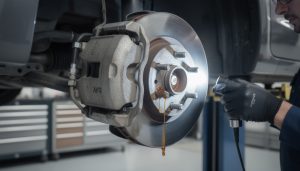
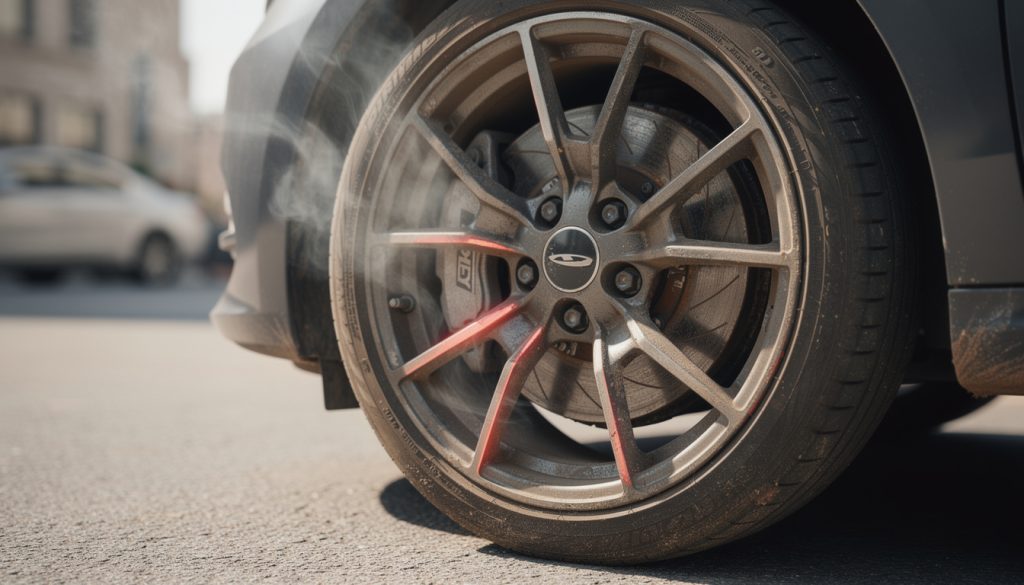
The brake system is a frequent source of squeals. Modern brake pads are intentionally designed with a small built-in indicator that makes a squealing noise when the pad is nearing the end of its life. This feature serves as an audio alert to get the brake pads changed before the discs incur damage. On the other hand, the noise might be caused by debris trapped between the pad and disc, which is a simple fix once identified.
Another common origin lies within the power steering system. Components like the steering pump, hoses, or gear may develop issues resulting in squealing, especially noticeable when turning the wheel fully in one direction. Often, this relates to low power steering fluid levels or fluid contamination. Ignoring this can worsen wear on essential steering parts and even lead to steering failure.
Suspension components also can squeal when lubrication is lost or parts like bushings and ball joints wear out. At higher wear levels, suspension squeaking affects ride quality and handling stability. Lastly, key rotating parts like the water pump pulley or alternator pulley can emit persistent squealing sounds due to bearing failure or belt slippage, which could directly impact engine cooling or charging systems.
Recognizing these symptoms early allows owners to diagnose problems before a small issue inflates into a major and costly car repair. Effective automotive troubleshooting starts with understanding which part is producing the sound and its seriousness related to vehicle safety and performance.
Brake Noise and Safety: Know When Your Vehicle Needs Service
Nothing says urgency like your brakes squealing to alert you to immediate service needs. In 2026, brake pads remain the number one trigger for brake noise in vehicles. This is by design: manufacturers include wear indicators that produce a squealing sound as the pad material thins down.
Ignoring these auditory warnings puts your entire braking system at risk. Driving on worn brake pads causes fast deterioration of brake discs, escalating car repair costs from roughly $150-$300 for pad replacement alone to upwards of $500-$700 if discs require resurfacing or replacement.
Additionally, squealing noises may indicate brake contamination from dust, dirt, or small stones caught between the pad and the rotor. This type of noise is usually intermittent and less harsh but still demands a brake check during routine car maintenance.
Many vehicles today come equipped with dashboard warning lights that indicate brake system problems or wear sensor alerts, which can aid in early detection. But, sound is still the quickest sign drivers notice. It’s wise to perform regular brake inspections every 10,000-15,000 miles and whenever unusual noises occur.
Proper brake upkeep is essential for vehicle safety, especially as brake failure risks accidents. If your brakes squeal even lightly, book a professional mechanic examination right away to avoid further damage or dangerous driving conditions.
Checklist for Brake-Related Squealing Noise
- Check brake pad thickness visually or via sensor alerts.
- Look for trapped debris between pads and rotors.
- Inspect brake fluid level and quality.
- Listen for changes in squealing under different conditions (braking intensity, road surface).
- Schedule immediate replacement if pads are below recommended thickness.
Power Steering and Belt Issues: Diagnosing Squealing Sounds Under the Hood
A significant portion of car squealing problems originates from the engine bay, especially from belts and power steering components. The alternator pulley, timing belt, and water pump pulley regularly suffer wear and pulley bearing degradation that generates high-pitched squeals.
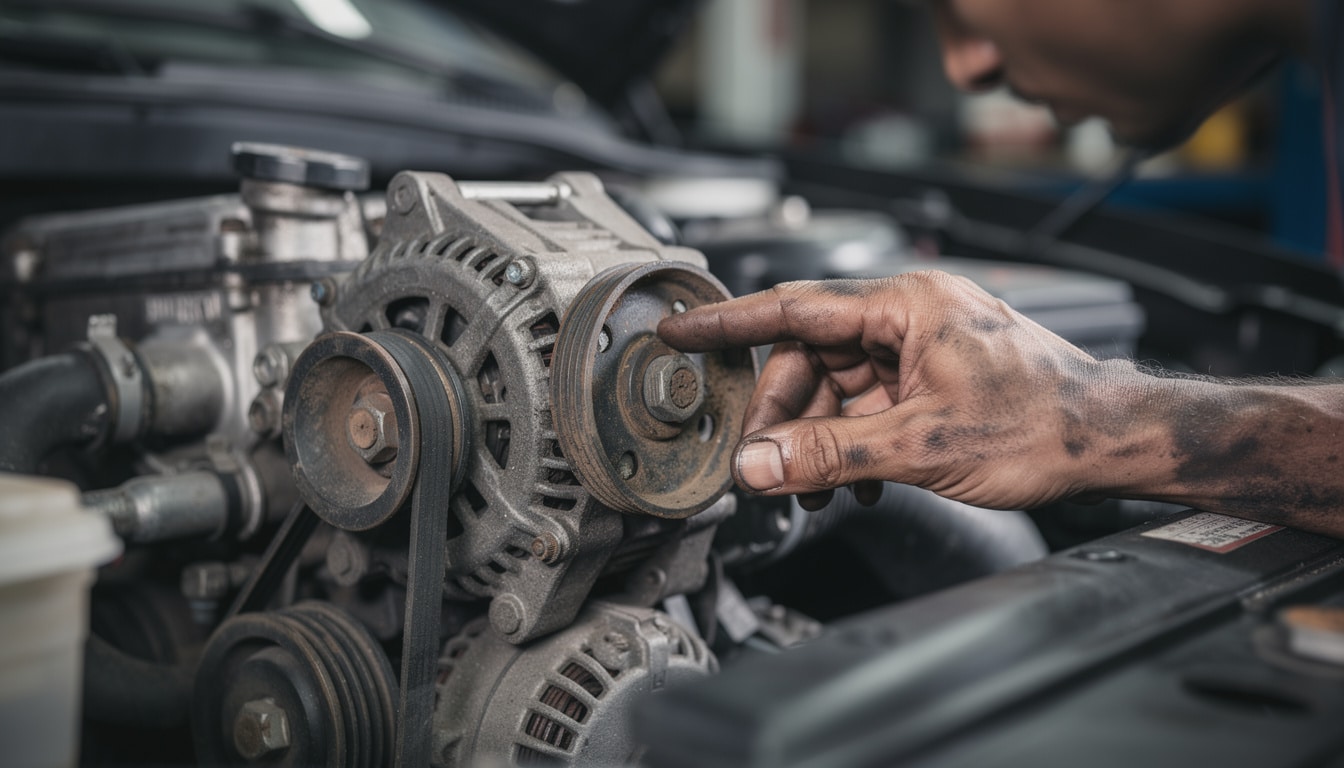
The alternator assembly’s pulley can emit a sharp squealing as its bearings wear out or if the belt slips due to loosening or damage. In 2026, alternator belts typically last around seven years but may need earlier replacement depending on usage. A burning smell or dashboard warning light alongside noise strongly suggests alternator pulley or belt issues. For more detailed symptoms on alternator belt troubles, visit this resource.
Similarly, the timing belt or cambelt tightly coordinates engine timing between the crankshaft and camshaft. A loose or worn timing belt squeals prominently under acceleration and requires immediate replacement to prevent catastrophic engine damage. The cost of ignoring timing belt wear can escalate past $1,000 from engine repairs, making preventive maintenance crucial. For signs warning of timing belt failure, see this guide.
Power steering-related squealing often spikes during sharp turns due to increased load. Low or dirty power steering fluid increases friction in the pump, causing belt slippage and resulting squealing. Replacing fluid and inspecting or replacing worn hoses and pump components is the proper course of action. Ball joint wear can also mimic power steering squeals but requires separate suspension system attention.
- Inspect belts for cracks, fraying, or looseness.
- Monitor for fluid leaks or discoloration around power steering hoses.
- Test fluid top-up to assess if squealing diminishes.
- Replace worn components promptly to maintain steering smoothness and avoid breakdowns.

Suspension, Wheel Bearings, and Tyre Causes of Persistent Squealing During Driving
Beyond the engine and brake system, suspension and wheel components frequently contribute to ongoing squealing, especially noticeable when driving over bumps or turning corners. Shock absorbers, springs, ball joints, and bushings degrade with use and environmental effects, losing lubrication or developing cracks that create squeaks and squeals.
Wheel bearings perform the critical function of smooth wheel rotation with minimal friction. As bearings wear, they begin producing a steady squeal or grinding noise that grows louder with speed. Ignoring wheel bearing failure is unsafe because complete bearing failure can seize the wheel, causing accidents at high speed.
Tyres also produce squealing noises under certain conditions. Improper tyre pressures—either too high or low—increase tread wear and induce odd noises. Poor wheel alignment, where the car pulls to one side despite straight steering input, often accompanies squealing. Uneven tyre wear patterns support this diagnosis and require realignment or tyre replacement.
| Component | Typical Squealing Cause | Recommended Action | Estimated Repair Cost |
|---|---|---|---|
| Suspension (bushings, ball joints) | Dry joints, worn components | Lubricate or replace parts | $150 – $400 |
| Wheel Bearings | Worn bearings causing friction | Replace bearings | $200 – $500 |
| Tyres | Incorrect pressure or alignment | Adjust pressure, realign wheels | $50 – $150 |
The accumulated wear and tear on these parts highlights the importance of comprehensive car maintenance schedules and quick responses to unfamiliar noises. Vehicle owners should include suspension checks and tyre pressure monitoring every few weeks to prevent unexpected issues.

Proactive Checks and When to Visit the Mechanic to Fix Squealing Sounds
Responding effectively to car squealing requires a combination of vigilant observation and periodic system checks. Prioritize listening carefully to when the squeal happens: at start-up, acceleration, braking, or turning. Match those symptoms against potential causes outlined in this article.
Basic DIY checks can include:
- Visual inspection of belts for visible damage or looseness.
- Checking brake pads for wear thickness or debris removal.
- Power steering fluid level verification and topping off as needed.
- Listening for how noise changes with speed or steering angle.
- Monitoring dashboard warning lights related to brakes or engine components.
If problems persist beyond these steps or you notice symptoms like burning smells, persistent warning lights, difficulty steering, or reduced braking efficiency, consult a professional mechanic without delay. Timely diagnosis and repair protect your car’s longevity and improve vehicle safety.
Regular servicing, ideally every 15,000 miles, aids in catching early car warning signs. Different car makes have varied sensitivities to squealing issues; for instance, drivers of certain BMW models or Nissan GTR owners may encounter specific punctuated problems linked to belts or suspension.
💡 Expert Tip: At the first hint of a new squealing sound, don't delay the inspection. Early intervention can prevent a minor job from evolving into an expensive repair.
Is it safe to drive with a squealing noise?
Driving with a squealing noise isn’t recommended, especially if it relates to brakes or wheel bearings, as it can compromise safety and worsen the damage. Get it checked immediately.
How often should I check my brake pads to avoid squealing?
Brake pads should be inspected during every oil change or at least every 10,000 to 15,000 miles to detect wear early and avoid brake noise.
Can low power steering fluid cause a squealing sound?
Yes, low or contaminated power steering fluid often leads to pump noise and squealing when turning sharply, so maintaining fluid levels is critical.
What are the risks of ignoring a squealing timing belt?
Ignoring a squealing timing belt can lead to belt failure, causing engine damage that may cost over $1,000 to repair. Regular replacement is vital.
How do I distinguish between belt and brake squealing noises?
Belt squealing usually occurs during engine start or acceleration, while brake squealing arises when applying the brakes. Listening carefully can help you identify the source.