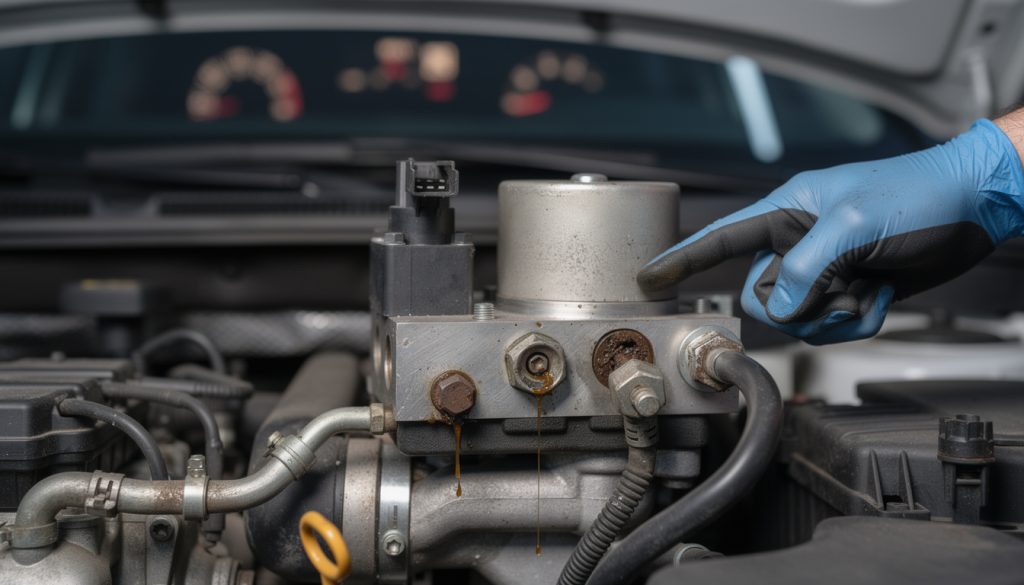
The Anti-lock Braking System (ABS) pump is a critical component in modern vehicles, designed to enhance safety by preventing wheel lock-up during braking. However, when this part malfunctions, it can seriously compromise vehicle control and safety. Failure to recognize the warning signals of a faulty ABS pump can lead to dangerous driving conditions, especially on slippery or uneven surfaces. Understanding these signs early is essential for timely repairs and maintaining optimal performance on the road.
Key Takeaways :
- ABS pump malfunctions cause reduced braking performance and increased stopping distances.
- Warning lights on the dashboard, particularly the ABS light, are often the first alert.
- Symptoms include a hard brake pedal, unusual noises, and brakes locking unexpectedly.
- Immediate professional assessment and repair minimize risks and costly damages.
- Repair costs vary between $500 and $2000 depending on vehicle make and labor.
Recognizing the Most Common Warning Signals of a Malfunctioning ABS Pump
The ABS pump plays a vital role in preventing wheel lock-up during intense braking, allowing drivers to maintain control on slippery or uneven roads. When this pump begins to fail, certain warning signals become apparent.
First and foremost is the illumination of the ABS warning light on your dashboard. This orange or amber light typically appears with an “ABS” marker. In many newer models, this light is dedicated, while older vehicles might use the generic check engine light to indicate ABS-related issues. Ignoring this light increases the risk of brake failure during critical moments.
Another key symptom is a brake pedal that feels unusually hard to press. The ABS pump helps modulate brake pressure, allowing the pedal to engage effortlessly. When the pump falters, you may notice a need to apply greater force for standard braking, or the pedal may feel unresponsive. In some cases, it may even require pumping the pedal to achieve a stopping effect.
Unexpected noises, such as clicking or unusual vibrations coming from the braking system, often accompany ABS pump problems. These sounds are typically related to the system attempting to operate with compromised hydraulic pressure. Drivers may also experience the brakes locking up during regular driving conditions – a clear violation of the ABS’s fundamental purpose.
In rare instances, ABS pump malfunctions can affect other instrument readings, such as causing inaccuracies or sudden failures in the speedometer. Since ABS sensors monitor wheel speeds, this can feed incorrect data to the vehicle’s speedometer circuit, causing confusion and masking critical speed information.
To quickly summarize, here are key signs that your ABS pump may be malfunctioning:
- ABS warning light activated on the dashboard
- Hard or unresponsive brake pedal requiring increased force
- Unusual noises such as clicking or whirring during braking
- Brakes locking up unexpectedly under normal braking
- Erratic speedometer readings or total failure
Failing to act on these warning signals can significantly increase the risk of accidents stemming from reduced braking efficiency, especially during slippery road conditions or emergency stops.
Detailed Explanation of How ABS Pump Malfunctions Affect Vehicle Safety and Performance
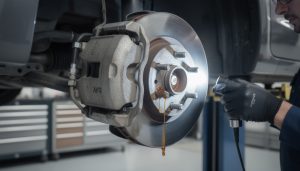
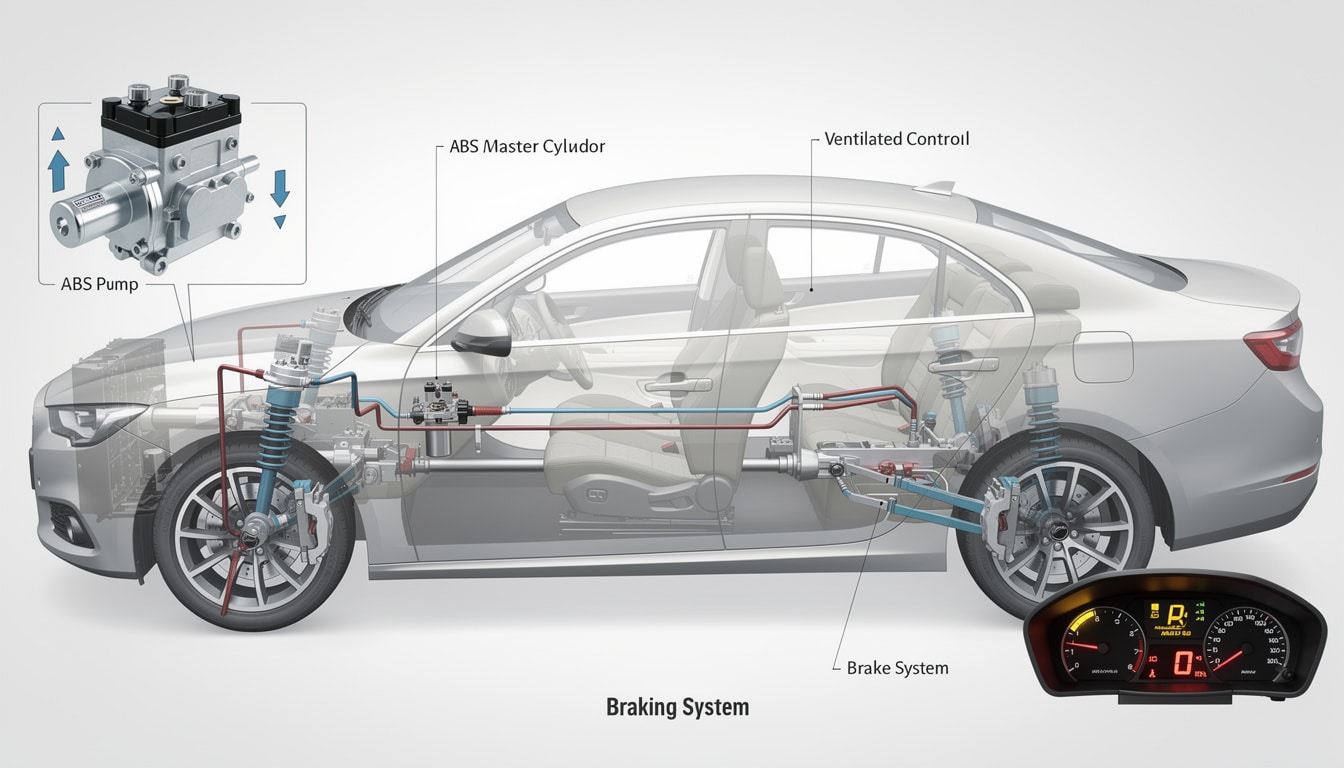
The ABS pump is part of a sophisticated system designed to maintain tire grip by preventing the wheels from locking when braking hard. It works in conjunction with sensors that monitor the rotational speed of each wheel. When wheel lock-up is detected, the ABS pump modulates hydraulic pressure to each brake caliper, applying and releasing brakes rapidly to maintain traction.
When the pump malfunctions, it either fails to adjust hydraulic pressure or operates inconsistently. This causes friction irregularities — notably, wheels may suddenly lock or slip. The loss of control can lead to hydroplaning on wet roads or skidding on icy or muddy surfaces.
Reduction in braking efficiency is especially dangerous for vehicles traveling at high speeds or on roads with poor traction. Many drivers associate brake problems with simple brake pad wear, but a malfunctioning ABS pump can cause unexpected and dangerous braking behavior that standard brake maintenance cannot fix.
Operating a car with a faulty ABS pump also increases wear and tear on other braking components. The added strain causes premature failure of calipers, brake lines, and pads. This extends repair costs dramatically if left unchecked.
Considering this, the urgency of an early diagnosis cannot be overstated. Regular maintenance checks, especially after seeing warning signals, help preserve not just the ABS pump but the entire braking system’s integrity.
For those driving models known to have frequent ABS pump issues, such as certain variants discussed in BMW M3 common problems or Jaguar X-Type reliability reports, these symptoms should warrant immediate inspection.
How to Perform Basic Checks and Diagnose ABS Pump Problems at Home
You don’t always need to visit a professional immediately if you notice minor symptoms. Several simple diagnostics can help confirm suspicions about your ABS pump:
- Check the dashboard warning lights: If the ABS light comes on and stays lit after starting the vehicle, this confirms a system fault.
- Monitor brake pedal responsiveness: Press the brake pedal during a safe drive. Feel for any hardened resistance or delays in braking response.
- Listen for unusual noises: Pay attention during braking. Clicking or buzzing sounds from the pump could indicate a malfunction.
- Test for wheel lock-up: In a controlled environment, apply the brake firmly and check if any wheel locks up, potentially indicating ABS pump failure.
- Inspect ABS fuses and wiring: Sometimes electrical issues cause pump malfunctions. A quick fuse check can identify a blown fuse related to the ABS system.
While these checks provide initial insight, an OBD-II scanner is recommended to read specific ABS trouble codes, offering precise diagnostics for pump or module issues.

💡 Expert Tip: Always prioritize vehicle safety. If you detect any warning signals related to your ABS pump, schedule professional diagnostic testing instead of delaying repairs.
Understanding Repair Options, Costs, and Risks When Dealing with a Faulty ABS Pump
Repairing or replacing an ABS pump generally involves professional intervention due to the complex hydraulic and electronic systems involved. Costs can vary significantly based on vehicle make, model, and location, generally ranging from $500 to $2000 including parts and labor.
Common repair options include:
- Full ABS pump replacement: Recommended if the pump is severely damaged or nonfunctional. This restores system reliability and safety.
- ABS module repair or reprogramming: In some cases, the ABS control unit or module is at fault. Repairing electronic components is an alternative to replacing the pump fully.
- Hydraulic system flush and inspection: Removing air or moisture from the brake lines to ensure proper hydraulic operation.
Ignoring ABS malfunctions can lead to serious safety hazards such as increased stopping distance, brake locking, and loss of vehicle control. This not only raises accident risk but also leads to further damage to brake components.
After repairs, a thorough system test and calibration ensure that the ABS pump functions as intended.
Zooming in on the financial aspect, the variation in costs is influenced by:
| Cost Factor | Typical Impact |
|---|---|
| Vehicle Make and Model | Luxury or sports cars (like BMW or Jaguar) have more expensive parts and labor rates. |
| Location of Repair Shop | Urban areas often have higher labor rates than rural areas. |
| Extent of ABS System Damage | Additional repairs beyond the pump increase total expenses. |
| Use of OEM vs. Aftermarket Parts | OEM parts typically cost more but ensure compatibility and reliability. |
For drivers interested in DIY repairs, detailed guides on how to replace an ABS pump are available but require advanced mechanical skills and proper tools.
Preventive Measures and Long-Term Maintenance to Avoid ABS Pump Failures
Prevention is always better than cure, especially when it comes to crucial braking components like the ABS pump. Routine maintenance and responsible driving habits can considerably extend the lifespan of the pump and related systems.
Key preventive strategies include:
- Regular brake system inspections: Schedule checks at least annually or according to manufacturer guidelines. This includes hydraulic fluid level and quality checks.
- Immediate attention to warning lights: Never ignore ABS or brake warnings on your dashboard. Early diagnosis avoids extensive repairs.
- Hydraulic fluid maintenance: Replace brake fluid periodically to avoid contamination, which can cause pump corrosion or failure.
- Safe driving practices: Avoid sudden hard braking unless necessary, reducing stress on ABS components.
- Keep sensors and wiring clean: Dirt, corrosion, or damage to wheel sensors can cause ABS malfunctions that strain the pump.
Such maintenance not only prevents failures but improves overall vehicle braking efficiency, ensuring safety at all times.
For more insight into common automotive issues and preventive care, drivers can explore additional resources on Toyota Corolla issues, which discuss how routine maintenance impacts vehicle longevity.
💡 Expert Tip: If your vehicle tends to experience muscle cramps, pain, or fatigue due to poor braking responsiveness causing sudden stops, addressing ABS pump issues promptly drastically improves injury prevention for both drivers and passengers.
What happens if I ignore ABS pump warning signals?
Ignoring these signals can lead to brake failure, increased stopping distances, and higher accident risk, especially on slippery or uneven roads.
Can I drive safely with a malfunctioning ABS pump?
While the vehicle may brake without ABS assistance, driving becomes riskier in emergency or slippery conditions. It’s best to repair immediately.
How much does it cost to replace an ABS pump?
Costs vary between $500 and $2000 depending on vehicle model and labor, with luxury cars generally on the higher end.
Are ABS warning lights always reliable indicators?
Mostly yes, but sometimes sensor or wiring issues cause false warnings. Professional diagnostics confirm true ABS pump malfunctions.
Can I diagnose ABS pump issues without special tools?
Basic symptoms like brake pedal feel and warning lights are noticeable, but an OBD-II scanner provides precise fault codes for accurate diagnosis.