The sudden glow of the check engine light on your dashboard can spark immediate concern and confusion. Whether it’s your daily driver or a weekend cruiser, seeing this warning indicates your vehicle’s onboard diagnostics have detected a problem. While it might be as simple as a loose gas cap, it could also signal more complex engine problems or issues with critical vehicle sensors. Understanding the range of potential causes and knowing what steps to take next is crucial to avoid costly repairs and ensure your car remains reliable and safe to drive.
Knowing what triggers the check engine light helps you navigate the technical landscape of your car’s emission system and engine management. From oxygen sensors regulating your air-fuel mixture to the catalytic converter filtering harmful gases, each component plays a vital role. Ignoring this signal risks not only your car’s performance but also increases emissions and could ultimately lead to engine damage. This comprehensive guide dives deep into the common reasons this warning appears, how professionals diagnose these fault codes, and practical advice on safe driving and repair options.
Key Takeaways:
- The check engine light signals detected problems in engine management, emissions, or sensor systems.
- Flashing lights usually indicate serious issues like engine misfires, requiring immediate attention.
- Common causes include faulty oxygen sensors, catalytic converter problems, and mass airflow sensor failures.
- Driving with a lit check engine light can be risky, but severity depends on the underlying fault.
- Professional car diagnostics via OBD-II scanners pinpoint fault codes to guide repairs.
What Does the Check Engine Light Really Mean for Your Vehicle?
The check engine light is a universal symbol that tells you something under your car’s hood isn’t quite right. It is part of the car’s emission system monitoring and signals when the engine control unit (ECU) detects a malfunction impacting engine performance or emission levels.
Sometimes the light comes on steadily, indicating a persistent fault, or it might flash, signaling urgent mechanical issues. In other cases, you might notice it flickering while your engine is idling roughly. Each behavior provides clues about the nature of the problem. For example, a steady glow might be due to a sensor reading outside normal ranges, whereas a flashing light often relates to engine misfires that could damage the catalytic converter if ignored.
It’s critical to understand that the check engine light is not just a simple dashboard curiosity. Instead, it’s a sophisticated alert system connected to your vehicle’s emission controls, onboard sensors, and engine operation. This alert helps prevent environmental harm and costly mechanical breakdowns by giving you an early warning.
For instance, a failing oxygen sensor won’t immediately stop your car from running, but it will send incorrect data to the ECU, causing inefficient fuel management and increased emissions. Over time, this not only wastes fuel but can harm your catalytic converter — a costly component to replace. So when you see this light, it’s a sign to investigate, even if your car seems to drive fine.
Why Is My Check Engine Light Flashing or Coming On and Off?
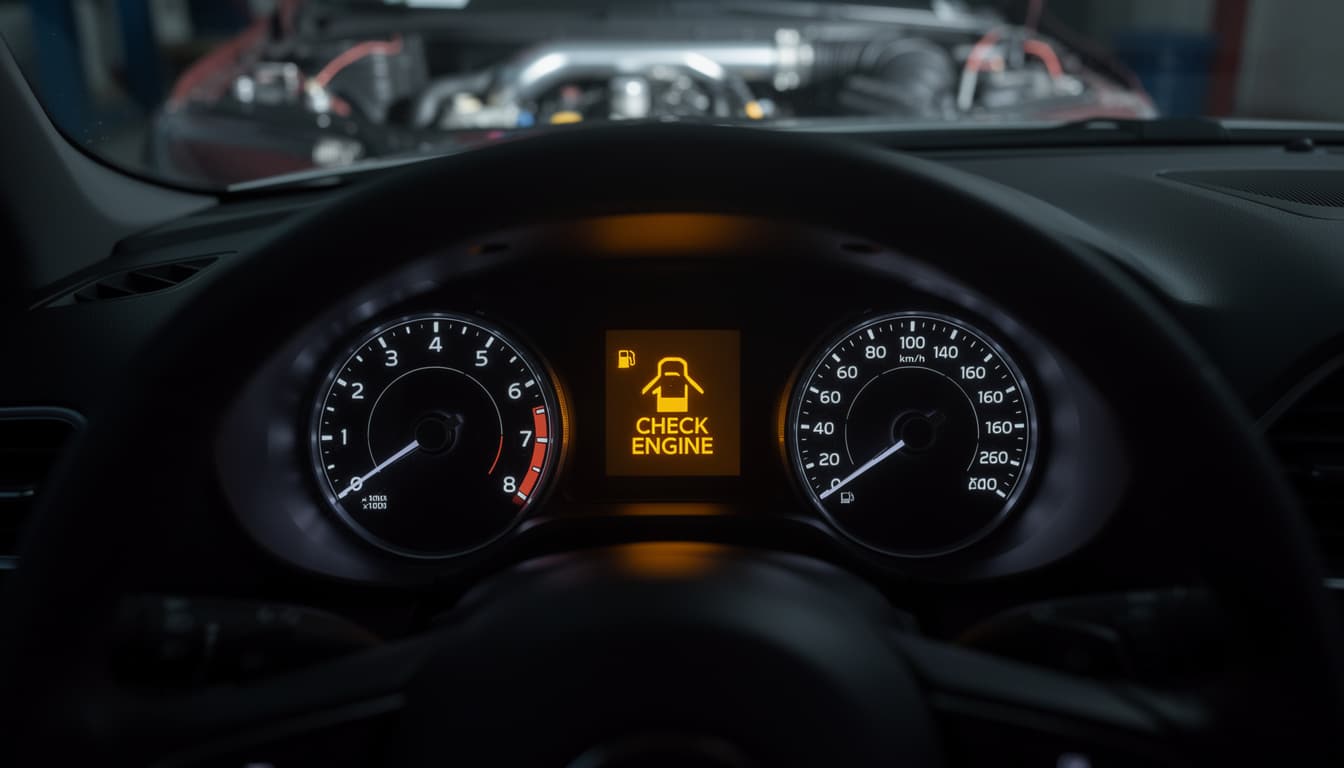
If you’ve noticed your check engine light flashing intermittently or coming on and off, these patterns indicate different levels of urgency. A flashing light is a red flag that points to a severe engine problem, typically an engine misfire. This kind of misfire causes incomplete combustion, which can send unburnt fuel into the exhaust system and severely damage the catalytic converter — an expensive repair if untreated.
In contrast, a light that appears temporarily and then goes out may signal brief sensor glitches or minor faults in your car’s electrical system. While this isn’t typically urgent, it still requires a diagnostic check. Ignoring repetitive blinking can escalate a minor issue into a serious one.
On the other hand, the light coming on during rough idling points to engine running irregularities, often caused by faulty spark plugs, ignition coils, or vacuum leaks. These conditions can deteriorate your vehicle’s efficiency and comfort but don’t always require immediate emergency action.
Simple checks you can perform at home include:
- Ensuring your gas cap is tightly sealed to avoid fuel vapor leaks, a common cause of warning lights.
- Listening for engine misfires or stalls that accompany the light’s activity.
- Checking for unusual smells or excess exhaust smoke that might hint at deeper issues.
Timely response prevents damage and reduces repair costs. If the light flashes upon acceleration or heavy engine load, stop driving, as continuing could cause significant damage.
Common Causes of the Check Engine Light and How to Address Them
The variety of reasons behind a check engine light can be overwhelming, but several culprits appear more frequently. Each fault relates to crucial parts of your vehicle’s engine and emission system, affecting performance and environmental compliance.
Oxygen Sensor Failure
The oxygen sensor measures exhaust gases to help the ECU maintain the ideal air-fuel ratio. When this sensor fails, the mixture goes awry—leading to inefficient burning and raised emissions. Symptoms include poor fuel economy and rough engine running. Replacing this sensor typically costs between $150 and $300 but pays off by restoring performance and reducing toxic emissions.
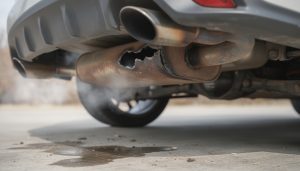
Catalytic Converter Problems and Theft
The catalytic converter ensures harmful gases convert into less dangerous substances. Damage, clogging, or even theft (which has seen a worrying rise in recent years) will turn on the check engine light. Signs include reduced acceleration and a sulfur-like “rotten egg” smell. Repair or replacement costs can exceed $1,000, so immediate professional assessment is key.
Mass Airflow Sensor Failure
This sensor measures incoming air volume to optimize combustion. A faulty mass airflow sensor affects engine power, causing rough idling or stalling. Cleaning or replacing the sensor, generally costing under $250, can resolve these symptoms quickly. Keeping your air filter replaced regularly can help prevent sensor issues; for more, see this car air filter replacement guide.
Battery and Electrical Issues
Voltage drops or failing batteries disrupt sensor accuracy, triggering warning lights like the check engine. When coupled with dim headlights or slow starts, it’s a red flag for your electrical system’s health. Testing and replacing your battery is a straightforward and economical repair.
Worn Spark Plugs and Ignition Coil Failure
These are critical for proper combustion. Misfires from worn plugs or damaged coils create rough running and higher emissions, activating the check engine light. Spark plug replacement intervals vary, but regular maintenance avoids these costly failures.
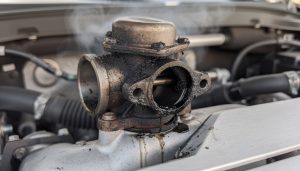
Vacuum Leaks and EGR Valve Malfunctions
Leaks in vacuum hoses or clogged exhaust gas recirculation valves alter fuel-air mixing and exhaust quality, causing poor performance and emission spikes. Detecting these faults often requires expert diagnostics, but fixing them improves drivability and lowers emission system stress.
| Fault | Symptoms | Typical Repair Cost | Severity Level |
|---|---|---|---|
| Oxygen Sensor Failure | Poor fuel economy, rough idle | $150 – $300 | Moderate |
| Catalytic Converter Issues | Reduced power, rotten egg smell | $900 – $1,500 | Severe |
| Mass Airflow Sensor Failure | Rough running, stalling | $100 – $250 | Moderate |
| Spark Plugs / Ignition Coils | Engine misfire, rough running | $100 – $300 | Moderate |
| Vacuum Leak / EGR Valve | Stalling, poor acceleration | $150 – $400 | Moderate |

Is It Safe to Drive When Your Check Engine Light Is On?
Driving with the check engine light illuminated depends largely on why it came on. A steady light often indicates a fault that still allows driving but needs timely repair. A flashing light signals critical engine problems, such as misfires, which can cause immediate damage if ignored.
If you notice the light after heavy acceleration or if your car exhibits sluggish acceleration, stalling, or strange noises, it’s best to stop driving and seek professional advice. On the other hand, if the light stays on without any obvious symptoms, limit your journey to essential travel and arrange diagnostics promptly.
Risks of delaying diagnostics include:
- Worsening engine damage from unresolved misfires or sensor failures
- Increased emissions harmful to the environment
- Higher repair bills due to cascading mechanical failures
- A failed MOT test, which requires clearance of warning codes
Understanding when to drive and when to stop saves both money and potential safety hazards.
How Professionals Diagnose Fault Codes and What You Should Expect
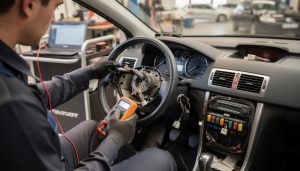
A key tool in modern mechanics’ arsenal is the OBD-II scanner, which interfaces with your vehicle’s ECU to retrieve stored fault codes. These codes unlock the mystery behind the check engine light, allowing focused diagnostics.
The process is straightforward: the mechanic plugs the scanner into a diagnostic port usually located beneath the dashboard. The scanner reads fault codes, such as P0300, which indicates random engine misfires, or P0420, pointing to catalytic converter inefficiency.
Once the codes are decoded, the professional analyzes live sensor data, checks vehicle history, and performs physical inspections. This comprehensive approach ensures the root cause is accurately identified rather than guessing based on symptom alone.
From there, they create a repair plan that balances urgency and cost. For example, addressing a faulty oxygen sensor early could prevent spending thousands on catalytic converter replacement. Investing in timely repairs saves owners unnecessary expenses and avoids long-term engine wear.
💡 Expert Tip: Always ask for a printout or electronic copy of your fault codes. This documentation helps track recurring problems and justifies repair decisions when negotiating costs.
Learn more about limp mode and how it relates to severe engine faults to understand why your car might limit its speed or power when faults occur.
Repair Costs, MOT Impact, and Practical Next Steps
The financial aspect of fixing a check engine light-related problem varies widely. Diagnostics typically cost around £60-£70, which is a worthwhile initial investment to pinpoint the fault. Simple repairs like replacing spark plugs or cleaning a mass airflow sensor are relatively affordable, usually under £300.
More severe issues, especially involving the catalytic converter or multiple sensor failures, can push costs beyond £1,000. It’s important not to overlook the warning, as delays can escalate damage, sometimes leading to full engine replacements – the most expensive remedy.
In 2026, vehicle regulations require emission systems to be fully functional to pass the MOT. A lit check engine light almost guarantees a test failure. Clearing the fault codes before the test is essential but only after properly diagnosing and fixing the problem to avoid recurrence.
Planning regular maintenance and quick response to the check engine light helps keep repair costs manageable. If your car is losing power, refer to this comprehensive guide on causes and fixes for power loss as this often ties closely with engine and sensor-related malfunctions.
Can I just ignore the check engine light if my car seems fine?
Ignoring the check engine light is risky. Even if your car seems okay, a lingering problem can worsen over time, leading to expensive repairs or breakdowns.
How do I know if the check engine light signals a severe problem?
A flashing light usually indicates an urgent issue like engine misfire needing immediate attention, whereas a steady light is less urgent but still requires diagnostics.
What tools do mechanics use to read check engine light codes?
Mechanics use OBD-II scanners connected to the vehicle’s diagnostic port to retrieve fault codes that help identify the exact issue triggering the warning.
Does the check engine light affect my car’s MOT?
Yes, a lit check engine light generally causes a failed MOT because it signals unresolved faults in emissions and engine management systems.
Are repair costs high for common check engine light issues?
Costs vary: simple sensor replacements are affordable, but catalytic converter repairs can be expensive. Early detection keeps expenses down.