Your car’s air filter plays a crucial role in ensuring optimal engine performance and fuel efficiency by keeping dirt and debris from entering the engine’s combustion chamber. Over time, these filters become clogged, restricting airflow and leading to various mechanical problems. Recognizing the right moment to replace your air filter can significantly improve your vehicle’s longevity and driving experience. This guide highlights the 9 clear indicators that suggest your car’s air filter needs immediate attention, helping you maintain proper car maintenance and avoid costly repairs.
Key Takeaways:
- Reduced fuel efficiency is often the first sign of a clogged air filter.
- Strange engine noises like wheezing or coughing indicate airflow problems.
- Visible dirt and discoloration on the filter confirm it’s time for replacement.
- Engine misfires or poor acceleration are symptoms of inadequate air supply.
- Regular inspection of the air filter every 10,000–15,000 miles prevents premature engine damage.
How the Air Filter Facilitates Optimal Engine Airflow and Performance
Your car’s engine requires a precise air-fuel mixture to combust efficiently. For every liter of petrol burned, the engine intakes roughly 10,000 liters of air. The air filter ensures that this airflow is not only sufficient but also clean from impurities like dust, pollen, and road debris that can damage internal components.
The filter catches these particles while allowing clean air to pass through, maintaining a healthy combustion process. When the filter accumulates dirt and becomes clogged, the restricted airflow negatively impacts combustion, leading to poor engine performance and compromise in fuel usage.
Consider that engines deprived of adequate air tend to run “rich,” burning more fuel than required. This inefficiency can increase fuel consumption and cause unburnt fuel residues that degrade other components such as spark plugs and the exhaust system. This relationship between the air filter condition and engine health highlights why regular car care includes checking the state of this seemingly simple part.
If you live in a dusty environment or frequently drive on unpaved roads, the air filter needs replacing more often, sometimes before the typical 10,000 to 15,000-mile interval. Neglecting this can escalate minor symptoms into major mechanical failures.
9 Precise Signs Your Car’s Air Filter Deserves Immediate Replacement
Learning to identify the specific symptoms of a dirty filter can save you from costly repairs and poor driving experiences. Here are the essential signs to watch out for:
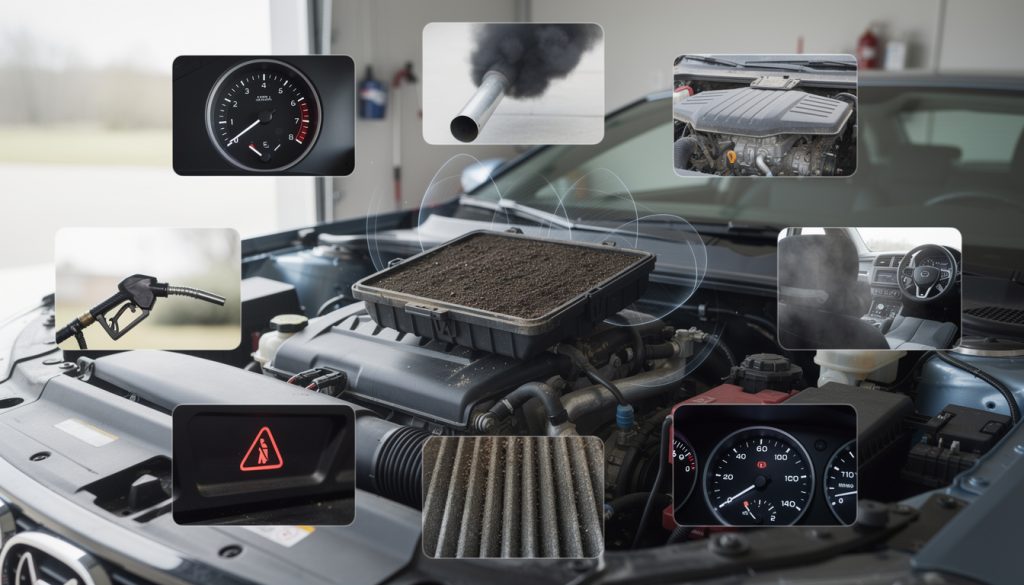
- Decrease in fuel efficiency: If your car suddenly requires more frequent refueling, it could be due to reduced airflow limiting fuel combustion.
- Black, sooty smoke from the exhaust: This often indicates incomplete combustion caused by insufficient air supply.
- Unusual engine sounds: Wheezing, coughing, or popping noises can reveal airflow struggles inside the engine.
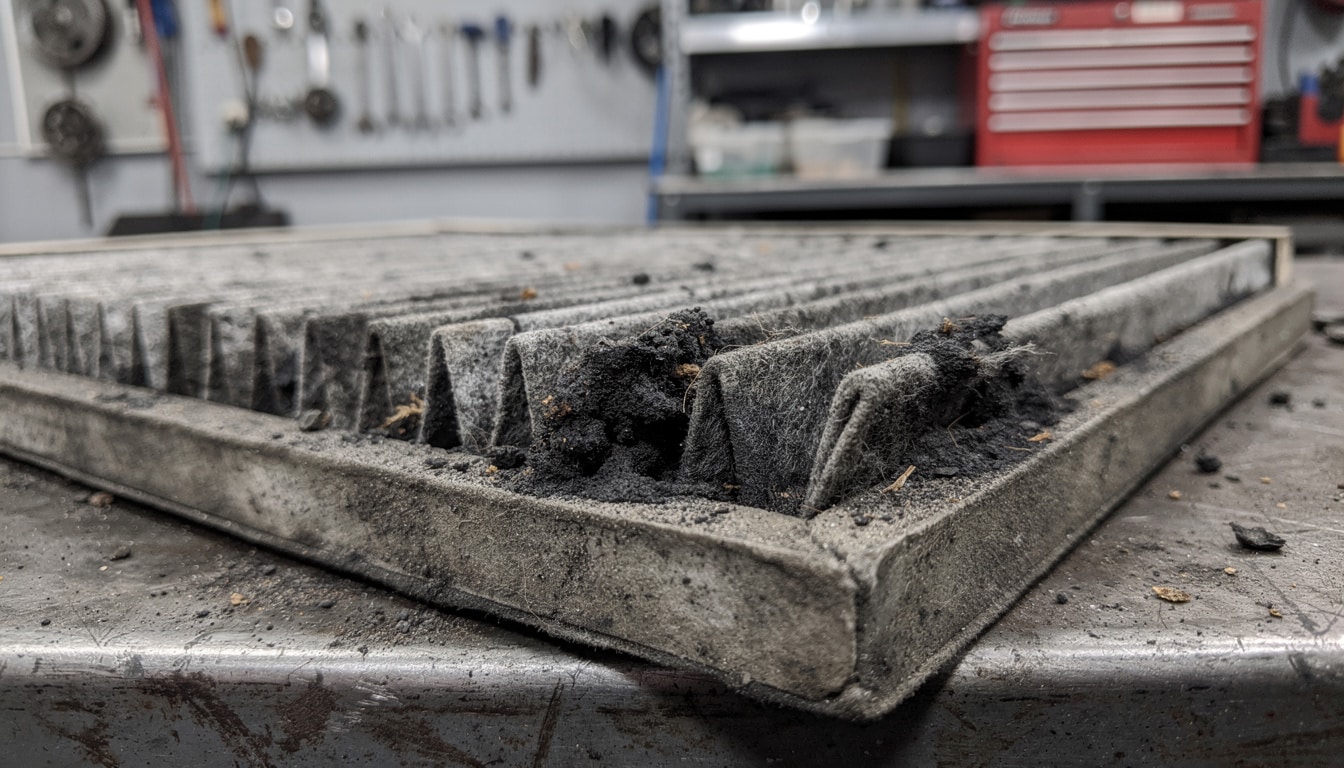
- Visible dirt and discoloration on the air filter: A filter that appears dark brown or coated with debris is clearly overdue for replacement.
- Engine misfires: Lack of clean air can make spark plugs dirty and cause engine hesitation or stalls.
- Reduced acceleration: If you notice your car struggles or hesitates when pressing the accelerator, the air filter might be the culprit.
- Check engine light activation: Sensors can detect air intake issues and trigger the warning light.
- Fuel smell when starting the engine: Excess fuel that fails to combust properly due to poor airflow can emit a noticeable fuel odor.
- Dirty spark plugs: Inspecting spark plugs showing black carbon deposits can also indicate combustion problems related to a clogged air filter.
When these signs appear, it’s advisable to perform an immediate inspection. While some DIY checks are possible, consulting a professional mechanic can provide clarity. For more insights on engine-related warning signs, you can visit pages discussing car losing power causes and car not starting tips.
Table: Common Symptoms of a Clogged Air Filter and Corresponding Effects
| Symptom | Cause | Potential Impact |
|---|---|---|
| Reduced fuel economy | Restricted airflow limiting combustion | Increased fuel consumption, higher costs |
| Black exhaust smoke | Unburnt fuel particles in exhaust | Increased emissions, engine deposits |
| Engine misfire | Dirty spark plugs, poor air/fuel mix | Poor acceleration, stalling |
| Check engine light on | Airflow sensors detecting issues | Warning for mechanical failure |
| Strange engine noises | Engine struggling for air | Possible mechanical damage |
Why Replacing Your Air Filter is Vital for Efficient Car Maintenance
Changing your air filter might seem like a minor part of your vehicle’s maintenance schedule, but it has high impact on overall car care. A clean air filter optimizes the air intake, allowing the engine to run smoothly and efficiently. This results in several key benefits:
- Improved fuel efficiency: Clean air lets your engine get the proper air-to-fuel ratio, ensuring maximum energy extraction from each liter of fuel.
- Lower emissions: Efficient combustion reduces harmful pollutants like unburnt hydrocarbons and soot in exhaust gases.
- Longer engine lifespan: A clean filter minimizes abrasive particles damaging pistons and valves, reducing wear and tear.
- Cost savings: Air filters are affordable and simple to replace, leading to fewer expensive engine repairs down the line.
Delaying replacement allows dirt to build up, straining the engine and potentially causing issues such as overheating or failure of components like the camshaft. If you want to dig deeper into engine component care, understand how mass air flow issues relate to your car’s breathing mechanism, enhancing your knowledge to make informed decisions about vehicle upkeep.
Practical Steps for Inspecting and Replacing Your Car’s Air Filter
Knowing when and how to check your air filter is part of essential car maintenance. Here is a simple process that you can follow to keep this aspect of your vehicle in top shape:
- Locate the air filter housing: Usually found near the engine block, enclosed in a rectangular or round plastic box.
- Remove the housing cover: Use a screwdriver or simply unclasp clips.
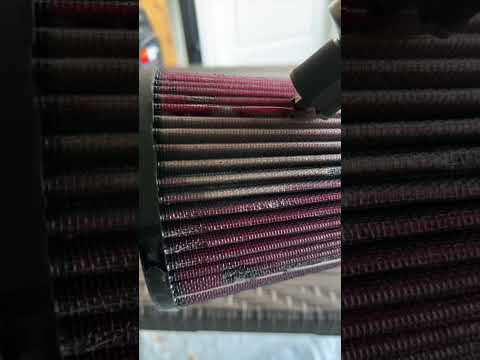
- Inspect the filter: Look for dust, discoloration, and clogging. A filter heavily coated with dirt needs replacement.
- Compare: If possible, have a new filter on hand to compare colors and texture.
- Replace if needed: Air filters are inexpensive to buy and replace, so don’t hesitate if signs indicate it.
- Reassemble securely: Ensure the housing is closed tightly to avoid leaks.
If you are unsure, a professional mechanic can perform a more thorough inspection and advise you. Regular inspection every 10,000 to 15,000 miles is ideal; however, drivers in dusty areas should perform this more frequently.

💡 Expert Tip: Always replace your air filter with a manufacturer recommended part to avoid airflow restrictions or fitting issues that could worsen engine performance.
Understanding the Risks of Ignoring a Dirty Air Filter
A neglected air filter can escalate from a simple clog to a major cause of engine trouble. Reduced engine performance from airflow restrictions leads to greater wear on components like pistons and valves. Not only does this impair power delivery, but it also strains fuel injectors and the exhaust system.
In extreme cases, unfiltered air laden with dust and debris can cause significant internal engine damage. Black smoke emissions and persistent engine misfires represent just the visible symptoms, underlying mechanical stress is silent but destructive.
Increased fuel consumption due to an inefficient air-fuel mix is more than an annoyance; it is a waste of money and a contributor to increased carbon footprint. When you notice any of these indicators, immediate action is necessary to protect your car’s reliability and resale value.
In the world of car maintenance, treating your air filter with due diligence is a simple, cost-effective strategy that pays off immensely. For additional insights on how engine components relate, exploring topics such as Volkswagen Passat issues will expand your practical automotive knowledge.
How often should I replace my car’s air filter?
Typically, replacing your air filter every 10,000 to 15,000 miles maintains optimal performance. However, more frequent replacements might be necessary in dusty environments.
Can I drive with a clogged air filter?
While temporarily possible, driving with a clogged air filter reduces fuel efficiency, engine power, and can cause damage in the long term. It’s best to replace it promptly.
Is it difficult to replace the air filter myself?
Most car models allow easy access to the air filter, and replacement is straightforward. Following a step-by-step guide or consulting your manual will help.
What happens if I don’t replace a dirty air filter?
Ignoring a dirty air filter risks reduced engine lifespan, poor fuel economy, increased emissions, and expensive repairs caused by mechanical damage.
Does a new air filter improve engine performance?
Yes, a clean air filter enhances airflow, improves throttle response, fuel efficiency, and reduces emissions, leading to smoother and more powerful engine operation.