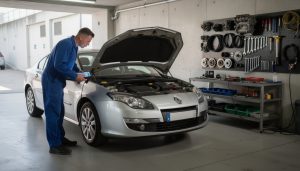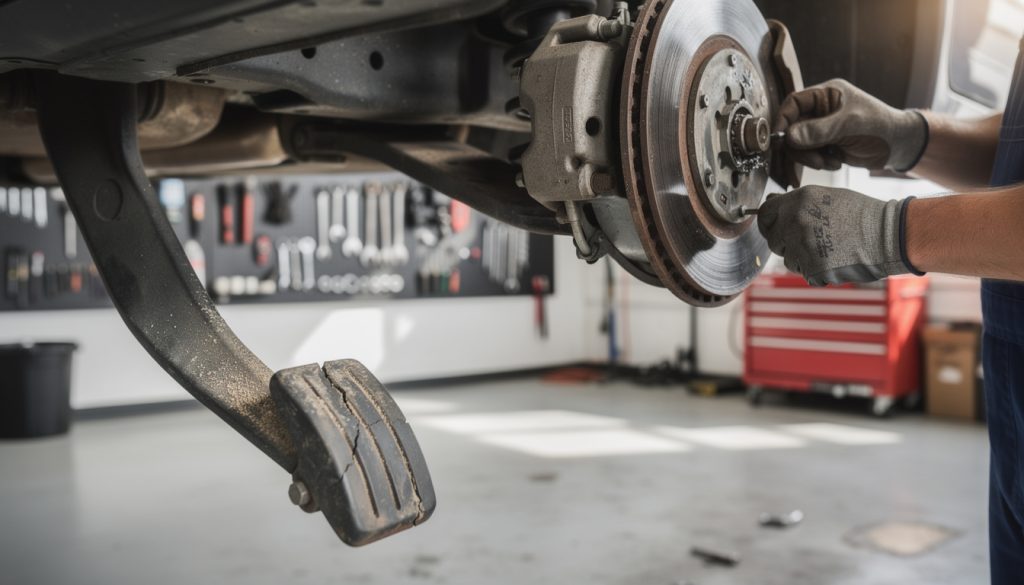
When your car’s revs spike without a corresponding boost in speed, or you experience jerking motions while changing gears, you’re likely facing a slipping clutch. This issue interrupts the seamless power transfer from your engine to the wheels, which can escalate into more serious problems if left untreated. Beyond the mechanical damage, a failing clutch is a safety concern as it may cause unexpected power loss during acceleration, increasing the risk of accidents on the road.
Recognizing the early signs of clutch failure enables timely intervention, potentially saving you from costly repairs. This guide details the specific symptoms you should watch for, common causes behind clutch wear, and practical steps to take for repairs or replacements.
Key Takeaways:
- Slipping clutch reduces power transfer, causing high RPMs with slow acceleration.
- Burning smells and unusual clutch noises are clear warning signs of clutch failure.
- Driving habits and traffic conditions significantly impact clutch longevity.
- Repair costs range between £300 and £1,000+ based on vehicle type and parts affected.
- Regular checks and early repairs prevent extensive damage to the flywheel and gearbox.
Understanding What Clutch Slipping Means and Its Impact on Performance
The clutch plays a vital role in manual transmission vehicles by linking or disconnecting the engine’s power to the wheels, allowing smooth gear changes. Clutch slipping occurs when the clutch plate does not fully engage with the flywheel, causing a loss of traction between these components. The result is incomplete power transfer, meaning your engine runs harder without effectively moving the vehicle forward.
You’ll typically feel clutch slip when starting from a standstill, accelerating, or shifting gears. It’s a particularly common problem as cars age or if the driving environment involves frequent stop-and-go traffic, steep hills, or heavy loads that demand more from the drivetrain.
In certain performance vehicles, like some models of the BMW Series 4, this issue can become noticeable earlier due to aggressive driving patterns or component differences.
Patchy clutch function might not always be abrupt; it can creep in as progressive clutch wear, initially causing minor symptoms before escalating to a critical failure.
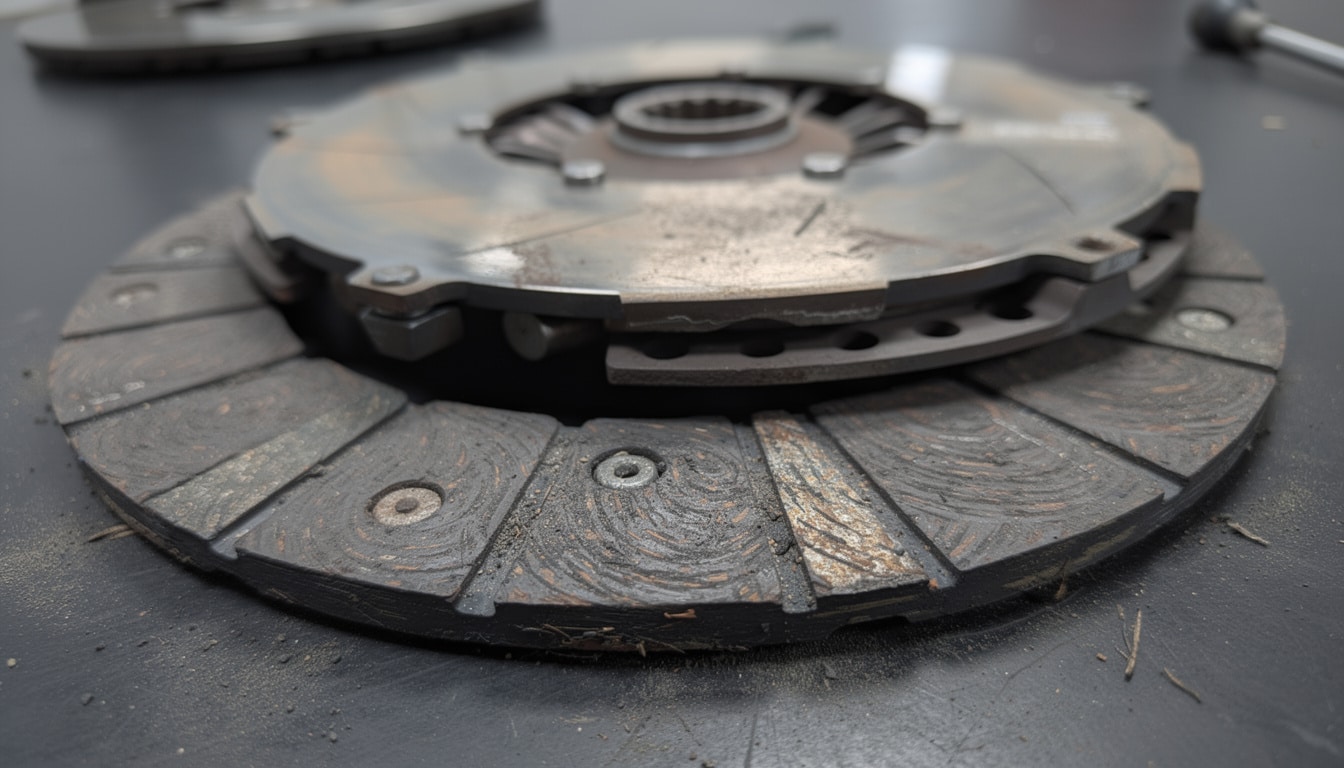
7 Clear Symptoms That Point to a Slipping Clutch
By familiarizing yourself with these common indicators, you can identify clutch problems early and avoid further complications:
- Burning Smell: A distinct burning rubber odor often arises during heavy clutch use, such as pulling away uphill or in stop-and-go traffic. This symptom indicates excessive heat buildup from clutch slippage.
- Unusual Clutch Noises: Squeaks when the clutch pedal is pressed can signal a faulty release bearing. Grinding or clunking sounds during gear changes often relate to pressure plate issues or a worn clutch disc.
- Spongy or High Clutch Pedal: A soft or sticking clutch pedal might mean air in the hydraulic system or low fluid levels. Similarly, if the biting point moves closer to the top of pedal travel, clutch plates might be worn thin.
- Poor Engine Response: Noticeable lag in acceleration despite high engine revolutions, along with hesitant or jerky starts, are classic clutch slip symptoms.
- Difficulty Shifting Gears: If the gear lever feels resistant, crunches, or refuses to engage smoothly, it’s a sign your clutch isn’t disengaging properly.
- Visible Fluid Leaks or Low Clutch Fluid: Hydraulic clutches rely on fluid, so leaks from the master or slave cylinders cause pedal issues and slipping.
- Vibrations or Juddering When Moving: Overheating or warped clutch parts often cause shaking as you pull away, especially in first gear or reverse.
Here’s a practical test you can try safely: in a quiet space, select third gear, accelerate gently while releasing the clutch. A healthy clutch should cause the engine to struggle or stall, while a slipping clutch allows the revs to climb unchecked.
💡 Expert Tip: Regularly check your clutch master cylinder for leaks or low fluid to prevent early clutch pedal issues and extend clutch life dramatically.

Common Causes Behind Clutch Failure and How Driving Habits Matter
Understanding why your clutch might fail helps in preventing premature wear. Several factors contribute to clutch wear, including:
- Friction Material Wear: The clutch disc’s friction surface deteriorates naturally, becoming too thin to maintain grip.
- Aggressive Driving: Rapid acceleration and harsh gear changes stress clutch components excessively.
- “Riding” the Clutch: Keeping your foot partially on the clutch pedal leads to continuous partial engagement, wearing out the plates faster.
- Traffic Conditions: Frequent stop-and-go driving in heavy traffic increases clutch cycles, accelerating wear.
- Excessive Loading: Overloading the vehicle or towing heavy trailers applies more strain on the clutch and drivetrain.
- Heat and Contamination: Hot environments and oil leaks—like from a compromised seal—can degrade clutch surfaces and cause slippage.
Some vehicles, including urban-focused models with a manual gearbox, endure harsher clutch wear due to their operating context. For detailed reliability reports, take a look at this analysis on Jaguar X-Type reliability which covers drivetrain concerns including clutch issues tied to use patterns.
Misdiagnosing early symptoms as minor inconvenience rather than clutch failure delays repairs, risking collateral damage to the pressure plate, flywheel, or even the gearbox itself.
Estimating Clutch Repair Costs and The Risks of Delayed Maintenance
Replacing a slipping clutch isn’t a minor expense. Costs typically vary between £300 and over £1,000 depending on your car’s make, model, and whether related parts such as the flywheel require replacement or resurfacing. Vehicles fitted with dual-mass flywheels, like many modern diesel models, generally face higher parts and labor fees.
Waiting too long to fix a slipping clutch can escalate costs significantly by damaging additional drivetrain components. In 2026’s market, part prices and labor rates continue to rise, emphasizing the value of timely intervention.
Here’s a quick comparison table outlining typical costs involved in a clutch replacement:
| Repair Aspect | Typical Cost (£) | Details |
|---|---|---|
| Clutch Disc Replacement | 300 – 600 | Standard friction plate replacement |
| Flywheel Resurfacing or Replacement | 200 – 500 | Depending on severity of wear or damage |
| Hydraulic System Repair (Master/Slave) | 100 – 300 | Fix leaks or refill clutch fluid |
| Labor Costs | 200 – 400 | Time varies with vehicle complexity |
Brake and clutch master cylinder issues are sometimes linked, so inspection of related components during clutch repair is advisable.
Solutions and Repair Options for a Slipping Clutch
There’s no quick fix once your clutch slips badly. The worn friction disc usually needs full replacement to restore normal function. Ignoring slipping risks further damage to the pressure plate, flywheel, and transmission.
In professional garages, technicians will evaluate these components and might recommend:
- Replacing the clutch disc: The primary step in most clutch repairs which restores grip and power transfer.
- Flywheel resurfacing or swapping: Addressing any glazed or scorched surfaces damaged by clutch overheating.
- Adjusting clutch cables or hydraulic system: Sometimes improving pedal feel if the clutch plates are still functional.
- Sealing fluid leaks: Preventing oil contamination that can ruin new clutch parts quickly.
Choosing a certified mechanic or garage offering warranty-backed work is crucial for peace of mind. Remember that adopting smoother driving habits—avoiding clutch “riding” and minimizing harsh starts—will prolong the life of your new clutch considerably.

How long does a slipping clutch last if not repaired?
A slipping clutch can sometimes last a few hundred miles, but this varies greatly depending on the severity of the slip and driving conditions. Delaying repairs often leads to rapid deterioration.
Can hydraulic clutch fluid be topped up by the driver?
Yes, topping up clutch fluid is possible by filling the reservoir, but any leaks should be inspected by a mechanic to avoid air in the system and continued clutch malfunction.
Is clutch noise always a sign of clutch failure?
Clutch noises such as squeaks or grinding often indicate worn components, but some noise can originate from other drivetrain parts. Professional diagnosis is recommended for accurate troubleshooting.
Can a slipping clutch affect my car’s MOT?
Yes, vehicles with slipping clutches may fail an MOT due to emissions or drivability concerns, making prompt repairs important to stay on the road legally.