Turbocharged engines have revolutionized automotive performance, boosting power and efficiency while reducing emissions. Yet, these systems demand specialized care to maintain their delicate balance of heat, pressure, and lubrication. Even modern turbos integrated with computer-controlled engines are complex and vulnerable if neglected. Understanding how to protect your turbocharger is crucial to avoid costly repairs and ensure your car performs at its best over time.
Key Takeaways :
- Regular oil changes at recommended intervals are essential for turbo health.
- Use high-quality synthetic oil to ensure proper lubrication and turbo longevity.
- Warm up and cool down your engine to protect the turbo from thermal shock.
- Practice smart driving habits like using gears efficiently and avoiding excessive throttle blips.
- Choose the correct fuel grade to prevent engine knocking that damages the turbo.
How a Turbocharger Works and Why It Needs Care
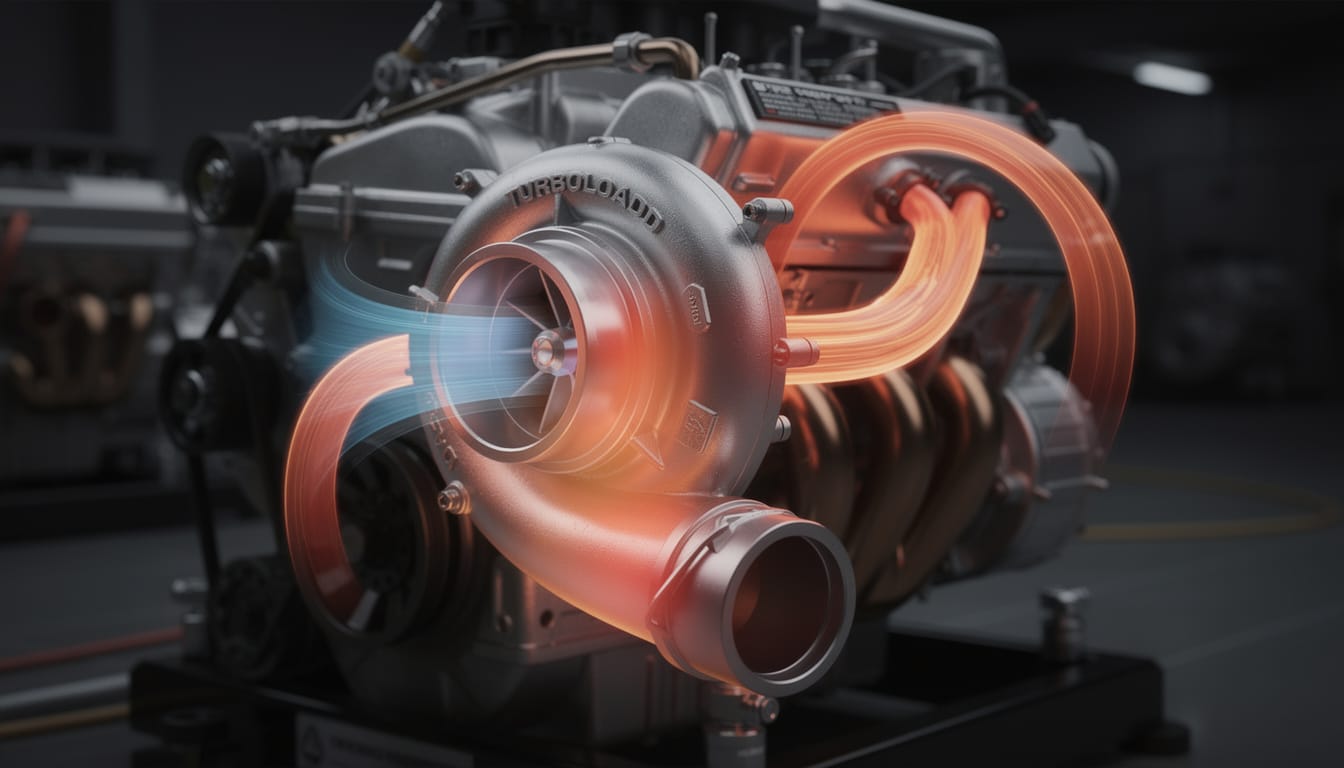
Your turbocharger is a sophisticated device that increases engine performance by forcing additional air into the combustion chamber. Essentially, it operates like a powerful air compressor driven by your car’s exhaust gases. This process injects extra oxygen to maximize the fuel’s combustion efficiency, giving you a significant boost in power.
Because the turbo spins at extremely high speeds—upwards of 150,000 RPM—and operates under intense heat and pressure, every component must function flawlessly. The turbine is directly linked to a compressor, and they rely heavily on lubrication and cooling to prevent premature wear or catastrophic failure.
Modern turbocharged cars, although more robust thanks to advances in materials and engine management systems, still demand attention to maintenance details like oil quality and temperature management. Failure to adhere to these practices often results in symptoms such as sluggish acceleration, engine knocking, or even the dreaded turbocharger failure—a costly repair often avoided with proper care.
In practice, the complexity of turbocharged systems can be a source of worry, but addressing key aspects like lubrication, driving style, and cooling can extend your turbo’s lifespan significantly. For example, owners of performance vehicles or those driving in stop-and-go traffic need to be particularly vigilant to prevent heat buildup.
Regular Oil Changes and Using the Right Oil: Turbo Care Essentials
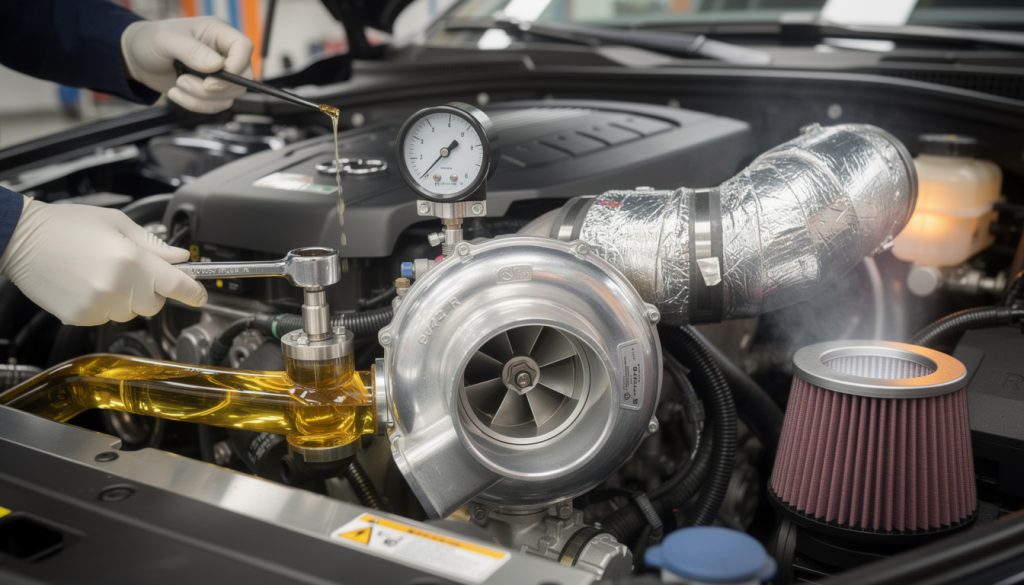
Turbocharger longevity hinges critically on proper lubrication. The turbo’s shaft and bearings operate under high mechanical stress and heat, demanding a continuous supply of clean oil. This is why maintaining regular oil changes every 5,000 miles or according to your manufacturer’s schedule is non-negotiable.
Oil not only lubricates but also helps cool the turbo components. Older turbos relied entirely on oil cooling, but many modern designs incorporate coolant passages as well. Regardless, oil quality remains paramount.
Using cheap, low-grade oil can quickly result in sludge formation, which clogs oil passages and starves the turbo of lubrication. Synthetic oils are highly recommended because they maintain viscosity under extreme heat and resist oxidation better than conventional oils. You can find the appropriate oil specification in your owner’s manual or trusted forums that discuss specific models, as modern turbo engines require oils meeting tight standards.
Neglecting oil changes or using unsuitable oil can cause accelerator hesitation, excessive turbo noise, and eventually turbo failure, which can cost upwards of $1,500 to $3,000 depending on your vehicle model.
Here’s a quick checklist for turbo oil care:
- Change oil every 5,000 miles or sooner if driving under severe conditions.
- Use manufacturer-recommended synthetic oil grade.
- Check oil levels regularly to avoid starvation.
- Avoid mixing different oil brands or types.
💡 Expert Tip: Always let your engine idle for 2-3 minutes after a spirited drive before shutting off, especially to allow hot oil to circulate and cool the turbo components properly.
Driving Habits that Protect Your Turbocharger and Optimize Performance
Good driving habits are just as important to turbo health as mechanical maintenance. Turbos respond to exhaust flow and engine speed, so how you use your engine directly affects turbo lifespan.
First, avoid sudden acceleration from cold start conditions. The oil is thick and won’t lubricate the turbo effectively in this state. Let your engine reach operating temperature before pushing the turbo hard.
Using your gears effectively to build speed rather than constantly hanging on the turbo will reduce heat generation and mechanical strain. For instance, rather than flooring the accelerator to surge forward, shift at recommended RPMs and use the gears to maintain momentum.
Similarly, consistent high RPM usage, such as aggressive driving or racing, accelerates wear. While it’s tempting to tap the throttle frequently (known as throttle blipping) when downshifting, this places excessive workload on the turbo, increasing stress and heat.
Instead, modulate your throttle smoothly. When cruising, *stay off the accelerator* as much as possible after reaching your speed to avoid unnecessary turbo boost.
Sudden stops after turbo-heavy driving can trap heat in the system, as the turbo remains extremely hot while the oil flow diminishes. This is why a cool-down period with the engine idling is crucial to preventing oil coking and sludge formation.
Such practices not only safeguard your turbocharger but also improve overall engine protection and fuel economy.
Warm Up, Cool Down, and Heat Management: Preventive Tips for Turbo Health
Managing heat is among the most critical tasks for turbocharger preservation. Turbo units routinely reach temperatures exceeding 1,000°F during operation, and improper handling of this heat can cause irreparable damage.
Warm-up phase: Starting your engine and allowing it to idle for 5 to 10 minutes warms up the engine oil to its optimal viscosity for reliable turbo lubrication. Rushing to high speeds right after a cold start risks oil starvation and increases friction in the turbo bearings.
Cool-down phase: After a high-speed run, avoid turning off the engine immediately. Instead, keep it idling for 2 to 3 minutes to allow oil to flow and dissipate heat gradually. This tactic helps prevent thermal shock to the turbo’s metal components and prevents oil from turning into sludge in the turbo’s hot zones.
Ignoring this process can cause the oil inside the turbo to bake and degrade, leading to clogs and turbo inability to spin freely.
Regular inspections of heat shields, turbo hoses, and coolant levels also play a role in efficient heat management. Leaks or cracked hoses can cause loss of coolant or oil pressure, which are warning signs of turbocharger issues.
Here is a table summarizing temperature management practices:
| Phase | Recommended Action | Purpose | Risk if Ignored |
|---|---|---|---|
| Warm-Up | Idle for 5-10 minutes | Oil reaching proper viscosity for lubrication | Turbo shaft damage due to insufficient lubrication |
| Operational | Avoid excessive RPM stays | Reduce overheating and mechanical stress | Turbo overheating and premature wear |
| Cool-Down | Idle engine 2-3 minutes before shut off | Heat dissipation and oil sludge prevention | Oil coking and turbo failure |
Common Turbocharger Problems, Signs, and How to Address Them
Despite taking all preventive measures, turbochargers can develop faults due to wear or external factors. Being able to recognize early symptoms can save you from expensive replacements.
Common issues include:
- Whining or siren-like noise: Indicates worn bearings or boost leaks.
- Loss of power or lag: May result from clogged filters or damaged turbo blades.
- Blue or black smoke: Suggests oil leaks inside the turbo or excessive fuel combustion.
- Check engine light: Sometimes triggered by faulty sensors linked to the turbo system.
When these symptoms appear, avoid pushing the engine further and book a diagnostic check promptly. You may want to read about common turbocharger failure signs or explore how to diagnose car problems by sounds for additional insights.
Repairs might range from cleaning or replacing filters to rebuilding or replacing the turbo unit. Costs vary widely but can exceed $2,000 if the turbo assembly needs replacement. Therefore, adhering to maintenance and proper usage is your best line of defense.

Maintenance Strategies and Buying Tips for Turbocharged Vehicles
If you are considering buying a turbocharged car or want to maintain one optimally, keeping these strategies in mind will prove invaluable:
- Consult service records to confirm regular oil and filter changes.
- Ask about any past turbo repairs or replacements, especially for older models.
- When customizing engines or boosting performance beyond factory specs, ensure professional evaluation of turbo stress limits.
- Keep an eye on manufacturer recalls and technical service bulletins related to turbocharger issues.
Many drivers report concerns like boost lag or unexpected surging if the system components are out of sync. Being proactive saves significant time and money in this regard.
If you’re new to turbocharged engines, resources such as articles on car power loss causes and specific model reliability (e.g., Subaru Impreza issues or BMW 6 Series issues) are excellent starting points to understand potential vulnerabilities.

How often should I change the oil for my turbocharged engine?
It’s best to change your oil every 5,000 miles or according to your vehicle manufacturer’s recommendation. Using high-quality synthetic oil is crucial for turbo longevity.
Can I use regular gasoline in a turbocharged engine?
Always use the recommended fuel grade. Lower octane fuels can cause engine knocking, which damages the turbo over time.
Is it necessary to idle my car before shutting it off after a drive?
Yes, letting the engine idle for 2-3 minutes after a heavy drive allows the turbo to cool properly, preventing oil from baking and causing damage.
What are early symptoms of turbocharger failure?
Listen for unusual whining noises, loss of power, excessive smoke from exhaust, or warning lights on the dashboard.
How can modified engines affect turbo life?
Modifying the engine or increasing boost beyond factory settings places extra stress on the turbocharger and may require professional tuning and upgraded components.