The exhaust back box, often overlooked, plays an essential role in your vehicle’s exhaust system by controlling noise, managing exhaust gases, and ensuring emissions compliance. When it starts failing, the consequences reach beyond mere inconvenience; it affects engine performance, safety, and environmental standards. Recognizing the failure indicators early can save you both significant repair costs and potential health hazards associated with exhaust leaks.
Key Takeaways :
- The exhaust back box reduces engine noise and safely directs exhaust gases away from the vehicle.
- Common failure indicators include increased exhaust noise, unpleasant fumes, and visible rust or cracks.
- A faulty back box can cause reduced fuel efficiency and impact overall engine performance.
- Corrosion, exhaust leaks, and wear from road debris are primary causes of back box damage.
- Regular inspections and timely replacements, typically every 3 to 7 years, prevent costly exhaust system repairs.
Understanding the Exhaust Back Box and Its Critical Role in Car Exhaust Issues
The exhaust back box, sometimes called the rear silencer, is a vital piece of your car’s exhaust puzzle. Its main function is to muffle engine noise by absorbing sound waves generated during combustion, preventing excessive exhaust noise. Additionally, it ensures harmful gases like carbon monoxide, hydrocarbons, and nitrogen oxides are directed away from the vehicle’s cabin and safely released into the environment.
This component is positioned close to the tailpipe and works hand-in-hand with other parts such as the catalytic converter and exhaust manifold. If the back box fails, the entire exhaust system’s harmony is disrupted, leading to increased exhaust noise, emission problems, and potential safety risks.
The back box also affects compliance with emission standards, critical in 2026 as governments push for cleaner vehicles. For example, vehicles with a damaged back box may fail mandatory emissions testing, leading to fines or registration refusal. These regulations underline why any exhaust back box failure indicators should never be ignored.
Ignoring back box issues can create a domino effect within your exhaust system. An example is how a cracked back box can cause exhaust leaks, allowing fumes into the vehicle’s cabin, posing serious health dangers due to carbon monoxide inhalation. Detecting issues early reduces the risk of these severe consequences and avoids more expensive repairs on components like the catalytic converter.
The correlation between the back box condition and engine performance is also noteworthy. An exhaust blockage caused by internal damage to the back box forces the engine to work harder, degrading fuel efficiency and overall responsiveness. For drivers noticing sluggish acceleration or abnormal exhaust sounds, inspecting the back box should be a priority.
Aside from direct damage, the environment around your car also influences the back box lifespan. If you frequently drive in wet or salted road conditions—as many do in colder climates—rust and corrosion accelerate the deterioration process.
Common Failure Indicators and How to Identify Exhaust Back Box Damage
If your vehicle is showing any symptoms linked to its exhaust system, the back box should be one of the first components you inspect. Here are the most telling signs of back box failure, alongside explanations of what causes them.
Unusual or Increased Exhaust Noise
A sudden increase in exhaust noise is often the clearest alarm. A back box with holes, cracks, or internal damage produces a loud, raspy, or rattling sound, especially noticeable during acceleration or engine start-up. This noise differs from usual engine sounds and often intensifies as the engine revs.
Rattling sounds might also indicate broken internal baffles or detached components inside the back box. Loose fittings or corroded hangers contribute further to these vibrations that can be felt inside the cabin.
Smelling Exhaust Fumes Inside or Around the Car
Detecting a strong exhaust or chemical-like smell inside your vehicle points towards exhaust leaks, frequently originating near the back box. Leaks allow harmful carbon monoxide to enter the passenger area, which is incredibly dangerous. If you notice this odor, do not delay inspecting the exhaust system and seek repairs immediately.
Visible Rust, Corrosion, or Cracks
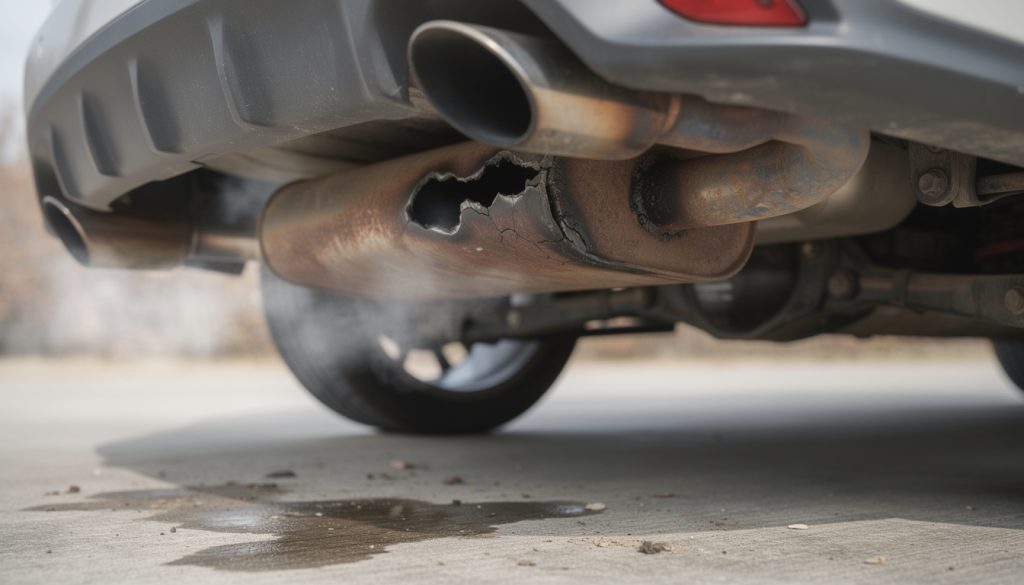
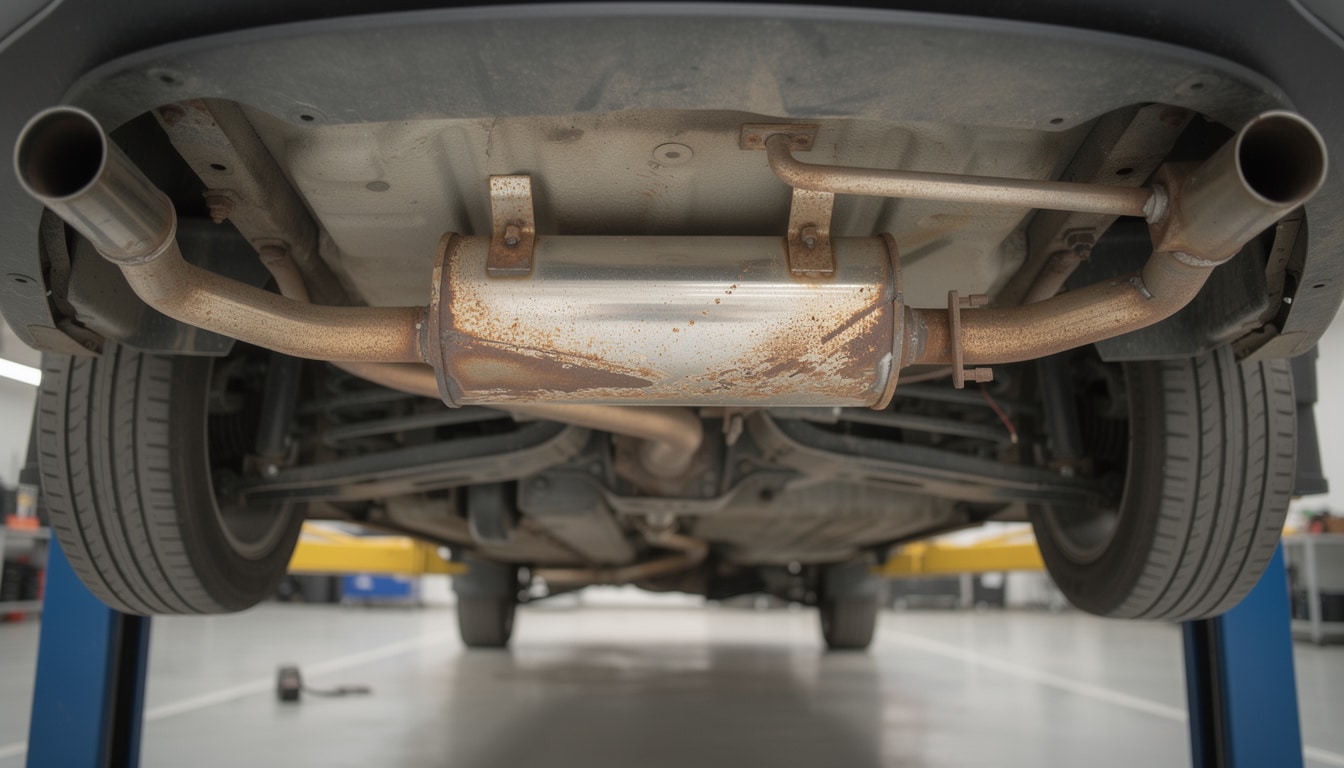
Corrosion is the enemy of any exhaust component. The back box, due to its low position beneath the vehicle, is exposed to road salts, moisture, and debris that quickly degrade metal over time. Visible rust spots, cracks in the casing, or flaking metal suggest advanced deterioration requiring replacement.
Reduced Engine Performance and Poor Fuel Economy
A blocked or damaged rear silencer restricts the flow of exhaust gases, causing engine back pressure. The result is a visible drop in performance: slower acceleration, engine misfires, and increased fuel consumption. This symptom often goes unnoticed by many drivers until it severely impacts drivability.
Backfiring, Misfires, and Excessive Vibrations
In some cases, exhaust back box damage disrupts the engine-exhaust system balance, causing backfiring or irregular combustion. These events are often accompanied by popping sounds or vibrations, indicative of improper exhaust gas flow management.
Moisture Accumulation and Persistent Water Dripping
Although condensation inside exhaust systems is normal, excessive moisture buildup inside the back box leads to accelerated rust. Continuous water dripping from the tailpipe signifies trapped moisture, a sign that the back box’s structural integrity may be compromised.
Checklist of Symptoms for Quick Self-Diagnosis:
- Louder than usual or rattling exhaust noise
- Strong exhaust fumes or smells inside cabin
- Visible rust or cracks on back box body
- Reduction in power with sluggish acceleration
- Backfiring sounds during idle or acceleration
- Excessive dripping water from exhaust tip
Performing a simple visual and auditory inspection during routine maintenance can help uncover these issues early. For detailed vehicle diagnostics related to car exhaust issues, resources like this dedicated exhaust back box guide provide further technical insights.

Root Causes Behind Exhaust Back Box Failure and Damage
Understanding what leads to back box damage helps prevent premature failure. Several common factors contribute to exhaust back box deterioration:
- Rust and Corrosion – Exposure to water, road salt, and environmental contaminants accelerate rust. Even high-quality steel corrodes over time, especially in climates with salty roads.
- Exhaust Leaks – Cracks or poor seals in the back box or its joints allow exhaust gases to escape, compromising both emissions and engine efficiency.
- Poor Installation – Incorrect fitting stresses components and exhaust joints, leading to cracks or early failure.
- Road Debris and Physical Damage – Speed bumps, potholes, and off-road driving subject the back box to mechanical impacts, which can dent or puncture it.
- Wear and Tear – Over time, internal baffles break down, affecting noise reduction and exhaust flow.
Vehicles like the Peugeot 308 or BMW X1 often face back box troubles linked to corrosion in their exhaust systems, highlighting the importance of corrosion resistance and regular maintenance (Peugeot 308 issues, BMW X1 common problems).
Addressing rust promptly prevents complete system failure. Applying rust proofing treatments during seasonal maintenance offers extra protection when the vehicle encounters salty or wet roads.
Estimating Exhaust Back Box Longevity and Maintenance Tips for 2026
On average, an exhaust back box lasts between 3 to 7 years. This varies based on driving habits, road conditions, and environmental factors. Urban drivers dealing with stop-and-go traffic and wet climates typically experience faster deterioration.
The longevity of an exhaust back box depends on:
- The material quality used, with stainless steel being more durable than mild steel
- Frequency of exposure to corrosive elements like road salt
- Driving style and terrain, where off-road or pothole-ridden roads increase wear
- Regular servicing to detect leaks or damage early
| Factor | Impact on Back Box Lifespan | Maintenance Recommendation |
|---|---|---|
| Material | Stainless steel lasts longer than mild steel | Choose high-grade materials when replacing |
| Driving Conditions | Wet and salted roads speed corrosion | Clean undercarriage and apply rust-proofing regularly |
| Installation Quality | Poor installation causes premature failure | Use professional fitting services for exhaust parts |
| Maintenance Frequency | Regular checks reduce risk of major damage | Visual inspection at oil changes or annual service |
Delaying back box replacement often leads to a chain of failures in the exhaust system, including the catalytic converter, which can cost upwards of $1,000 to repair or replace. Used back boxes are common in the aftermarket to reduce costs but ensure you’re buying from reputable sources to avoid recurring issues.
💡 Expert Tip: Regularly check your vehicle’s undercarriage for rust, especially after winter. Early rust treatment with converters can extend the back box lifespan significantly without full replacement.

Practical Advice for Drivers: Diagnosing and Addressing Exhaust Back Box Issues
As a mechanic with years of experience, I recommend that drivers remain vigilant for early symptoms of back box failure and promptly act to mitigate damage. Here’s a practical checklist of actions you can perform yourself or direct to your service technician:
- Visual Inspection: Check for rust, cracks, or hanging parts beneath the vehicle, especially after rough trips.
- Listen Carefully: Pay attention to exhaust noise variations, such as rattling or louder roaring sounds during acceleration.
- Smell Test: Any sulfuric or strong exhaust odors inside the car require immediate professional attention.
- Fuel Efficiency Monitoring: Track your mileage; sudden drops can signal exhaust flow restrictions.
- Professional Diagnostics: Use vehicle diagnostics tools to scan for exhaust leaks or sensor faults.
Ignoring these steps risks further damage and calls for comprehensive repairs. Many common issues, including those listed on diagnosing car problems by sounds, start with subtle signs easily overlooked by untrained eyes.
Regardless of your vehicle model, be it a Mitsubishi Lancer with exhaust noise complaints or a Land Rover Discovery Sport struggling with exhaust leaks, early intervention is key to avoiding expensive failures (Mitsubishi Lancer issues, Land Rover Discovery Sport).
When replacing the back box, opt for quality parts and professional installation to ensure proper fit and durability. Remember that an exhaust system in good shape not only protects your health but ensures compliance with emissions regulations and preserves engine efficiency.
How can I tell if my exhaust back box has a leak?
Listen for louder exhaust noises or rattling sounds, and check for strong exhaust smells inside the car. Visual rust or cracks on the back box also indicate leaks.
Is it safe to drive with a failing exhaust back box?
Driving with a damaged back box can be hazardous due to exhaust gas leaks, including carbon monoxide exposure. It is advisable to get it repaired promptly.
Can I replace the back box myself?
While experienced individuals can replace it, professional installation is recommended to ensure proper alignment and avoid further damage.
What is the average cost to replace an exhaust back box?
Costs vary, but a typical replacement ranges between $200 and $600 for parts and labor, depending on your vehicle and region.
How often should I inspect the exhaust back box?
A yearly inspection during routine service helps spot early signs of wear, especially if you drive in corrosive environments.